Newsletters


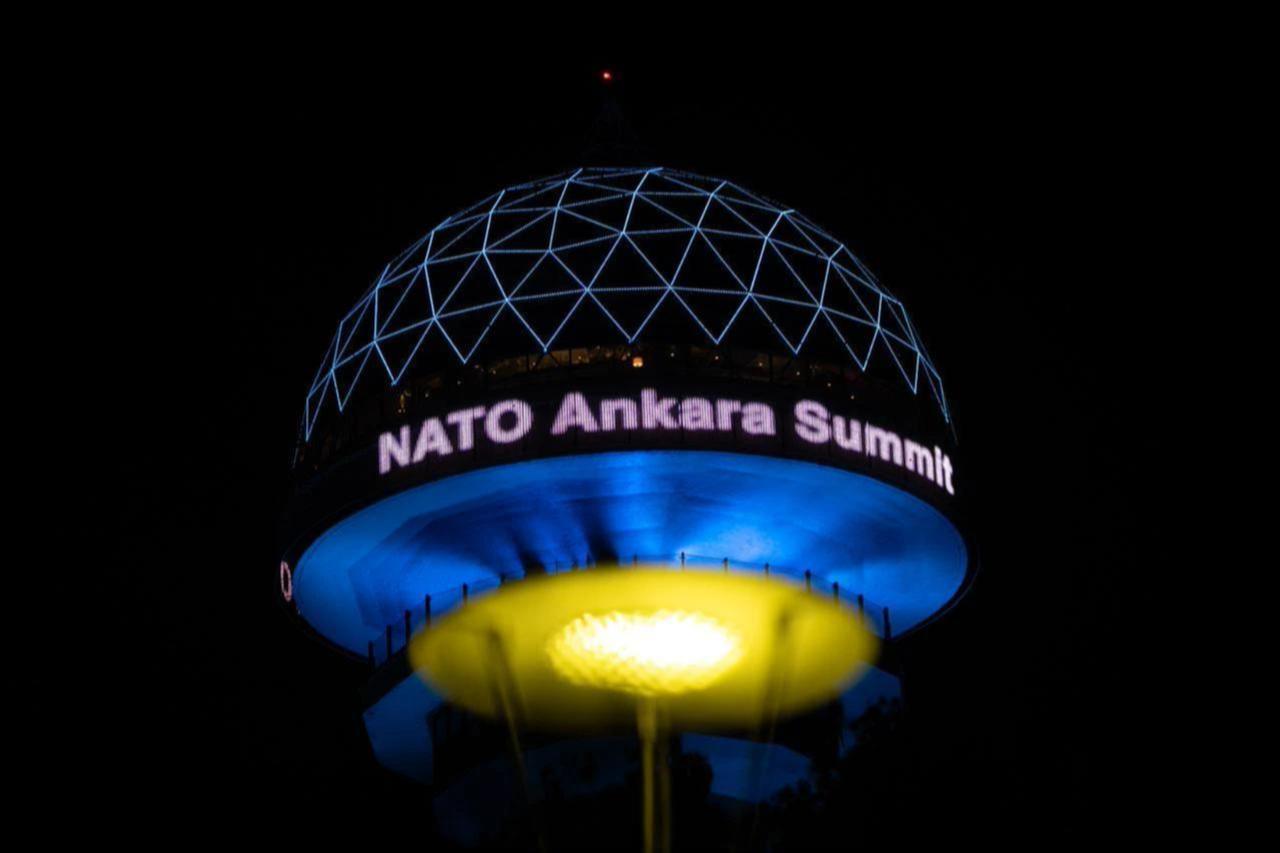


Qatar and Kuwait called for stronger cooperation with NATO at a foreign ministers' meeting held on the sidelines of the alliance's annual summit in Ankara, with both Gulf states framing closer ties as essential to regional and global security at a time of mounting instability across the Middle East.
The gathering, held under the Istanbul Cooperation Initiative, brought together the foreign ministers of Qatar, Kuwait, Bahrain and the United Arab Emirates, the four Gulf states that have partnered with the alliance under the framework since its founding in 2004.
Qatar's State Minister for Foreign Affairs Mohammed bin Abdulaziz al-Khulaifi told the meeting that his country places strong importance on developing its cooperation with NATO under the initiative and confirmed that the two sides had reached agreement on an Individual Tailored Partnership Program, a comprehensive strategic framework intended to govern and guide areas of civilian and military cooperation between Doha and the alliance. He did not disclose details of the agreement.
Al-Khulaifi also said that a planned regional peace support operations center to be established in Qatar under NATO auspices was nearing completion, describing the project as entering its final stage.
He called on partners to strengthen joint efforts and coordination in addressing threats to Middle East security and regional stability, warning that security and political threats were becoming "increasingly intertwined."
Qatar, he added, supports efforts to develop practical cooperation with NATO and remains committed to contributing to joint initiatives addressing shared security concerns and to building capacity.
Kuwait's Foreign Minister Sheikh Jarrah Jaber al-Ahmed al-Sabah used his remarks to condemn what he described as Iranian attacks on Kuwait and its civilian facilities, calling them a clear violation of his country's sovereignty.
He said Kuwait hoped that a memorandum of understanding signed between the United States and Iran would contribute to regional security and stability through dialogue that also addresses Gulf states' security concerns.
Al-Sabah highlighted that the presence of a NATO and Istanbul Cooperation Initiative regional center in Kuwait reflects the strength of the partnership and its commitment to coordination and constructive dialogue.
He called for a joint ministerial meeting between ICI countries and NATO members to be held in Kuwait in 2027, saying such a gathering would help advance shared objectives and reinforce regional security and stability.
The ministerial session opened the first day of the NATO summit in Ankara, Türkiye's second time hosting the gathering after Istanbul in 2004, when the alliance launched the Istanbul Cooperation Initiative to deepen engagement with Gulf partners.
The initiative has long served as the primary institutional vehicle through which non-member states in the broader Middle East cooperate with the alliance on security matters.
The meetings take place against a backdrop of heightened regional tension.
Recent instability around the Strait of Hormuz and Iranian military activity in the Gulf have sharpened concerns among ICI partners about maritime security, energy exports, and the adequacy of existing security frameworks.
Both ministers framed the Ankara meeting as a moment requiring not just reaffirmation of existing commitments but concrete progress on coordination, diplomacy, and capacity-building between the alliance and its Gulf partners.


 Set as preferred source
 Set as preferred source


 1 min read

 1 min read