Newsletters




United Nations human rights experts on Monday called on the European Union to immediately and fully suspend its trade agreement with Israel, describing the move as the minimum obligation required under international law given what they characterize as ongoing atrocity crimes, including genocide.
The call came ahead of a Tuesday meeting of EU foreign ministers in Luxembourg, where the bloc's top diplomats were set to consider whether to suspend, in whole or in part, the EU-Israel Association Agreement, a landmark accord that gives Israel preferential access to European markets.
In a formal statement, the experts argued that the EU cannot credibly position itself as a defender of human rights while maintaining preferential trade relations with a state whose conduct, they said, has been determined by multiple international bodies to constitute genocide, crimes against humanity, and war crimes.
"Europe faces a clear moral test," the experts wrote, framing the Luxembourg meeting as a defining moment for the bloc's foreign policy credibility.
The EU-Israel Association Agreement, in force since 2000, includes a human rights clause that allows either party to suspend the deal in cases of serious violations. Critics and legal scholars have long argued the clause has gone effectively unenforced, even as the conflict in Gaza has intensified scrutiny of the arrangement.
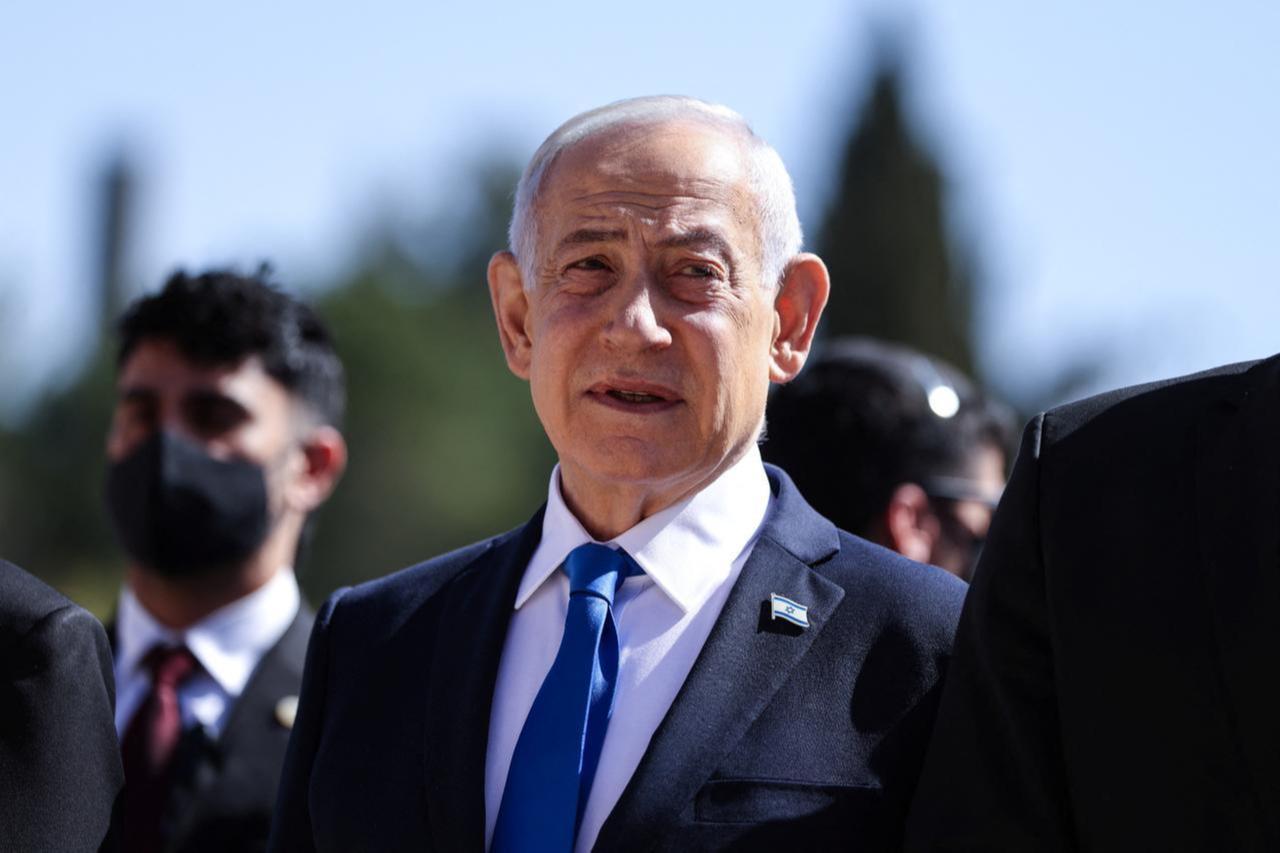
The experts pointed to rulings by the International Court of Justice and arrest warrants issued by the court against Israeli Prime Minister Benjamin Netanyahu and former Defense Minister Yoav Gallant as substantive legal grounds for suspension. They argued the move is not a matter of political discretion but a binding legal obligation on the part of the EU under international law.
The ICJ, the principal judicial organ of the United Nations, has previously issued provisional measures related to the conflict in Gaza, including orders that Israel take steps to prevent acts that could fall within the Genocide Convention, rulings Israel has disputed.
The experts also noted that a European Citizens' Initiative calling for suspension of the agreement has gathered more than one million signatures, a threshold that formally obliges the European Commission to consider the matter, adding a layer of democratic pressure to the legal arguments being advanced.


 Set as preferred source
 Set as preferred source



 3 min read