Newsletters


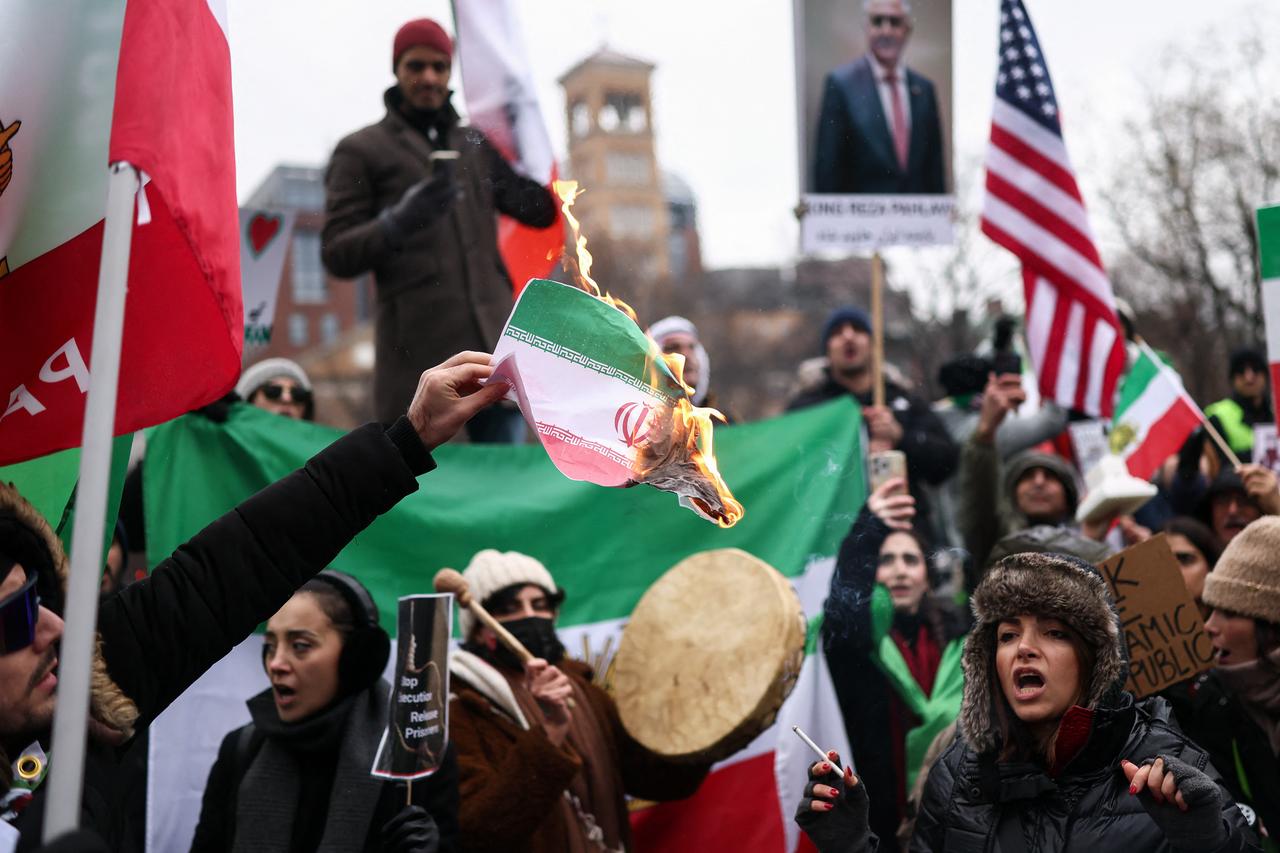


The United Nations on Monday condemned a global rise in executions in 2025, warning that Iran is using the death penalty as a “tool of intimidation,” according to the United Nations Human Rights Office.
The office said at least 47% of executions carried out in Iran in 2025 were linked to drug-related offenses, a practice it said violates international legal standards that restrict the death penalty to the “most serious crimes.”
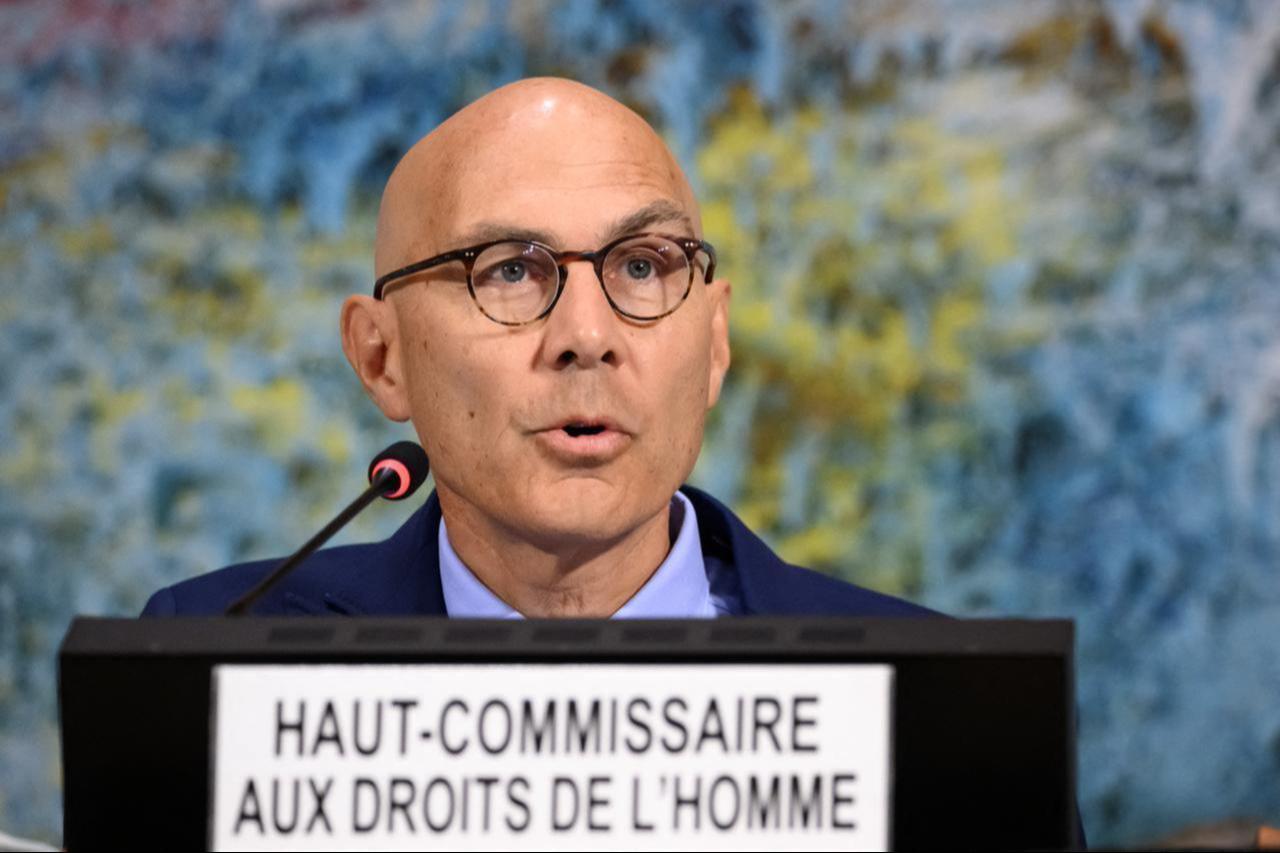
UN High Commissioner for Human Rights Volker Turk said Iran executed 1,500 people last year, making it the world’s second-highest executioner after China, according to human rights groups.
“The scale and speed of executions indicate that the death penalty is being systematically used as a state tool of intimidation, disproportionately affecting ethnic minorities and migrants,” Turk said.
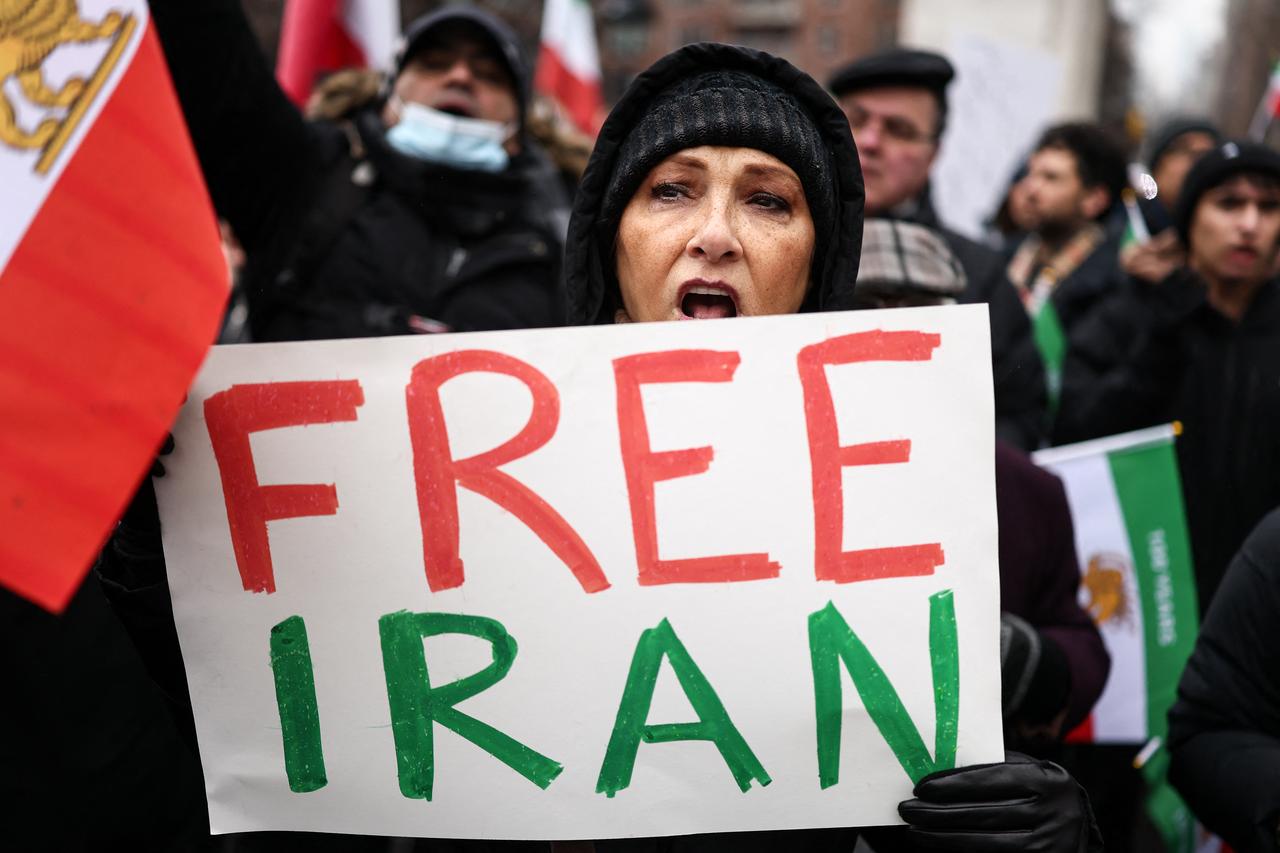

Turk said the overall rise in executions in Iran contributed to a “worrying increase” in the global use of capital punishment in 2025, despite a continued worldwide trend toward abolition.
He noted that many of the executions were carried out for crimes that do not meet the international legal threshold of “most serious crimes,” particularly non-lethal drug-related offenses.
The UN office said executions linked to such crimes were a major factor behind the sharp increase.
Turk also criticized the continued execution of individuals convicted of crimes committed as minors and the lack of transparency surrounding executions in the country.
“These practices are not only incompatible with international law, but they also fail to deter crime,” he said.
The UN Human Rights Office said the proportion of drug-related executions was even higher in Saudi Arabia. Of the 356 people reportedly executed there last year, 78% were convicted of drug-related crimes.
Turk said at least two of those executed in Saudi Arabia were convicted for crimes committed when they were children, raising serious concerns regarding child rights.
In the United States, the office reported that 47 executions were carried out in 2025, the highest number in 16 years. It added that the renewed use of nitrogen gas in executions had raised serious concerns about torture or cruel punishment.
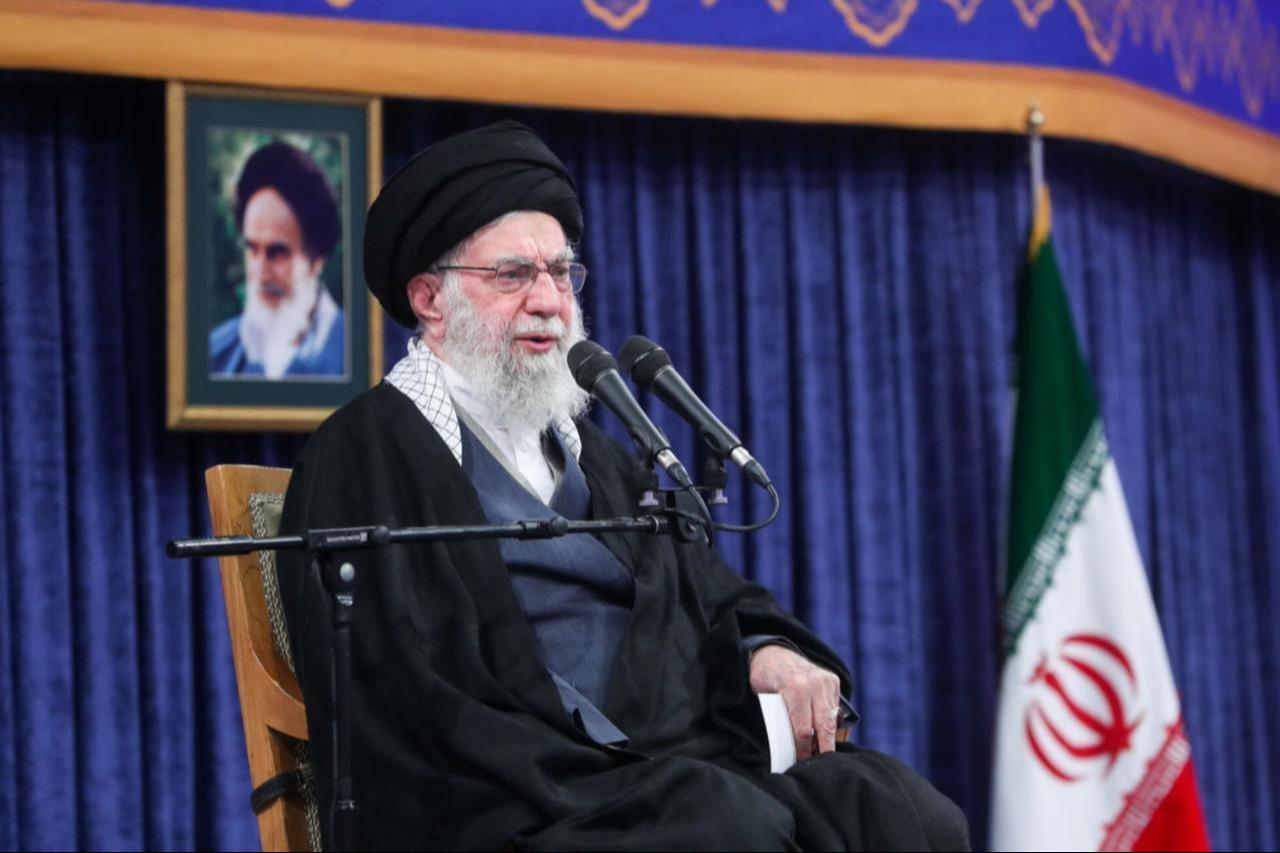
Separately, the U.S.-based Human Rights Activists News Agency (HRANA) reported that the number of people killed during protests in Iran had risen to 4,029.
According to HRANA, demonstrations that erupted over economic problems have led to the detention of 26,015 people nationwide. Among those killed were 180 security personnel.
The agency said the death toll had previously stood at 3,919.
Protests began on Dec. 28, 2025, after a sharp depreciation of Iran’s national currency and worsening economic conditions. Demonstrations initially started at Tehran’s Grand Bazaar before spreading to multiple cities.
Clashes intensified in the capital on Jan. 8, prompting authorities to impose internet restrictions. Internet access has since been partially and gradually restored, according to reports.
While protests have largely subsided, HRANA said it continues to verify additional cases and update casualty figures.
Iranian authorities have not released official totals for those killed or injured, but have said more than 3,700 security personnel were wounded and that 3,000 people accused of provoking unrest or having links to terrorist groups were detained.
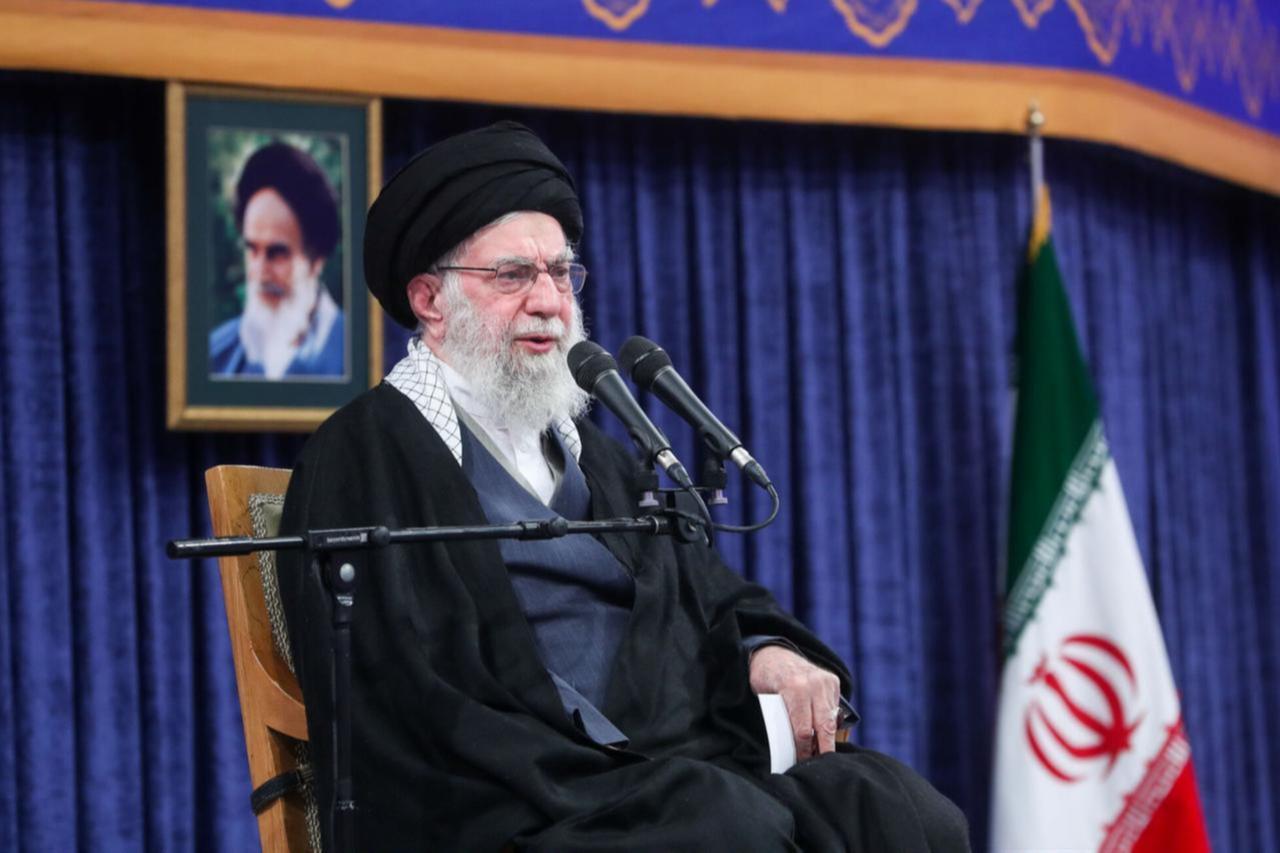
Iran’s Supreme Leader Ali Khamenei said on Jan. 17 that individuals linked to Israel and the United States caused major damage during the protests and were responsible for the deaths of several thousand people.


 Set as preferred source
 Set as preferred source


 1 min read
 1 min read