Newsletters


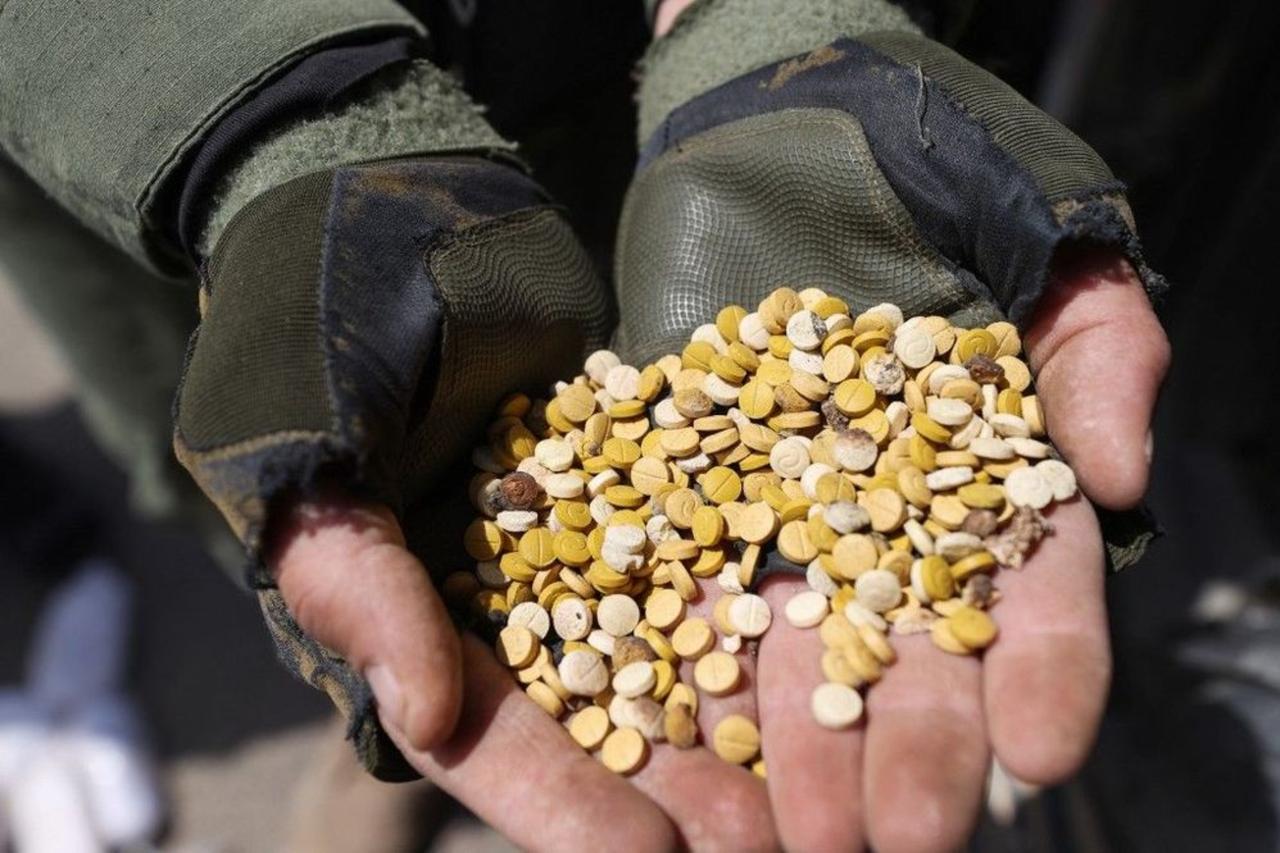


New United Nations Office on Drugs and Crime research says large-scale illicit manufacturing of “captagon” has been disrupted since Syria’s regime change on Dec. 8, 2024, as authorities dismantled industrial-scale operations that once supplied much of the regional market.
The report says stockpiles likely remain in circulation and trafficking methods and routes are evolving, while warning that disruption could shift some networks and people who use drugs toward methamphetamine.
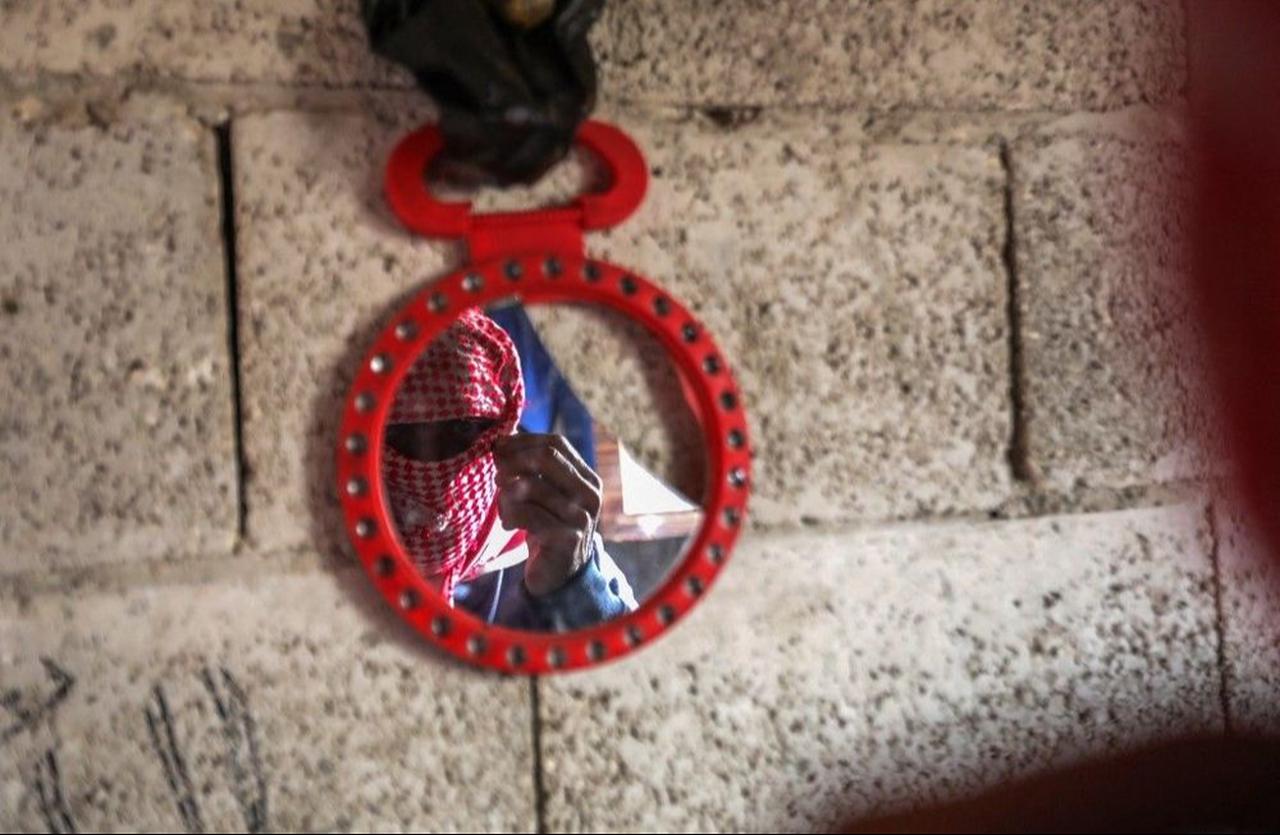

New United Nations Office on Drugs and Crime research says large-scale illicit manufacturing of “captagon” has been disrupted since Syria’s regime change on Dec. 8, 2024, as authorities dismantled industrial-scale operations that once supplied much of the regional market.
The report says stockpiles likely remain in circulation and trafficking methods and routes are evolving, while warning that disruption could shift some networks and people who use drugs toward methamphetamine.
Labs dismantled, but relocation claims remain unverified
For the last decade, most “captagon” originated in Syria, and between January 2019 and November 2025, 80% of reported “captagon” seizures across the region indicated Syria as the country of origin, the brief says.
Following the December 2024 regime change, Syrian authorities reported dismantling 15 industrial-level laboratories and 13 smaller storage facilities.
The report cites speculation that Syria-based manufacturing may have shifted to parts of Africa and elsewhere in the Near and Middle East, but says it has documented no verified evidence of “captagon” manufacturing in Africa to date and could not verify reports of dismantled laboratories in North Africa.
It adds that manufacturing previously observed outside Syria is likely continuing in the Middle East, particularly in neighboring countries, and that small-scale production may still be occurring in parts of Syria.
UNODC says “captagon” tablets show varied packaging, purity, and composition, suggesting production has not relied on a single model.
It also cites findings that raise questions about a possible “new” type originating from Southwest Asia, indicating production may still be evolving.
The report says large “captagon” stockpiles from earlier industrial production in Syria likely remain in circulation, sustaining trafficking, and notes unverified suggestions that pre-December 2024 output could have reached millions of tablets a day, leaving enough stocks to supply the market for a couple of years if not intercepted.
UNODC says regional cooperation has intensified since the regime change, driving a surge in interdiction operations in 2025 and several major joint seizures.
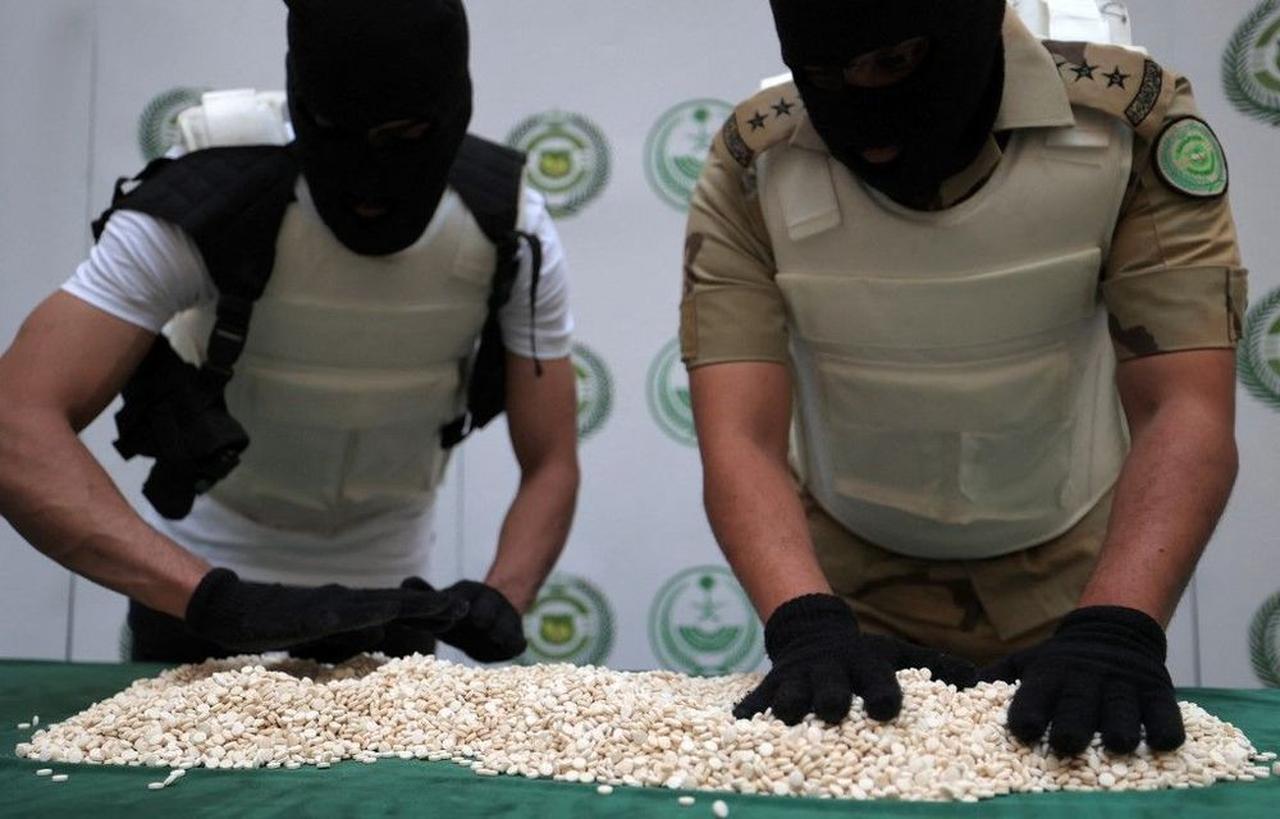
While totals are still being compiled, UNODC documented at least 177 million tablets, or 30 tons, intercepted across the Arab region since December 2024, with the overall figure likely higher.
The brief adds that Syria reported seizing over 500 million tablets from December 2024 through November 2025, Lebanon reported 78 million over the same period, and Jordan reported more frequent smuggling attempts with smaller consignments but more interdictions.
UNODC says Gulf countries remain the main destination for “captagon,” but traffickers have diversified routes since December 2024, using diversion and repackaging points, including Western and Central Europe and North Africa, and mixing sea and land routes across multiple borders.
It adds that traffickers are using balloons and drones for cross-border movement and, in some areas, rely more on heavy weapons to secure crossings by threat or force.
UNODC warns that the ongoing disruption of “captagon” manufacturing and trafficking may shift traffickers and people who use drugs toward methamphetamine, accelerating its expansion across the region.
It says that with the rapid decrease of “captagon” supply since December 2024, the existing market could shift toward methamphetamine.
The brief notes signs of mixed trafficking, with seizures in 2024 and 2025 increasingly showing methamphetamine trafficked together with “captagon,” and reports of exchanges in which methamphetamine is traded for “captagon” between networks operating in the region.
In its conclusions, UNODC says the recent disruption of “captagon” production and trafficking demonstrates that with political will and international cooperation, complex drug markets can be destabilized within a relatively short period, highlighting the impact of coordinated regional action and intelligence sharing.
But it warns that focusing exclusively on the supply side carries risks and that without addressing underlying demand, trafficking and use may shift toward other substances, including methamphetamine, with new routes and actors emerging.
UNODC, therefore, calls for a comprehensive approach. Alongside continued enforcement and interdiction, the brief says drug prevention, treatment and recovery systems grounded in scientific evidence should be strengthened to make supply-side gains sustainable.


 Set as preferred source
 Set as preferred source


 2 min read