Newsletters


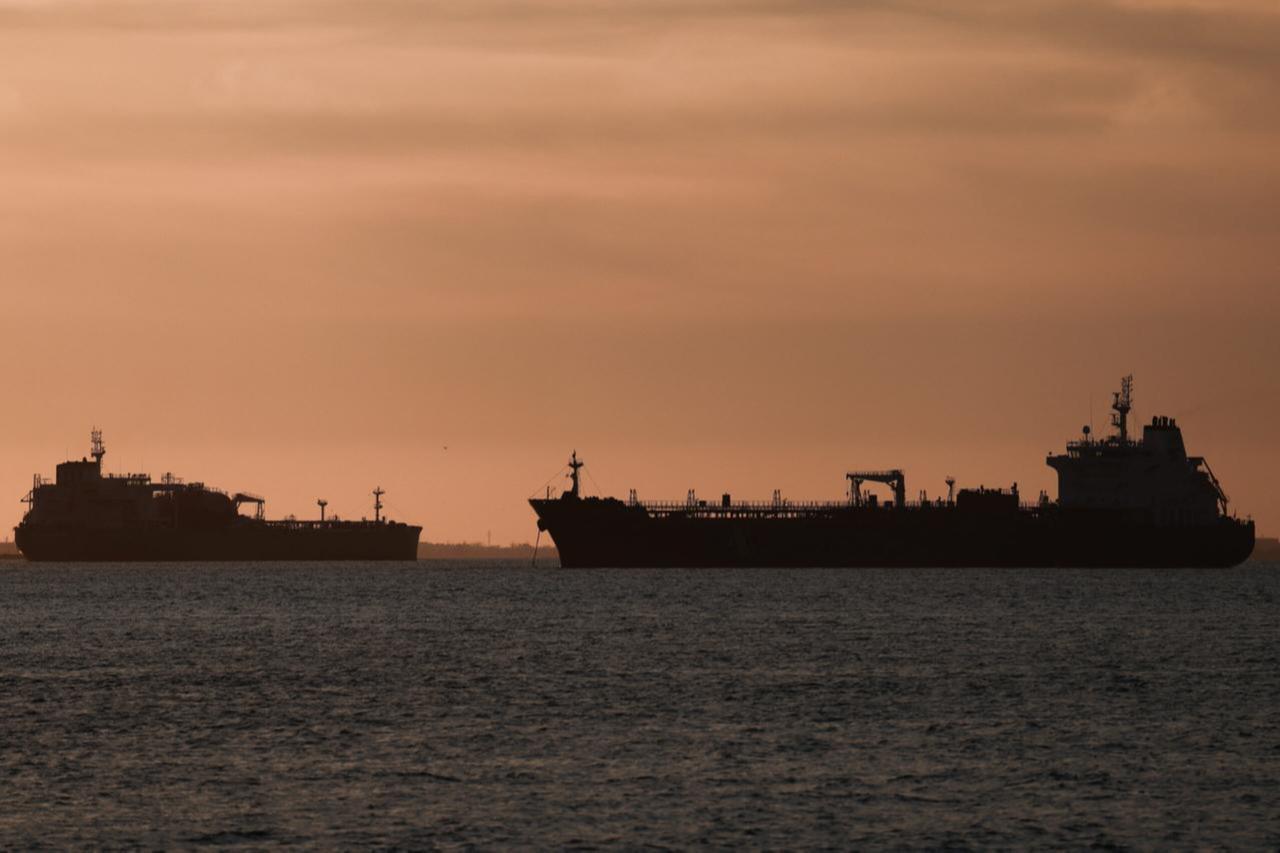


The Gulf Cooperation Council urged the United Nations Security Council on Thursday to authorize military force to reopen the Strait of Hormuz, as Iran's near-total closure of the critical waterway continues to disrupt global energy supplies and rattle international markets.
Speaking at the first Security Council meeting on GCC-UN cooperation, held in New York, GCC Secretary-General Jasem Mohamed AlBudaiwi said Iran had "closed the Strait of Hormuz, prevented commercial vessels and oil tankers from transiting, and imposed conditions on some to pass through the strait." He called on the Council to "take all necessary measures to protect maritime routes and ensure the safe continuation of international navigation."
Iran moved to restrict the passage in retaliation for US-Israeli strikes that triggered a conflict now entering its second month.
Bahrain has put forward a draft resolution that would authorize states to use "all necessary means" to guarantee free transit through the strait. A fifth revised version of the text, backed by the United States, was circulated to member states Thursday, with language stressing that any authorized force would be "defensive in nature."
US Ambassador Mike Waltz told the Council that "no country should be able to hold the world's economies hostage to try to gain leverage in a dispute."
Despite several rounds of revision, the measure has exposed deep fractures within the 15-member body. Russia, China and France, all veto-holding permanent members, have signaled strong opposition.
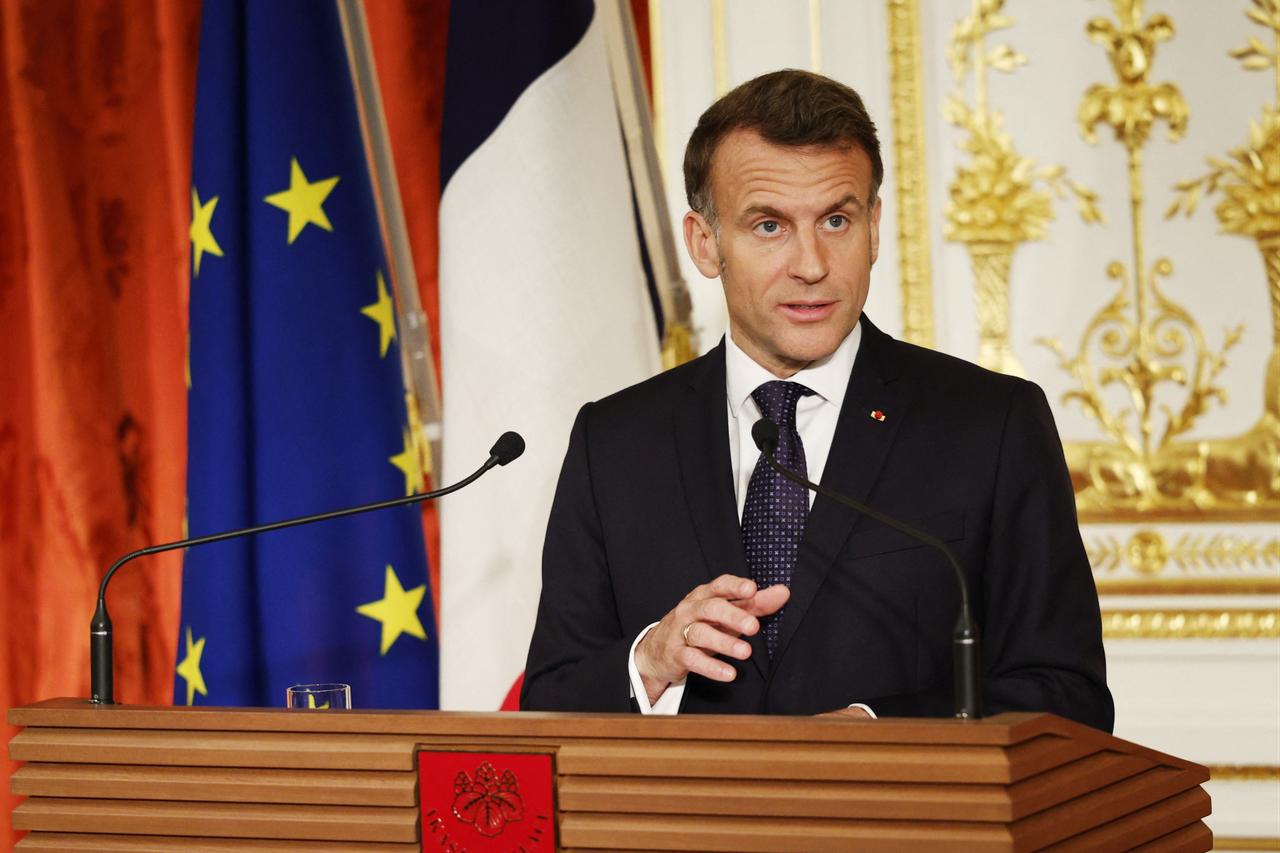
Chinese Ambassador Fu Cong argued that "the use of force cannot bring peace," warning that authorizing military action would "inevitably lead to further escalation." Russia, a longstanding ally of Tehran, has said it will not support measures it views as one-sided and disconnected from the conflict's root causes. French President Emmanuel Macron, meanwhile, has called a military operation to reopen the strait "unrealistic."
The Strait of Hormuz is one of the world's most consequential chokepoints for energy. In peacetime, roughly one-fifth of global oil and liquefied natural gas passes through the narrow passage between Iran and Oman. Its near-total closure has squeezed supplies of oil, liquefied natural gas and fertilizer, driving a sharp rise in energy prices worldwide.
The GCC, which comprises Saudi Arabia, the United Arab Emirates, Bahrain, Qatar, Kuwait and Oman, has a direct economic and security stake in the dispute. The bloc's oil-producing members rely heavily on the strait for exports, and any prolonged disruption threatens both regional revenues and the broader global economy.


 Set as preferred source
 Set as preferred source


 1 min read
 1 min read