Newsletters




The United States and Israel have discussed sending special forces into Iran to seize its stockpile of highly enriched uranium at a later stage of the war, according to an Axios report citing four sources with knowledge of the discussions, in what would mark the first deployment of foreign troops on Iranian soil during the conflict.
 Breaking News, Direct to You.
 Follow Türkiye Today on WhatsApp
for real-time updates and key insights from Türkiye and beyond.
Follow Türkiye Today on WhatsApp
for real-time updates and key insights from Türkiye and beyond.
At a congressional briefing on Tuesday, U.S. Secretary of State Marco Rubio was asked whether Iran's enriched uranium would be secured. "People are going to have to go and get it," he said, without specifying who.
An Israeli defense official stated that Trump and his team were seriously considering sending special operations units into Iran for specific missions.
A U.S. official said the administration had discussed two options: removing the material from Iran entirely or bringing in nuclear experts to dilute it on-site.
The mission would likely involve special operators alongside scientists, possibly from the International Atomic Energy Agency (IAEA).
Two sources said such operations were part of a menu of options presented to Trump before the war began.
The U.S. official laid out the operational challenge: "The first question is, where is it? The second question is, how do we get to it, and how do we get physical control? And then, it would be a decision of the president and the Department of War and CIA as to whether we wanted to physically transport it or dilute it on premises."
Any operation to seize the material would likely require troops navigating heavily fortified underground facilities in the middle of a war.
It remains unclear whether it would be an American, Israeli, or a joint mission. It would likely only take place after both countries were confident Iran's military could no longer mount a serious threat to the forces involved.

Trump told reporters aboard Air Force One on Saturday that ground troops were possible "for a very good reason."
"If we ever did that, the Iranians would be so decimated that they wouldn't be able to fight on the ground level," he noted.
Asked specifically whether troops might go in to secure nuclear material, Trump did not rule it out. "Right now, we're just decimating them, but we haven't gone after it. But something we could do later on. We wouldn't do it now. Maybe we will do it later," he said.
White House press secretary Karoline Leavitt told Axios that Trump "wisely keeps all options available to him open and does not rule things out."
A senior U.S. official sought to frame the scope of any operation. "Boots on the ground for Trump is not the same as what it means for the media," the official said.
"Small special ops raids, not a big force going in," another source added, noting that "what has been discussed hasn't been thought of in terms of boots on the ground. People think of Fallujah. That's not what has been discussed."
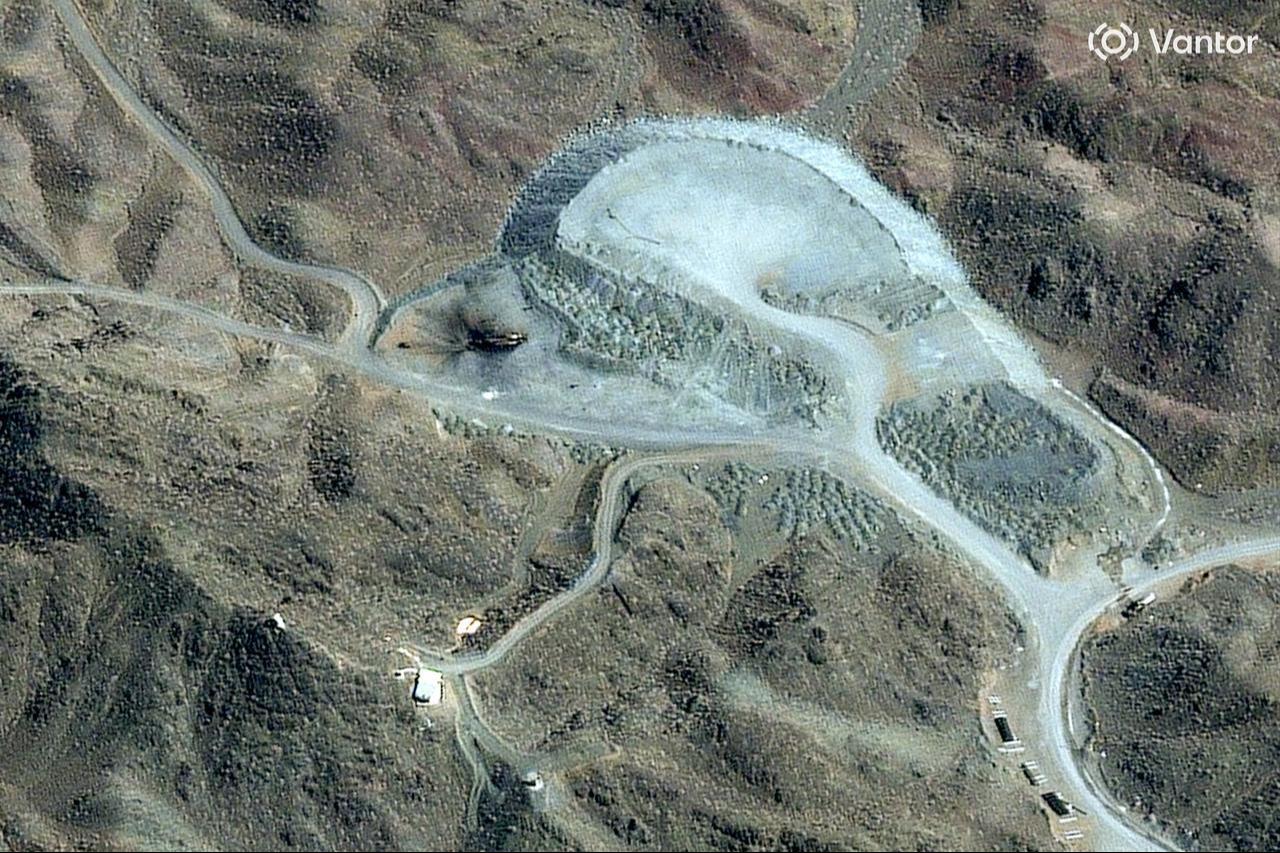
American intelligence agencies determined that Iran or potentially another group could retrieve Iran's primary store of highly enriched uranium even though it was entombed under the country's nuclear site at Isfahan by U.S. strikes last year, the New York Times reported, citing multiple officials familiar with classified reports.
Officials said Iran could now reach the uranium through a very narrow access point. It was unclear how quickly Iran could move the uranium, which is in gas form and stored in canisters.
U.S. officials said American spy agencies maintained constant surveillance of the Isfahan site and had a high degree of confidence they could detect and react to any attempt to move the material.
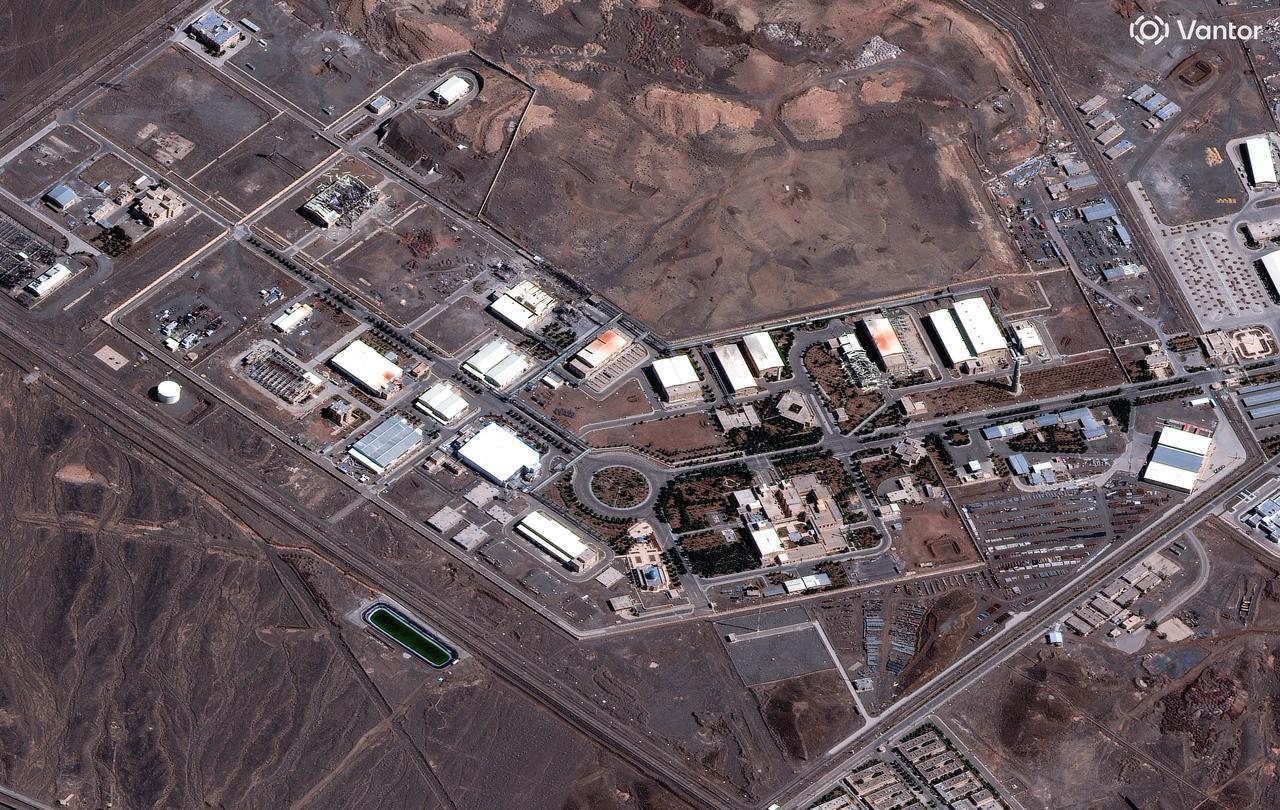
Iran's stockpile of approximately 450 kilograms (970 pounds) of 60% enriched uranium, convertible to weapons-grade, is one key to Trump's stated war objective of preventing Iran from ever obtaining a nuclear weapon. If the entire stockpile reached 90% purity, it would be enough material for 11 nuclear bombs.
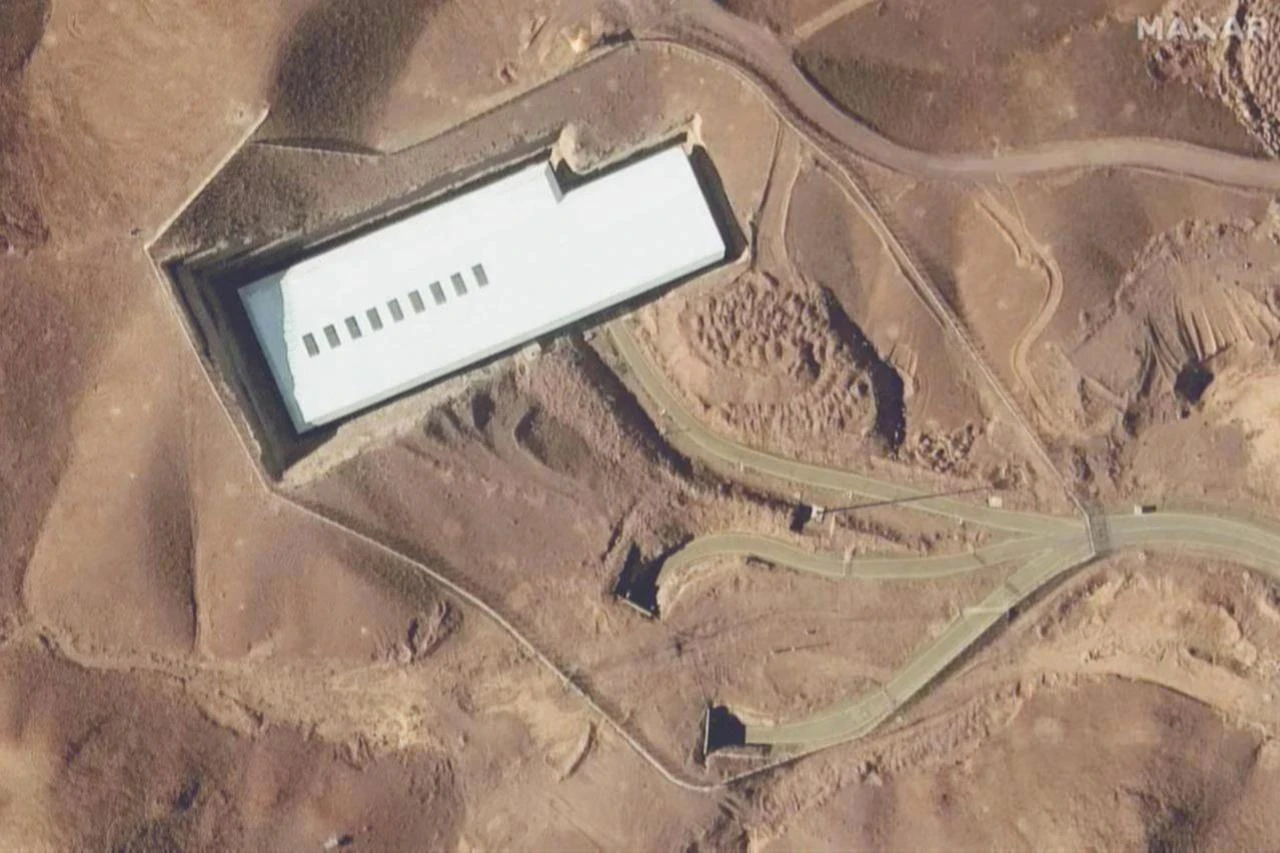
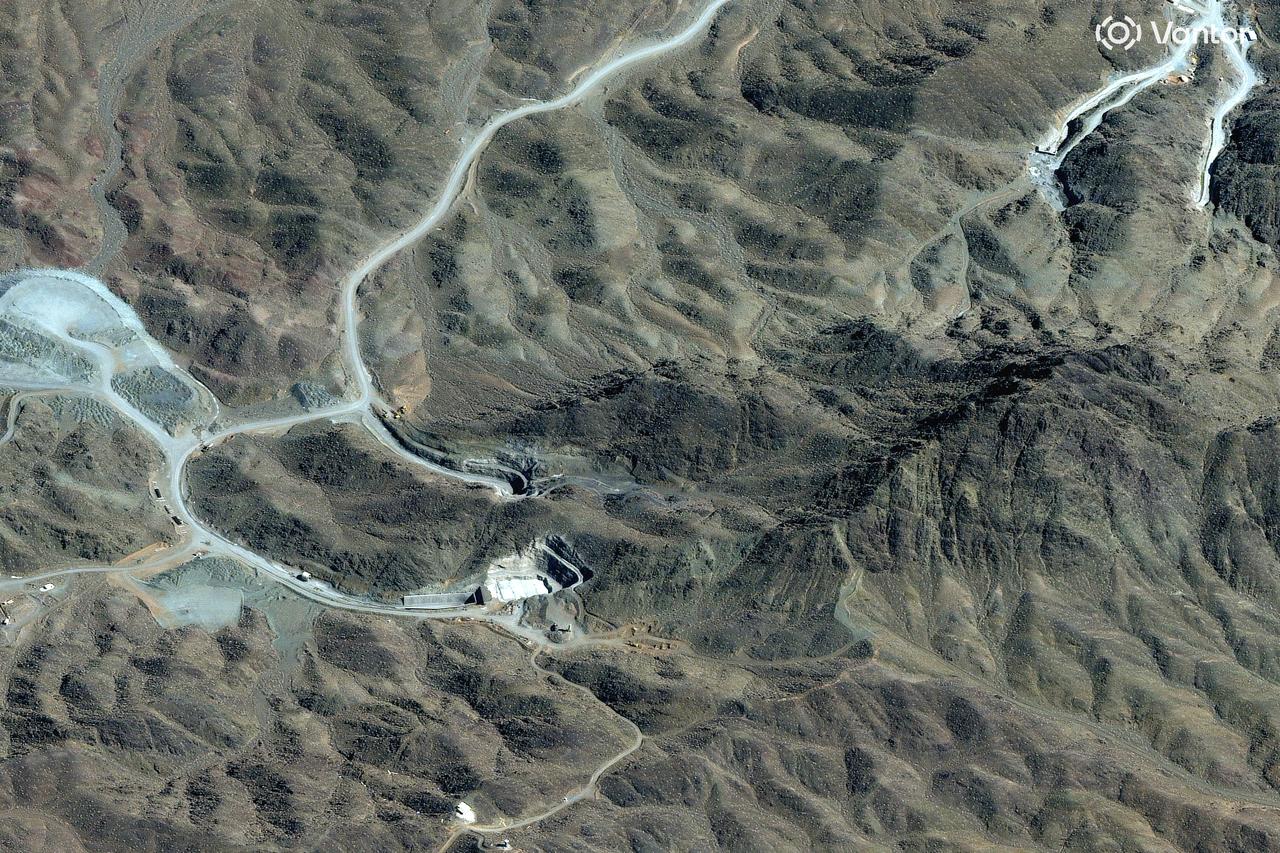
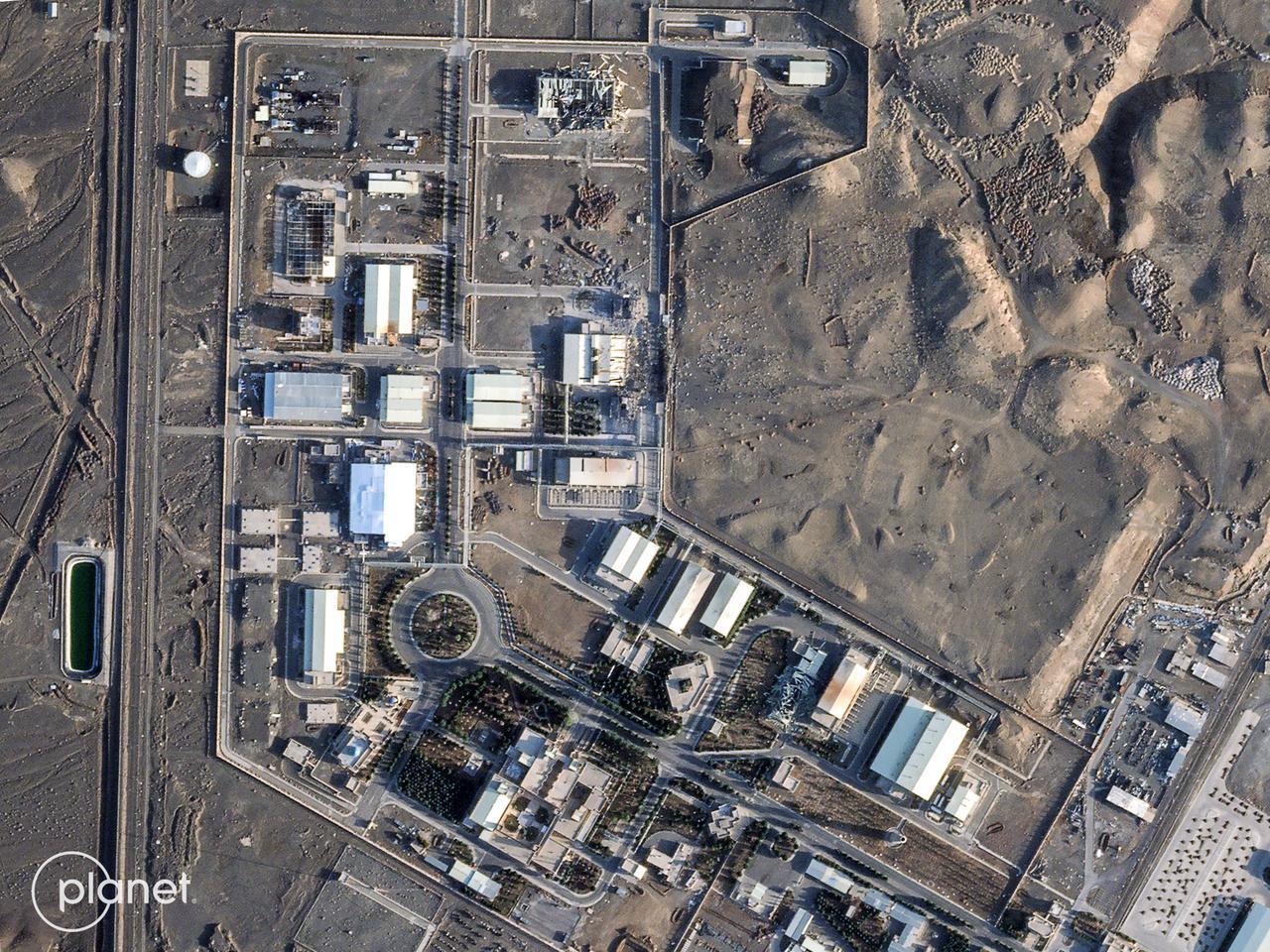
U.S. and Israeli officials said most of the stockpile sits in underground tunnels at Isfahan, with the rest split between Fordow and Natanz.
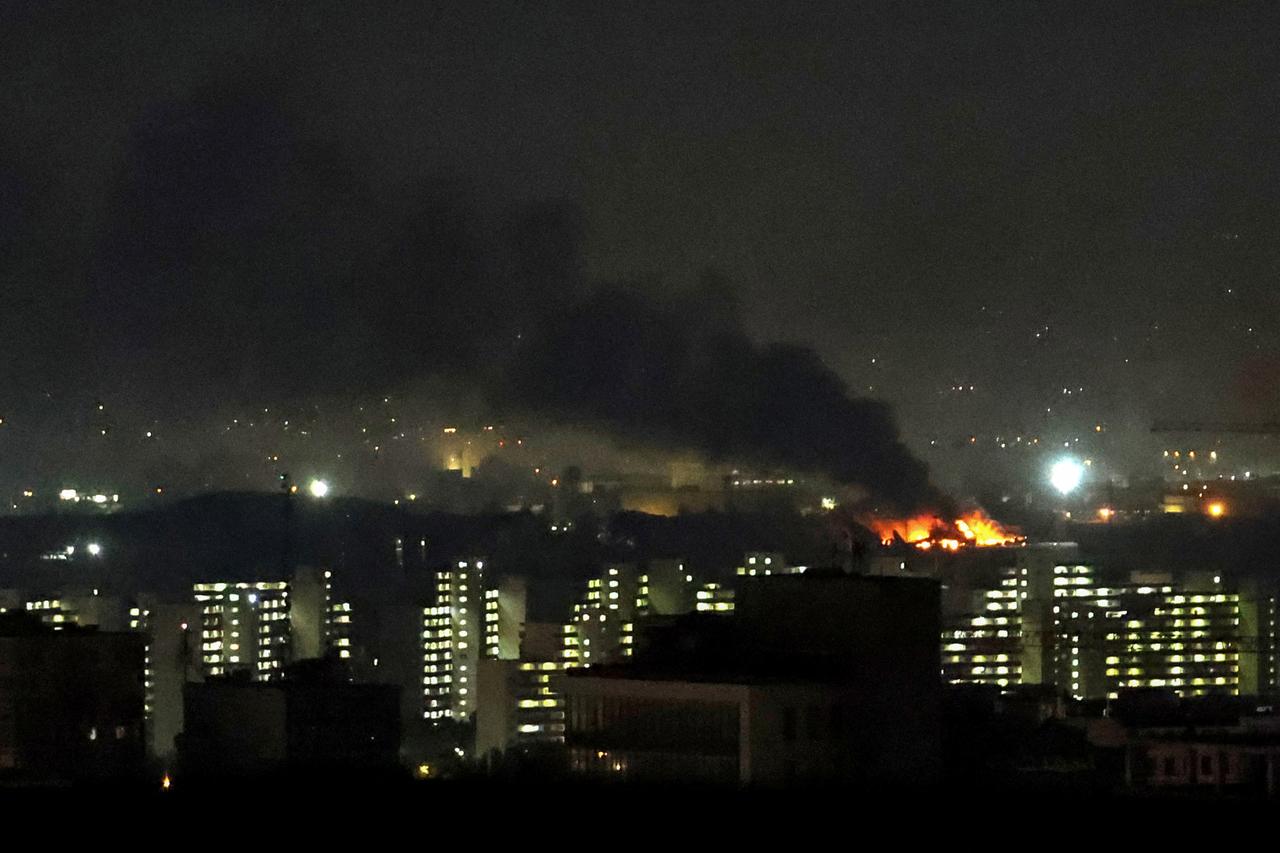
In the opening days of the war, strikes on Natanz and Isfahan appeared aimed at sealing the entrances to prevent the movement of material.
The U.S.-Israeli strikes last June claimed to have destroyed nearly all of Iran's centrifuges, and there was no evidence enrichment had resumed.
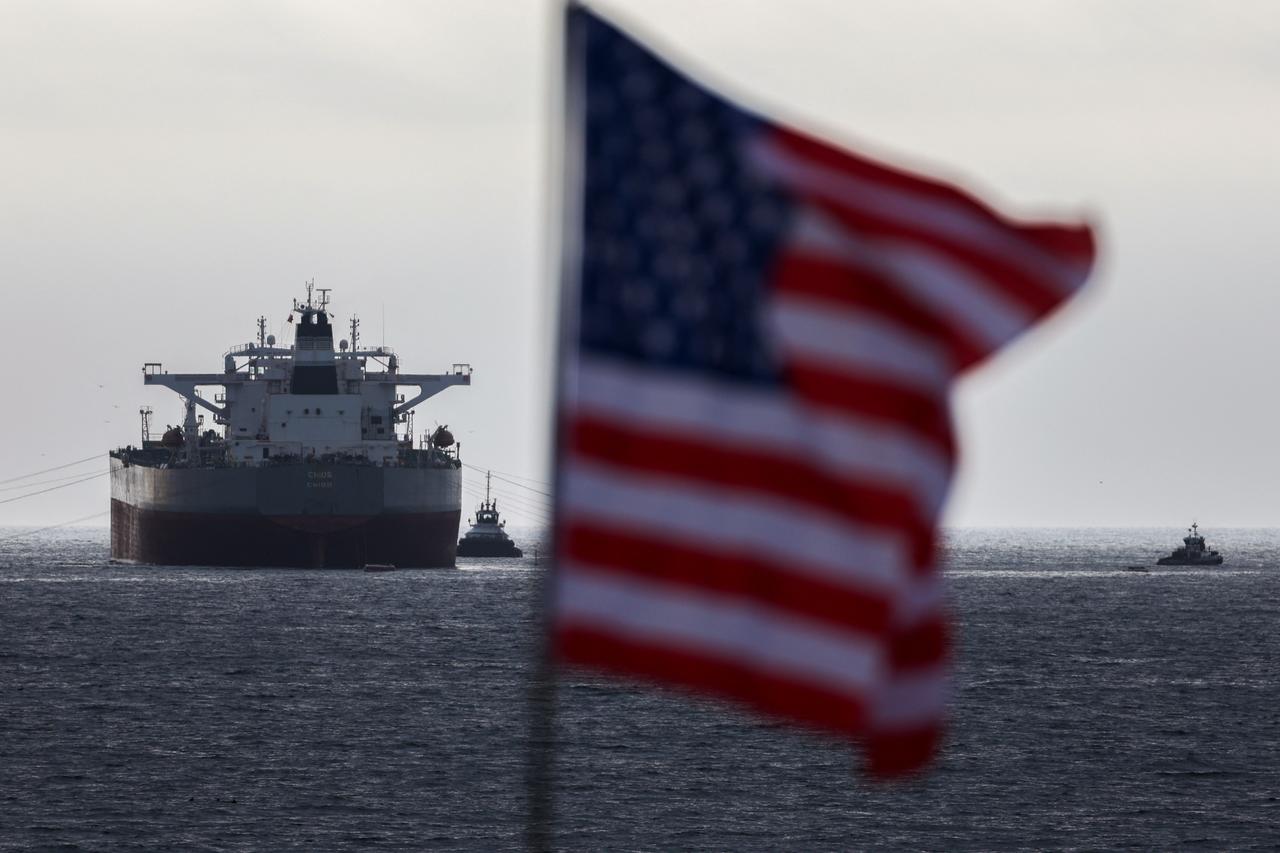
Beyond the uranium, administration officials told Axios there had also been discussion of seizing Kharg Island, a strategic terminal responsible for roughly 90% of Iran's crude oil exports.


 Set as preferred source
 Set as preferred source


 1 min read
 1 min read