

 Newsletters


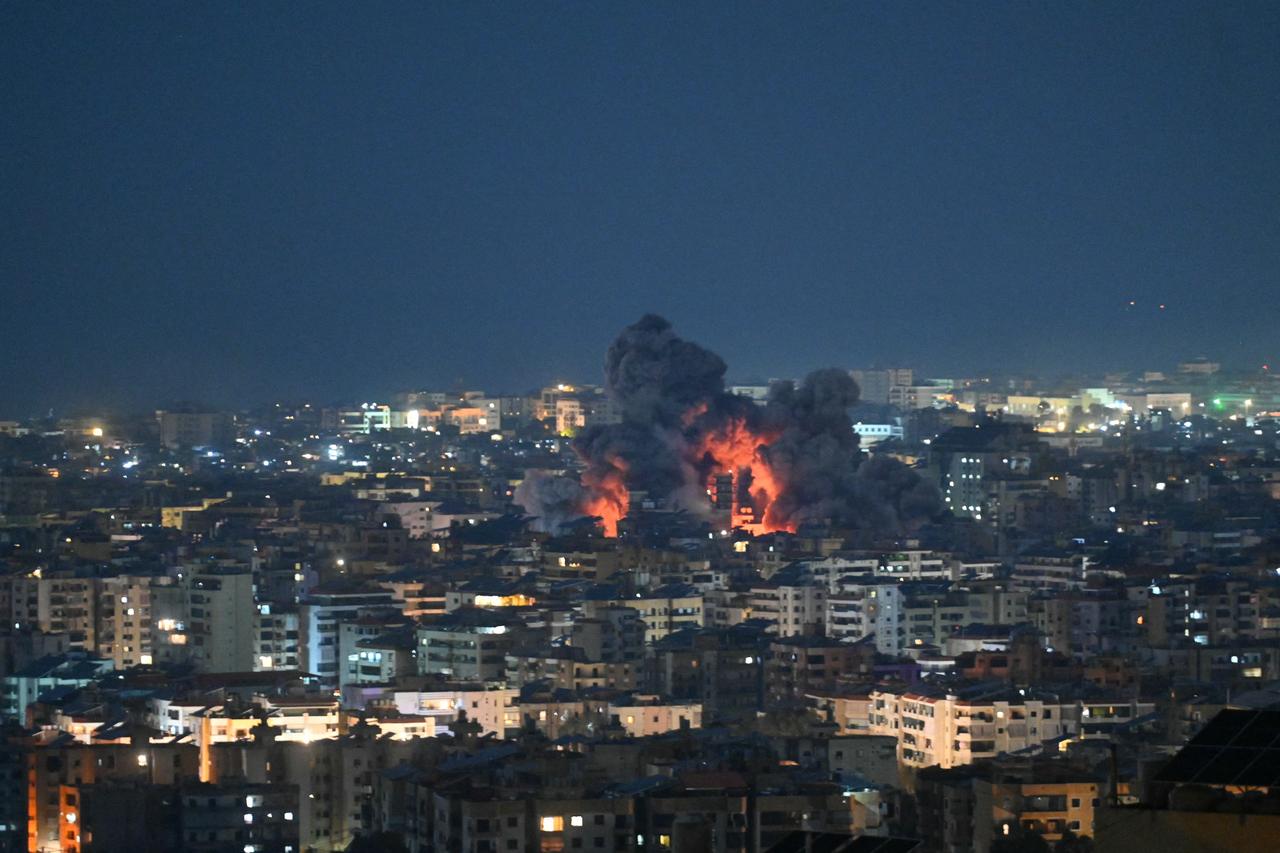


Iran nuclear talks officially collapsed on Feb. 28 after U.S. strikes as Washington said Tehran rejected a proposed 10-year halt to uranium enrichment, as U.S. special envoy Steve Witkoff said Iranian negotiators boasted they had enough 60% enriched uranium to build "11 nuclear bombs."
Witkoff said in an interview with Fox News that Iran’s top negotiators told the U.S. side in the first round of negotiations earlier this year that they controlled "460 kilograms of 60% enriched uranium" and "they're aware that could make 11 nuclear bombs."
"In that first meeting, both the Iranian negotiators said to us directly, with no shame, that they controlled 460 kilograms of 60% enriched uranium and that they're aware that could make 11 nuclear bombs," Witkoff said.
The U.S. also asserts it obliterated Iran’s nuclear facilities, which would limit Iran's ability to turn that stockpiled material into a bomb.
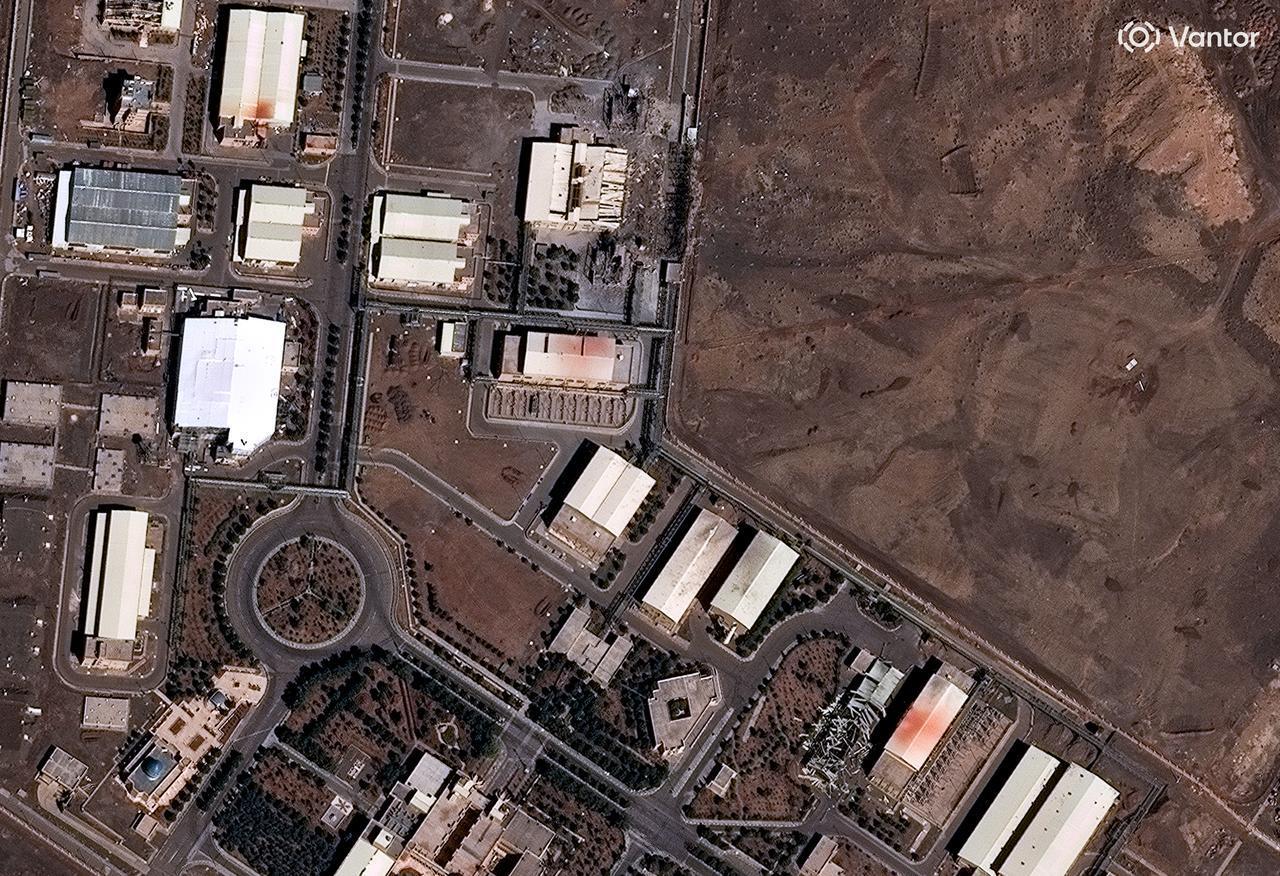

Witkoff said the Iranian negotiators "were proud that they had evaded all sorts of oversight protocols to get to a place where they could deliver 11 nuclear bombs."
He said the negotiators also claimed to have "an inalienable right" to enrich nuclear fuel. "We responded that the president feels we have the inalienable right to stop you dead in your tracks," Witkoff noted.
"Jared and I just sort of looked at ourselves flummoxed, and said, ‘We’re really in for it now,’" he added.
Witkoff reiterated his claim that the highly enriched uranium Iran has stockpiled could be turned into weapons-grade uranium within a week or 10 days, while noting this would require nuclear facilities that the U.S. says it destroyed in strikes last year.
Witkoff said U.S. President Donald Trump dispatched him and Jared Kushner to hold talks aimed at a deal in which Tehran would eliminate its missile program, cease its support for proxies, eliminate its navy "so we can have freedom of the seas," and cease its nuclear enrichment.
"We went in there and tried to make a fair deal with them, and it was very, very clear that it was going to be impossible, probably by the end of the second meeting, but we then went back for the third meeting just to give it the last college try," Witkoff stated.
"They wanted us to report positivity. It was not positive that meeting," he added.
U.S. Vice President JD Vance also stated Monday that negotiations with Iran over its nuclear program collapsed after U.S. officials concluded Tehran’s claims "did not pass the smell test," prompting Trump to authorize Operation Epic Fury.
Speaking on “Jesse Watters Primetime,” Vance said U.S. envoys, including Witkoff, Secretary of State Marco Rubio, and Kushner, conducted rounds of talks in Geneva aimed at curbing Iran’s nuclear program in exchange for sanctions relief and averting a broader conflict.
"But the Iranians would come back to us and they’d say, ‘Well, you know, having enrichment for civilian purposes, for energy purposes, is a matter of national pride,’" Vance stated.
Vance said U.S. officials questioned why Iran would build enrichment facilities ""70 feet underground" while enriching uranium to 60% purity levels.
"And so we would say, ‘OK, that’s interesting, but why are you building your enrichment facilities 70 feet underground? And why are you enriching to a level that’s way beyond civilian enrichment and is only useful if your goal is to build a nuclear bomb?’" he noted.
"Nobody objects to the Iranians being able to build medical isotopes; the objection is these enrichment facilities that are only useful for building a nuclear weapon," Vance added.
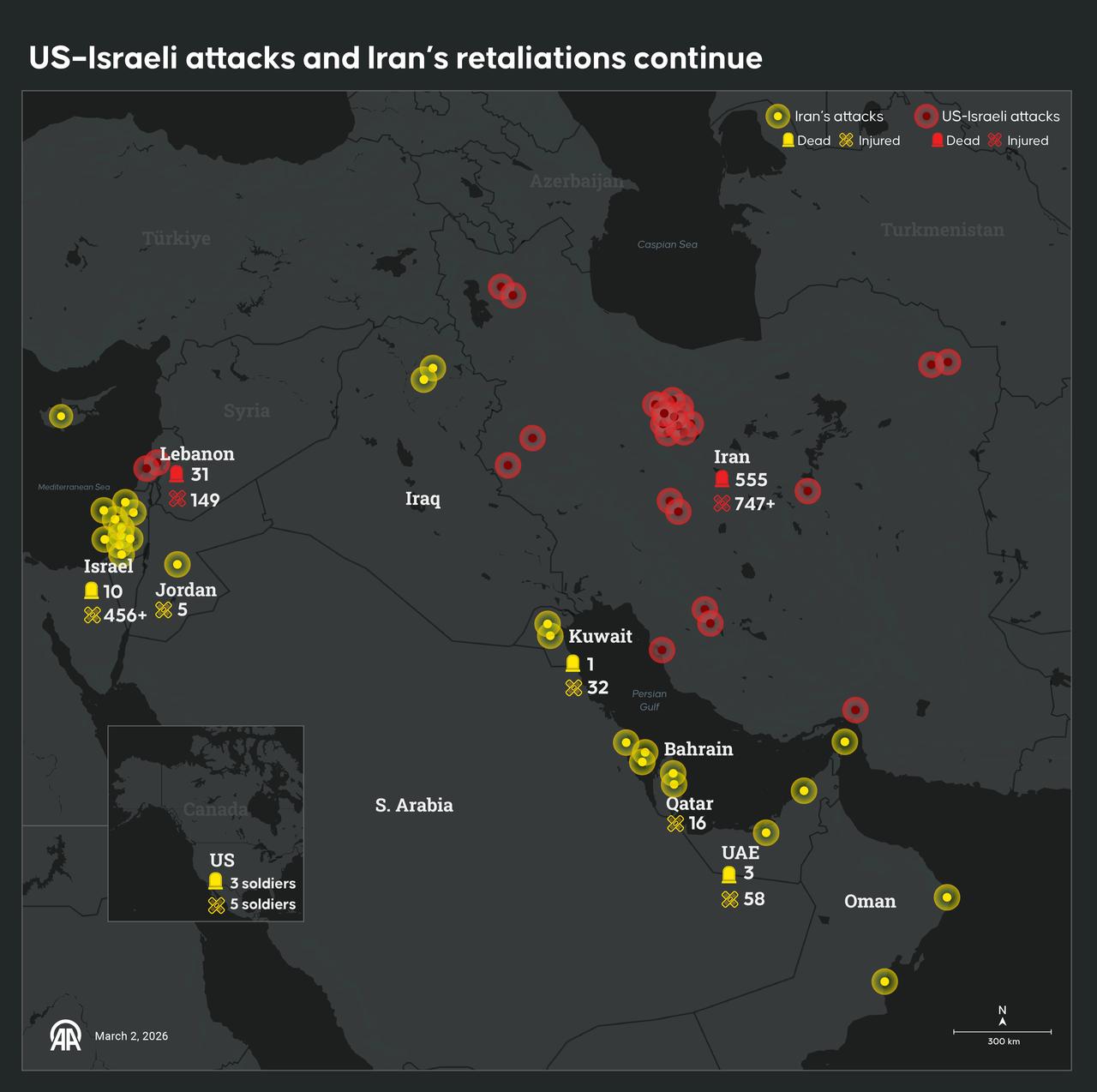
The said Operation Epic Fury was launched Feb. 28, with U.S. and Israeli forces carrying out coordinated precision strikes inside Iran aimed at crippling Tehran's missile arsenal and nuclear infrastructure.
Witkoff said the collapse of the talks led to Trump's announcement of joint U.S.-Israeli strikes on Iran. Trump urged Tehran to make concessions, saying Friday in Texas, "They should make a deal, but they don’t want to go quite far enough," and, "They don’t want to say the key words: ‘We’re not going to have a nuclear weapon.’"
Six U.S. service members have been killed in the military operation against Iran, U.S. Central Command announced, with identities held for 24 hours after next-of-kin notification.


 Set as preferred source
 Set as preferred source


 1 min read

 1 min read



