Newsletters


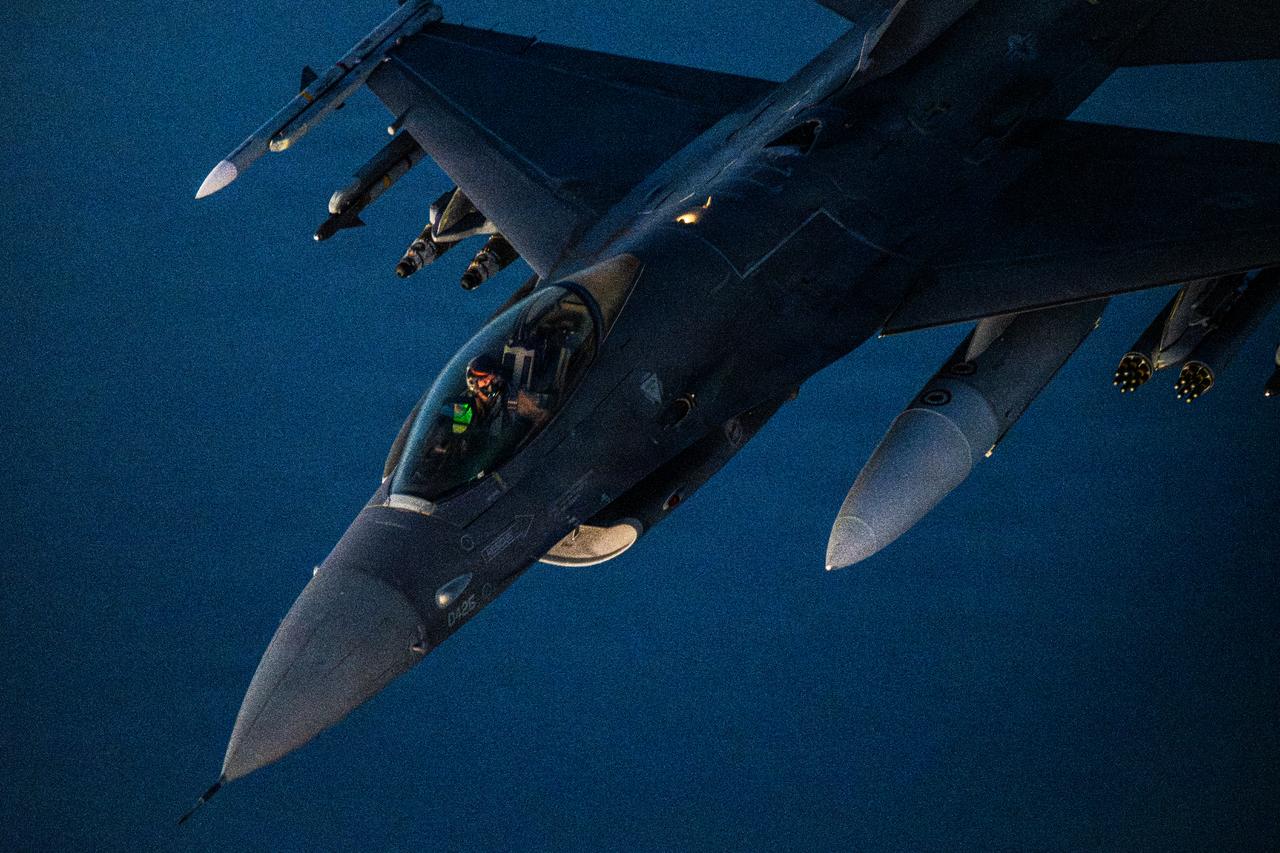


U.S. Central Command (CENTCOM) announced Sunday that American forces shot down two Iranian one-way attack drones threatening international maritime traffic in the Strait of Hormuz.
The incident marked the sixth and seventh Iranian drones downed by U.S. forces within 24 hours as the war between Washington and Tehran entered its 100th day with no deal in sight.
"Earlier today, U.S. forces in the Middle East shot down two Iranian one-way attack drones that threatened international maritime traffic in the Strait of Hormuz," CENTCOM wrote on X.
"American forces remain postured and ready to continue defending against Iranian aggression," the statement added.
The announcement came hours after CENTCOM said it had destroyed four other Iranian attack drones launched toward the strait on Friday, then conducted strikes on Iranian coastal surveillance radar sites at Sirik and Qeshm Island.
The sequence began with CENTCOM downing four Iranian attack drones and striking the radar installations. Iran's Islamic Revolutionary Guard Corps (IRGC) then fired missiles at U.S. bases in the region, while separately launching seven ballistic missiles toward Bahrain and Kuwait, six of which were intercepted, with one falling short.
Bahrain, which hosts the headquarters of the U.S. Fifth Fleet, called the missile strikes "blatant aggression." Kuwait described them as "a dangerous escalation."
Saudi Arabia and other countries condemned the attacks in the strongest terms.
Iran's Foreign Ministry condemned the U.S. radar strikes as a "flagrant ceasefire violation" and an attack on its national sovereignty, holding Washington responsible for all consequences.
The IRGC said it targeted "enemy bases in the area" in response.
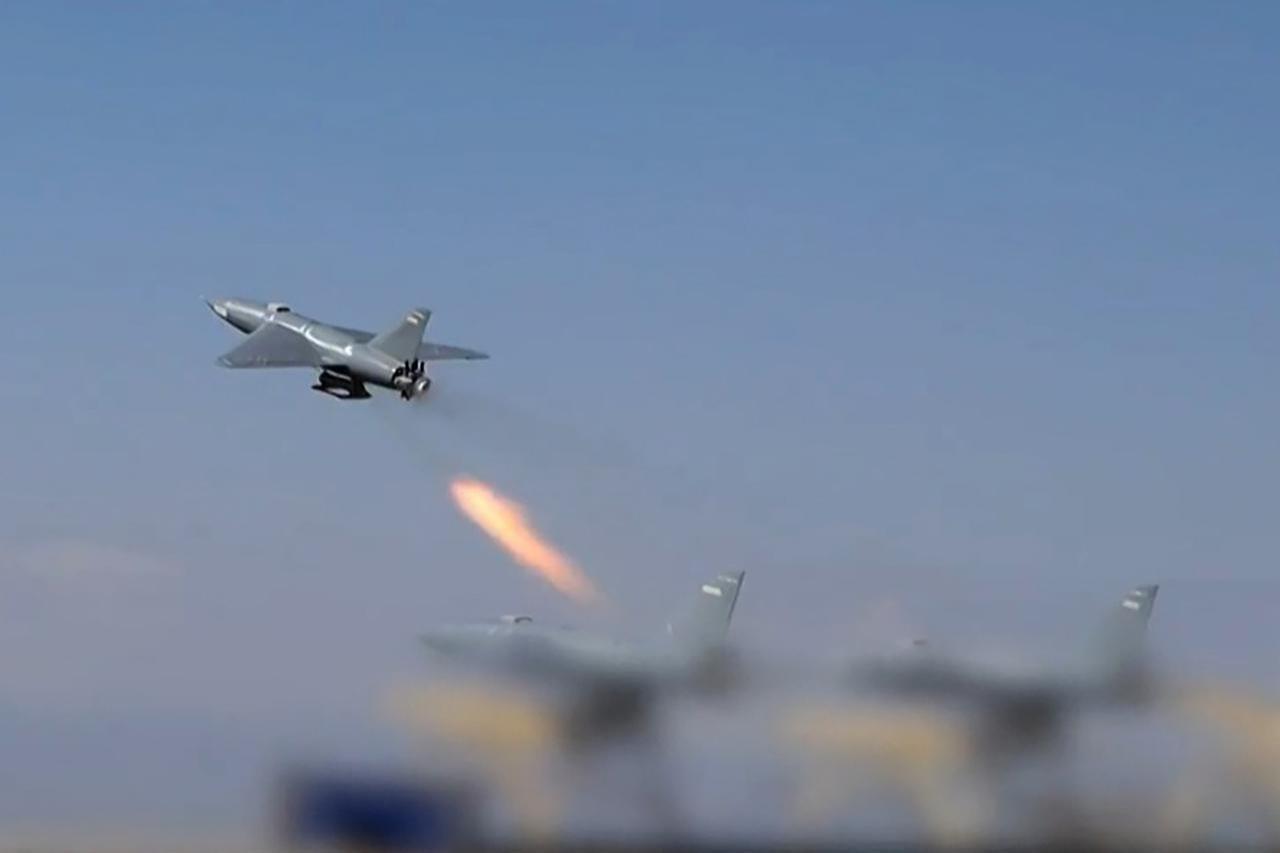

Regional tensions have escalated after the U.S. and Israel launched airstrikes on Iran in late February, triggering a cycle of retaliatory attacks that widened instability across the region.
Iran, in retaliation, subsequently launched strikes against Israel and targeted countries hosting U.S. military bases, while also disrupting shipping through the strait, a critical route for global energy supplies.
A ceasefire later took effect, though diplomatic efforts to secure a broader agreement have continued. Weeks of indirect talks have failed to produce a deal to end the conflict or reopen the Strait of Hormuz, a critical chokepoint for Gulf oil and gas shipments.
Before the war, approximately 20% of global oil production flowed through the waterway. Iran controls its northern side and has kept it effectively closed since the war began.
Neither Washington nor Tehran has formally declared the ceasefire over, but both have continued to exchange strikes while accusing the other of violations.


 Set as preferred source
 Set as preferred source


 2 min read