Newsletters


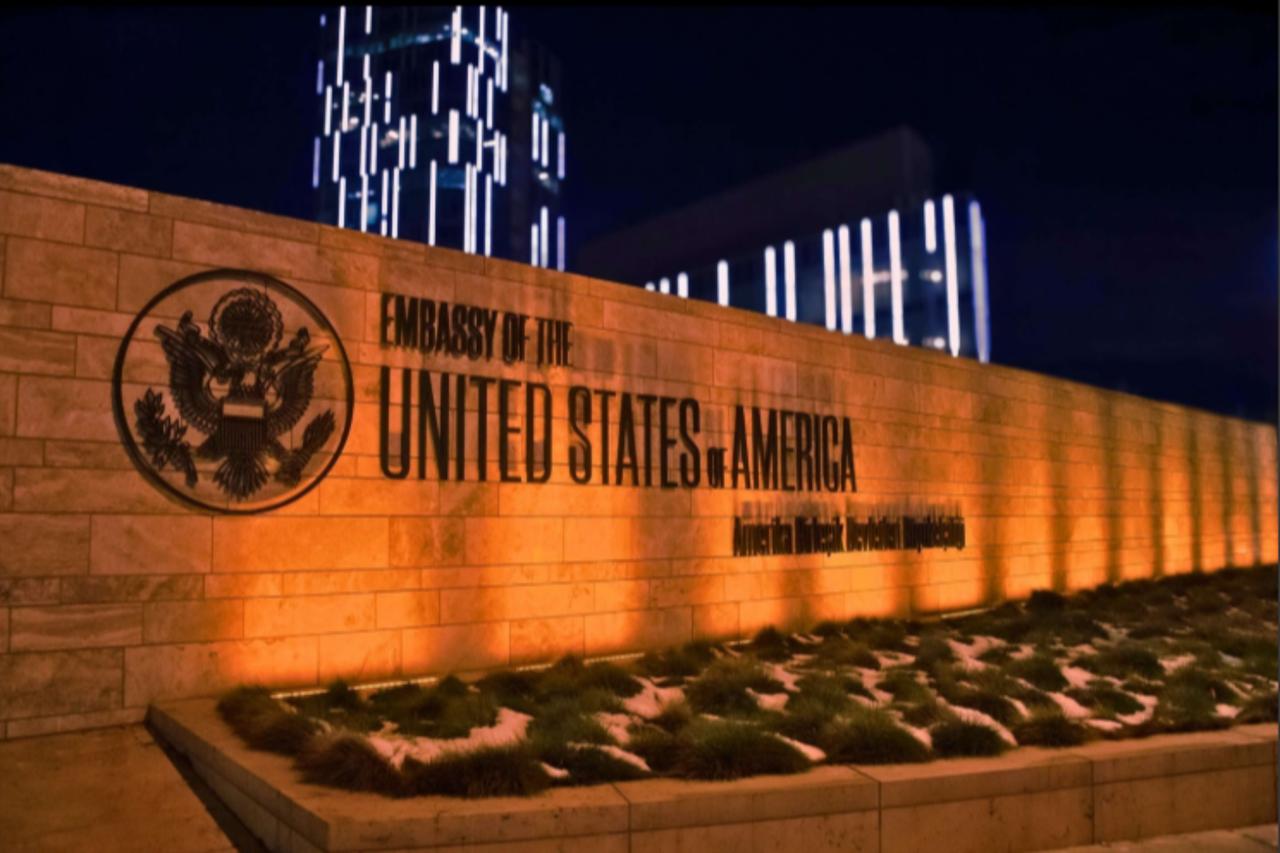


The U.S. Embassy in Türkiye issued a security alert on Saturday instructing American government personnel to avoid the country's 22 southeasternmost provinces and urging all U.S. citizens to exercise heightened caution, as joint American and Israeli military strikes on Iran sent shockwaves across the Middle East and raised fears of anti-Western backlash on Turkish soil.
The alert, issued Feb. 28, barred U.S. government personnel from traveling to the Adana consular district, a vast swath of southeastern Türkiye that borders Iran, Iraq and Syria, and includes major cities such as Gaziantep, Diyarbakir, Sanliurfa and Van. The embassy warned that "negative sentiment toward U.S. foreign policy may prompt actions against U.S. or Western interests in Türkiye, such as demonstrations and anti-U.S. rhetoric."
The Adana consular district, administered from the U.S. Consulate in Adana, is one of the largest American diplomatic jurisdictions in Türkiye. It encompasses the country's entire land border with Iran, Iraq and Syria, placing it in direct proximity to the military operations unfolding across the region. Other major population centers in the district include Mersin, along with Gaziantep, Sanliurfa, Diyarbakir and Van.
The embassy cautioned Americans to keep a low profile and exercise particular care at locations publicly associated with the United States or Israel, or those frequented by Westerners. It also warned that military activity in the broader Middle East could disrupt international travel, including flights to and from Türkiye.
The alert noted that any large gathering, "even those intended to be peaceful, could escalate and turn violent on short notice," and advised Americans to avoid all protests and demonstrations. Citizens were told to prepare emergency plans, follow local authorities' instructions and monitor local media.
 1 min read
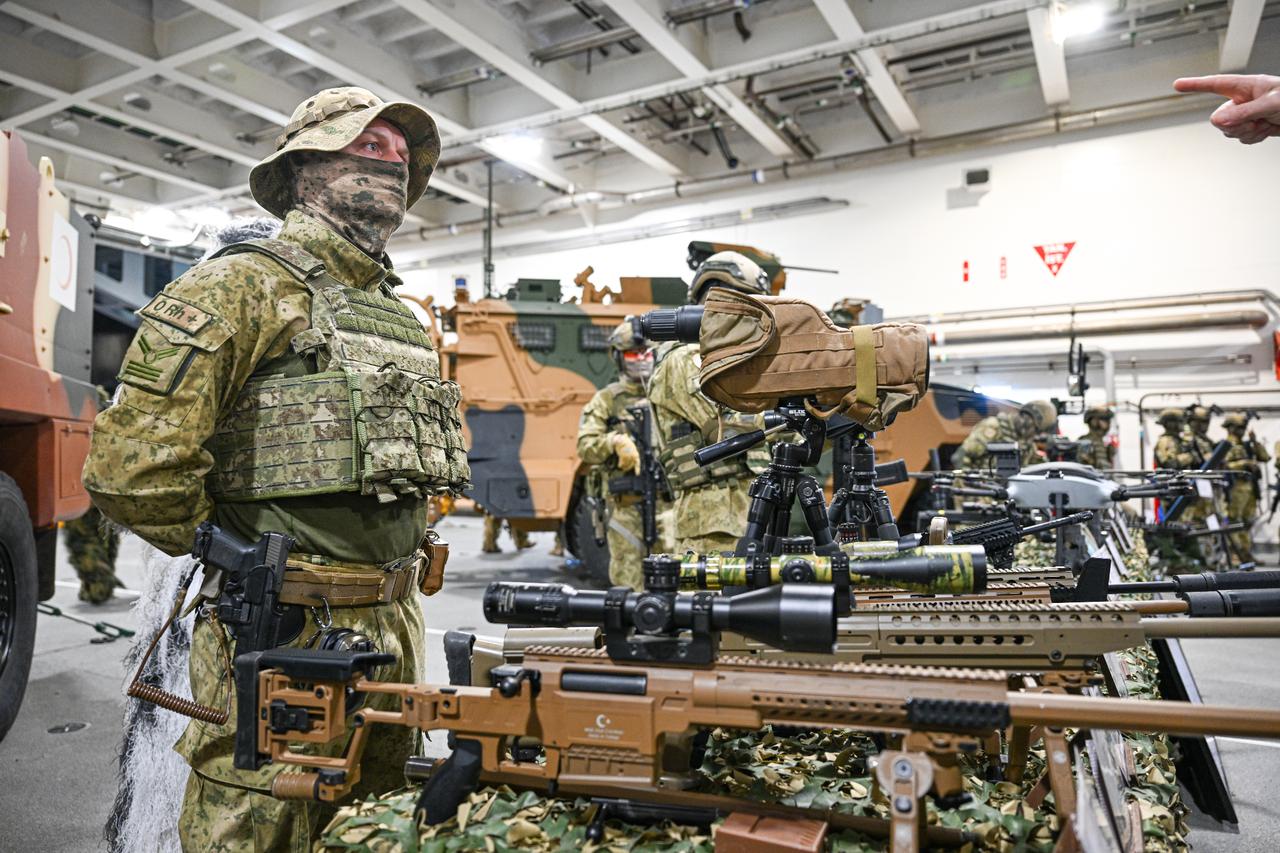
The security warning arrived on the same day the United States and Israel launched what President Donald Trump described as "major combat operations" against Iran. The joint operation, codenamed "Operation Epic Fury" by the U.S. Department of Defense, targeted locations in Tehran, Isfahan, Qom, Karaj and Kermanshah. Trump said Iran had repeatedly refused to give up its nuclear ambitions, prompting the military action.
In retaliation, Iran launched dozens of ballistic missiles targeting Israel and U.S. military bases in Jordan, Syria, Kuwait, Bahrain, Qatar, Saudi Arabia and the United Arab Emirates. The Houthis in Yemen also threatened to resume attacks against Israel and U.S. shipping interests in the Red Sea and the Gulf of Aden.
The strikes followed weeks of escalating tensions. Beginning in late January 2026, the United States had carried out its largest military buildup in the Middle East since the 2003 invasion of Iraq. The Pentagon deployed two aircraft carrier strike groups, more than 100 fighter jets and hundreds of support aircraft to the region.
Saturday's alert is not the first time the U.S. Embassy has restricted personnel travel to the Adana district in response to regional unrest. In June 2025, during an earlier phase of U.S.-Iran tensions, the embassy issued a nearly identical advisory cautioning Americans to avoid the same 22 provinces. That restriction was lifted on July 1, 2025, after conditions improved.


 Set as preferred source
 Set as preferred source



 1 min read