Sign in
 Newsletters


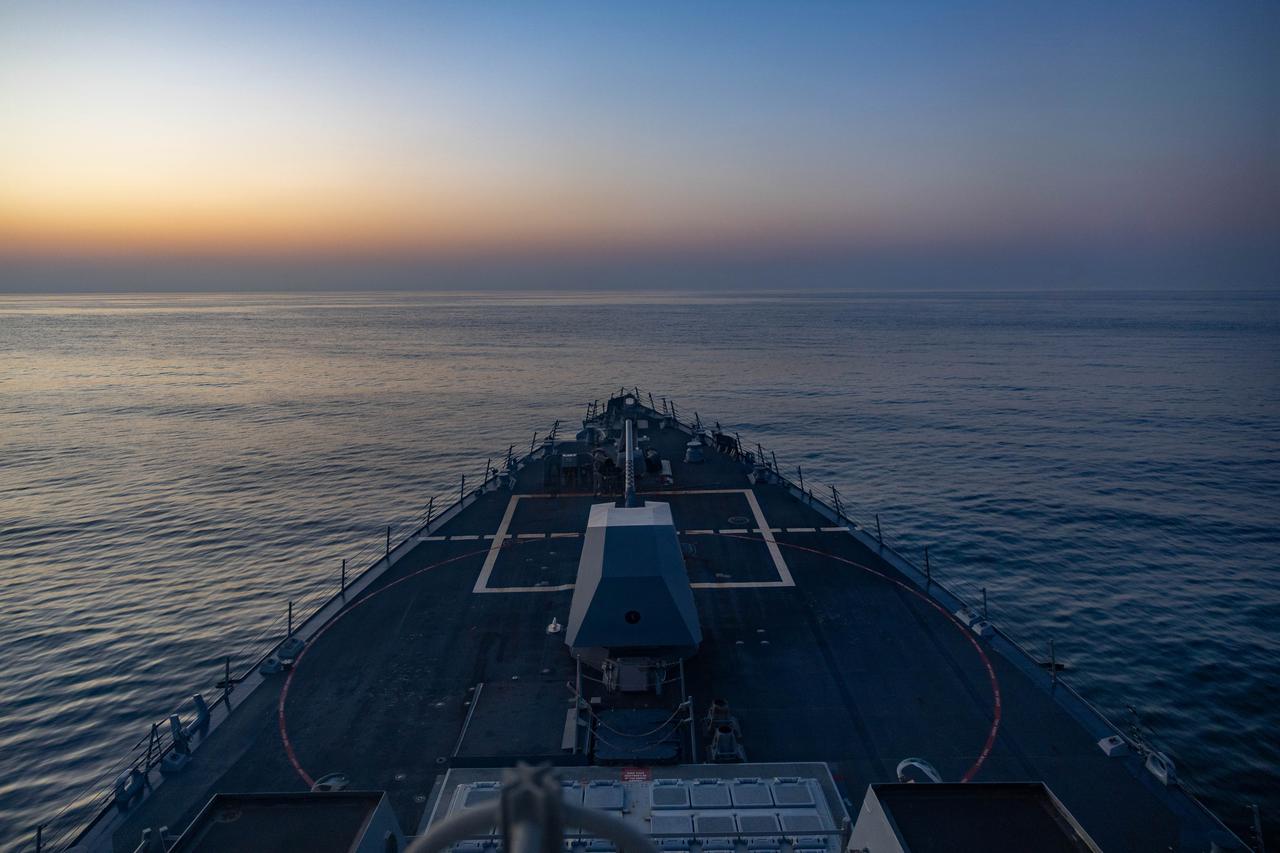
The U.S. military has expanded enforcement of its naval blockade of Iran, warning that any ship receiving Iranian cargo through ship-to-ship transfers may be stopped, boarded, diverted, or seized even if it never enters Iranian ports, according to a U.S. Naval Forces Central Command advisory dated Nov. 18.
"Any ship that receives cargo via a ship-to-ship transfer with a vessel subject to the blockade and carrying cargo loaded at an Iranian port or coastline may be considered to be evading the blockade, even if it has not entered Iranian ports or the Iranian coastline," the NAVCENT Naval Cooperation and Guidance for Shipping (NCAGS) update said.
"Such ships may be stopped, boarded, diverted, captured, or directed to proceed to the Iranian port where the cargo originated. Ships that do not immediately comply with lawful directions from blockade and/or boarding forces may be subject to enforcement measures, including the use of force consistent with applicable law," it said.
The Joint Maritime Information Center kept the regional maritime threat level at "severe," warning that "further deliberate hostile activity" is likely.
Mariners should expect sustained naval presence, increased IRGC hailing and monitoring, and "possible attacks on AIS-transmitting vessels," the center said.
The advisory said vessels transiting the blockade area should keep a 30-nautical-mile standoff from U.S. units to avoid being mistaken for a threat. "Failure to immediately comply may result in rapid escalation to disabling or destructive fire," it said.
The blockade does not impede neutral transit through the Strait of Hormuz to or from non-Iranian destinations, though neutral vessels may be subject to visit and search for contraband, according to the document.

Humanitarian shipments of food, medical supplies and other goods essential for civilians will be permitted after vetting, NAVCENT said.
The update added requirements for a list of all crew and scanned passports of all crew members to the 14 items ships must already submit, including vessel name, IMO number, cargo description, and bill of lading.
"Today marks 130 consecutive days of America's blockade against Iran," U.S. Central Command (CENTCOM) said on X on Nov. 21, saying forces were "preventing Iran's Islamic Revolutionary Guard Corps (IRGC) from exporting billions of dollars in crude oil."
U.S. President Donald Trump announced the blockade on July 13, and CENTCOM began enforcement on July 14 at 2000 GMT, covering all Iranian ports and coastlines.
Iranian Deputy Foreign Minister Kazem Gharibabadi said Saturday that Tehran considers the economic blockade "an act of war," as Washington widened its Iran blockade.


 Set as preferred source
 Set as preferred source


 3 min read