Newsletters


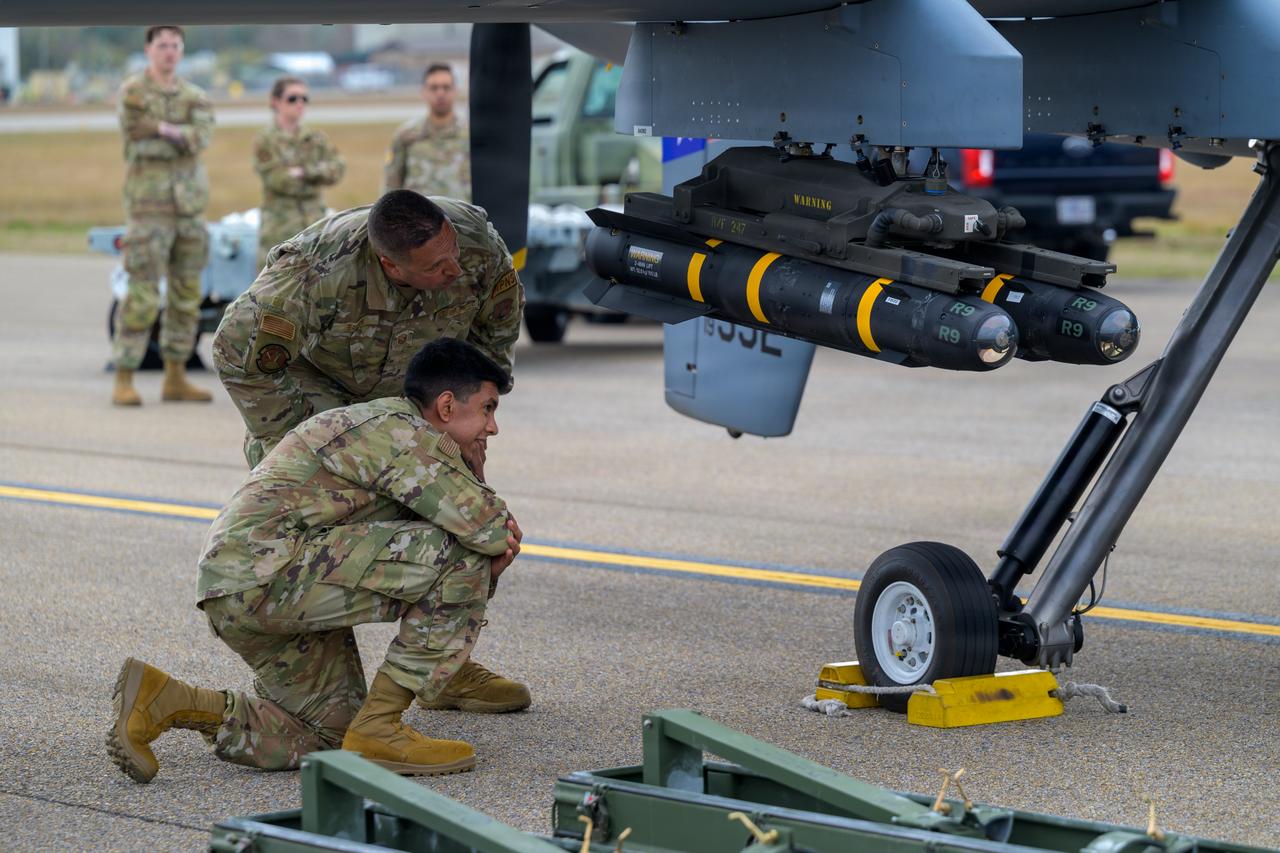


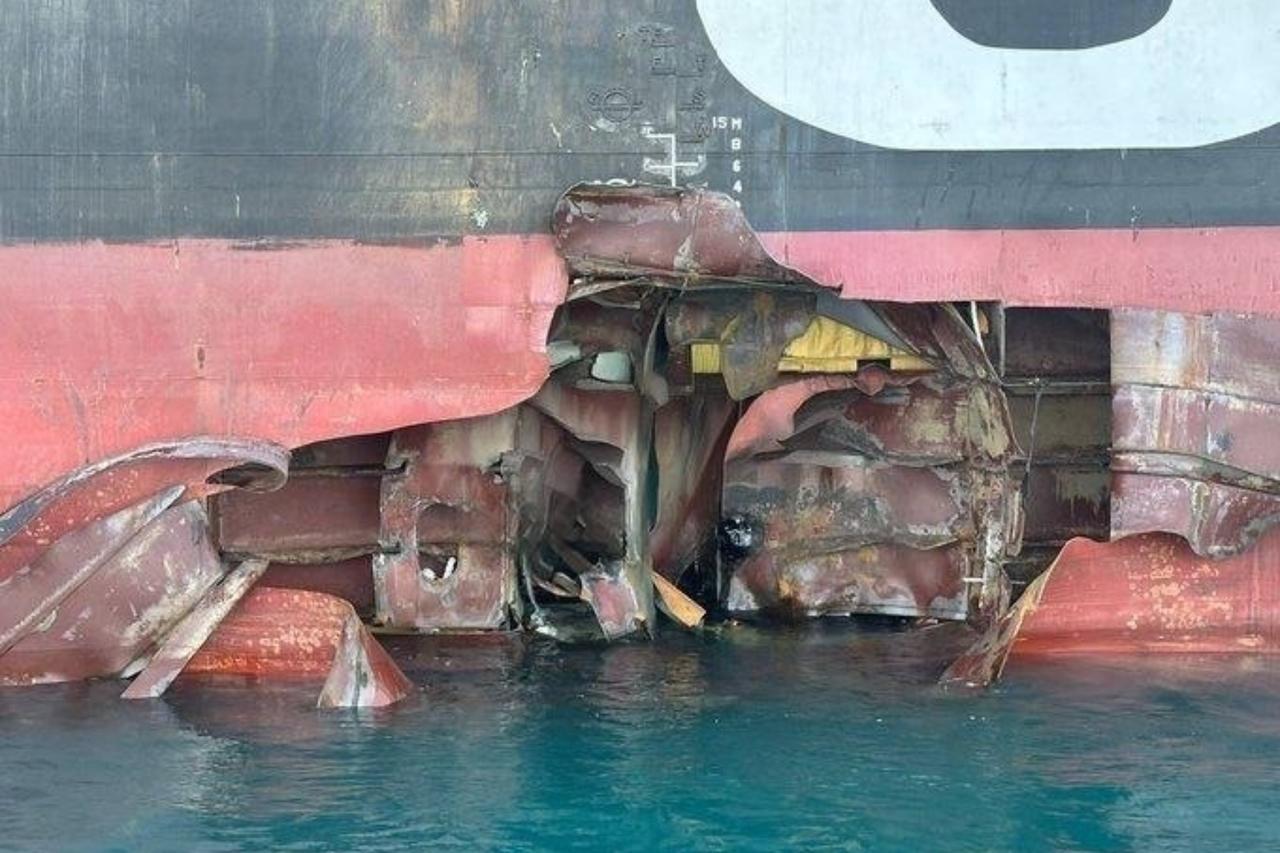
A U.S. military aircraft fired a Hellfire missile into the engine room of an oil tanker in the Arabian Gulf on Tuesday, disabling the vessel after its crew repeatedly ignored warnings not to proceed toward an Iranian port, U.S. Central Command announced.
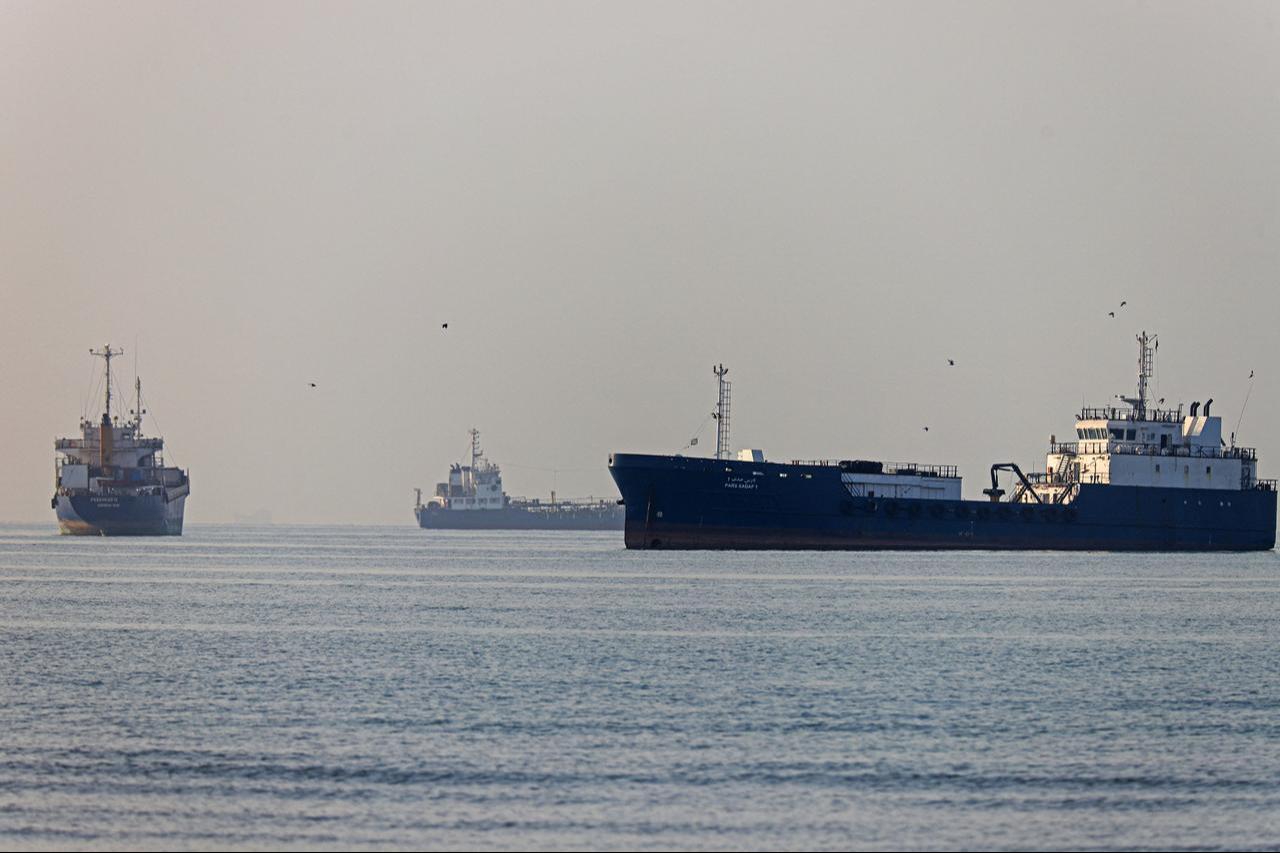
The strike on the Botswana-flagged M/T Lexie, which was sailing without cargo toward Kharg Island, marks the sixth commercial vessel disabled since American forces began enforcing a naval blockade of Iranian ports on April 13. CENTCOM said U.S. forces had issued repeated instructions to the ship over a 24-hour period before the military took action.
CENTCOM said U.S. forces have now disabled six commercial vessels and redirected 122 others since the blockade took effect. The Lexie was transiting international waters when it was intercepted.
Kharg Island, a small coral island in the northern Persian Gulf, serves as the terminal for roughly 90 percent of Iran's crude oil exports. Its deepwater berths allow supertankers to dock and load directly, making it the centerpiece of Iran's petroleum export infrastructure, and a focal point of the ongoing U.S. enforcement effort.

CENTCOM announced the blockade on April 12, saying it would take effect the following day under a presidential proclamation. The operation was launched after ceasefire negotiations in Pakistan ended without a deal.
American officials said at the time that the blockade would apply to all vessels of all nations entering or departing Iranian ports, while international shipping transiting the Strait of Hormuz to non-Iranian destinations would be permitted to continue.
The ceasefire between the United States and Iran, brokered by Pakistan on April 8, remains nominally in effect, though peace negotiations have been severely strained. Iran suspended talks with Washington in protest over Israeli military operations in Lebanon, an Iranian official told reporters in recent days. President Donald Trump has said the talks were continuing.
The blockade has added acute pressure to an already fragile diplomatic situation. Iran's suspension of negotiations came as fighting escalated in Lebanon, and Tehran accused those actions of violating the terms of the ceasefire. The broader conflict has drawn in regional actors and strained global energy markets, with the Strait of Hormuz, through which a significant share of the world's oil and liquefied natural gas flows, remaining a central point of contention.
CENTCOM has not released information about the condition of the Lexie's crew following Tuesday's strike.


 Set as preferred source
 Set as preferred source


 1 min read
 1 min read