Newsletters


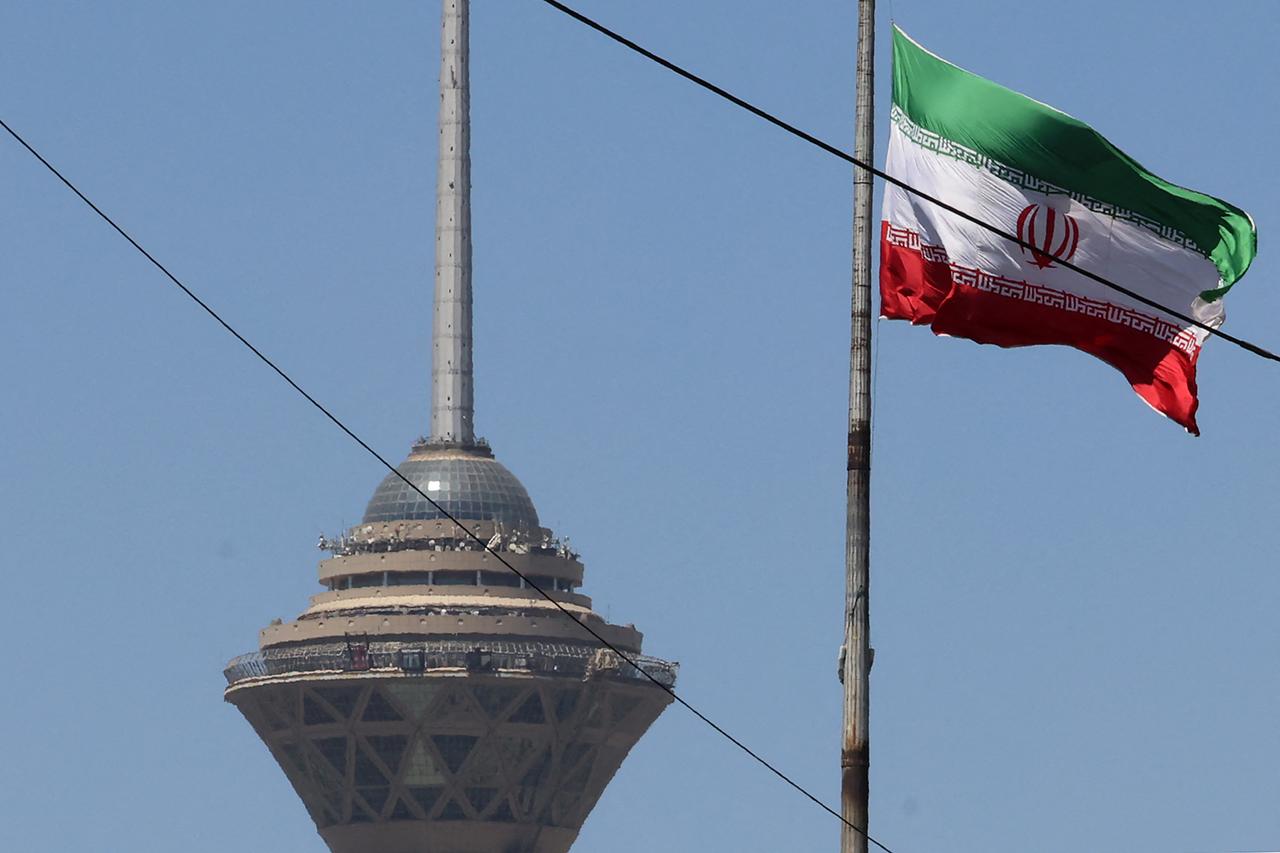


Iran could walk away from a proposed agreement with the U.S. unless the blockade on Iranian ports is lifted and Tehran's frozen funds are made available, a member of the negotiating team warned Saturday, underscoring the conditions Iran considers essential for moving ahead with the deal.
Saeed Ajorlou, a member of the media committee of Iran's negotiating team, said Tehran had not yet approved the final draft of the agreement as of Friday night, although only limited differences remained between the two sides.
"If they do not lift the maritime blockade, we can leave the agreement. If they do not make those funds available to us, we can leave the agreement," Ajorlou told Iranian state television.
The proposed agreement includes provisions allowing Iran to withdraw if key commitments are not fulfilled, Ajorlou asserted. He said the mechanism would apply to several potential violations, including breaches of the ceasefire, failure to provide access to Iranian assets and failure to end maritime restrictions.
"If the final text is approved, we will enter a 60-day process of discussions on the details," he said, noting that each of the agreement's 14 articles contains annexes that require further negotiations.
Ajorlou argued that implementation would matter more than the wording of the agreement itself, particularly regarding access to Iranian funds and the fulfillment of obligations by the other side. "The agreement is entirely based on implementation and objective guarantees," he said.
He described the withdrawal mechanism as a new type of "snapback" provision that would work in Iran's favor if commitments are not honored. Tehran could also reconsider participation in the planned 60-day talks if implementation problems emerge during the initial phase, he added.
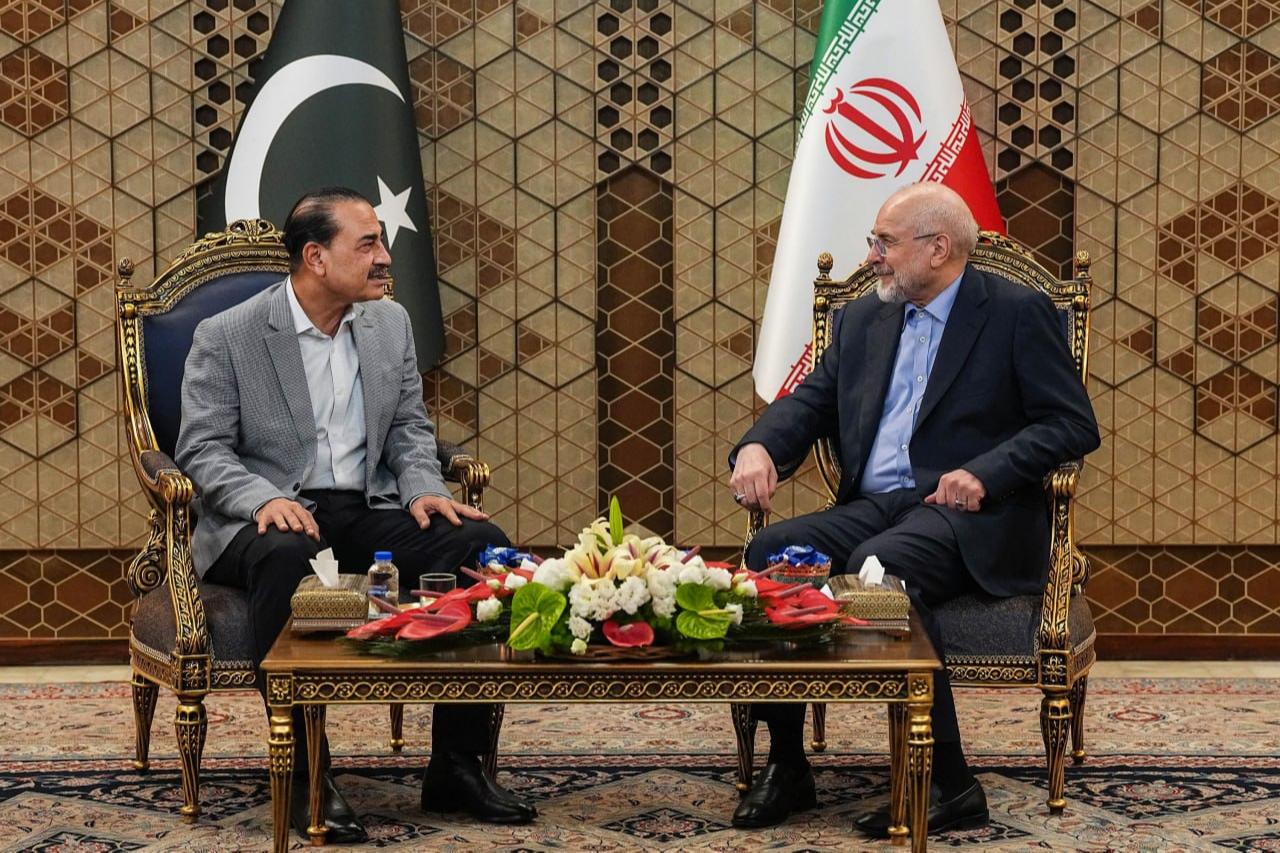

The warning comes as Iran and the United States continue to exchange proposals aimed at restarting direct negotiations and ending months of conflict.
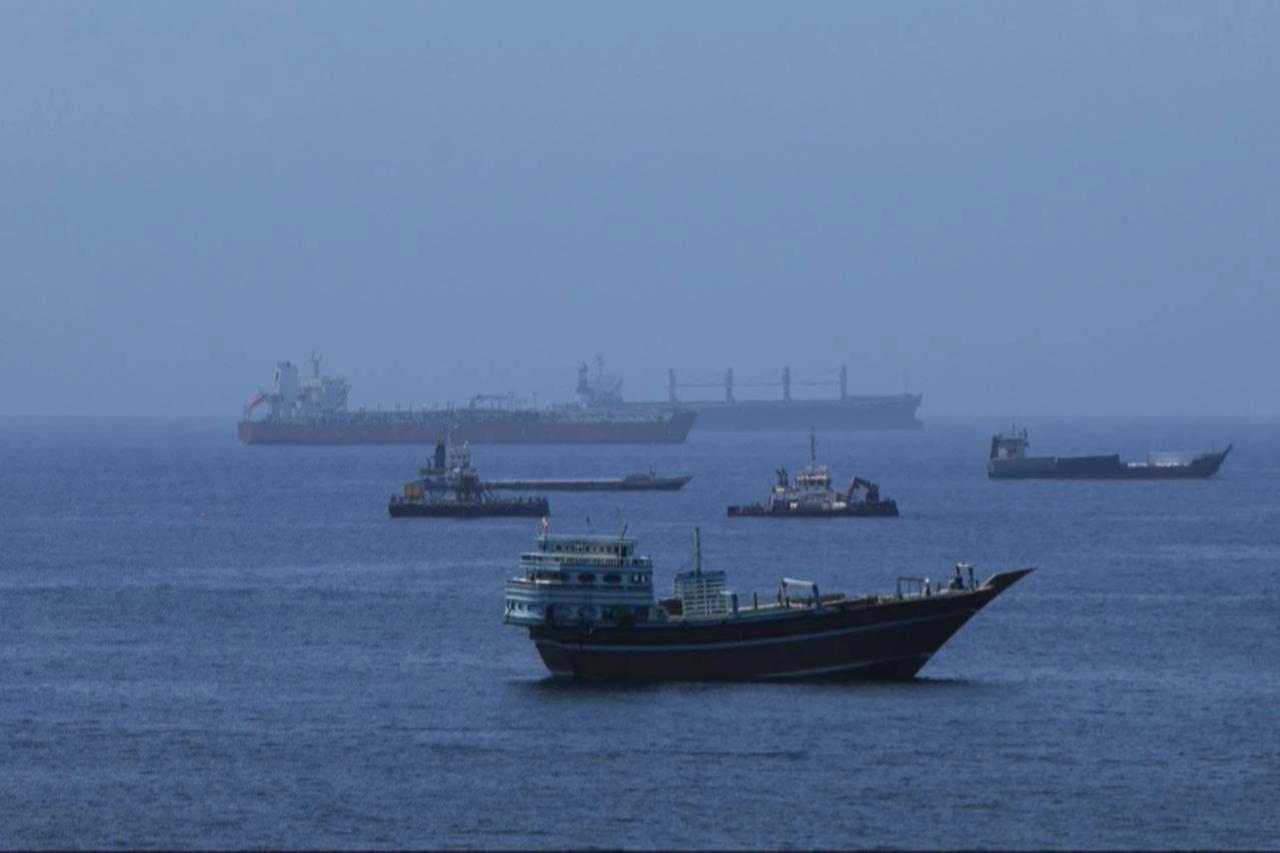
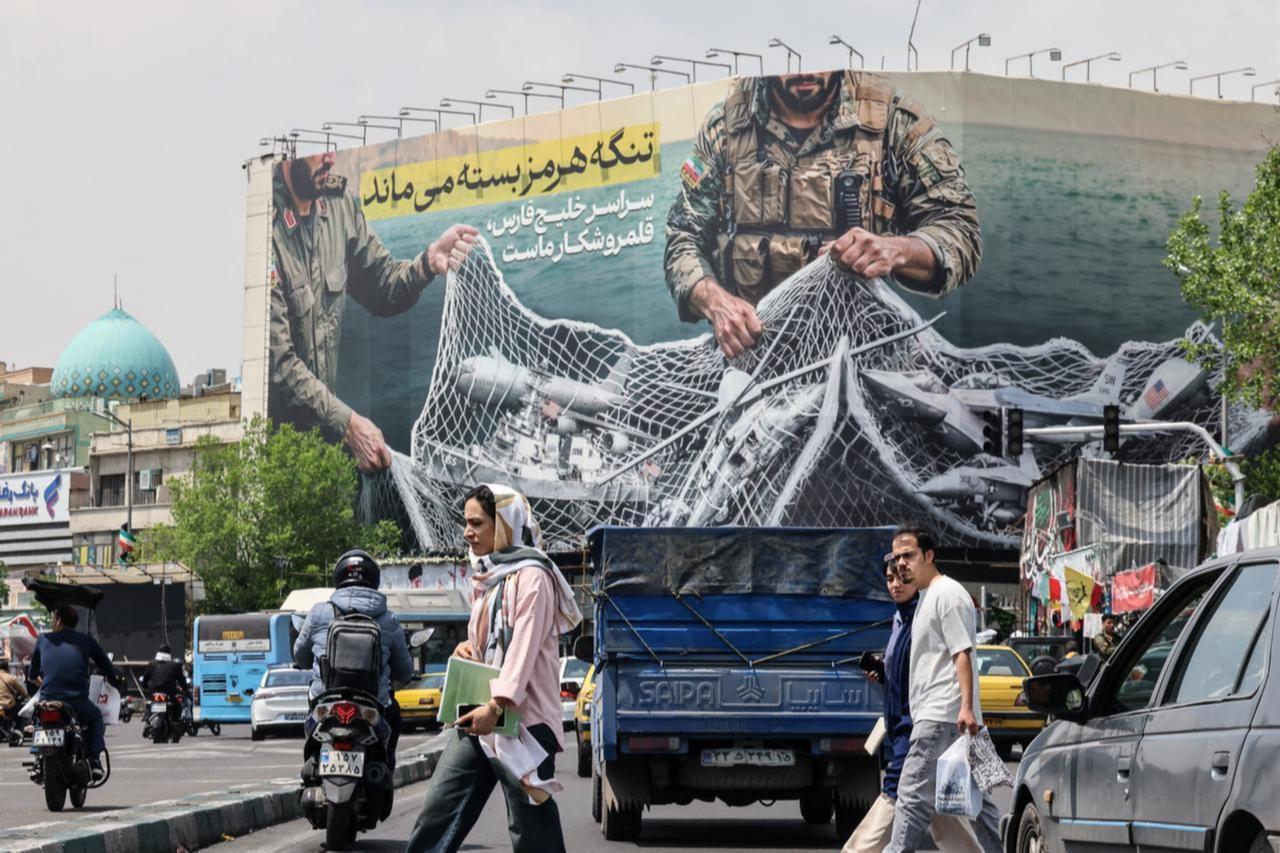
Tensions escalated after the United States and Israel launched strikes against Iran in late February. Tehran responded with attacks targeting Israel and U.S. allies in the Gulf and closed the Strait of Hormuz.
A ceasefire brokered by Pakistan took effect on April 8, but talks held afterward in Islamabad failed to produce a lasting settlement. U.S. President Donald Trump later extended the truce indefinitely, while Pakistan continued mediating indirect negotiations between the two sides in an effort to advance a broader agreement.
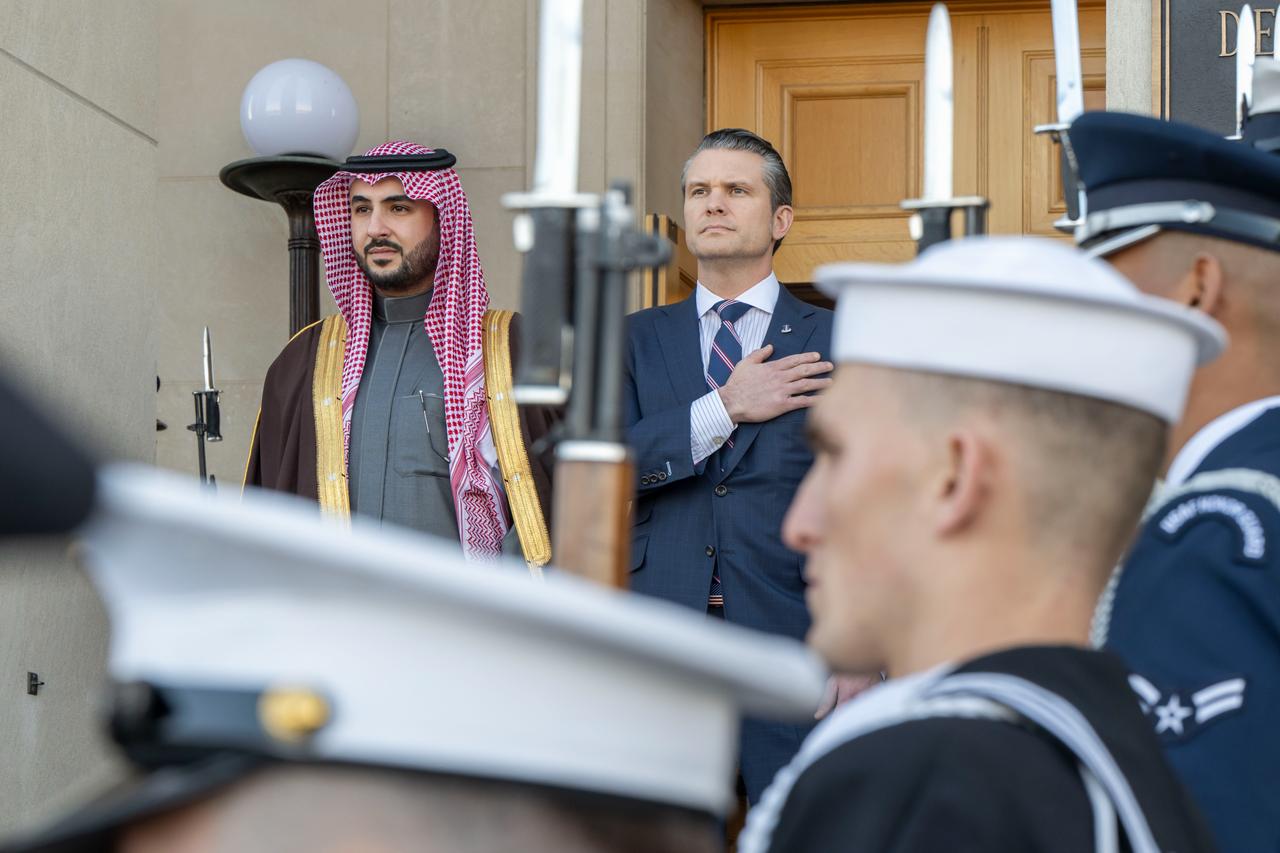
U.S. officials have indicated that the framework under discussion could include a 60-day extension of the ceasefire and a roadmap for further negotiations. Earlier Saturday, U.S. Defense Secretary Pete Hegseth said Washington remained capable of resuming military operations against Iran if necessary.
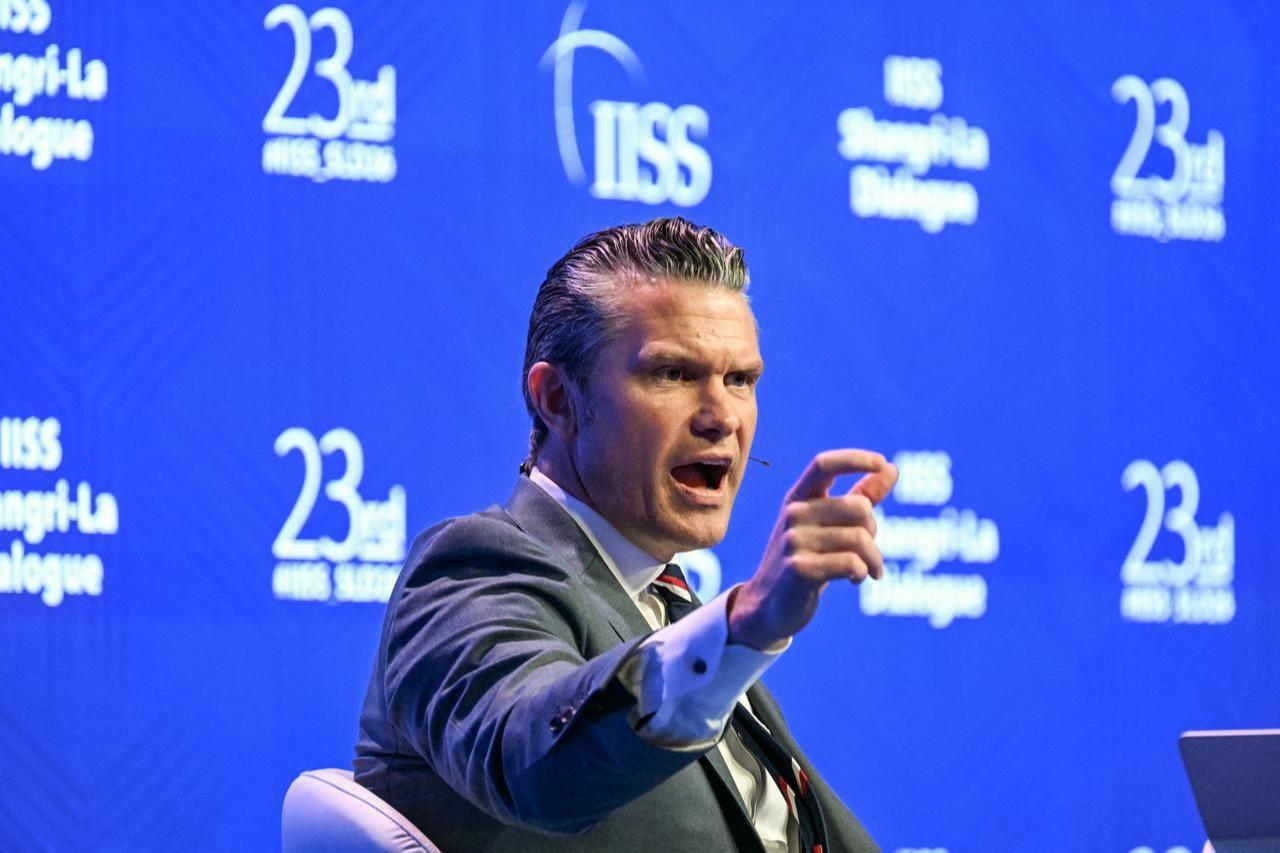
Hegseth also indicated that Trump was willing to continue pursuing negotiations but expected any agreement to satisfy U.S. conditions.
"He wanted me to reiterate how patient he is in ensuring that with America undertaking this kind of historic endeavor, any deal will be a good one, a great one, and he's patient in the pursuit of that," Hegseth said.
Trump's conditions reportedly include Iran permanently forgoing nuclear weapons, immediately reopening the Strait of Hormuz and dismantling what he described as Iran's remaining nuclear capabilities. A White House official told AFP that Washington would only commit to an agreement if Tehran accepted all of those conditions.
Iranian officials, meanwhile, maintain that no final agreement has been reached and have disputed parts of Trump's characterization of the negotiations.


 Set as preferred source
 Set as preferred source


 1 min read
 1 min read