Newsletters


The United States launched a second consecutive night of strikes on Iranian military targets, hitting surveillance capabilities, communications systems, and air defense sites across the country.
Iran retaliated by firing ballistic missiles at the Al-Azraq Air Base in Jordan, striking U.S. targets at three bases in Kuwait and Bahrain, and hitting the U.S. Fifth Fleet in Bahrain with drones.
The attacks triggered airspace closures across the Gulf and international calls for restraint on the eve of the FIFA World Cup.
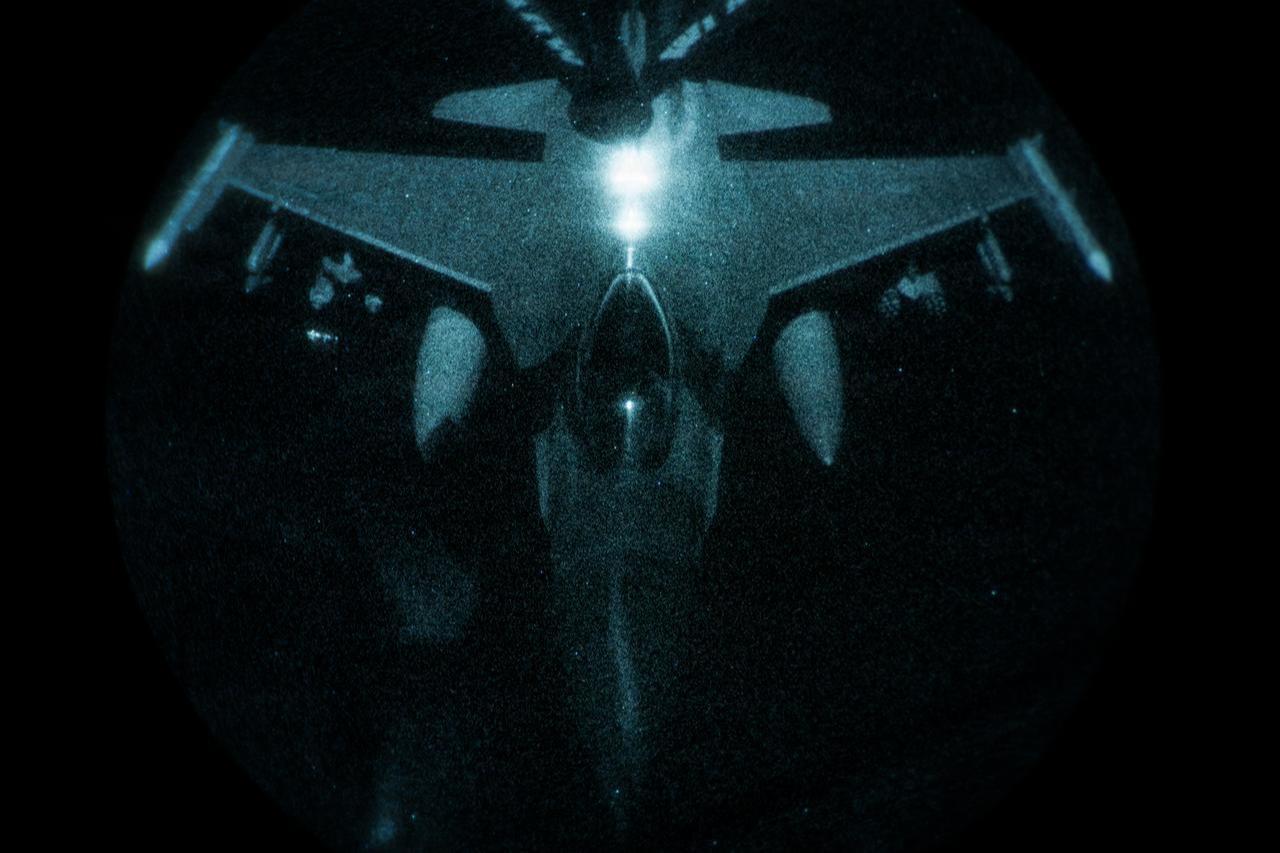

U.S. Central Command (CENTCOM) said American forces began "additional self-defense strikes" at 5:15 p.m. Wednesday Washington time in response to what it called Tehran's "unwarranted and continued aggression," completing strikes on Iranian military surveillance capabilities, communications systems and air defense sites across Iran.
"U.S. Marine Corps, Air Force, and Navy assets fired precision munitions on Iranian targets that posed a threat to U.S. forces and international commercial ships transiting regional waters," CENTCOM said.
The strikes were carried out at Trump's direction and followed Iran's downing of a U.S. Army Apache helicopter over the Strait of Hormuz earlier in the week.
Fox News reported, citing its reporter, Trey Yingst, who spoke with Trump, that U.S. forces hit Iran with 49 Tomahawk missiles, with some targets as close as 40 miles from Tehran.
Trump said if Iran did not accept U.S. terms for ending the war, "We'll bomb the S*** out of them tomorrow night."
Trump told reporters in the Oval Office: "We hit them hard yesterday. We're going to hit them again hard today. We were really close to a deal, but they keep tapping us along."
Iran's Islamic Revolutionary Guard Corps (IRGC) said its Aerospace Force launched 12 ballistic missiles at Al-Azraq Air Base in Jordan and what it described as U.S. military command facilities.
IRGC claimed the strikes destroyed installations and "a large number of American fighter jets," including F-35, F-15 and F-16 aircraft, Iran's Mehr News Agency reported.
The U.S. military had no immediate response to the claim.
The IRGC said the Jordan strike was in response to U.S. missile attacks targeting a recreational site, an industrial complex, and areas near Karaj and Nazarabad west of Tehran, as well as a local Revolutionary Guard base in Pishva County.
Separately, the IRGC claimed it struck 18 major U.S. military targets at Kuwait's Ali al-Salem and Ahmad al-Jaber air bases and Bahrain's Sheikh Isa air base.
Iranian military statements also announced drone strikes targeting Patriot systems, communications facilities, and the U.S. Fifth Fleet in Bahrain.
Bahrain's Interior Ministry activated warning sirens and urged residents to head to the nearest safe location.
Kuwait's military said its air defense systems were intercepting "hostile aerial targets" and announced the temporary closure of its airspace from 4:50 a.m. Thursday local time, diverting flights to alternative airports.
"This measure comes in light of the Iranian attacks on the State of Kuwait and the potential risks this poses to civil aviation in the region," Kuwait's Directorate General of Civil Aviation said.
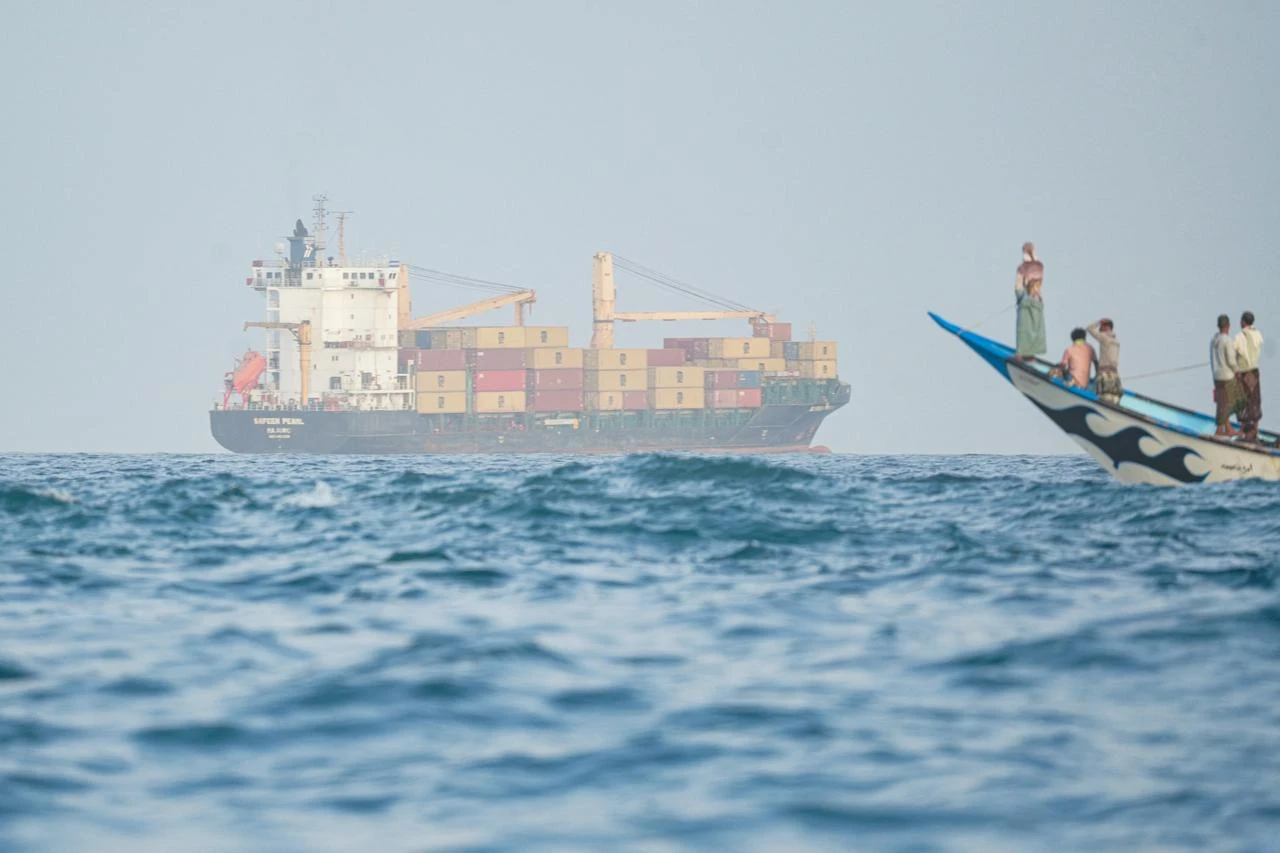
Iran's military operational command declared the Strait of Hormuz "completely closed" and warned that "any vessel traffic" there would be targeted.
IRGC Aerospace Force commander Majid Mousavi wrote on social media: "Are you making the sacred Strait of Hormuz unsafe?! We will make the region hell for you."
CENTCOM denied the closure, saying "commercial ships are continuing to transit in and out of the Strait of Hormuz tonight."
Trump said U.S. forces had secretly helped 100 million barrels of oil pass through the contested strait.


 Set as preferred source
 Set as preferred source


 6 min read