Newsletters


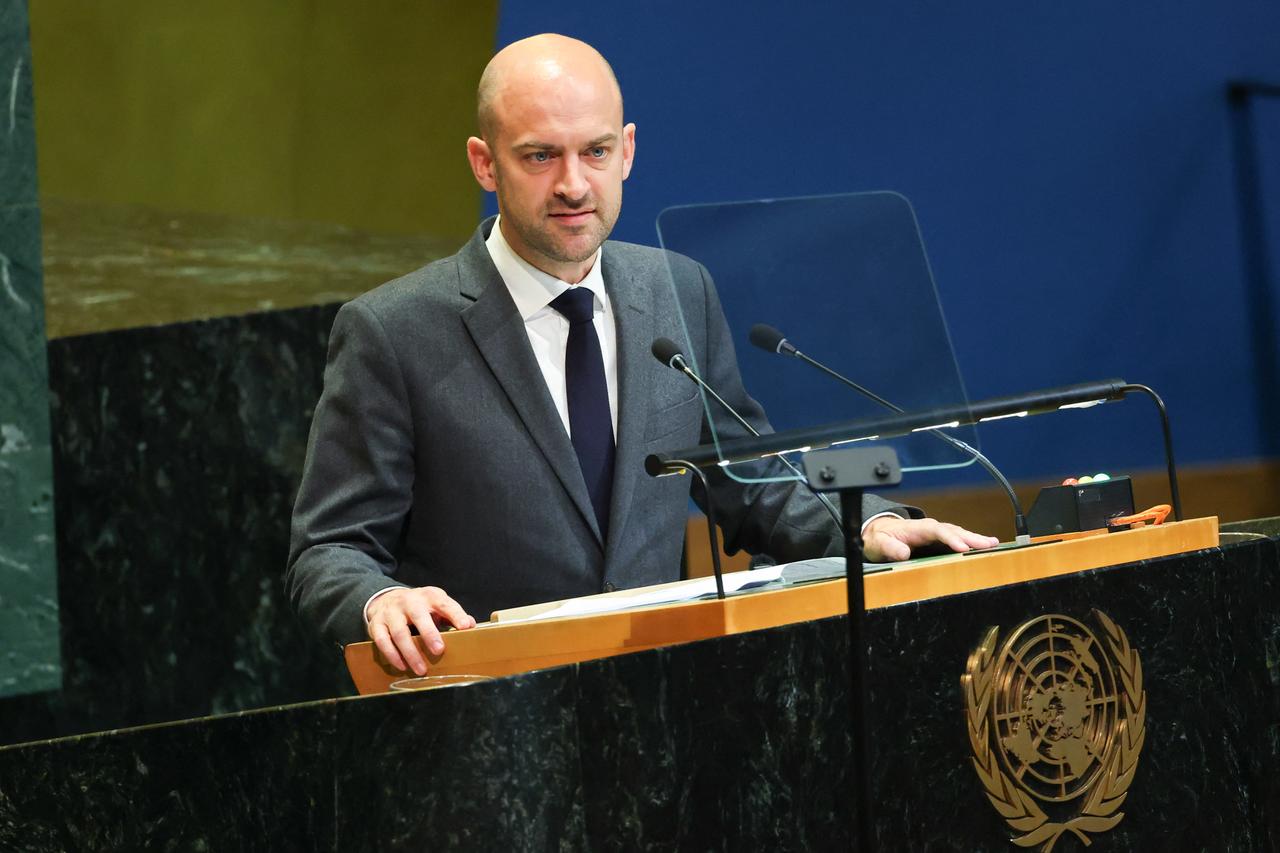


France’s foreign minister said Friday that a new U.S.-led coalition to reopen the Strait of Hormuz would complement, not compete with, a separate maritime initiative led by France and Britain.
Foreign Minister Jean-Noel Barrot made the remarks in Abu Dhabi after a regional tour that included visits to Saudi Arabia and Oman.
He said he had briefed Gulf allies on the U.K.-France initiative, which he described as being at an “advanced” stage.
A U.S. official confirmed Thursday to AFP that Washington was launching an international coalition called the “Maritime Freedom Construct” to restart shipping through the Strait of Hormuz.
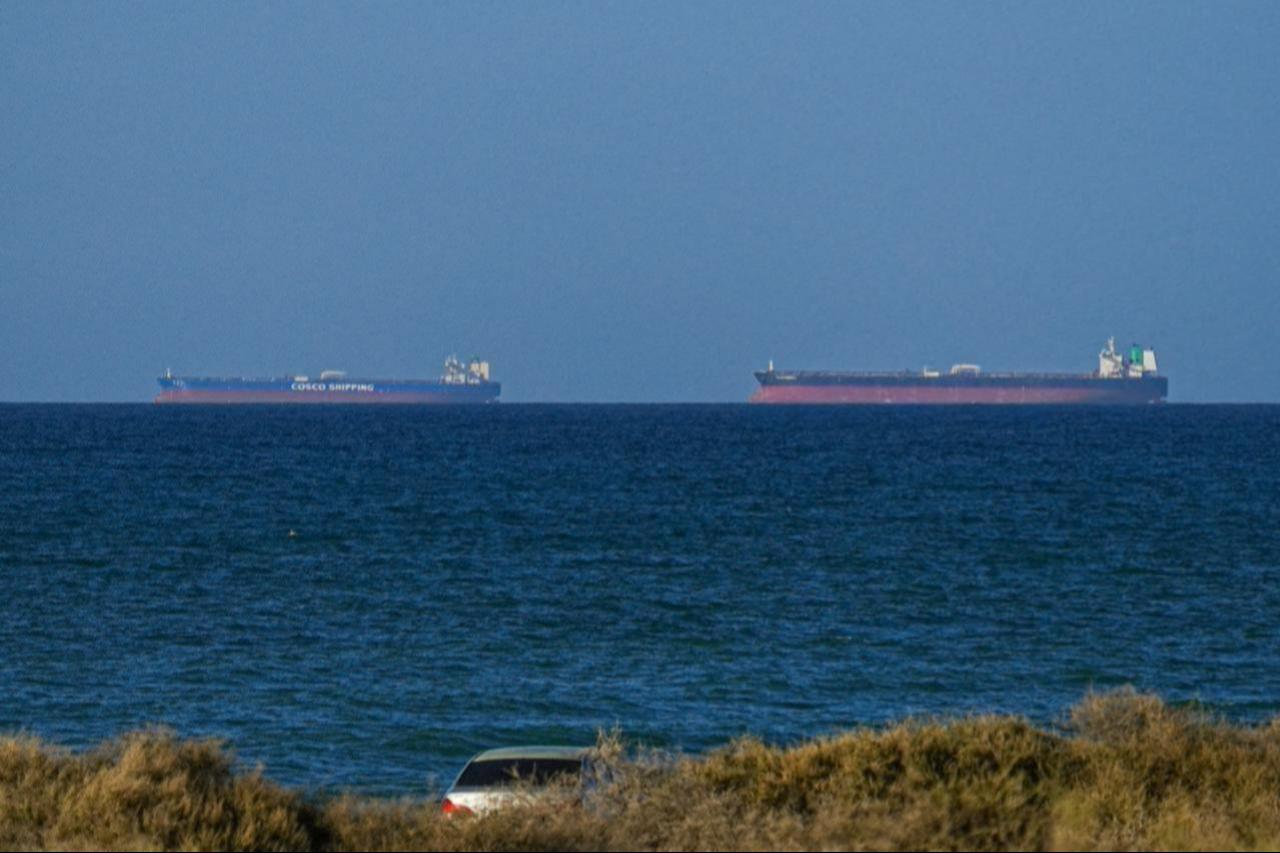
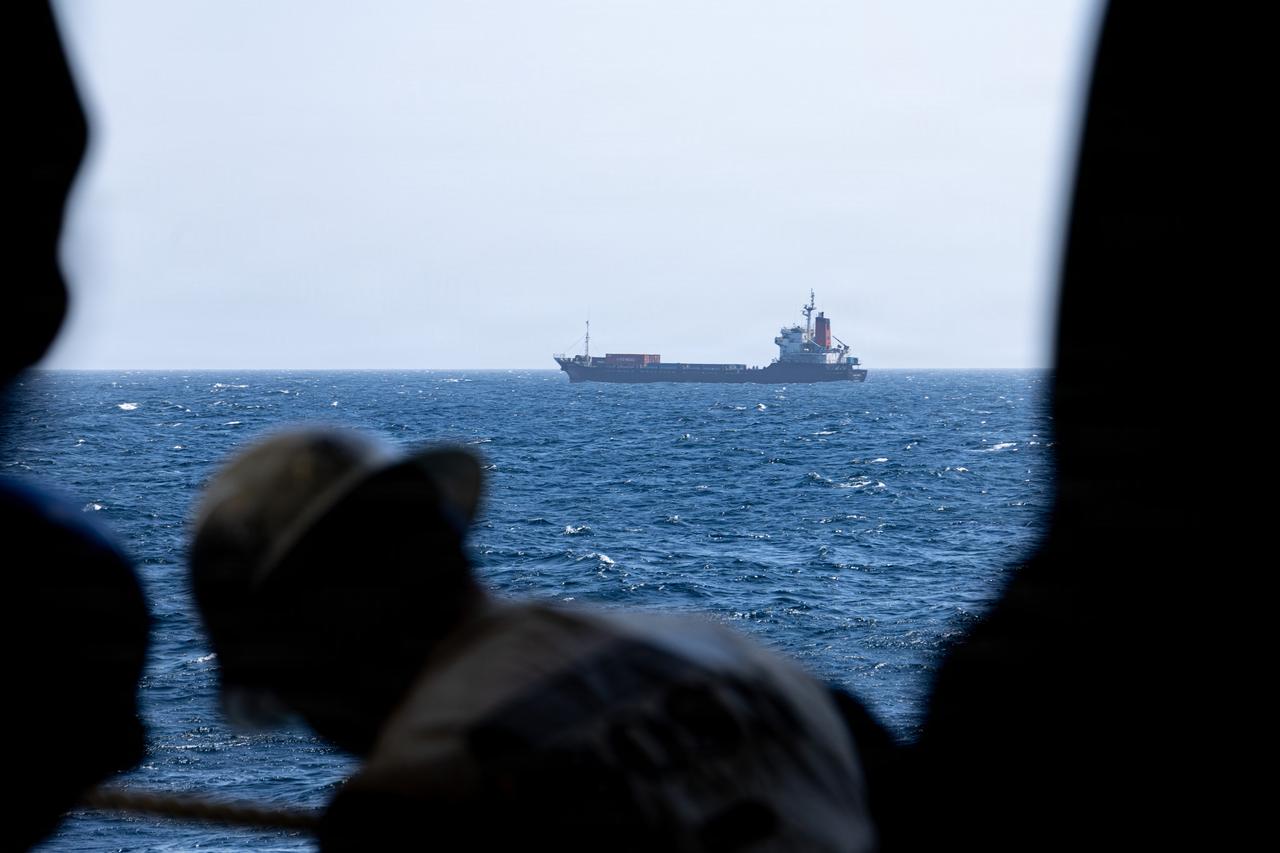
The strait normally carries one-fifth of the world’s oil and liquefied natural gas. It has been effectively blockaded by Iran over the Middle East war, sending prices higher and disrupting trade networks.
Barrot said the U.S. mission was different from the UK-France-led effort and should be seen as a complement.
The U.S. mission is “not of the same nature as the one we established... it comes as a sort of complement,” Barrot said in the UAE capital.
“It is not in competition with the initiative we have launched and on which we are focused,” he added.
Asked whether France would join Washington’s initiative, Barrot said he could not comment at this stage.
The UK and France have led talks on a separate maritime effort and recently held a meeting with more than 50 countries.
Barrot said the planning for the U.K.-France mission had been completed.
The mission “is now at an advanced stage, the planning has been finalised, and I have come to present the concept of this mission to a number of our closest partners in the region,” he said.

The Wall Street Journal reported that a diplomatic cable had called on U.S. embassies to urge foreign governments to take part in the U.S.-led effort.
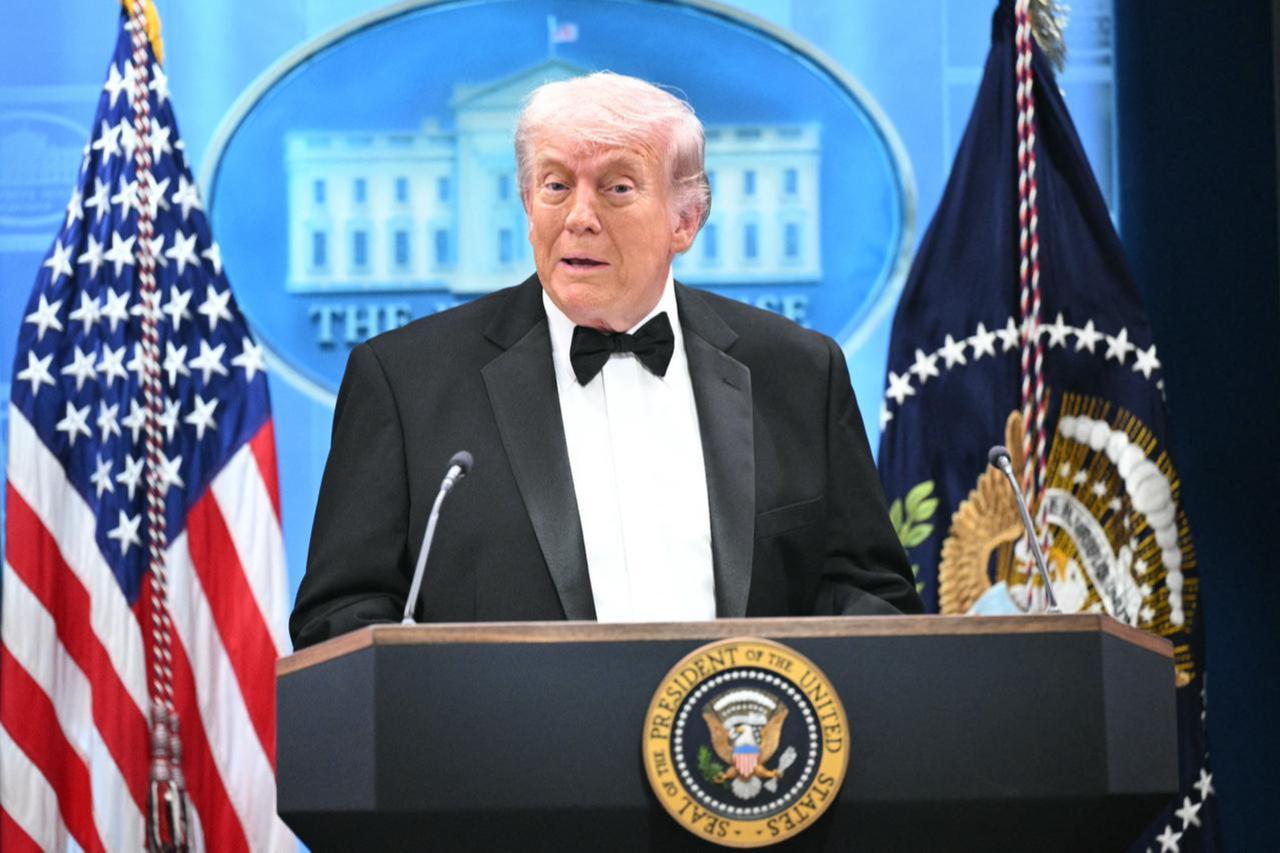
U.S. President Donald Trump has criticized allies for their reluctance to become involved in the U.S.-Israeli war on Iran. He has also urged oil-reliant countries to take responsibility for reopening the strait.
Iran has vowed not to reopen the waterway as long as the United States blocks its ports.
The closure has affected the global economy, with oil prices reaching a four-year high this week.


 Set as preferred source
 Set as preferred source


 1 min read
 1 min read