Newsletters


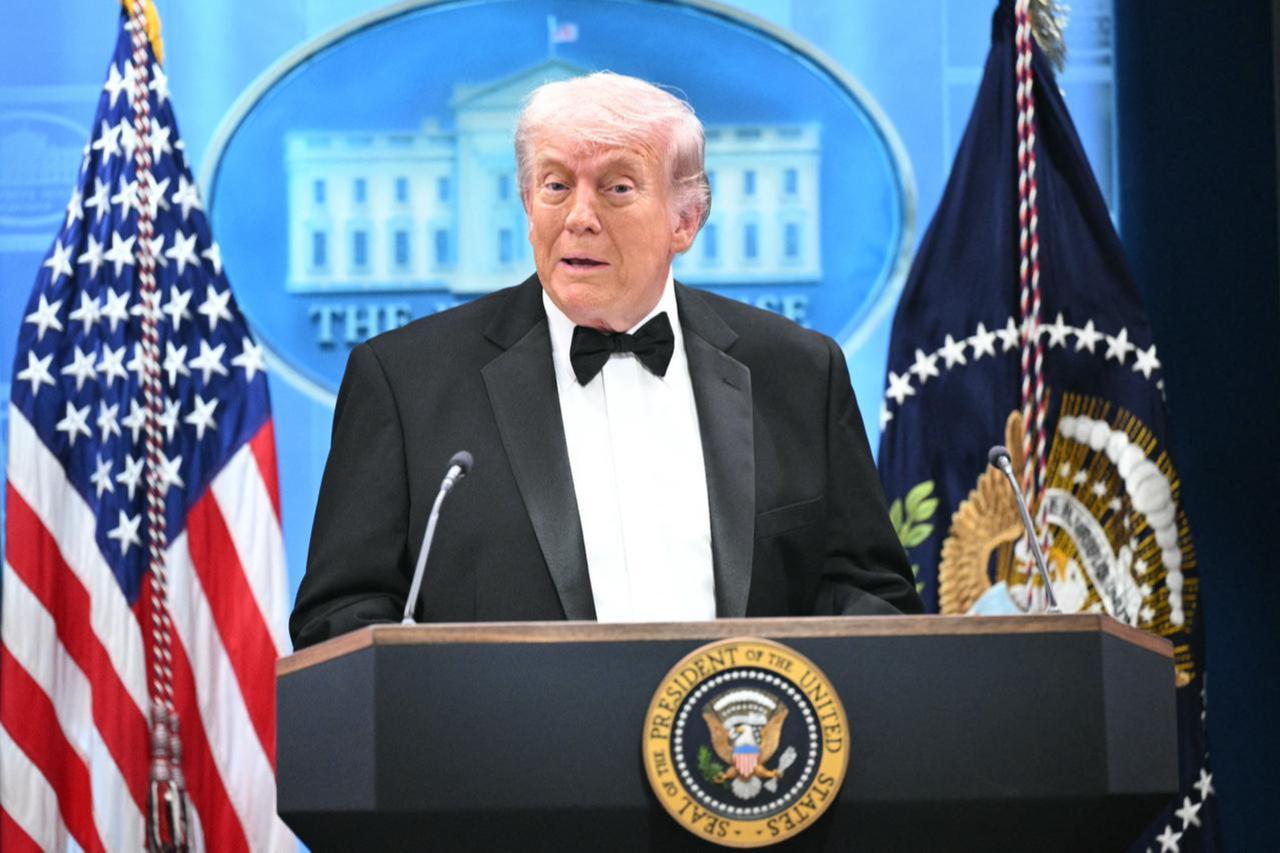


The Trump administration is considering a new strategy to reopen the Strait of Hormuz that would maintain the U.S. naval blockade on Iranian ports while coordinating with allies to impose steeper costs on Tehran's disruption of the global energy corridor, a senior administration official said to Associated Press Thursday.
President Donald Trump is weighing multiple diplomatic and policy options to pressure Iran into ending its stranglehold on the waterway, according to the official, who spoke on condition of anonymity because they were not authorized to comment publicly.
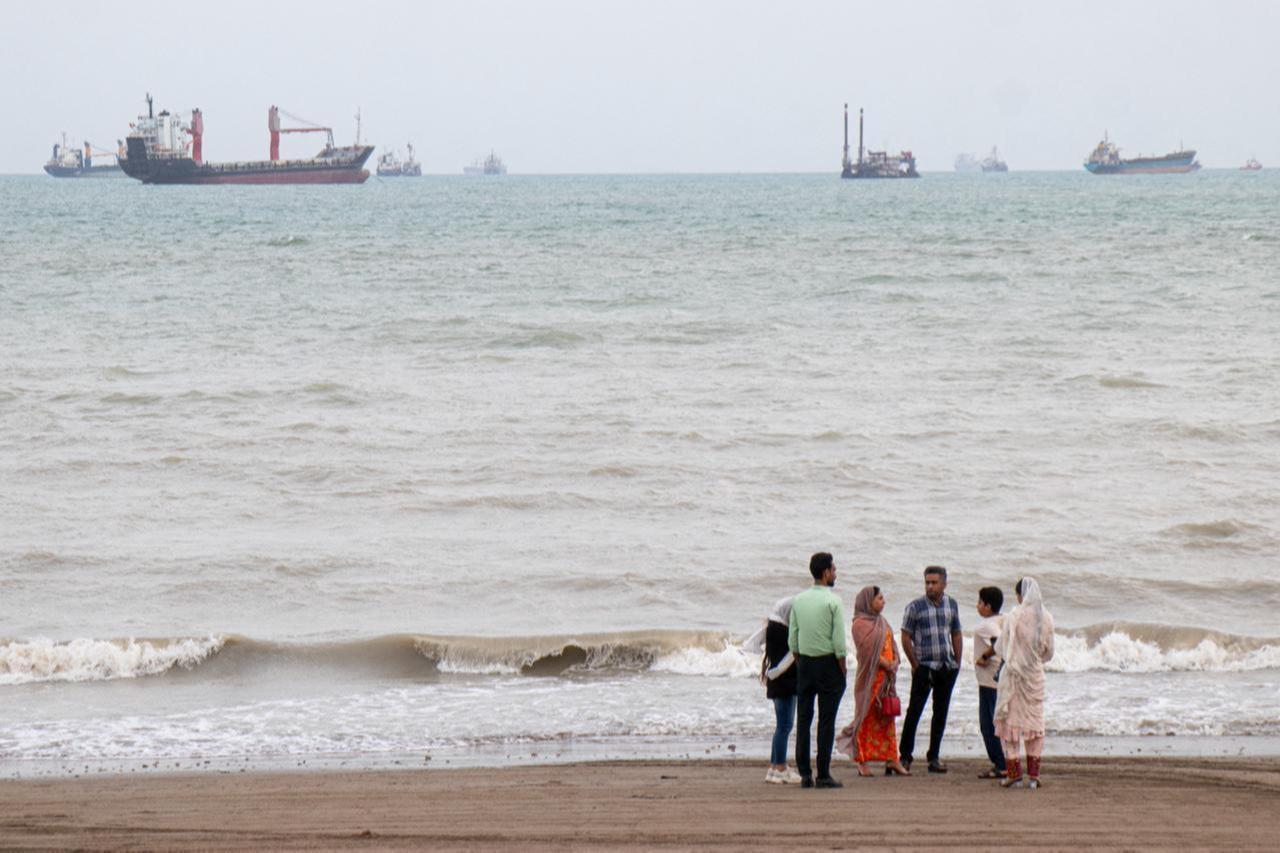
The disclosure comes as the two-month-old crisis over the strait, through which roughly 20 percent of the world's seaborne oil ordinarily flows, continues to rattle global markets and strain the fragile ceasefire holding between Washington and Tehran.

The current confrontation traces its roots to Feb. 28, when the United States and Israel launched a series of airstrikes against Iran, killing Supreme Leader Ali Khamenei.
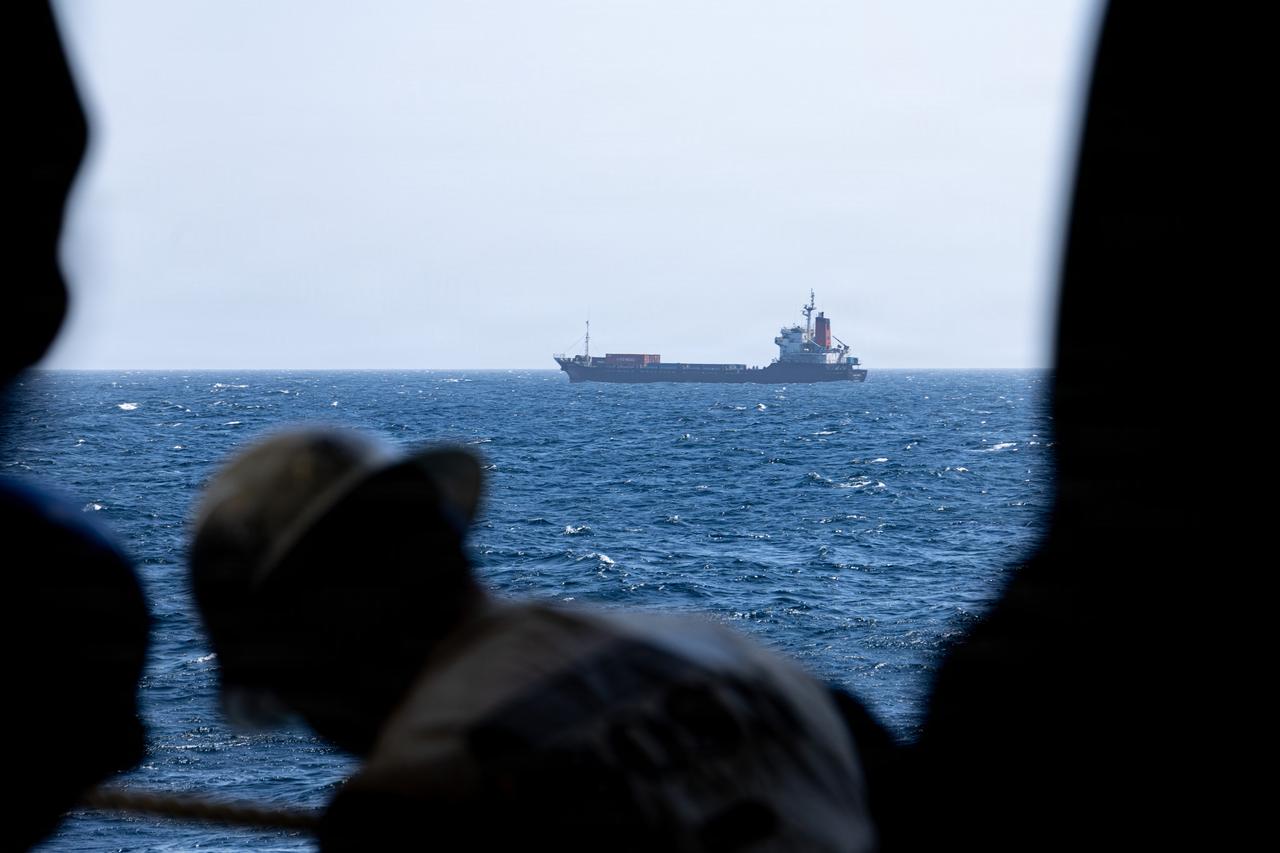
Iran responded with missile and drone attacks on Israeli targets, U.S. military installations and Gulf Arab states, and declared the strait closed to commercial traffic. Iranian Revolutionary Guard Corps forces subsequently boarded and attacked merchant vessels and laid sea mines in the passage.
By early April, with shipping traffic in the strait reduced to roughly 5 percent of pre-conflict levels, the two sides agreed to a conditional ceasefire. The agreement was expected to include a reopening of the strait, but Iran instead began controlling vessel access and charging tolls exceeding $1 million per ship, a move Secretary of State Marco Rubio flatly rejected.
"Those are international waterways," Rubio said in a recent Fox News interview. "They cannot normalize, nor can we tolerate them trying to normalize, a system in which the Iranians decide who gets to use an international waterway and how much you have to pay them to use it."
When Iran refused to fully restore free passage, the U.S. Navy moved on April 13 to blockade Iranian ports, creating what analysts have described as a dual blockade, with Washington choking off Iranian maritime access while Tehran continues to obstruct Gulf shipping.
The standoff has sent Brent crude surging above $120 a barrel, driving inflation higher in Europe and squeezing consumers in Asia and North America.
Iran has since signaled some willingness to negotiate, offering to reopen the strait if the United States lifts its counter-blockade and ends the broader conflict, with nuclear talks deferred to a later stage.
The White House confirmed that Trump and his national security team reviewed Tehran's proposal. Trump himself said Iran followed up with a "much better" offer, without elaborating on its contents.
However, planned talks in Islamabad between Iranian counterparts and Trump's special envoy Steve Witkoff and son-in-law Jared Kushner collapsed after Trump canceled the trip, posting on Truth Social that there was "too much time wasted on traveling, too much work."


 Set as preferred source
 Set as preferred source


 2 min read
 1 min read