Newsletters


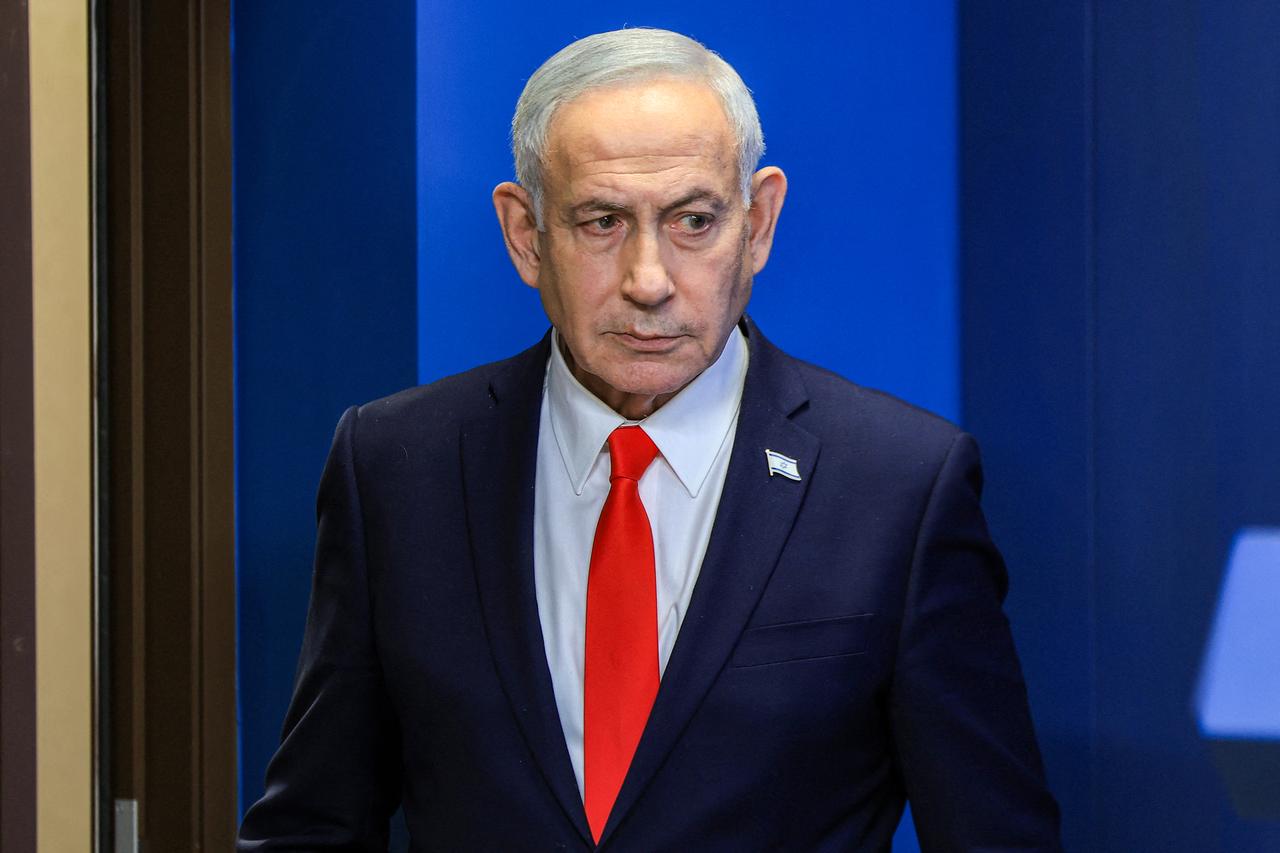


U.S. intelligence agencies have warned the Trump administration that Israeli Prime Minister Benjamin Netanyahu is likely to take steps undermining U.S. President Donald Trump's effort to secure a lasting peace deal with Iran.
Netanyahu faces intense domestic pressure to continue Israel's military campaign in Lebanon, current and former U.S. officials told The Washington Post.
Intelligence reports, including one circulated this week, indicate that Israel intends to maintain military operations against Hezbollah in Lebanon, an aim that would violate a core element of the agreement calling for an end to hostilities there, the officials said.
One U.S. official familiar with the intelligence report said its conclusion ties Netanyahu's political survival, ahead of national elections this fall, to demonstrating to his domestic audience that he will not withdraw troops from Lebanon and intends to escalate fighting with Hezbollah.
The report also describes Israeli frustration with the terms of the U.S.-Iran memorandum, which Israeli officials view as undermining their broader objective of maintaining maximum pressure on Tehran, according to a current and former official.
One former official said the report conveys Israel's perception that the agreement could constrain its ability to defend itself against Hezbollah.
Trump administration officials insist the agreement's terms do not prevent Israel from retaliating against Hezbollah if fired upon and argue that Netanyahu's concerns are secondary to completing the deal and reopening the Strait of Hormuz to avert a global economic crisis.
A current U.S. official said the report concludes that any suspension of hostilities or withdrawal from Lebanon would be perceived inside Israel as a defeat for Netanyahu.
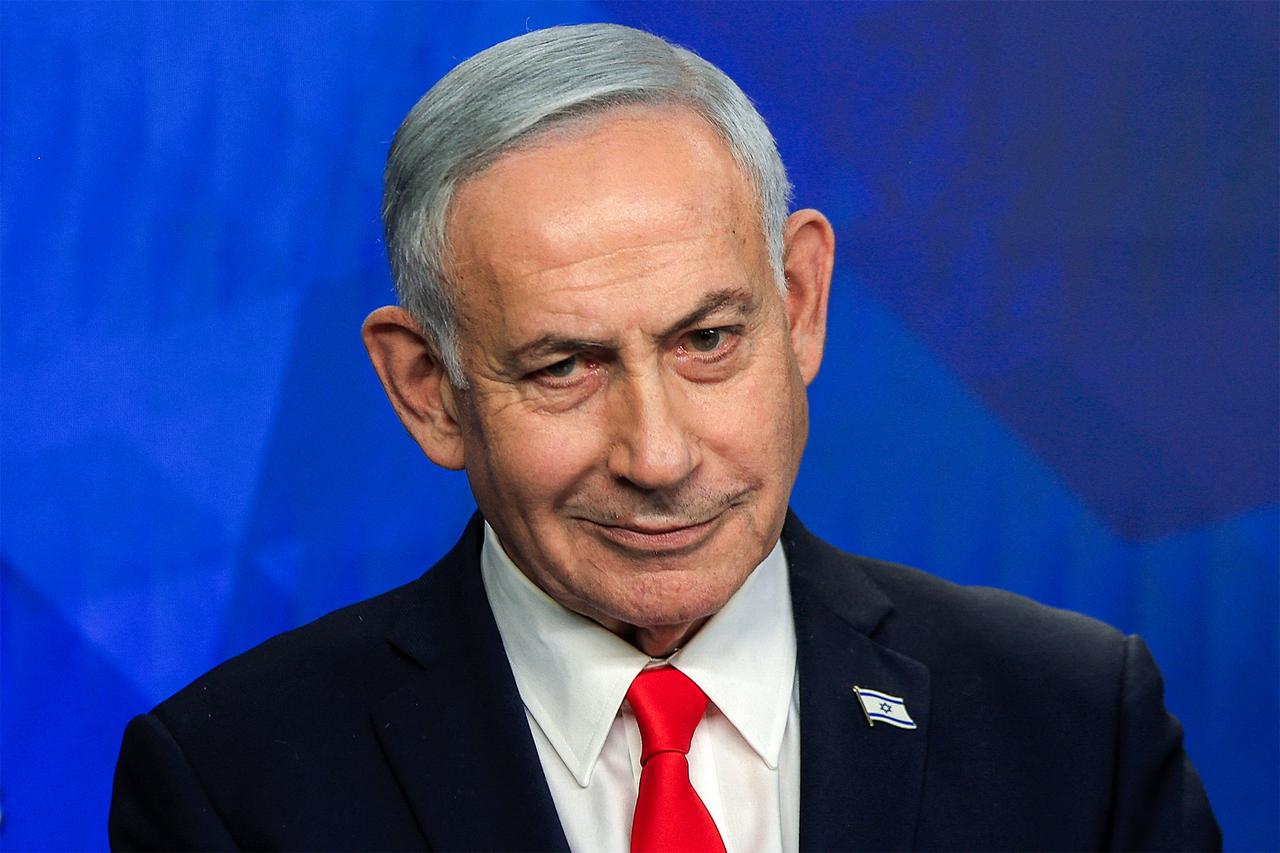

"Israeli military activity in Lebanon is for the sole purpose of defending Israeli citizens from continuous attacks by Hezbollah," a senior Israeli government official said in response to a request for comment on the U.S. intelligence analysis.
Israeli Ambassador to the United States Yechiel Leiter said Friday that Israel had committed to an immediate ceasefire and "halted all offensive operations" in Lebanon, while insisting Israeli forces would remain in southern Lebanon and that Israel would never compromise on its security.
According to a May poll by the Institute for National Security Studies (INSS), an Israeli think tank, 70% of Jewish Israelis support intensifying the fight against Hezbollah.
Israeli political analysts widely say voters would interpret a military pullback as "a sign of defeat."

The New York Times reported that U.S. intelligence agencies believe Israel is likely to continue operations against Hezbollah even if doing so hinders the broader U.S.-Iran negotiations on Iran's nuclear program and a permanent peace deal.
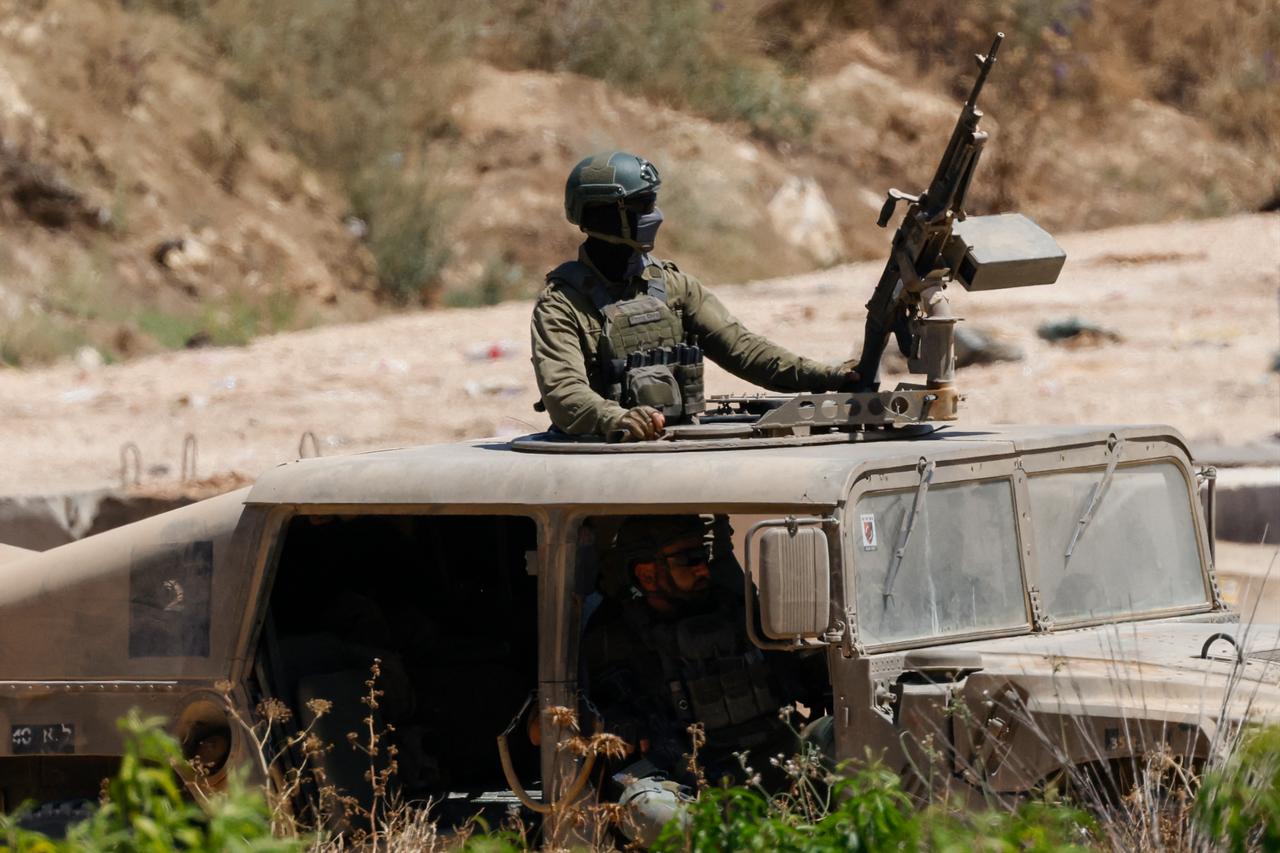
Israeli airstrikes in Lebanon on Friday, launched after a Hezbollah drone strike killed four Israeli soldiers in an ambush in Israeli-controlled southern Lebanon, killed at least 47 people, according to the Times.
The clashes led to the postponement of U.S.-Iran talks that had been set to begin Friday in Switzerland.
The cease-fire deal is "deeply unpopular" in Israel, the Times reported, with commentators criticizing its failure to address Iran's missile program, its requirement that U.S. forces leave the region, and its constraints on Israeli military operations in Lebanon.
Israel is not a party to the accord signed this week between Washington and Tehran.
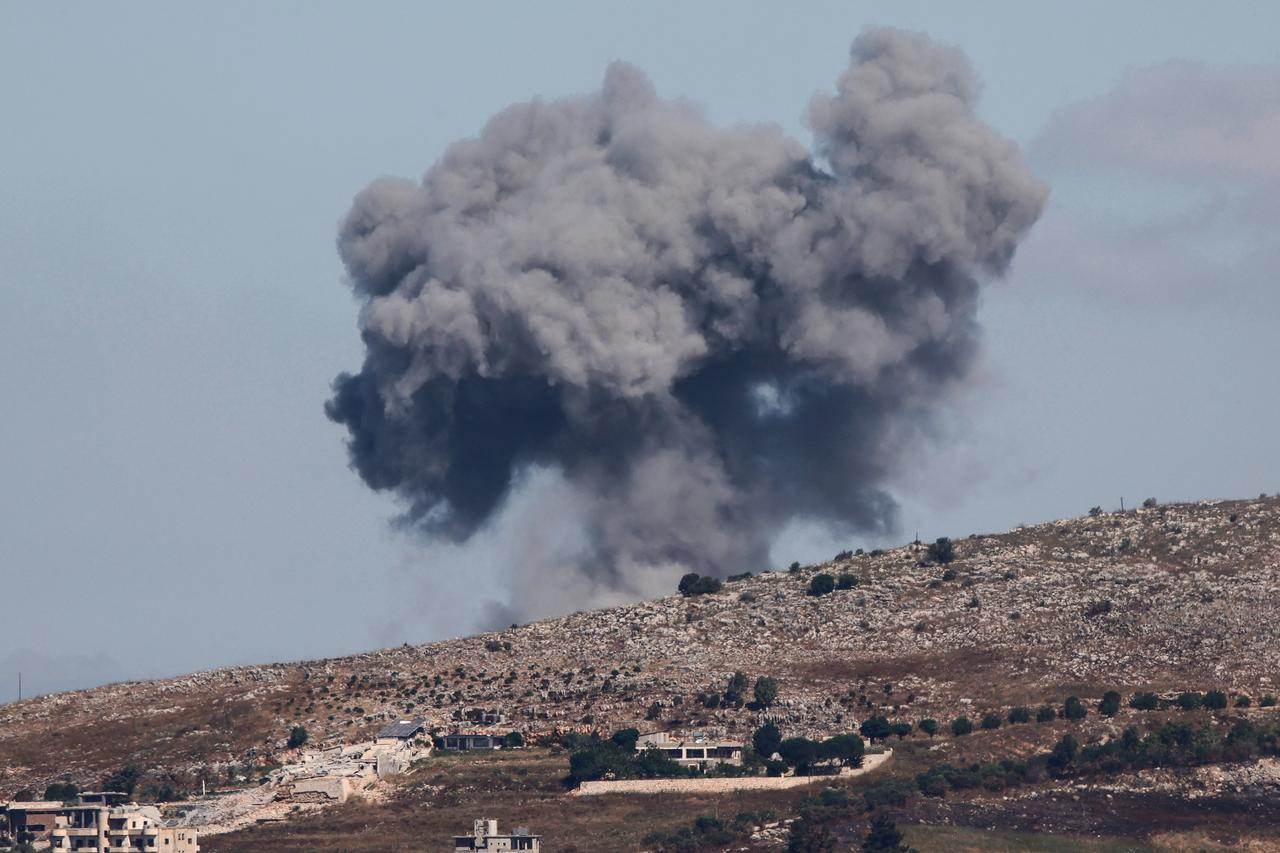
A second U.S. official, offering an independent assessment to the Post, said that even if Israel does not escalate by bombing Beirut's southern suburbs, its refusal to withdraw troops from southern Lebanon is likely to doom the fragile U.S.-Iran accord.
"Continuing to occupy part of Lebanon is a recipe for disaster," the official said.
"Without a full Israeli withdrawal, the likelihood of resumed hostilities between the (Israeli military) and Hezbollah is all but certain," the official added.
National Security Minister Itamar Ben Gvir reflected the defiance among Israeli cabinet officials. "For every tear shed by an Israeli mother, a thousand Lebanese mothers should cry. All of Lebanon should burn," he wrote on social media Friday.
Speaking to the WP, Danny Citrinowicz, a former Israeli military intelligence analyst now at the Institute for National Security Studies, said Netanyahu is risking serious damage to his relationship with Trump, who launched the war with Iran on Feb. 28 at Netanyahu's urging.
"Bibi's in a very tough situation," Citrinowicz said, using Netanyahu's nickname.
"He's seeing his greatest rival, the Iranian regime, being strengthened by the U.S. administration, and he cannot do anything about it," he added.
Citrinowicz noted that the war has cost tens of billions of dollars, sent global gas prices soaring, and resulted in the deaths of 13 U.S. troops.
Netanyahu and his allies have struck Beirut on two consecutive weekends this month in response to what they described as Hezbollah provocations, including a June 7 strike that triggered Iranian ballistic missile retaliation, which was defused only after White House intervention.
Israel struck Beirut again on Sunday, hours before the Trump administration finalized the memorandum of understanding with Tehran.
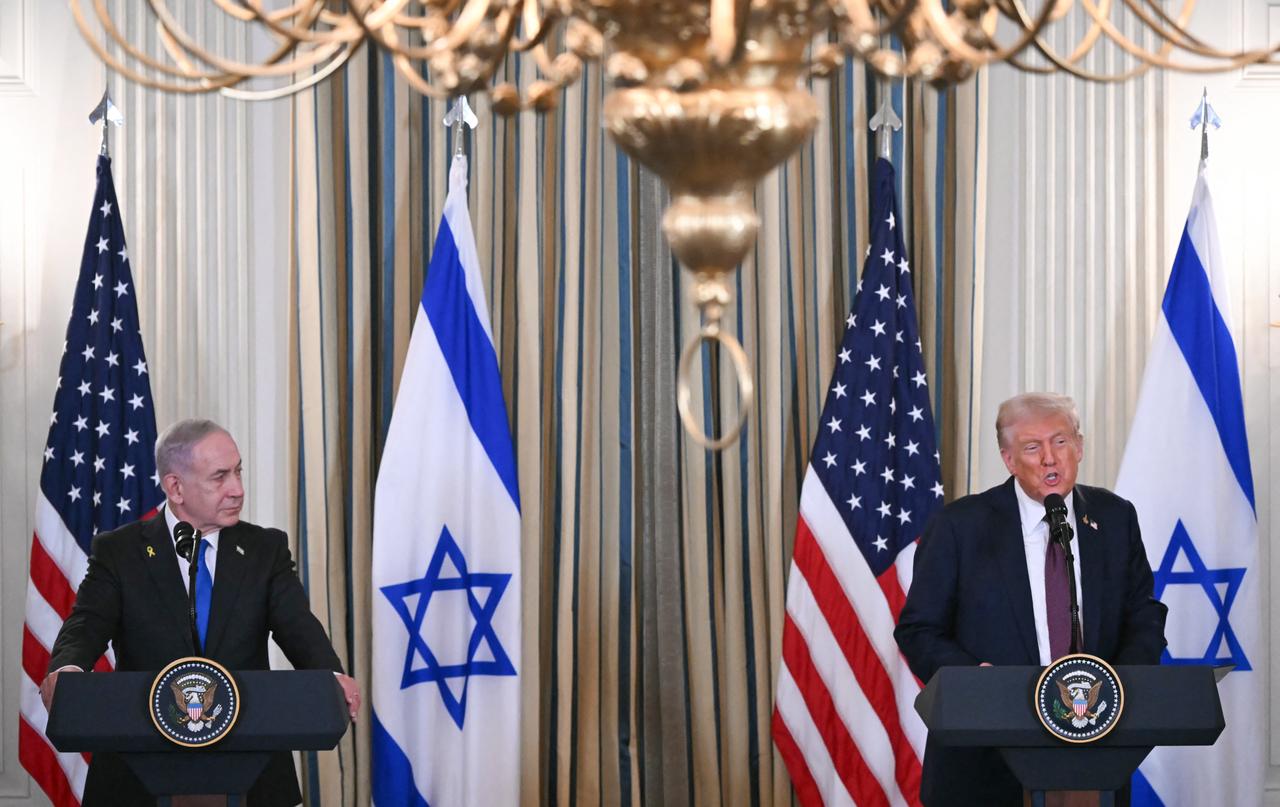
Vice President JD Vance delivered a sharp rebuke of Netanyahu's cabinet critics Thursday at a White House briefing.
"Donald J. Trump is the only head of state in the entire world who is sympathetic to the nation of Israel at this moment in time, and he happens to be the head of state of the world's superpower," Vance said.
"If I was in the cabinet of the Israeli government, I might not be attacking the only powerful ally that I have anywhere left in the entire world," he said.
Speaking to the WP, Harrison Mann, a former U.S. Army officer who served as an analyst at the Defense Intelligence Agency, said the intelligence reporting reflects a long-standing dynamic in Israeli politics.
"Permanent war, and territorial expansion have been the animating forces of Israeli politics for years. It's no surprise that with elections coming up, Netanyahu has to prove he can do these better than his opponent," Mann said.
Mann said Trump retains substantial leverage over Israel that past administrations have rarely used.
"The U.S. can cut off munitions, jet fuel and maintenance support, limiting the scope of any Israeli offensive, freeze critical intelligence sharing or withdraw U.S. forces currently deployed to project Israeli airspace, raising the cost of any Israeli war," he said.
Speaking to the WP, Aaron David Miller, a senior fellow at the Carnegie Endowment for International Peace, noted that U.S. presidents have historically been reluctant to follow through on such threats.
"If you ask me, 'Has an American president ever threatened to impose real costs and consequences on Israel in real time?' the answer would be no," Miller said.
He added that if Iran does not restrain Hezbollah's attacks on northern Israel, "I don't care what Trump says, Netanyahu is going to respond."
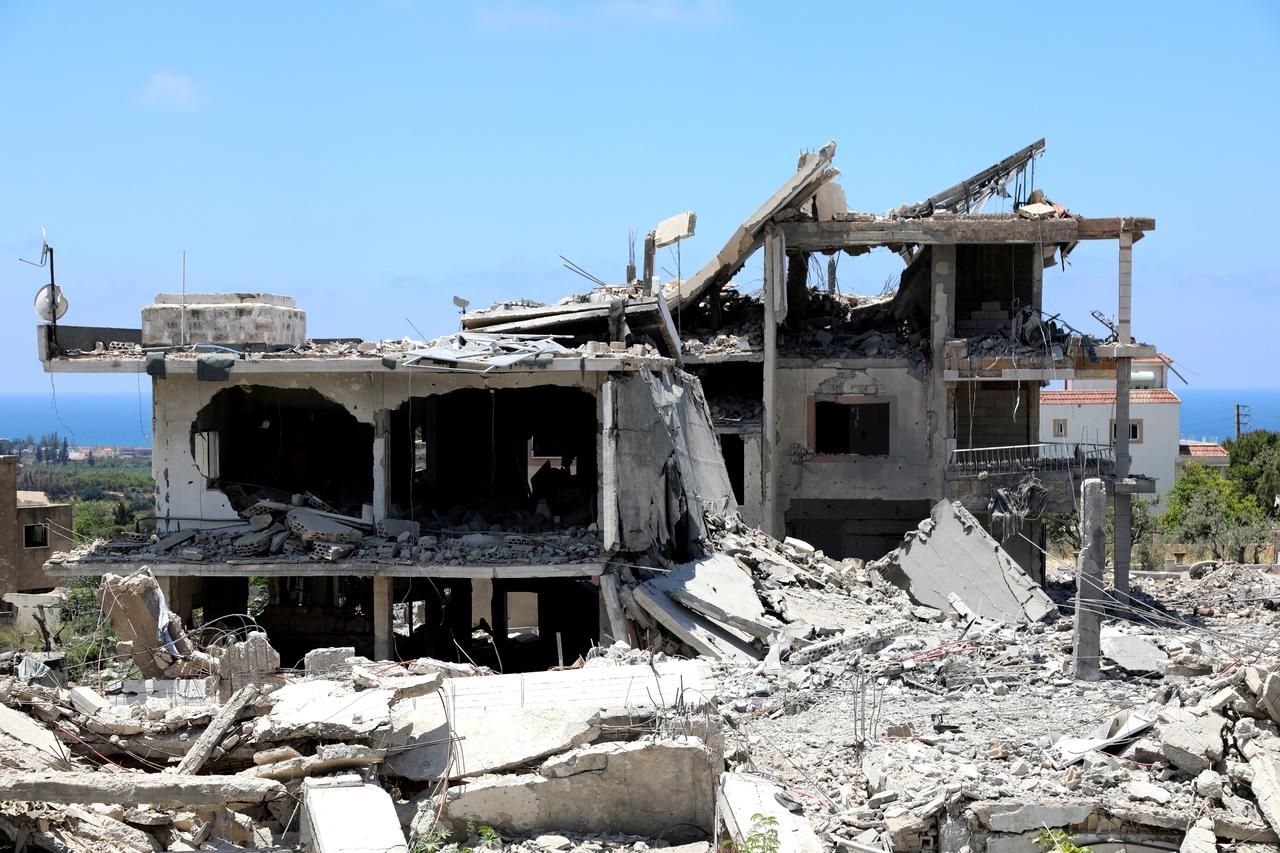
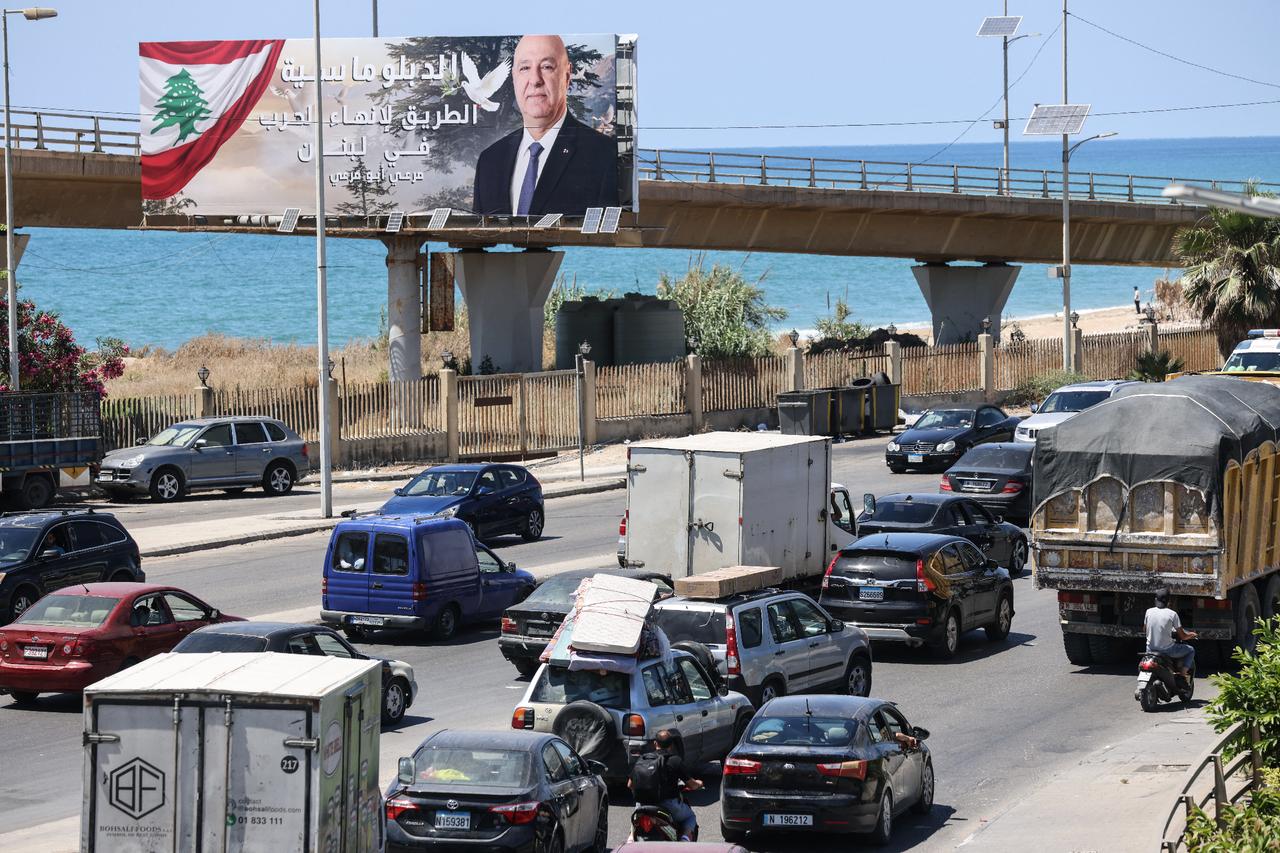
The Israeli army occupies more than 200 square miles of Lebanese territory and has displaced more than 1 million residents, though some have returned, to establish what Israel calls a depopulated "security zone."
More than 3,000 people have been killed in the Israeli campaign since it began in mid-March, according to Lebanese authorities.


 Set as preferred source
 Set as preferred source


 1 min read
 1 min read