Newsletters


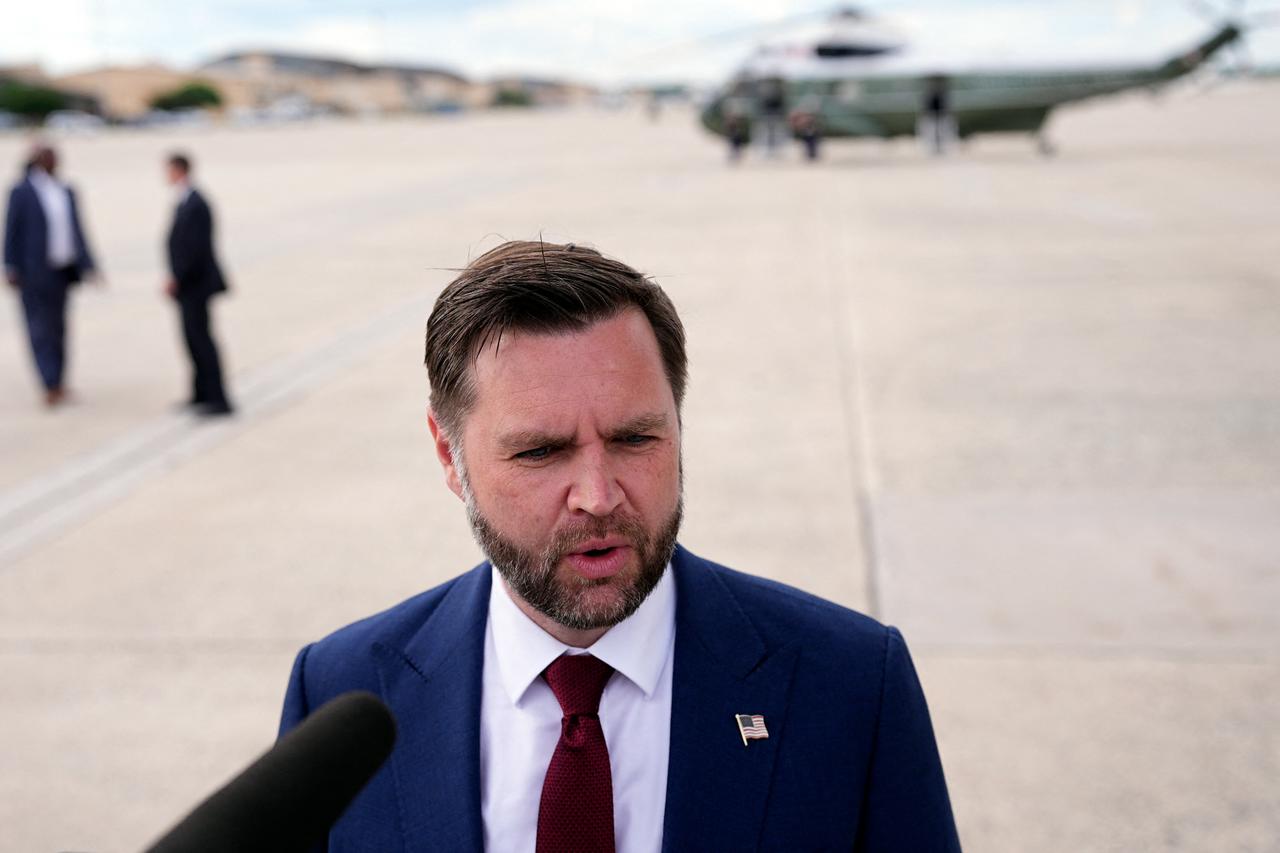


U.S. Vice President J.D. Vance stated that the United States and Iran were "very close" to a Memorandum of Understanding (MoU) that would extend the ceasefire and launch nuclear talks, but said it remained unclear when, or whether, President Donald Trump would sign off on the agreement.
"We're not there yet, but we're very close, and we're going to keep on working at it," Vance told reporters on the tarmac at Joint Base Andrews, where he had returned after delivering a commencement address at the Air Force Academy.
"I think it's hard to say exactly when or if the president is going to sign the MoU. We're going back and forth on a couple of language points," Vance said.
Vance identified Iran's nuclear program as the primary area of unresolved disagreement.
"There are a couple of issues on the nuclear stuff, the highly enriched stockpile, and also the question of enrichment. So we're going back and forth with them. We do think they're negotiating, at least so far, in good faith," he said.
He expressed cautious optimism but declined to guarantee a deal, saying, "I can't guarantee that we're going to get there, but right now I feel pretty good about it."
"Hopefully, we'll continue to make progress and the president will be in a position where he can endorse the agreement, but obviously that's still TBD," Vance added.
The proposed 60-day MoU, first reported by Axios, would reopen the Strait of Hormuz to unrestricted shipping, require Iran to remove mines from the waterway within 30 days, and lift the U.S. naval blockade in proportion to the restoration of commercial shipping. It would include an Iranian commitment not to pursue a nuclear weapon, with the first negotiating items during the 60-day window being how to dispose of Iran's highly enriched uranium and how to address Iranian enrichment going forward.
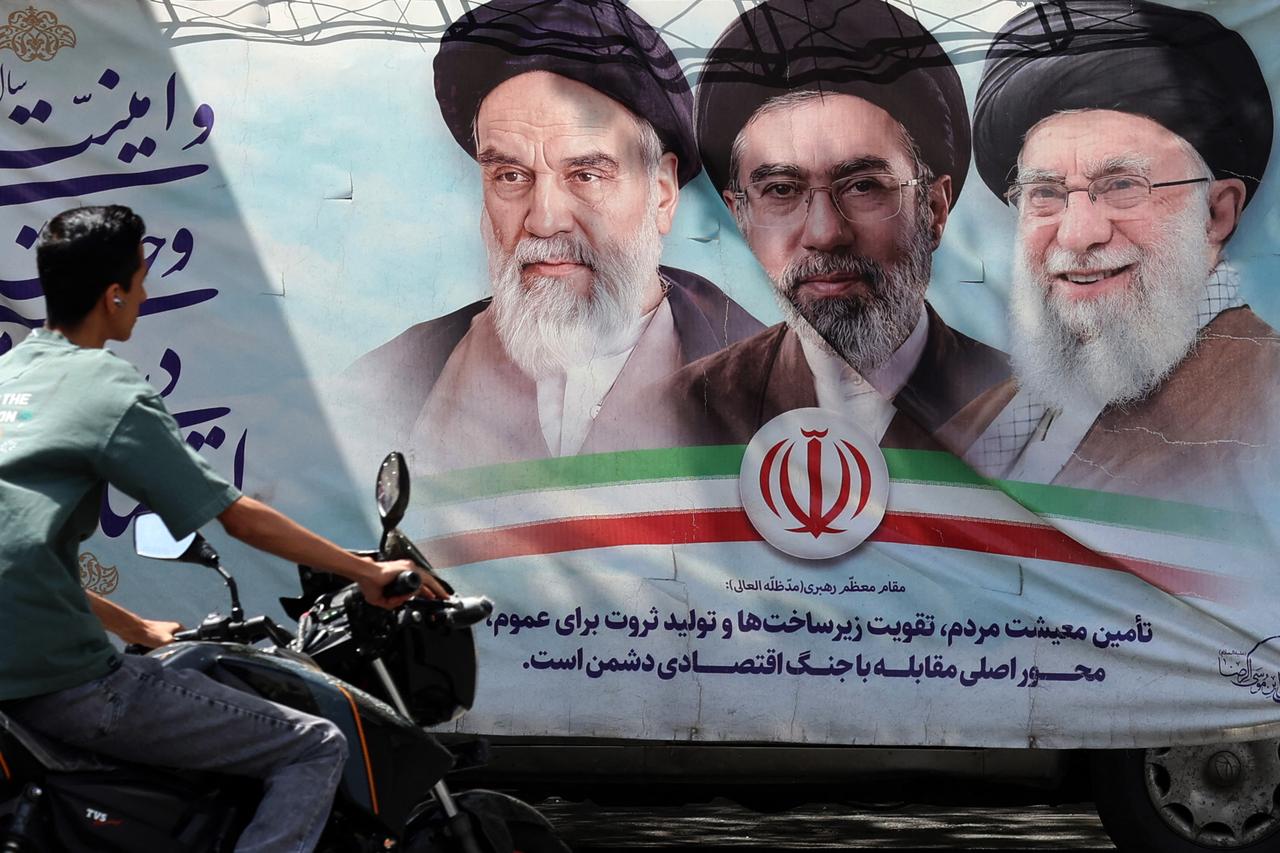

Senior U.S. officials said Thursday afternoon that Trump was leaning toward signing off on the deal but had not yet done so.
Trump spoke on Thursday with Qatar's Emir Sheikh Tamim Al Thani to discuss the agreement. Qatar is a key mediator between the two countries.
"One reason Trump wants additional time is to ensure Iranian officials would actually follow through and not back away," a U.S. official speaking to Axios said. Another is that Trump wants to see how the domestic political debate around the deal develops before making a final decision.
Treasury Secretary Scott Bessent said at an earlier White House briefing that Trump had "made it very clear that he has several red lines," including that Iran must hand over its highly enriched uranium, must not acquire a nuclear weapon and that the Strait of Hormuz must be "free and open as it has been before."
Bessent added that "everything depends on what the president wants to do."
An Arab official told NBC News the delay was "frustrating," noting the MoU had already been agreed three days earlier in Doha.
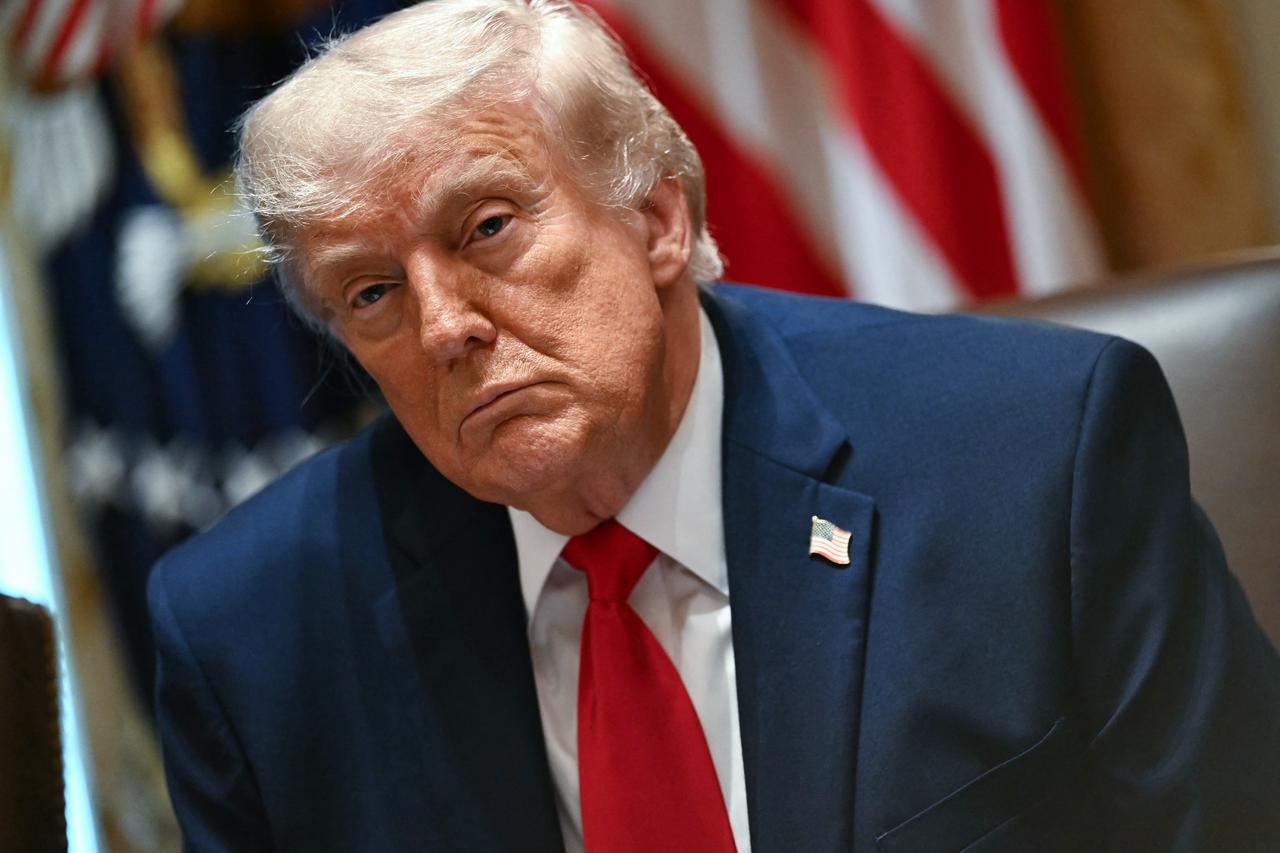
The Iranian regime has not commented publicly on the reported deal. Tasnim News Agency quoted a source claiming the MoU had not been finalized.
On Wednesday, Iranian state media reported elements of what they described as an unofficial 14-point MoU draft, including a withdrawal of U.S. forces from the "vicinity of Iran" and Iran and Oman jointly managing vessel routing through the Strait of Hormuz.
The White House called that purported draft a "complete fabrication."
Vance separately addressed the recent exchange of strikes, saying the ceasefire remains in place. "These ceasefires are always a little messy," he said, adding, "sometimes these things have little flare-ups."
Trump and other officials have said Option B, a return to combat operations, remains on the table.
Trump has suggested repeatedly since the April 8 ceasefire that a deal was near, but negotiations have stalled each time. Vance led the U.S. negotiations team in talks with Iran in Islamabad, Pakistan, in April and has been deeply involved in the issue since.


 Set as preferred source
 Set as preferred source


 1 min read