Newsletters





The White House believes it is close to reaching an agreement with Iran to end the war and establish a framework for detailed nuclear negotiations, as progress is underway on a one-page, 14-point Memorandum of Understanding (MoU).
U.S. officials are expecting Iran's response on the key remaining points of the MoU within 48 hours, Axios reported Wednesday, citing two U.S. officials and two other sources briefed on the matter.
According to Axios, the MoU is being negotiated between Trump's envoys, Steve Witkoff and Jared Kushner, and several Iranian officials, both directly and through mediators.
In its current form, the document would declare an end to the war and initiate a 30-day period of detailed negotiations on the Strait, Iran's nuclear program, and sanctions relief, with those talks expected to take place in Islamabad or Geneva, two sources told Axios.
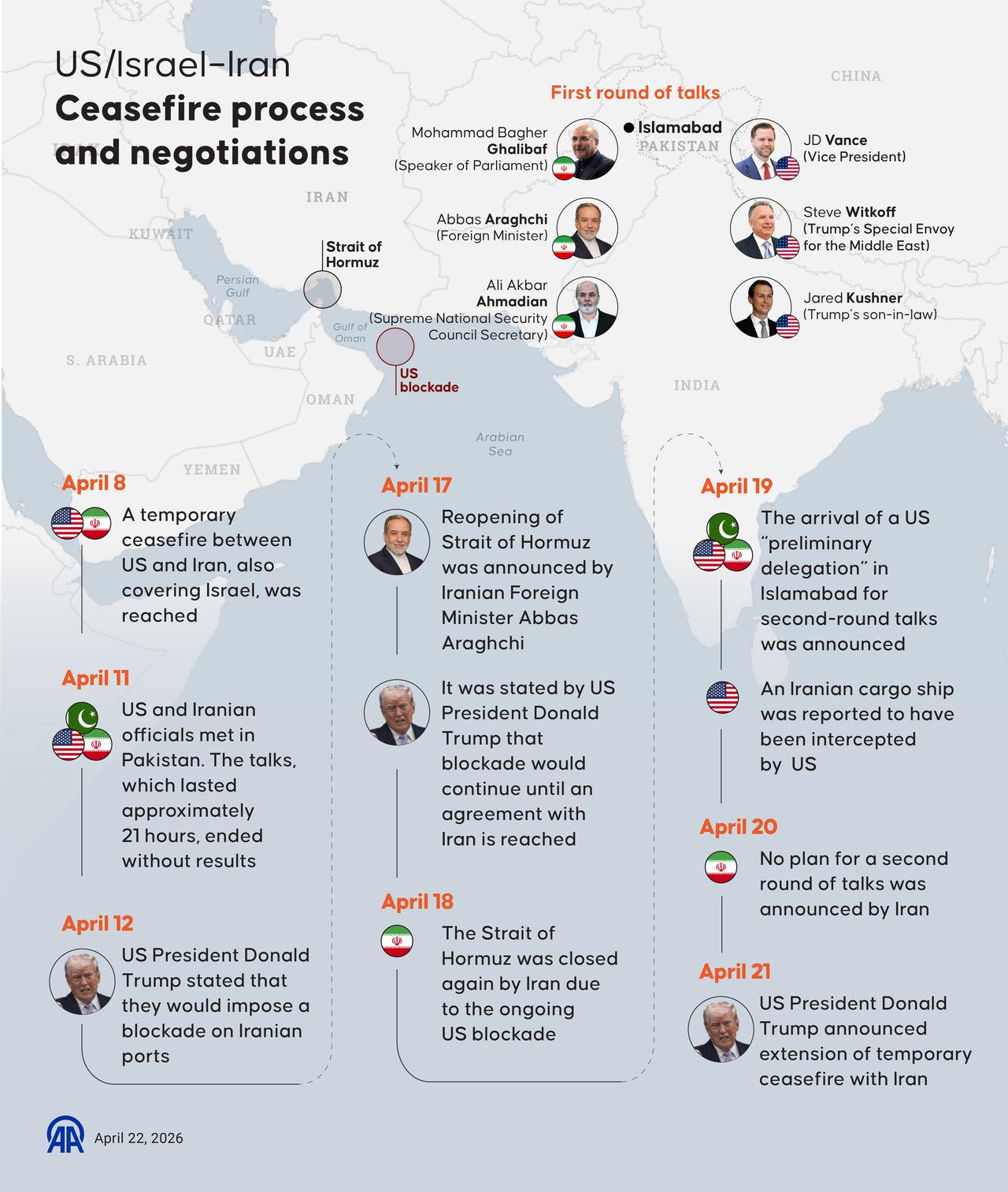

As described by Axios, the MoU would include the following:
On the enrichment moratorium's duration, Axios reported that three sources put the figure at least 12 years and one source placed the likely landing spot at 15 years.
Iran had proposed a five-year moratorium; the U.S. demanded 20 years. A U.S. official told Axios that Washington wants a clause whereby any Iranian enrichment violation would extend the moratorium. After it expires, Iran would be permitted to enrich to the low level of 3.67%.
In a significant development, two sources with knowledge of the talks told Axios that Iran would agree to remove its stockpile of highly enriched uranium from the country, a key U.S. priority Tehran had previously rejected. One source said an option under discussion involves transferring the material to the United States.
"If negotiations collapse within the 30-day window, U.S. forces would be able to restore the blockade or resume military action," a U.S. official told Axios.
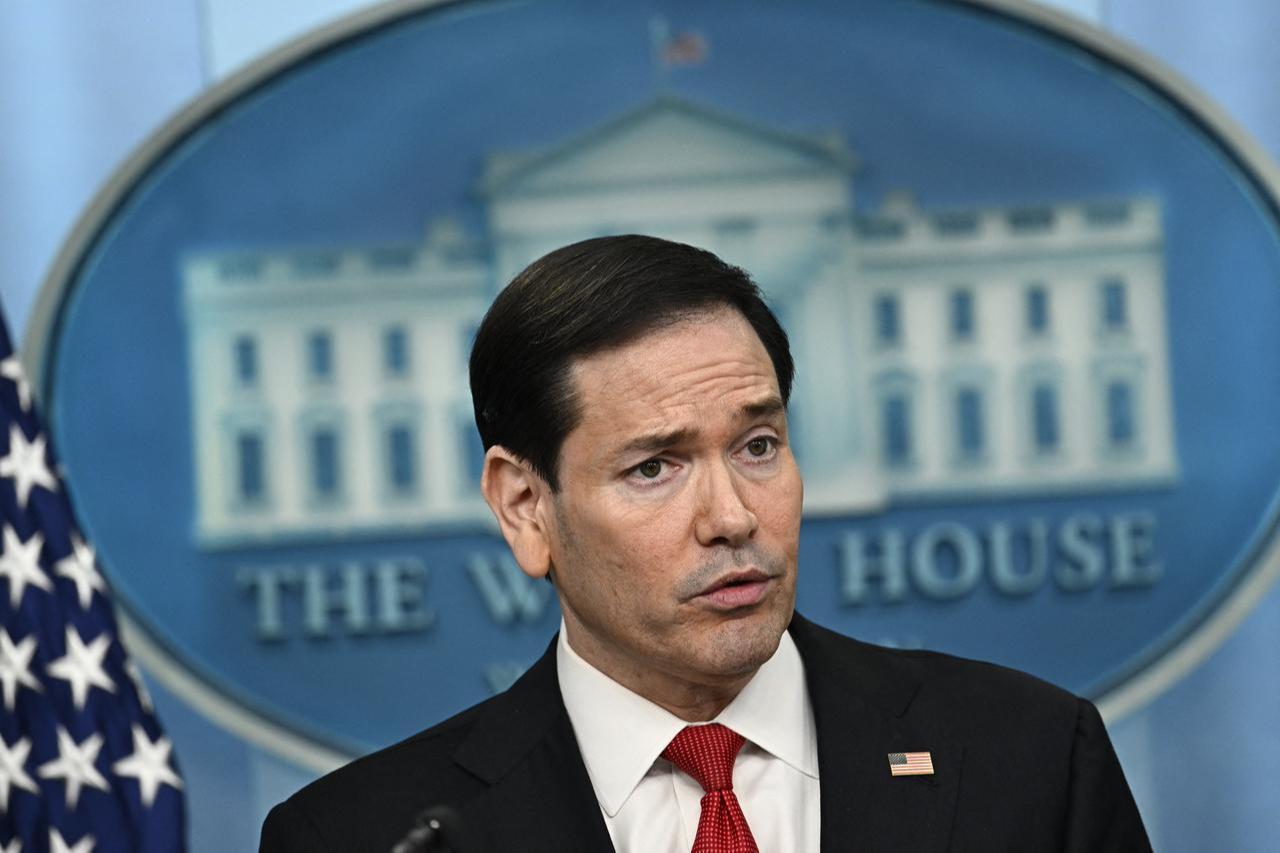
Secretary of State Marco Rubio acknowledged the complexity of the talks Tuesday, saying "we don't have to have the actual agreement written in one day," but added that any diplomatic solution must be "very clear on the topics they are willing to negotiate on and the extent of the concessions they are willing to make at the front end."
Rubio also called some of Iran's top leaders "insane in the brain" and said it was unclear whether they would ultimately make a deal.
The White House acknowledged that the Iranian leadership is divided and that forging internal consensus among factions may prove difficult. Some U.S. officials remain skeptical that even an initial deal will be reached, Axios noted, citing previous rounds of failed optimism.
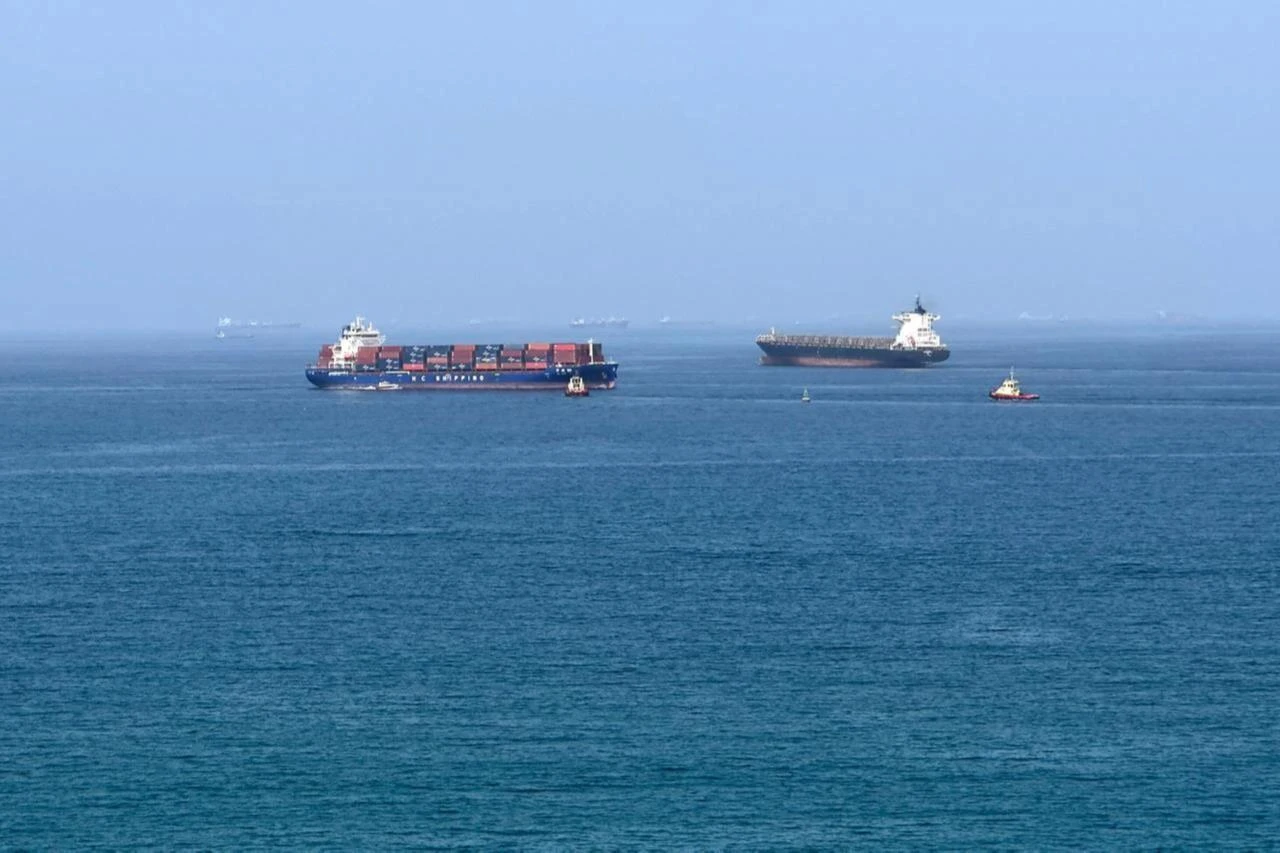
"Trump's decision to pause Project Freedom, the U.S. operation to guide stranded vessels through the Strait of Hormuz, was based on progress in the talks," two U.S. officials told Axios.
Pakistani Prime Minister Shehbaz Sharif praised the Project-Freedom pause and expressed optimism about a lasting agreement.
"Pakistan remains firmly committed to supporting all efforts that promote restraint and a peaceful resolution of conflicts through dialogue and diplomacy," Sharif wrote on X.
"We are very hopeful that the current momentum will lead to a lasting agreement that secures durable peace and stability for the region and beyond."
Sharif specifically credited Saudi Crown Prince Mohammed bin Salman as one of those who requested the pause alongside Pakistan.
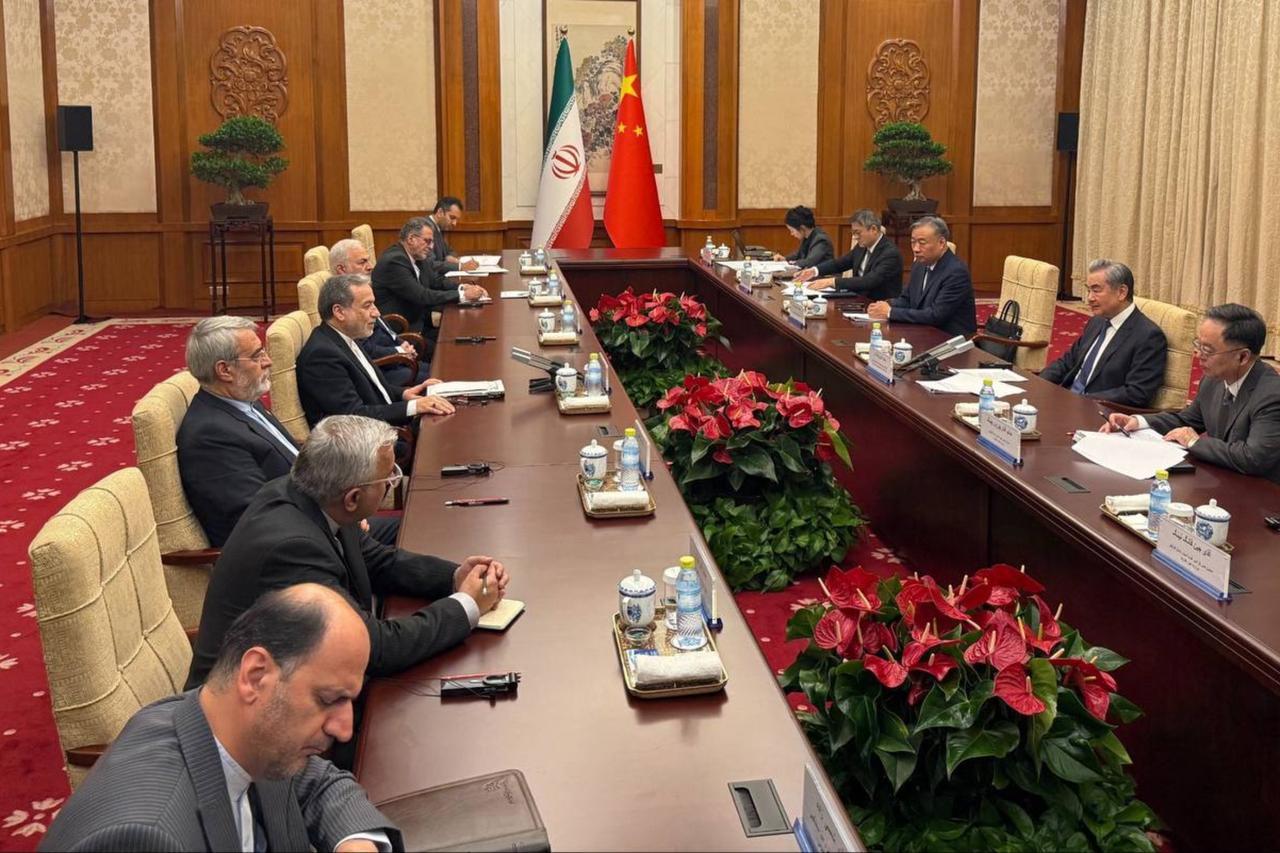
Iranian Foreign Minister Abbas Araghchi traveled to Beijing on Wednesday to brief Chinese Foreign Minister Wang Yi on Pakistan-mediated negotiations between Tehran and Washington.
"Iran, just as it acted decisively in defending itself and remains fully prepared to confront any aggression, is also serious and steadfast in the field of diplomacy," Araghchi said, according to Iran's Foreign Ministry.
Wang praised Iran's "responsible approach" and reaffirmed China's opposition to the use of force, while expressing support for diplomacy as the only path to resolving regional disputes. The two sides also discussed bilateral economic cooperation.
Araghchi's Beijing visit comes ahead of Trump's scheduled summit with Chinese President Xi Jinping on May 14-15.
Separately, Araghchi held a phone call with Saudi Foreign Minister Prince Faisal bin Farhan, during which both sides stressed continuing diplomacy and regional coordination "to prevent the emergence and escalation of tension," according to Iran's Foreign Ministry.


 Set as preferred source
 Set as preferred source


 1 min read
 1 min read