Newsletters


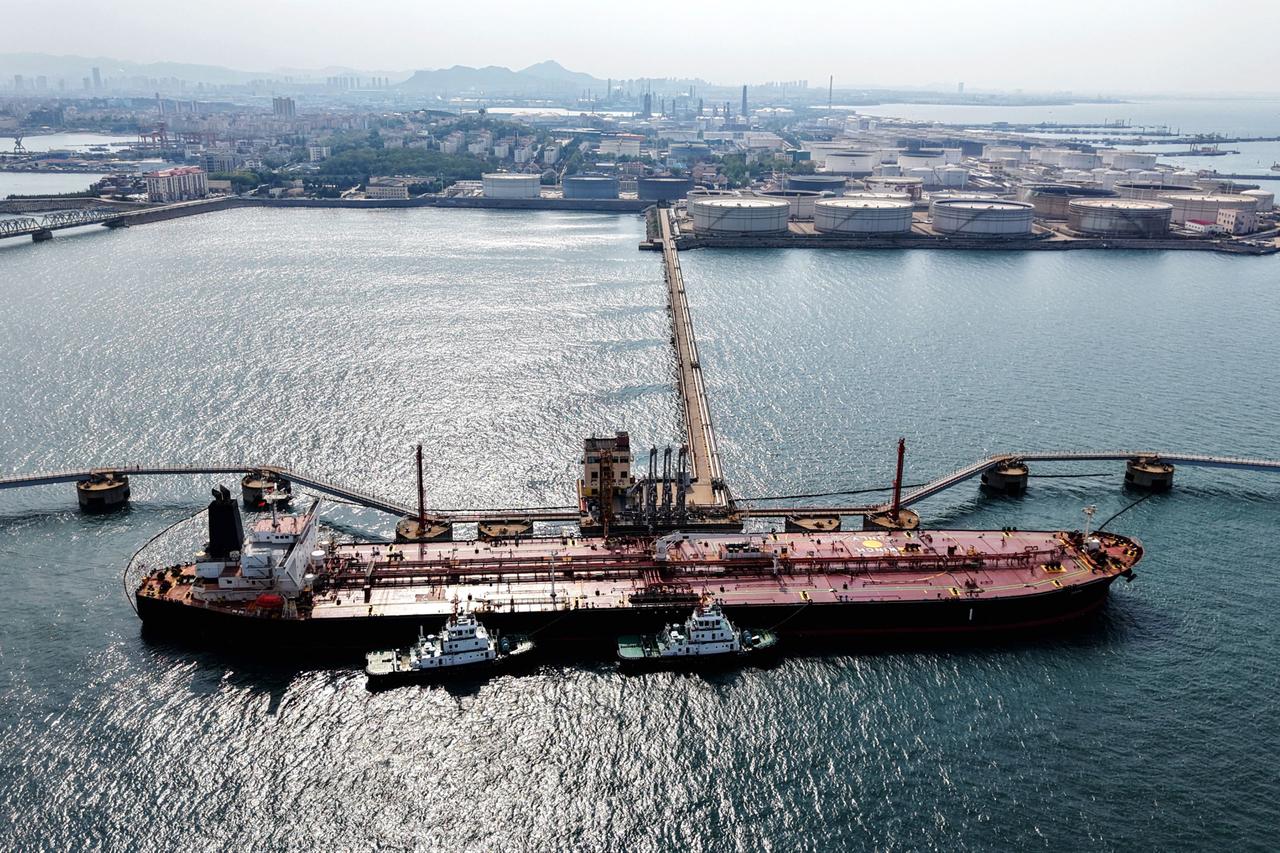


Oil prices extended losses on Wednesday while global stocks and precious metals climbed after U.S. President Donald Trump signaled progress toward a possible agreement with Iran and suggested tensions around the Strait of Hormuz may ease.
International benchmark Brent crude and U.S. West Texas Intermediate both fell more than 1% in early trading, following sharp declines a day earlier. Brent traded at $108.4 per barrel while WTI stood near $101 as of 5:42 a.m. GMT.
Asian markets moved higher across the board, led by South Korea’s Kospi, which surged more than 7% to surpass the 7,000-point level.
Japan’s Nikkei 225 gained 0.4%, Hong Kong’s Hang Seng rose 0.8%, and China’s Shanghai Composite added 0.9%.
European futures also pointed higher, while major U.S. indexes posted modest gains.
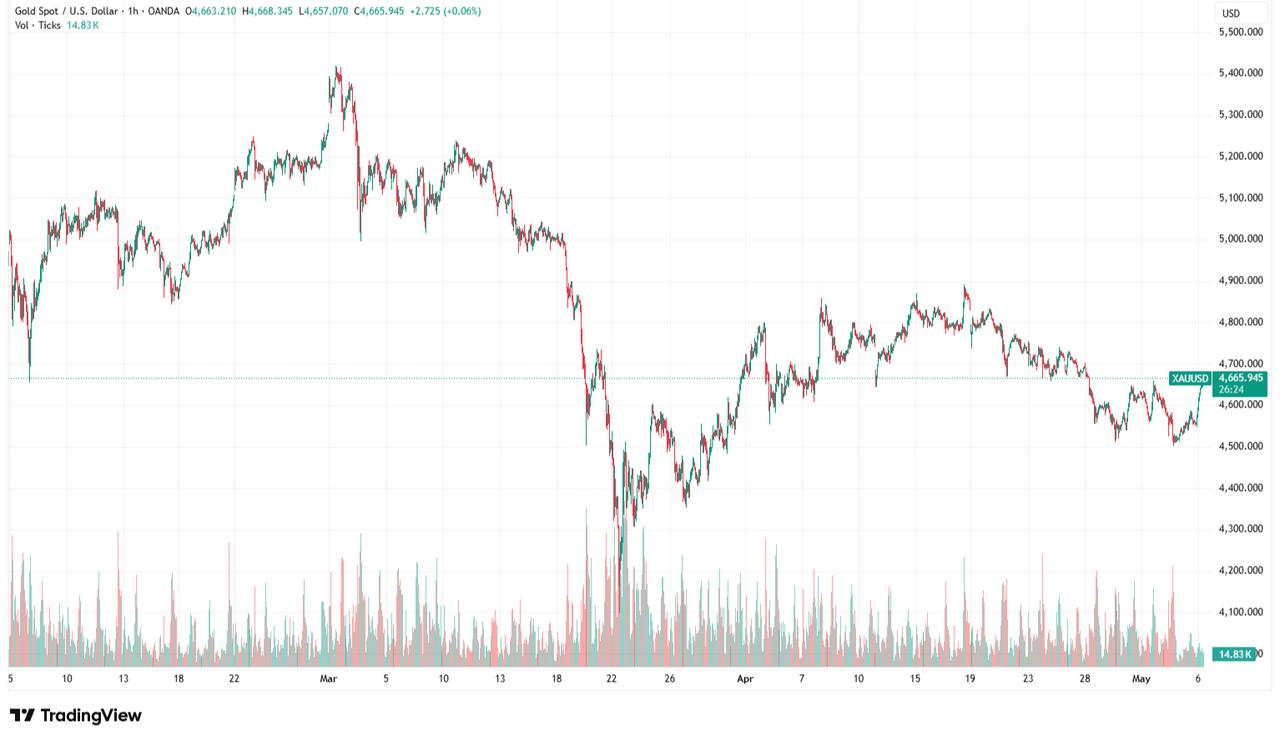
Gold climbed 2% to move back above $4,660, while silver jumped 4% to $75.8 per ounce. Palladium and platinum also advanced around 2%.
In cryptocurrency markets, bitcoin edged up 0.4% to $81,230, while ethereum slipped 0.7% to $2,360.

Investors reacted positively after Trump announced a temporary pause in efforts to guide stranded vessels through the Strait of Hormuz, where Iranian attacks had raised concerns over maritime security and the stability of a fragile ceasefire.
"Project Freedom (the movement of ships through the Strait of Hormuz) will be paused for a short period of time to see whether or not the Agreement can be finalized and signed," Trump wrote on Truth Social.
He stated that “great progress” had been achieved toward a "complete and final agreement" with Iranian representatives, adding that the move came following a request from Pakistan, which has acted as a mediator. However, he added that the U.S. blockade on Iranian ports would remain in place.
U.S. Secretary of State Marco Rubio also announced that the offensive phase of the U.S. military campaign known as "Operation Epic Fury" had ended.
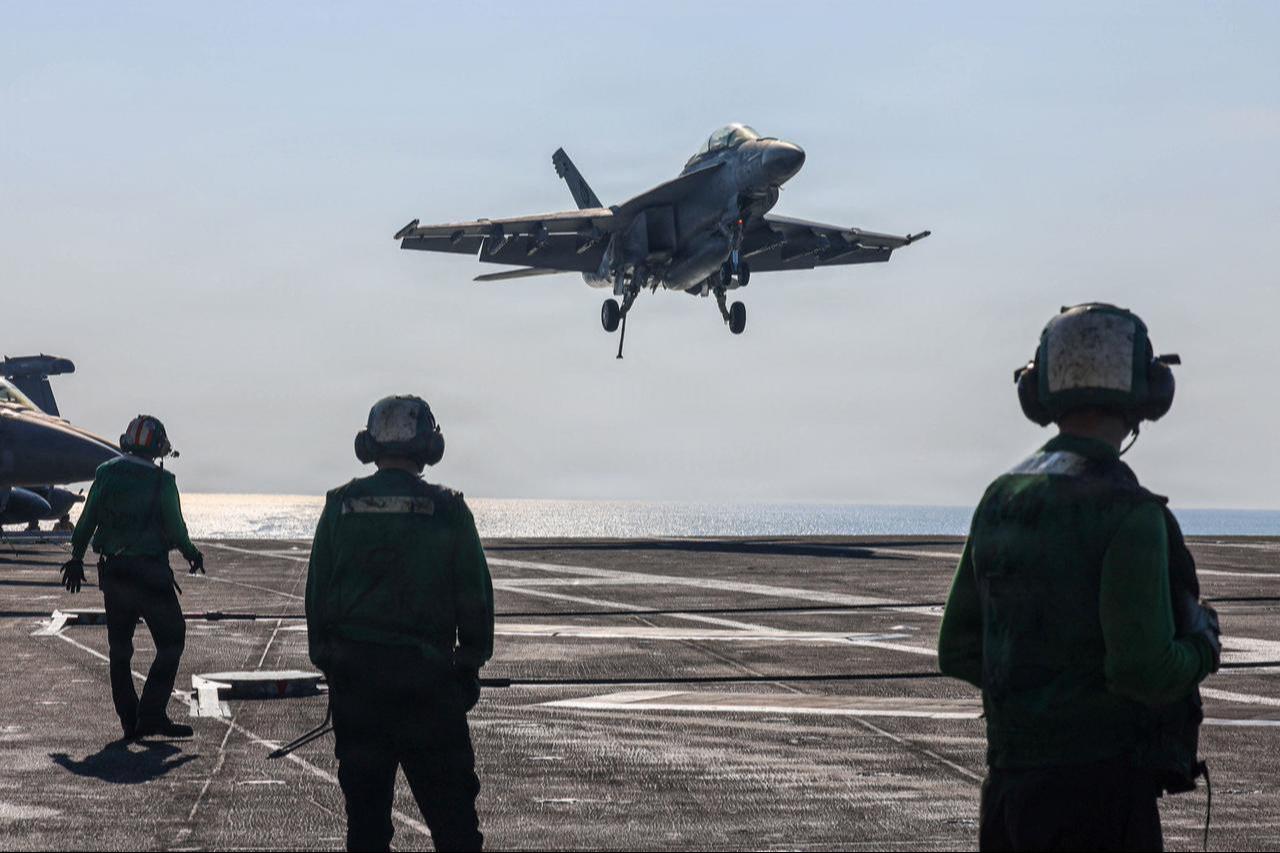
Since the war began on Feb. 28, global markets have remained under pressure amid energy supply disruptions in the Strait of Hormuz, creating what the International Energy Agency (IEA) described as the biggest energy crisis in history.
Surging energy prices have raised fears of global inflationary pressures and weighed on markets as risk appetite weakened over concerns about tightening financial conditions.
A deal ending the war and ensuring stability in the region would likely ease pressure on global energy markets, reduce inflation concerns and improve investor confidence across major financial assets.
However, the impact of already elevated oil prices is likely to remain significant for some time even if the strait reopens, as Gulf oil exporters may need time to restore full operational capacity and stabilize supply chains.


 Set as preferred source
 Set as preferred source


 1 min read

 1 min read