Newsletters


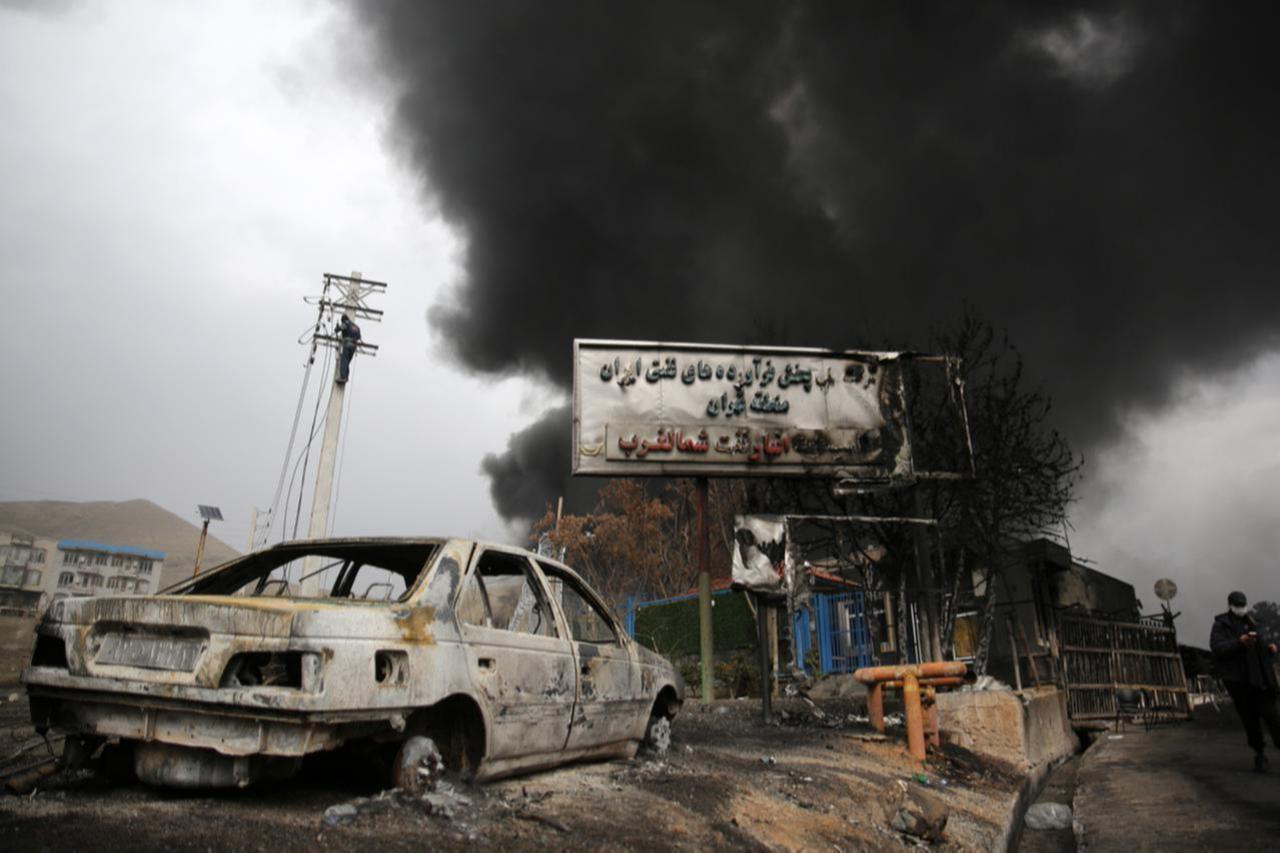


Mediators believe the U.S. and Iran are close to an agreement that would extend their cease-fire by 60 days and set a framework for talks on Tehran’s nuclear program, people briefed on the negotiations said, The Financial Times reported.
The proposed deal would include a gradual reopening of the Strait of Hormuz and a commitment to discuss the fate of Iran’s stockpile of highly enriched uranium, including possible dilution or handover.
The U.S. would also ease its blockade of Iranian ports and agree to sanctions relief, along with the phased unfreezing of Iranian assets held abroad.
Iranian Foreign Ministry spokesperson Esmael Baghaei said Saturday that Tehran was discussing a “memorandum of understanding” to end the war as the first phase of a possible deal.
“We are now finalising this memorandum of understanding,” Baghaei said.
He said the next stage would involve detailed negotiations on a broader agreement within 30 to 60 days.
Baghaei described the state of the talks as both “very far and very close” to an agreement.
“On one hand, we have the experience of the American side’s contradictory statements and shifting positions. They have put forth conflicting stances several times,” he said.
“We cannot be completely certain that this approach will not change,” he added.
“At the same time, the views of the two sides are getting closer, not in the sense that we have reached an agreement on such significant issues, but in the sense that we can reach a mutually satisfactory solution based on a set of parameters,” Baghaei said.
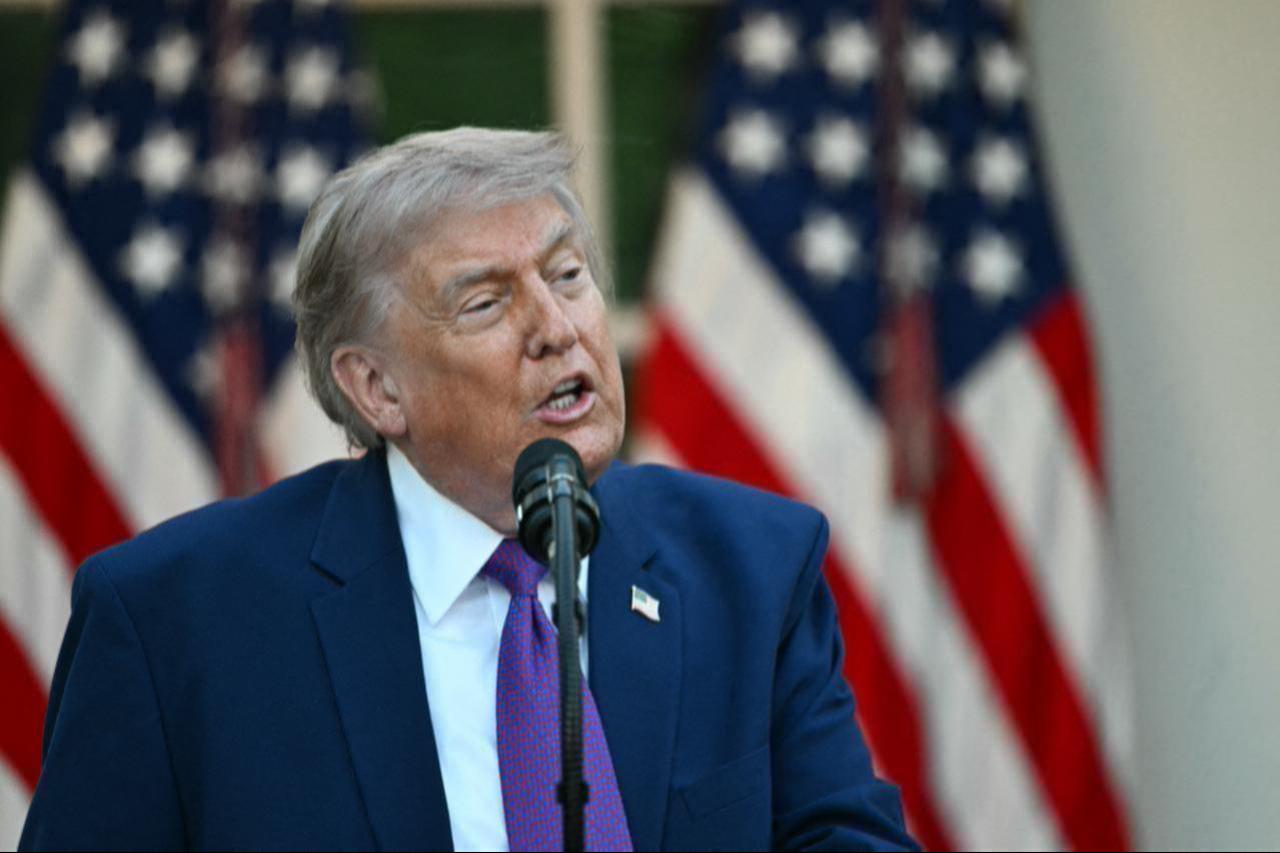
The effort to reach an agreement has intensified amid concerns that U.S. President Donald Trump could resume strikes on Iran within days if no deal is reached.
“The deal seems to be going in the right direction. It’s with the Americans now for review,” a diplomat briefed on the talks said.
“Iranians are likely ready to give more on nuclear energy but won’t do it while the war is ongoing — this deal helps bridge the gap,” the diplomat added.
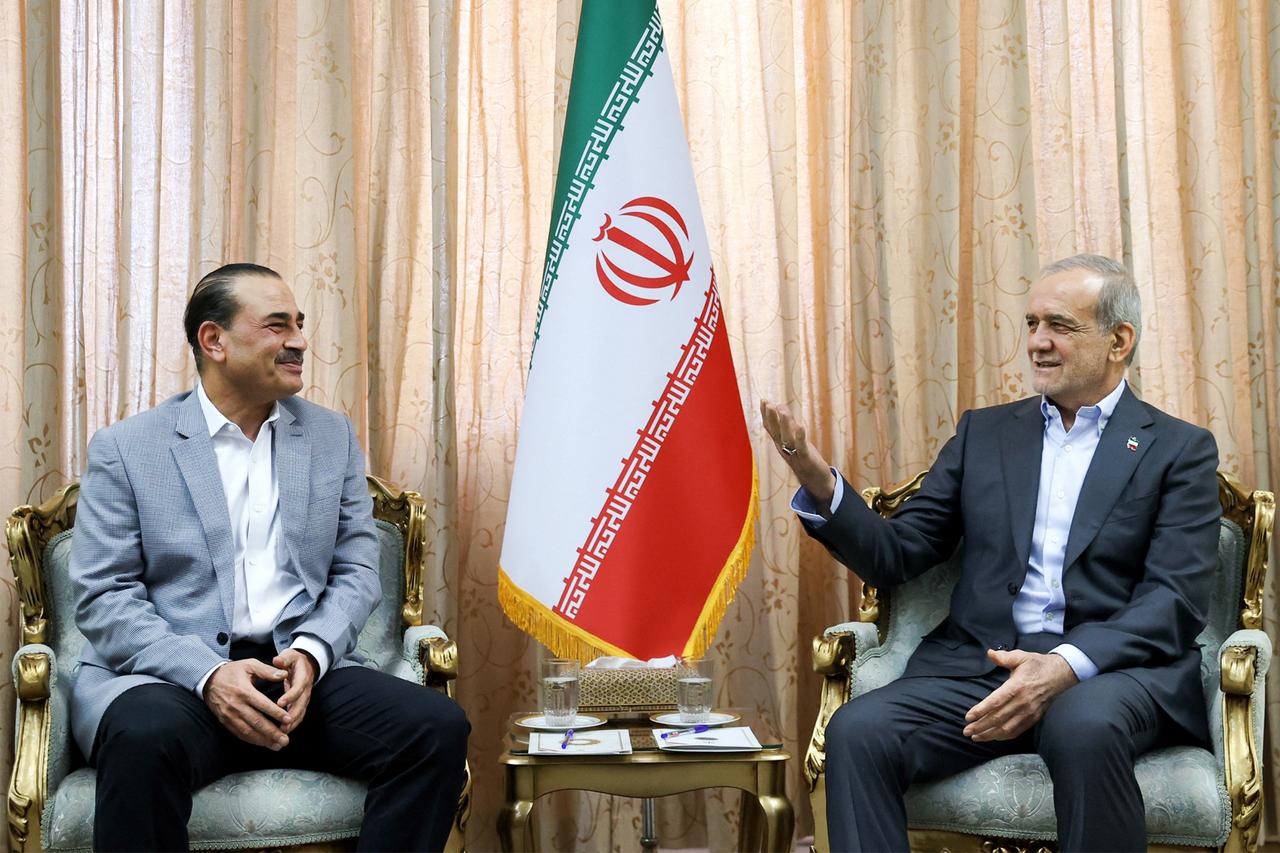
The progress followed talks by Pakistani and Qatari negotiators with Iranian counterparts on Thursday and Friday.
The mediators were in regular contact with U.S. envoy Steve Witkoff while speaking to the Iranian delegation, which was led by parliamentary speaker Mohammad Bagher Ghalibaf and Foreign Minister Abbas Araghchi.
One of the main obstacles remains Trump’s demand that Iran hand over its stockpile of 440 kilograms of uranium enriched close to weapons-grade levels.
Trump has also insisted that Iran never have the capacity to develop a nuclear weapon.
The U.S. president has demanded that Iran dismantle its three main nuclear sites: Natanz, Fordow and Isfahan.
The U.S. bombed the sites after joining Israel’s 12-day war against Iran last June.
The highly enriched uranium is believed to be beneath the rubble of those sites, mostly at Isfahan.

Ghalibaf told Field Marshal Asim Munir, Pakistan’s lead negotiator, that Tehran would not step back from its “rights,” especially when dealing with the U.S., which he said “has not been sincere and cannot be trusted.”
He added that Iran would use diplomacy to secure its “legitimate rights and interests.”
According to Iranian media, Ghalibaf also said Iran had rebuilt its military capabilities during the cease-fire, which began in early April.
He said Tehran was prepared to respond in a more “crushing” manner if the U.S. resumed the war.
Trump said Monday that the U.S. had held off from renewing attacks on Iran, which he said would have been launched the following day, while “serious negotiations” with Tehran were taking place.
He said Saudi Arabia, Qatar and the UAE had asked him to suspend the military assault.
Washington’s regional allies fear that renewed U.S.-Israeli strikes would lead Iran to retaliate against Gulf states, which have faced Iranian attacks, and worsen the global energy crisis.


 Set as preferred source
 Set as preferred source


 1 min read
 1 min read