Newsletters




Iran said Saturday it is in the final stage of drafting a 14-point framework for a possible agreement with the U.S. to end the war, while signaling that gaps remain on major issues and that the nuclear file will be handled separately at a later stage.
Iranian Foreign Ministry spokesperson Esmaeil Baqaei said Tehran’s priority in the current phase is ending the war on all fronts, including Lebanon, according to Iranian state television.
“Our intention was first to draft a memorandum of understanding, a kind of framework agreement composed of 14 clauses,” Baqaei said.
He said the two sides had exchanged views based on Iran’s proposal and that discussions in recent days had focused on several points that were still under review.
“We are currently in the process of finalising these memoranda of understanding,” Baqaei said.
Baqaei said there was a “trend towards rapprochement” between Tehran and Washington, but cautioned that this did not mean an agreement on major issues had already been reached.
He said Iran could be described as “very far and very close” to an agreement at the same time, citing what he called contradictory positions from the U.S. side.
He said Tehran could not be fully certain that Washington’s approach would not change again.
At the same time, Baqaei said the exchange between the two sides was moving toward closer positions, based on a set of parameters that could allow for a mutually acceptable solution.
He said the framework would include the most important issues needed to end the war and matters of fundamental importance to Iran.
“Within a reasonable period of 30 to 60 days, the details of these points will be discussed and a final agreement will ultimately be concluded,” Baqaei said.
Baqaei said Iran was not discussing the details of the nuclear issue at this stage.
“At this stage, we will not discuss the details of the nuclear issue,” he said.
He said Iran had decided to prioritize the urgent issue of ending the war on all fronts, including Lebanon.
Baqaei said the nuclear file would be subject to separate discussions at a later stage, possibly within the 30- to 60-day period after the memorandum of understanding is finalized.
He said the nuclear issue had been used as a pretext for two wars against Iran, adding that Tehran had come under attack while nuclear negotiations were underway.
Baqaei said Iran’s demand for the lifting of all sanctions had been clearly raised in the text.
He said sanctions are part of every discussion with the U.S. and described them as illegal and inhumane.
He said sanctions relief would not be discussed in detail during the current short phase because nuclear details are also not being discussed at this stage.
However, he said Iran’s demand for the removal of all sanctions had been explicitly included in the draft.
Baqaei said the release of Iran’s blocked assets was also part of the framework and should be addressed from the beginning.
He said both the nuclear issue and the release of Iran’s blocked funds would be included in the 14-point memorandum.
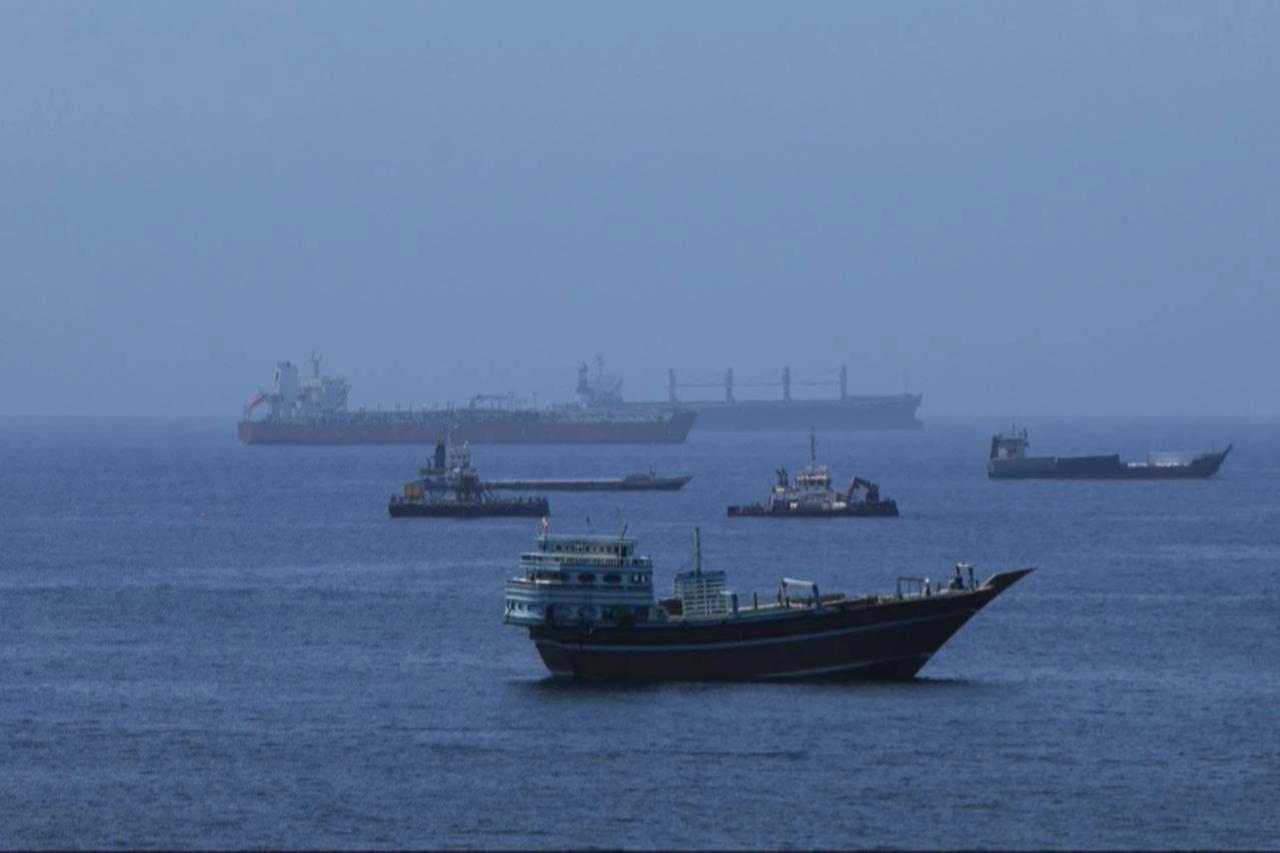
Baqaei said the Strait of Hormuz is also among the issues addressed in the 14-point memorandum.
He said the strait “has nothing to do with the U.S.” and that Iran and Oman, as coastal states, should define a mechanism for the waterway.
He said Tehran was in talks with relevant organizations and was aware of the importance of the route for the international community.
Baqaei said Iran and Oman would continue their work on a mechanism for safe ship passage through the strait.
He said the framework also addresses ending what he called U.S. “piracy” against international navigation.
“The issue of the Strait of Hormuz is among the subjects addressed in this 14-point memorandum of understanding but more importantly, ending the piracy carried out by the United States against international navigation,” Baqaei said.
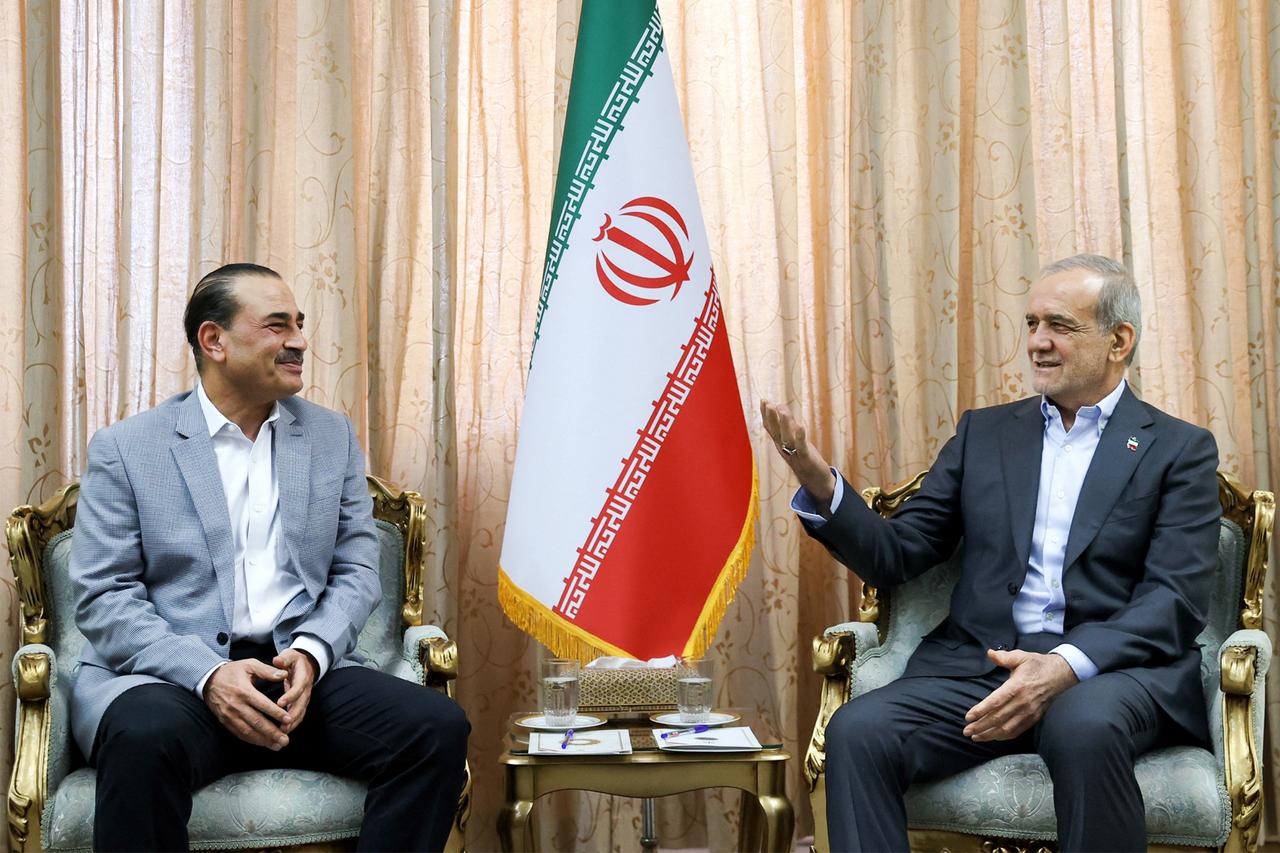
Baqaei said Pakistan had played an important role as the main mediator in the talks.
He said the latest visit by Pakistan’s army chief was aimed at continuing the exchange of messages between Iran and the U.S.
Senior U.S. and Iranian officials said Saturday they could be close to a breakthrough in talks to reach a draft deal to end the war in the Middle East.
U.S. Secretary of State Marco Rubio also said there was a chance that Washington might have something to announce soon.
“There is a chance that, whether it's later today, tomorrow, in a couple days, we may have something to say,” Rubio told reporters during a visit to New Delhi.
He said he hoped there would soon be “good news.”


 Set as preferred source
 Set as preferred source


 2 min read