Newsletters


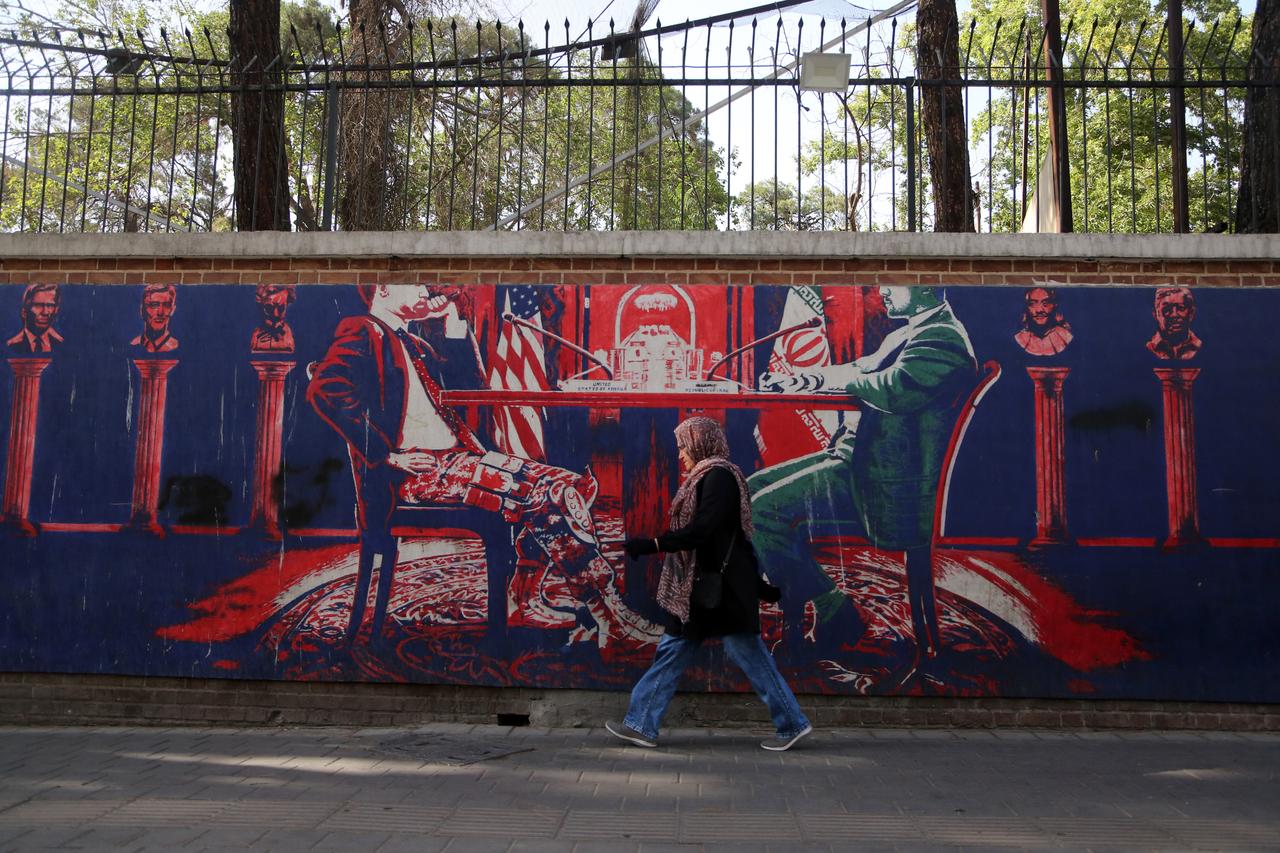


The United States and Iran have been working on secret proposals to implement the 14-point agreement signed this week, including details on the future of Iran's nuclear program, according to three U.S. officials, a regional official, and a former U.S. official familiar with the negotiations, CNN reported.
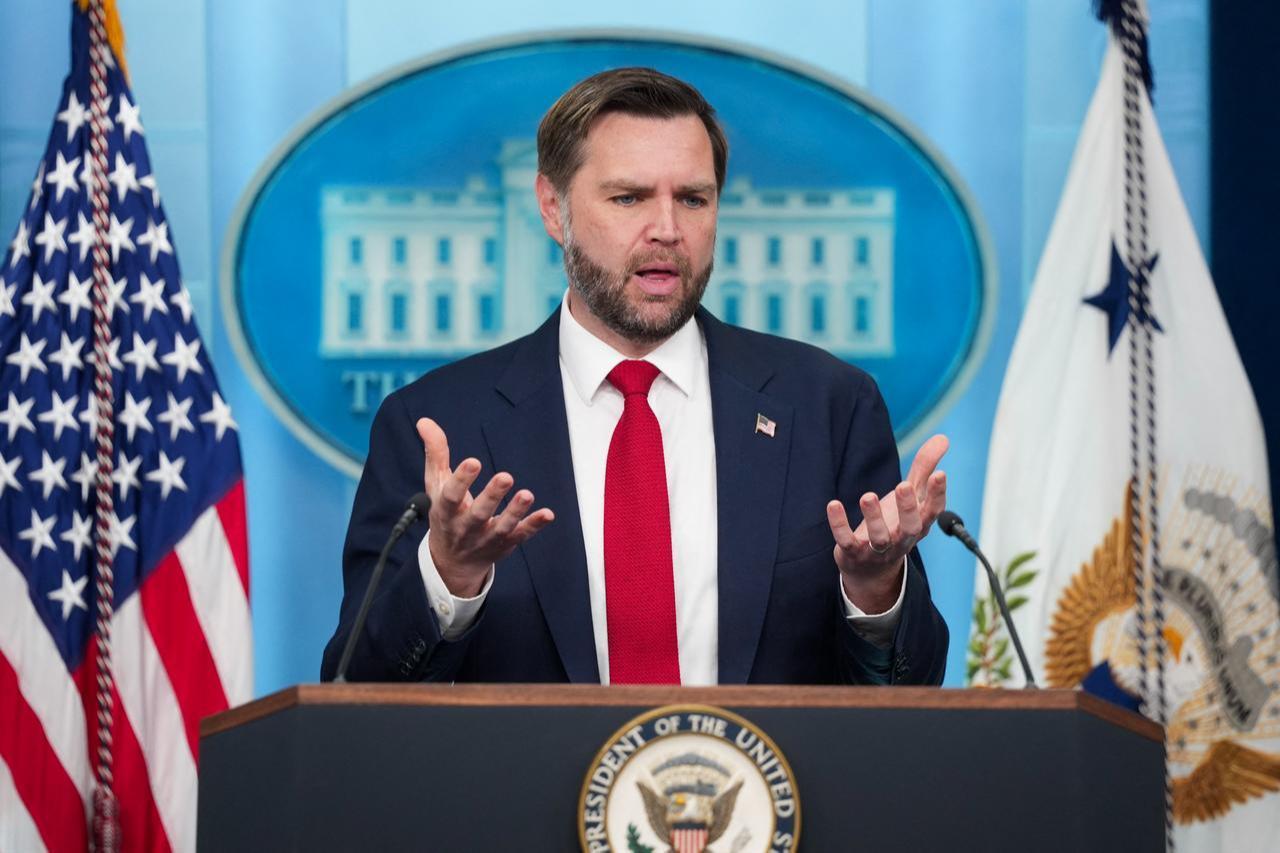
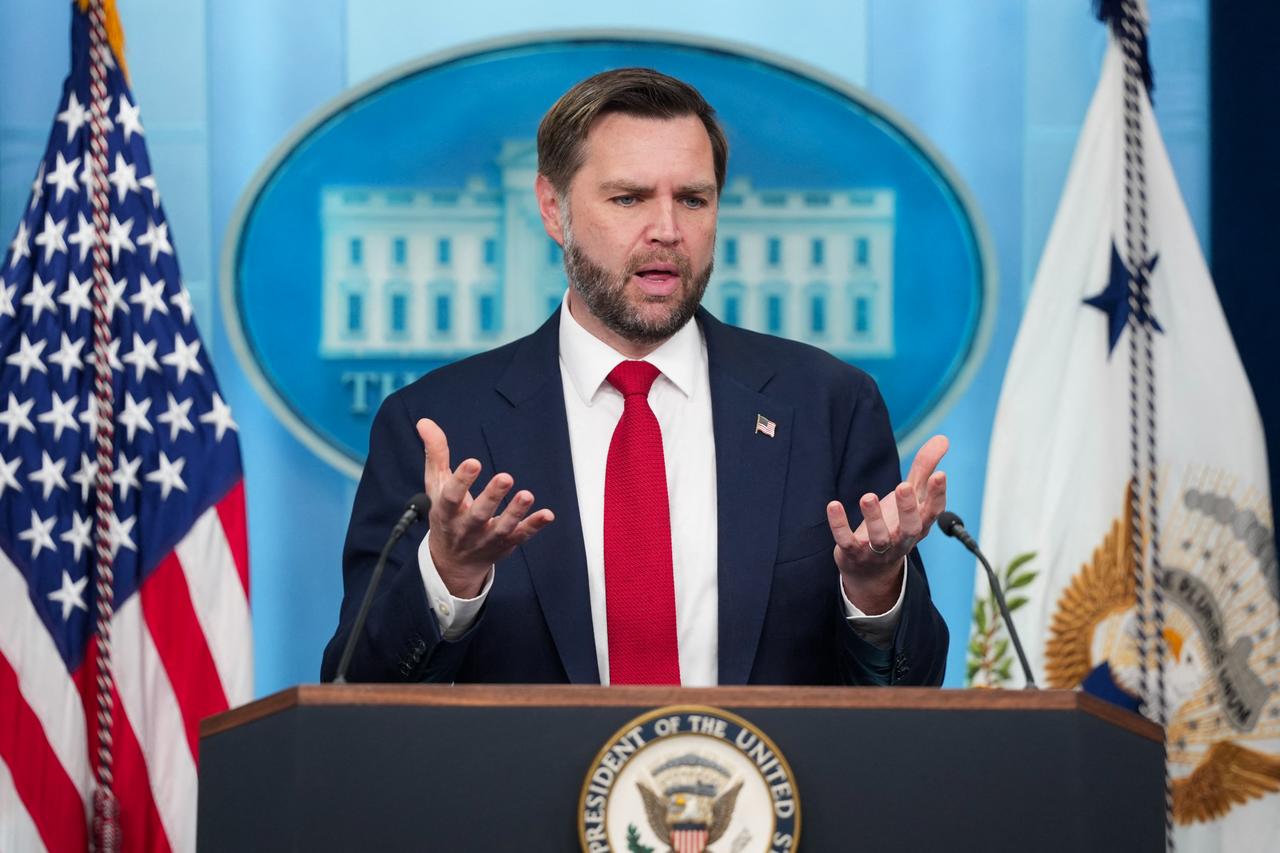
Vice President JD Vance indicated Thursday that at least some of what administration officials have called "gentleman's agreements" with Iran, arrangements that go beyond the memorandum of understanding (MoU), are written documents.
"Some of them are written down, but fundamentally, whether they're written down or spoken, this is why we structured the deal that we did, because we don't trust words, we trust action, and we trust conduct, and so we're going to reward conduct, and we're not going to reward any words, whether they're written on a sheet of paper or not," Vance said.

The sources emphasized that the proposals are far from final.
Iran has not signed any additional documents beyond the 14-point MoU, raising questions about whether the administration has overstated the commitments it has secured from Tehran.
U.S. negotiators chose to move forward with releasing the signed memorandum without waiting for Iran's senior leadership to formally sign off on the more detailed implementation proposals, according to one source familiar with briefings Trump officials gave to top congressional lawmakers.
"Securing Iran's formal sign-off on the still-secret proposals would have required additional time," the source said, so the U.S. side opted to release the signed memorandum and work through remaining details in subsequent talks.
Trump officials told lawmakers they are not aware of any "side deals" tied to the memorandum, but acknowledged that some relevant documents have not been publicly released.
"These include a letter from the Iranian government inviting the head of the International Atomic Energy Agency to conduct inspections, begin work on locating enriched material, and approve the participation of American nuclear experts in the process," the source said.
A regional official described the written portions of the proposals as "working" documents that both sides have agreed to formalize as a next step, including more specifics on the U.S. approach to talks on Iran's nuclear program.
A 60-day period of technical talks was slated to begin on Thursday.
White House spokeswoman Olivia Wales told CNN: "There are discussions on next steps but there are no finalized agreements beyond the MoU, and the U.S. negotiating team hopes to reach more agreements in the upcoming talks."
Talks scheduled for Friday between the U.S. and Iran in Switzerland to begin implementing the agreement were canceled, the Swiss Foreign Ministry announced early Friday.
"The discussion at Bürgenstock will not take place as planned today," the ministry said in a statement, adding, "Consequently, the meeting announced yesterday is cancelled."
The cancellation came after a White House spokesperson announced overnight that Vance, who is leading negotiations for the Trump administration, would not depart for Switzerland as planned.
"The logistics of these negotiations have never been simple or predictable. As of now the vice-president is not departing tonight," the spokesperson said.
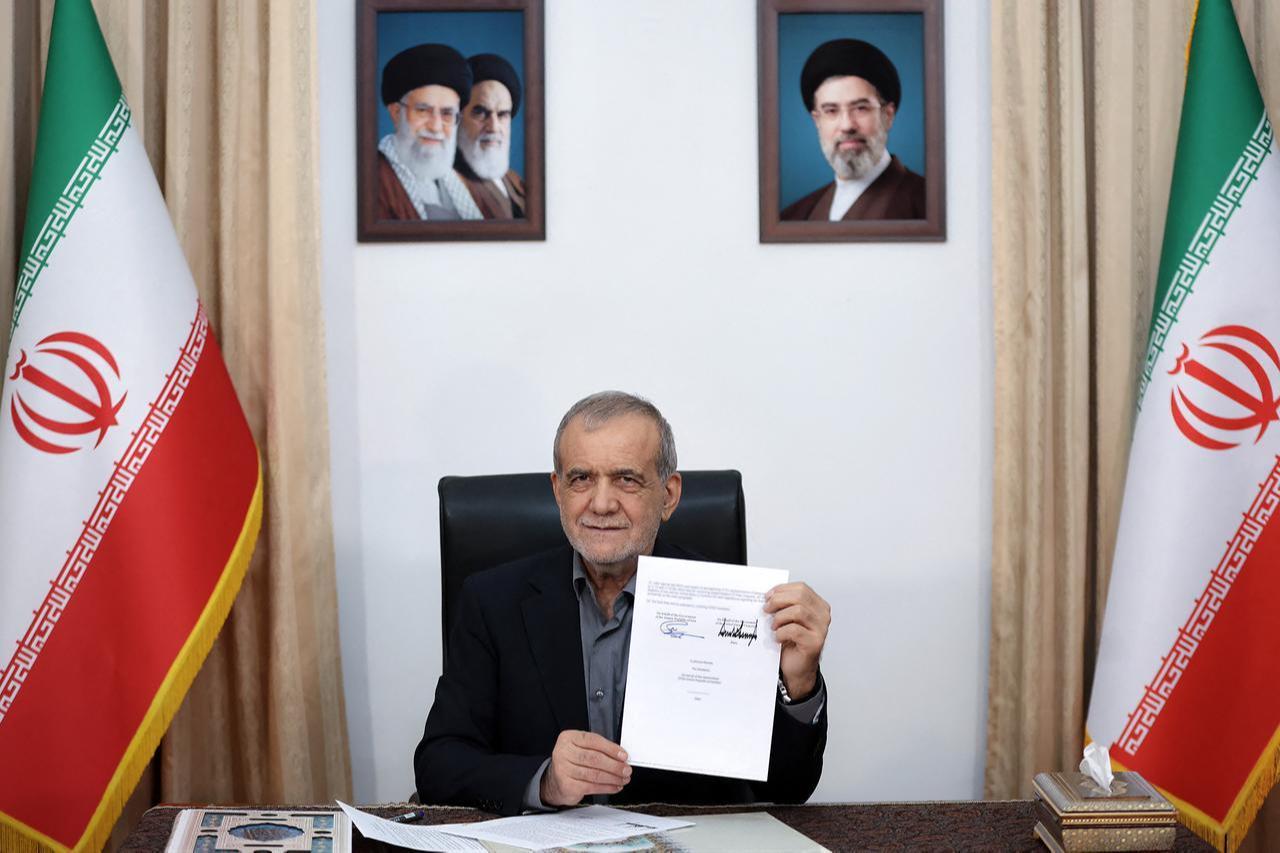
The talks had been set to begin in the Swiss village of Obbürgen, two days after Trump and Iranian President Masoud Pezeshkian electronically signed the Islamabad Memorandum of Understanding on Wednesday evening.
Pakistani Prime Minister Shehbaz Sharif also signed the document as mediator. Under its terms, Iran is to immediately reopen the Strait of Hormuz while the U.S. lifts its naval blockade, according to Sharif.
The cancellation also followed a wave of Israeli airstrikes in south Lebanon, which killed several people, after Hezbollah targeted Israeli forces.
The White House said it looked forward to "beginning technical talks as soon as possible."
Among the issues addressed in the auxiliary proposals is some mutual understanding on whether Iran will be permitted to continue enriching uranium at any level, according to the sources cited by CNN, a point of contention during the original negotiations and one of the most politically controversial issues in the domestic debate over the deal.
Arms control expert Jeffrey Lewis said the decision to keep the proposals secret is almost certainly intended to avoid domestic political embarrassment for either side.
He noted that much of the relevant technical information under consideration was already made public under the 2015 nuclear deal negotiated by the Obama administration.
"There is no national security reason to keep secret the kind of information that was public under the JCPOA," Lewis said, adding, "The devil is in the details and somebody does not want us to see one of the devils."
A senior U.S. official said Wednesday: "The motto that we want to have with this deal is no side deals, full transparency."


 Set as preferred source
 Set as preferred source


 1 min read

 1 min read