Newsletters


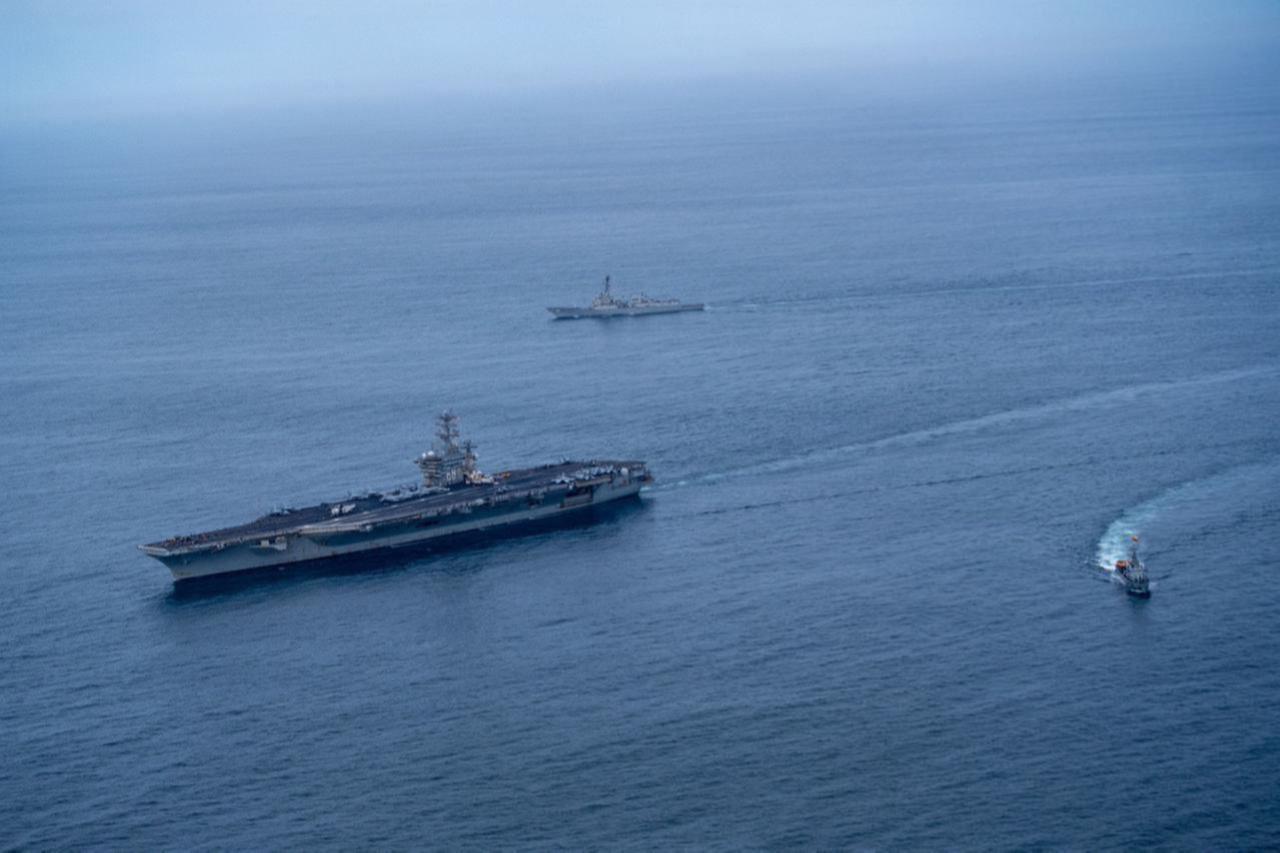


The United States military lifted its naval blockade of Iranian ports on Thursday, setting in motion the first tangible steps toward normalizing maritime traffic through the Strait of Hormuz after more than two months of near-total disruption to one of the world's most critical energy arteries.
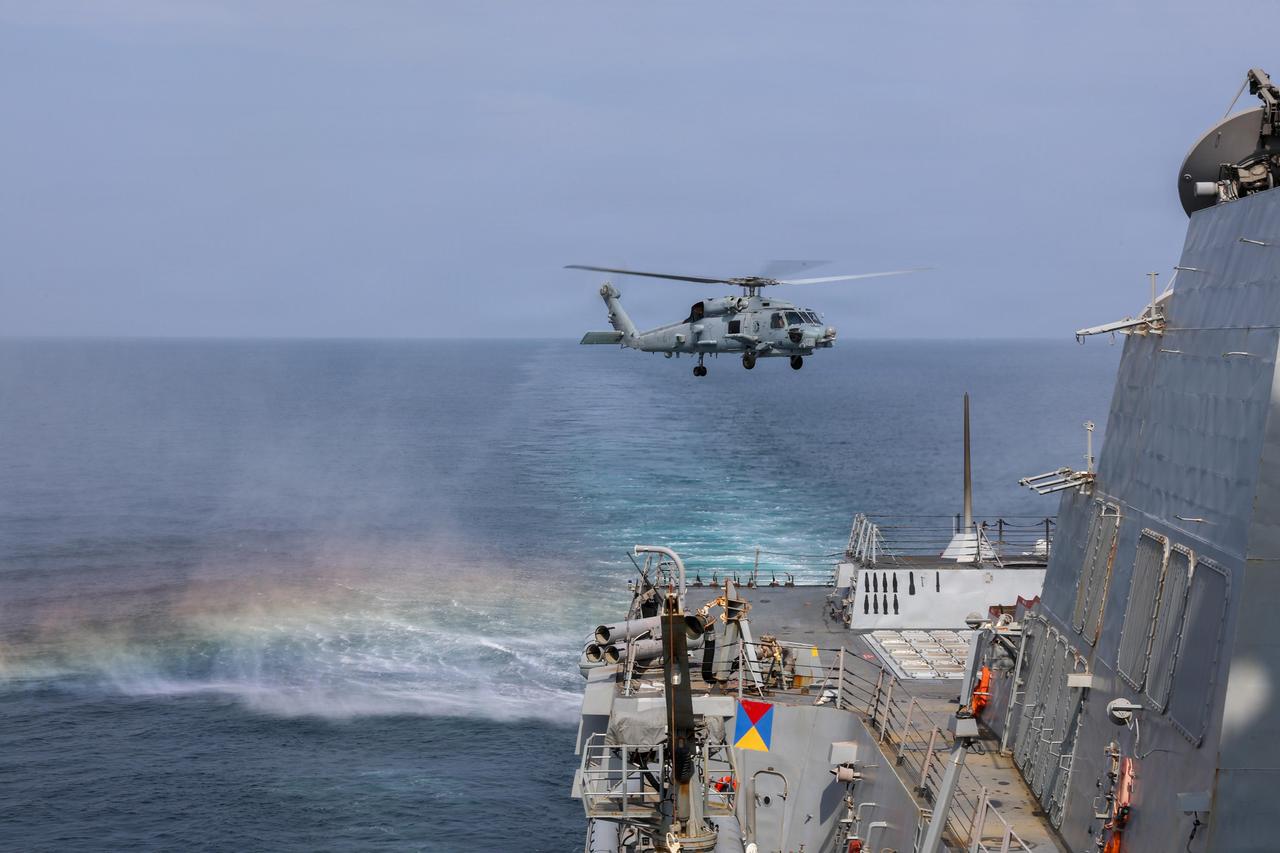
U.S. Central Command announced the move on X, saying American forces had ended their interdiction of "all maritime traffic entering and exiting Iranian ports and coastal areas," while noting that warships would remain in the area "to make sure that all aspects of the agreement are adhered to."
The blockade's removal followed the signing Wednesday of a memorandum of understanding between President Donald Trump and Iranian President Masoud Pezeshkian, a deal that initiates a 60-day negotiating window on broader issues between the two countries, chief among them Iran's nuclear program.
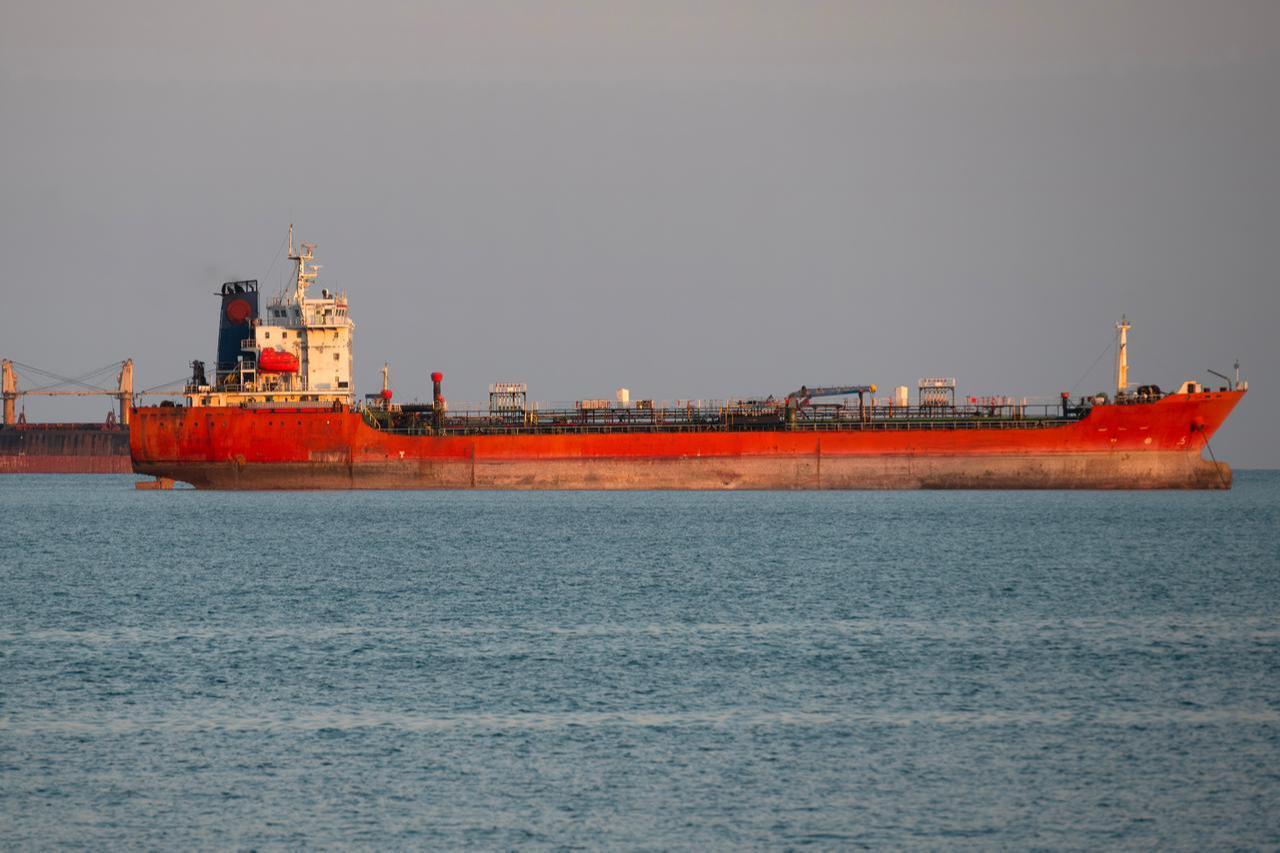

Early signs of a return to commercial movement emerged Thursday, with three Saudi oil tankers departing the Gulf through the strait, according to maritime trackers.
The French LNG tanker Mraikh became the first liquefied natural gas vessel flying a French flag to make the transit since the conflict began.
Vice President JD Vance said the U.S. military had, over the course of the blockade, allowed at least 12 ships to pass through.
Still, traffic remained far below normal. Before the conflict, the strait saw roughly 120 transits per day, according to the shipping journal Lloyd's List.
The Strait of Hormuz, a narrow channel between Iran and Oman, is the sole sea route out of the Persian Gulf and historically carries roughly a fifth of the world's seaborne oil supply, making its closure the most significant disruption to global energy flows in decades.
Oil prices fell following the deal's signing. Iran's foreign minister said vessels were already moving "without any problems" as a result of the blockade's removal.
The deal drew sharp rebukes from within Trump's own Republican Party. Senator Bill Cassidy called it "the worst foreign policy blunder in decades," arguing that Iran's nuclear ambitions had not been curbed and that Tehran had learned "that threatening the Strait of Hormuz works."
Trump dismissed his critics on social media Thursday, calling those who accused him of being insufficiently tough on Iran "fools," adding that anyone raising such objections was "either jealous, bad people, or stupid." He had said at the G7 summit that he was prepared to "bomb the hell" out of Iran if it violated the agreement.
Defense Secretary Pete Hegseth echoed that posture, warning that the U.S. military stood ready to "reimpose an ironclad blockade" if Iran failed to comply.
The mood in Tehran was mixed. Some residents expressed outright skepticism that the agreement would hold. "I have no hope that this is a lasting agreement," said Mina, 54, a psychologist in Tehran. "Maybe after the 60 days they start fighting again."
Iran's parliament speaker and lead negotiator Mohammad Bagher Ghalibaf framed the accord as an American "failure," while Pezeshkian called it "historic." Hardliners within Iran drew comparisons to the country's 1980-1988 war with Iraq under Saddam Hussein, calling the recent conflict an "imposed war."


 Set as preferred source
 Set as preferred source


 1 min read
 1 min read