

 Newsletters


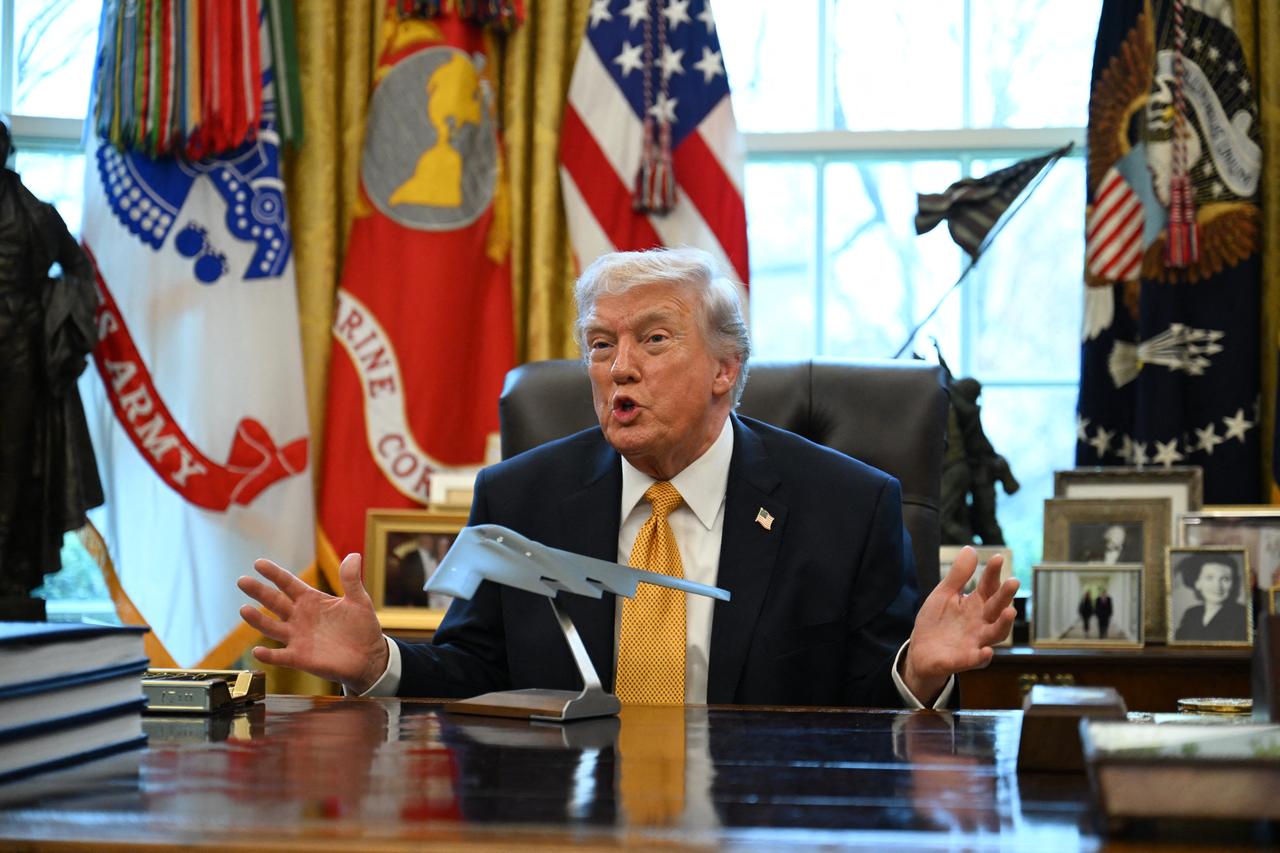


United States President Donald Trump said Wednesday that Israel will not strike Iran’s South Pars gas field again unless Tehran retaliates, while warning that any further attack on Qatar’s liquefied natural gas (LNG) infrastructure would trigger a massive U.S. response.
“The United States knew nothing about this particular attack (on the South Pars field), and the country of Qatar was in no way, shape, or form, involved with it, nor did it have any idea that it was going to happen,” Trump wrote on Truth Social.
His remarks appeared to contradict earlier reports suggesting Washington had prior knowledge of the strike but did not directly participate.
Trump said Iran had “unjustifiably and unfairly” targeted Qatar’s LNG infrastructure in Ras Laffan Industrial City after misinterpreting the situation.
He described the Israeli strike on South Pars as Israel having “violently lashed out” at the facility “out of anger,” adding that only “a relatively small section” was hit.
He warned that if Qatar’s LNG infrastructure were struck again, the United States would “massively blow up the entirety of the South Pars Gas Field”—with or without Israeli involvement—at a scale Iran had “never seen or witnessed before.”
According to U.S. and Israeli officials cited by Axios, Trump’s claim of no prior knowledge was inaccurate, with sources saying Washington and Tel Aviv coordinated the strike to deter Iran from disrupting oil flows through the Strait of Hormuz.
Axios also reported that Qatari officials contacted U.S. special envoy Steve Witkoff after the first Iranian missile strike to determine whether Washington had been informed. Witkoff later helped arrange a call between Trump and Qatari Emir Sheikh Tamim bin Hamad Al Thani.
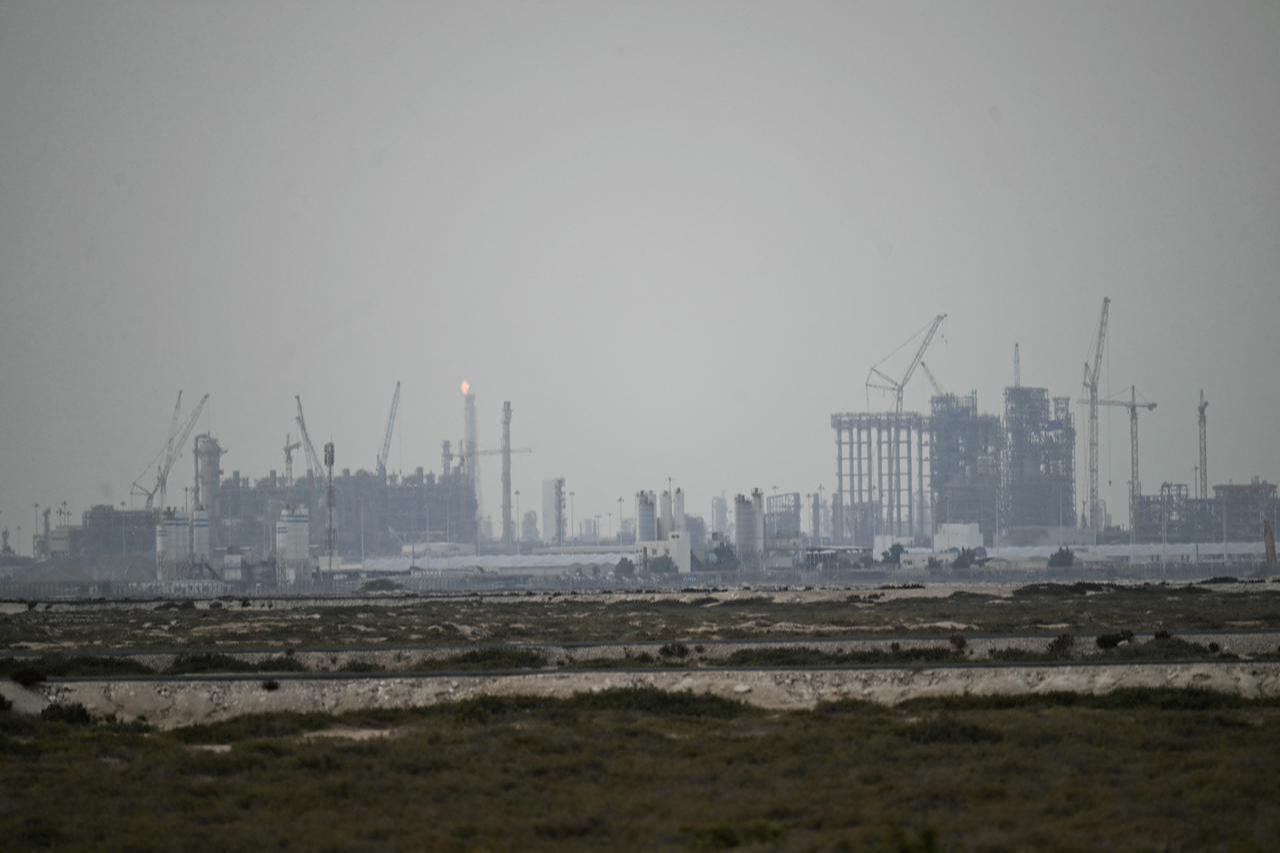

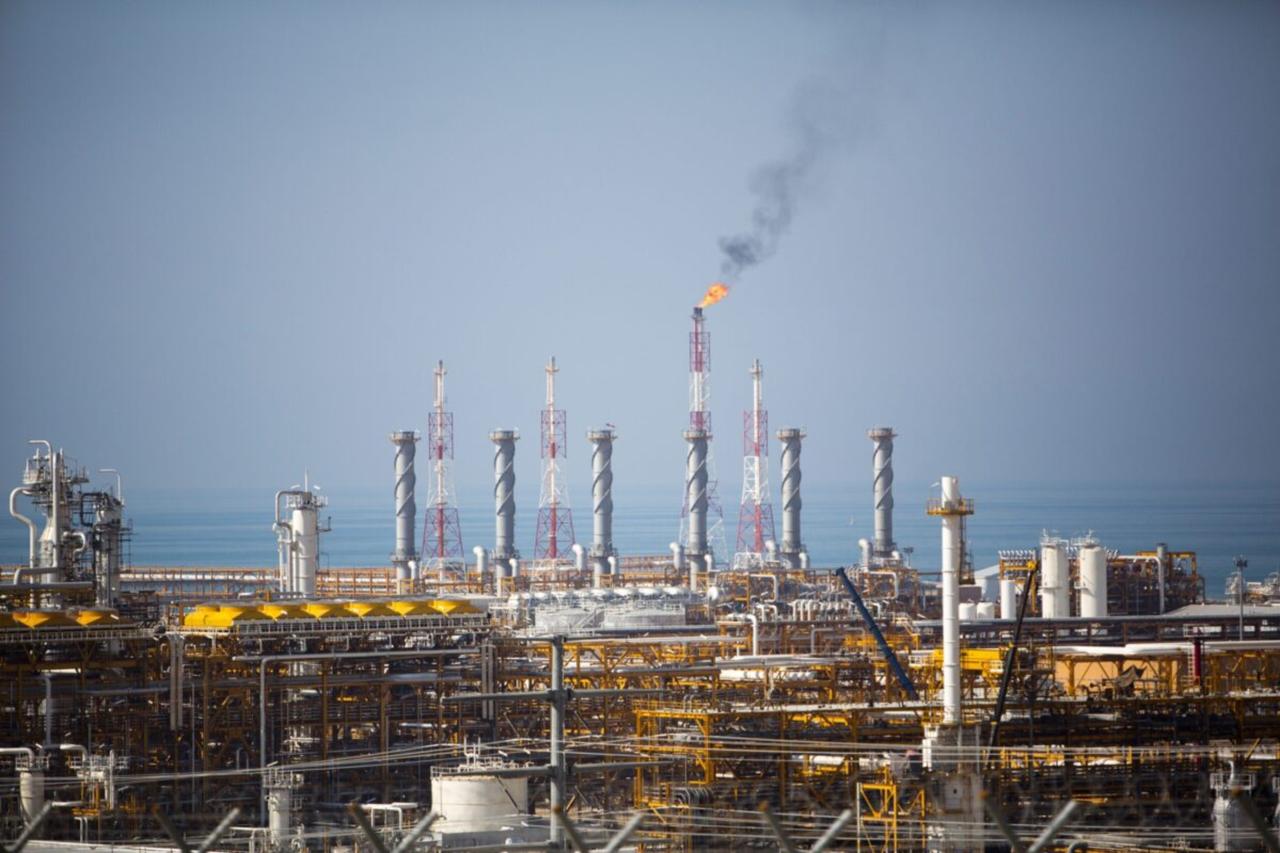
An Israeli airstrike hit the Iranian side of the South Pars gas field on Wednesday, halting production at two major refineries.
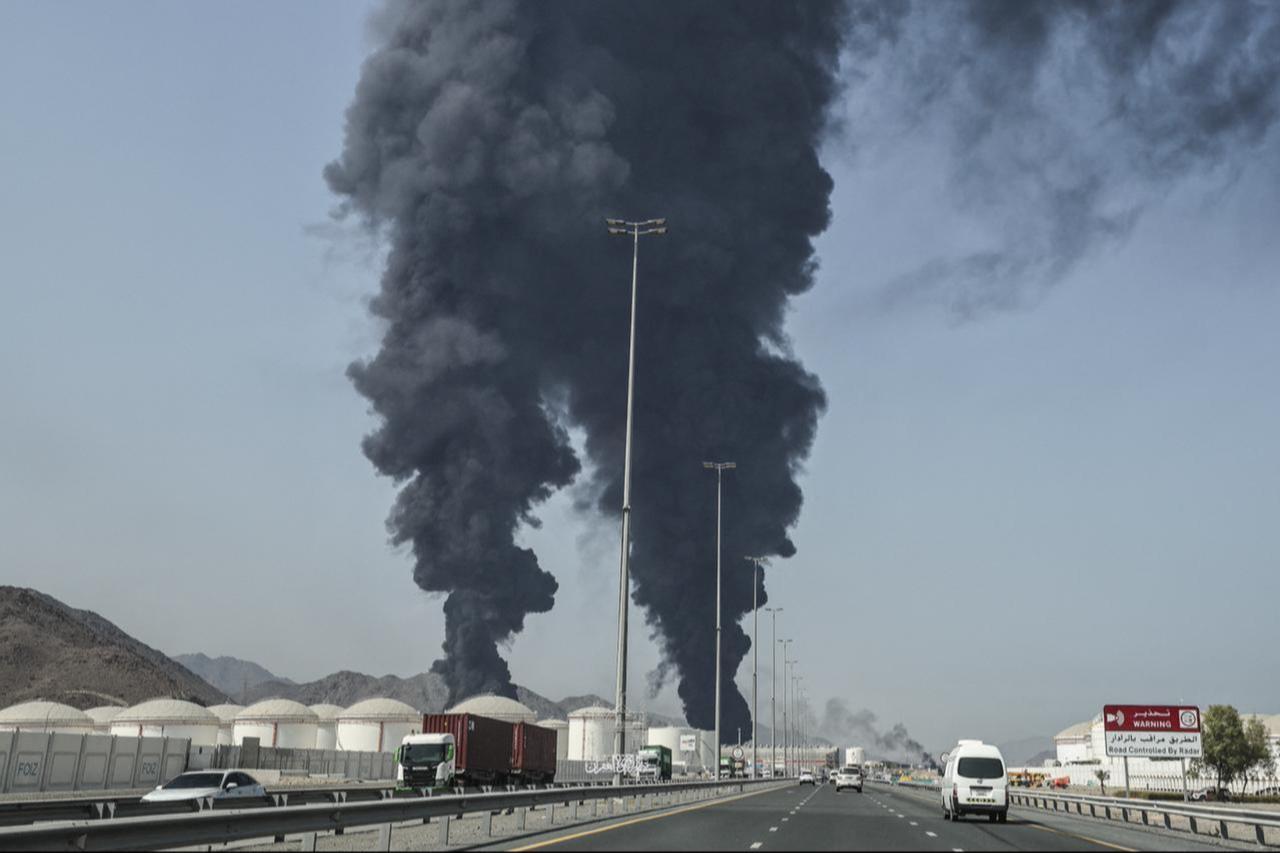
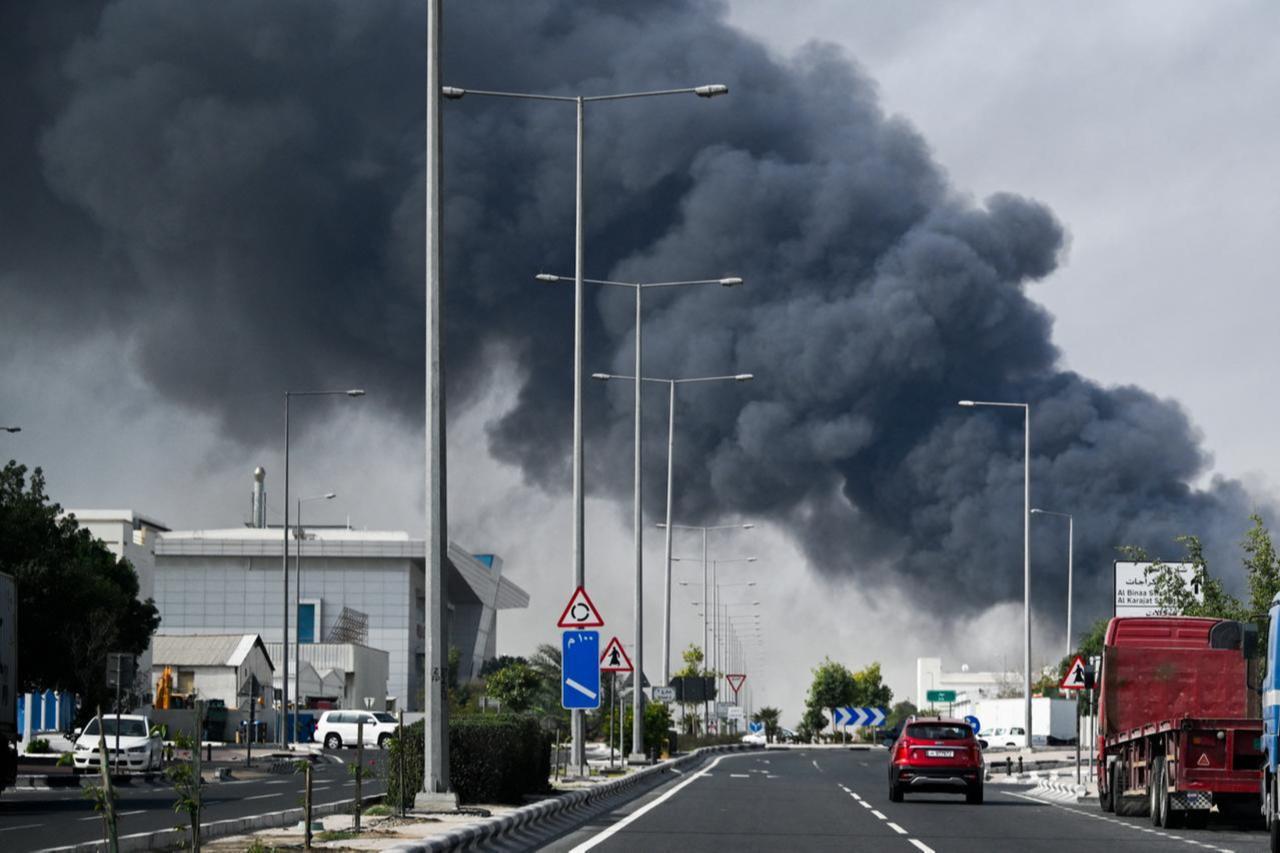
Qatar reported two missile attacks on Ras Laffan Industrial City—the country’s main LNG production hub—on Wednesday and early Thursday.
In response, Doha declared Iranian military and security attaches persona non grata.
Crude oil prices surged about 5% as fears grew that the nearly three-week war could cause lasting damage to global energy supplies.
Energy markets have already been rattled by disruptions in the Strait of Hormuz, which normally carries around one-fifth of the world’s oil.
Qatar’s state energy company said firefighters managed to contain several fires caused by Iranian missile strikes at Ras Laffan.
Saudi Arabia said it reserves the “right to take military actions” after intercepting drones targeting energy infrastructure, with missile debris landing near a refinery south of Riyadh.
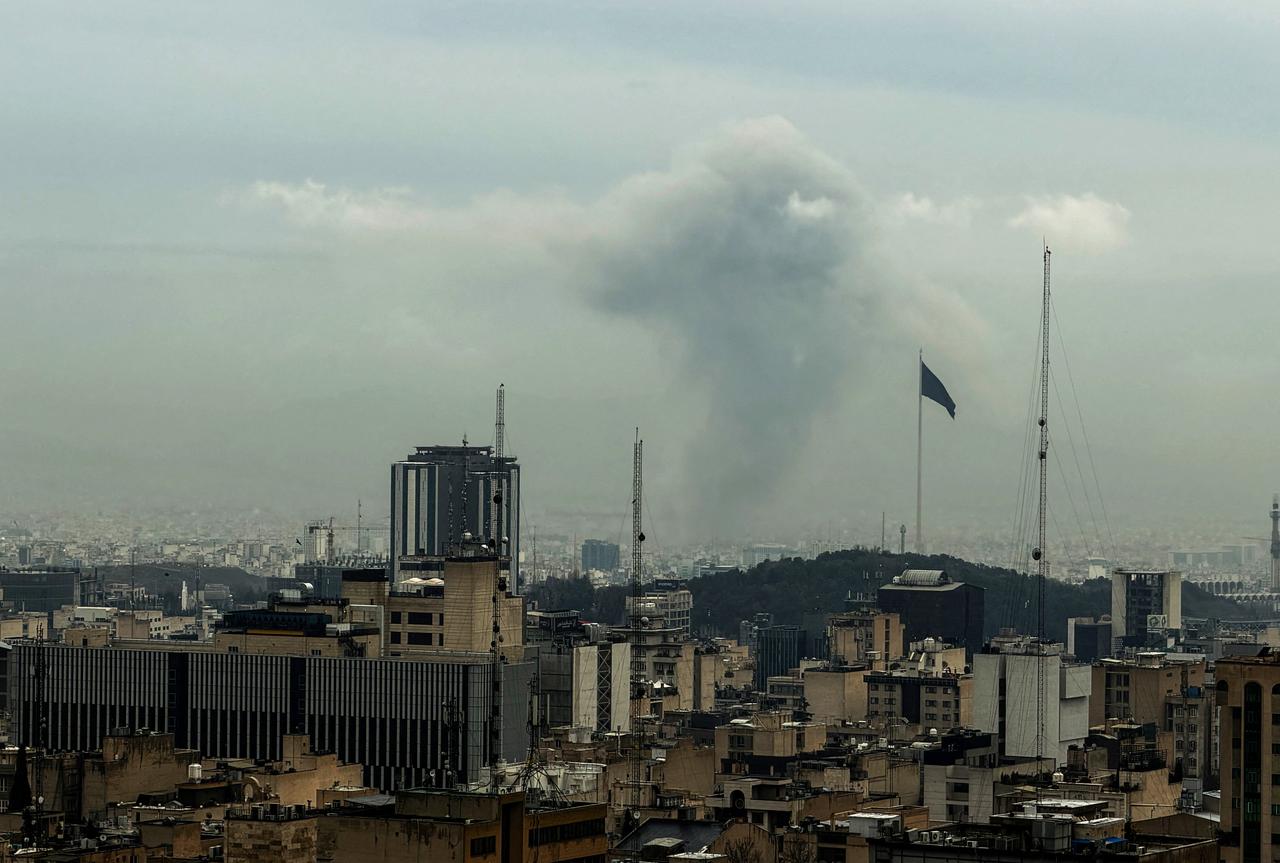
Hostilities have intensified since Israel and the United States launched joint attacks on Iran on Feb. 28, killing around 1,300 people, including then-Supreme Leader Ali Khamenei, according to Iranian authorities.
Iran has retaliated with drone and missile strikes targeting Israel, Jordan, Iraq and Gulf countries hosting U.S. military assets.
An Iranian missile barrage killed a Thai worker in central Israel, raising the death toll there to 15, according to Israeli medics and Thailand’s foreign ministry.
Missile debris also killed three Palestinian women in the occupied West Bank, the Palestine Red Crescent Society said.
French President Emmanuel Macron called for a moratorium on strikes targeting civilian infrastructure after speaking with Trump and Qatar’s emir.
 1 min read
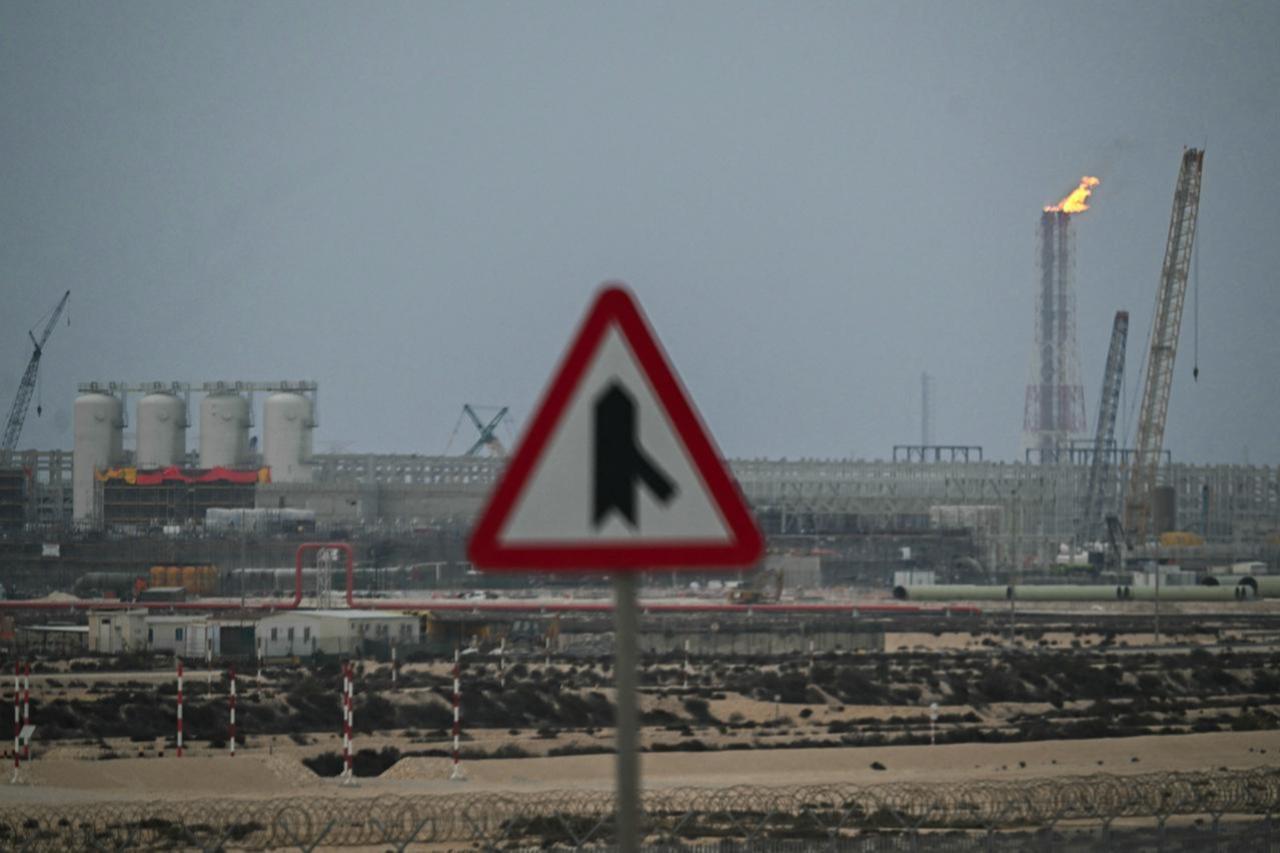
Iranian President Masoud Pezeshkian condemned the killing of intelligence chief Esmail Khatib in Israeli strikes as a “cowardly assassination.”
Supreme Leader Mojtaba Khamenei vowed retaliation, saying: “Every drop of spilled blood comes at a price.”
U.S. intelligence chief Tulsi Gabbard told Congress the Iranian government remains “intact but largely degraded,” while noting Tehran has not resumed nuclear enrichment.
Israel carried out multiple strikes on Beirut on Wednesday as clashes with Iran-backed Hezbollah intensified, prompting civilian displacement toward southern Lebanon.
France’s foreign minister Jean-Noel Barrot is expected to visit Lebanon on Thursday in a show of support.
In Iraq, the pro-Iranian group Kataeb Hezbollah said it would halt attacks on the U.S. embassy for five days under certain conditions, including an end to Israeli strikes on Beirut’s southern suburbs.


 Set as preferred source
 Set as preferred source


 1 min read


