Newsletters


Washington has launched a monitoring mechanism through the military's Central Command (CENTCOM) to track fighting between Israel and Hezbollah in Lebanon in "real time," a U.S. official said early Tuesday.
Meanwhile, Israel reportedly weighs the possibility of a future demand from the United States, asking it to withdraw troops from parts of southern Lebanon.
"Our shared goal is to end the cycle of violence for good. We are enabling Israel and Lebanon to negotiate as two sovereign states and to find a way to have peace and security. The talks will continue to advance a comprehensive peace and security agreement between the two countries," the unnamed official said in a written statement to Türkiye's state-run Anadolu Agency (AA).
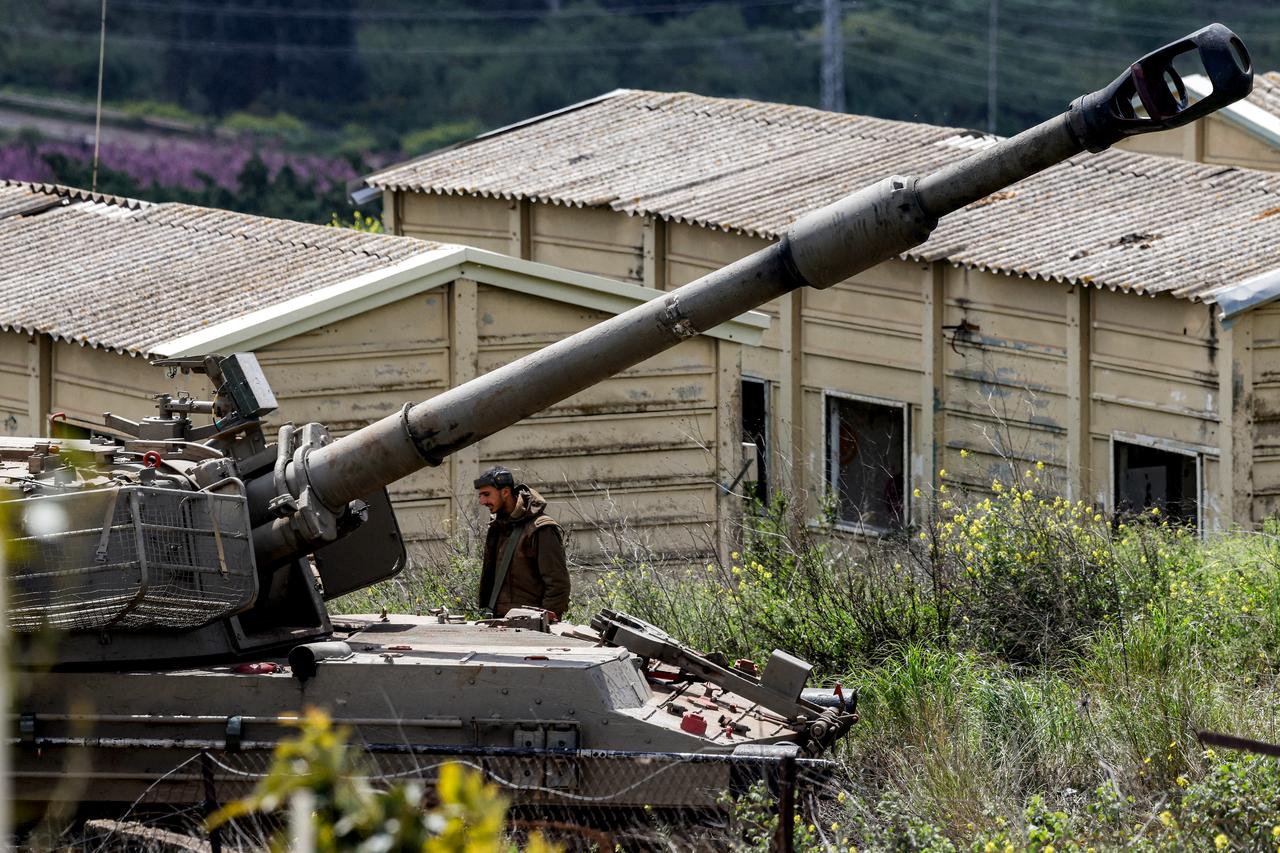

The official said CENTCOM had launched a "monitoring mechanism to simultaneously review the conflict situation" in Lebanon, with the stated goal of ending the violence.
The step came after U.S. Secretary of State Marco Rubio held phone calls with Israeli Prime Minister Benjamin Netanyahu and Lebanese President Joseph Aoun on Friday about "solidifying the ceasefire and future talks," the official said, speaking on condition of anonymity.
"Further details would be made available soon," the official added.
Israeli and Lebanese officials are scheduled to be in Washington from June 23-25 to continue direct talks mediated by the United States.
Israel's public broadcaster KAN reported Monday that Israel is taking into account the possibility of a future U.S. demand for a gradual withdrawal of Israeli troops from areas in southern Lebanon.
KAN said a new round of talks between Israel and Lebanon is set to begin Tuesday to discuss initial arrangements for a possible Israeli withdrawal as part of a pilot program for the Lebanese army, expected to take place under U.S. mediation with the participation of the Israeli and Lebanese ambassadors alongside three Israeli brigadier generals.
The broadcaster also reported that Israeli forces have begun repositioning and reorganizing troops on the ground over the past 24 hours while awaiting decisions from the political leadership.
Citing unnamed Israeli sources, KAN said Israel was taking into account the possibility that the Israeli army could be asked, by the Americans, to gradually withdraw from certain areas of the so-called security zone, allowing the Lebanese army to return as a confidence-building measure.
KAN reported that the U.S. had approved the creation of a mechanism to monitor ceasefire violations in Lebanon involving Iran and Qatar, without Israeli participation.
According to Israeli sources cited by the broadcaster, Israel's exclusion from the mechanism stemmed from Iran's involvement.
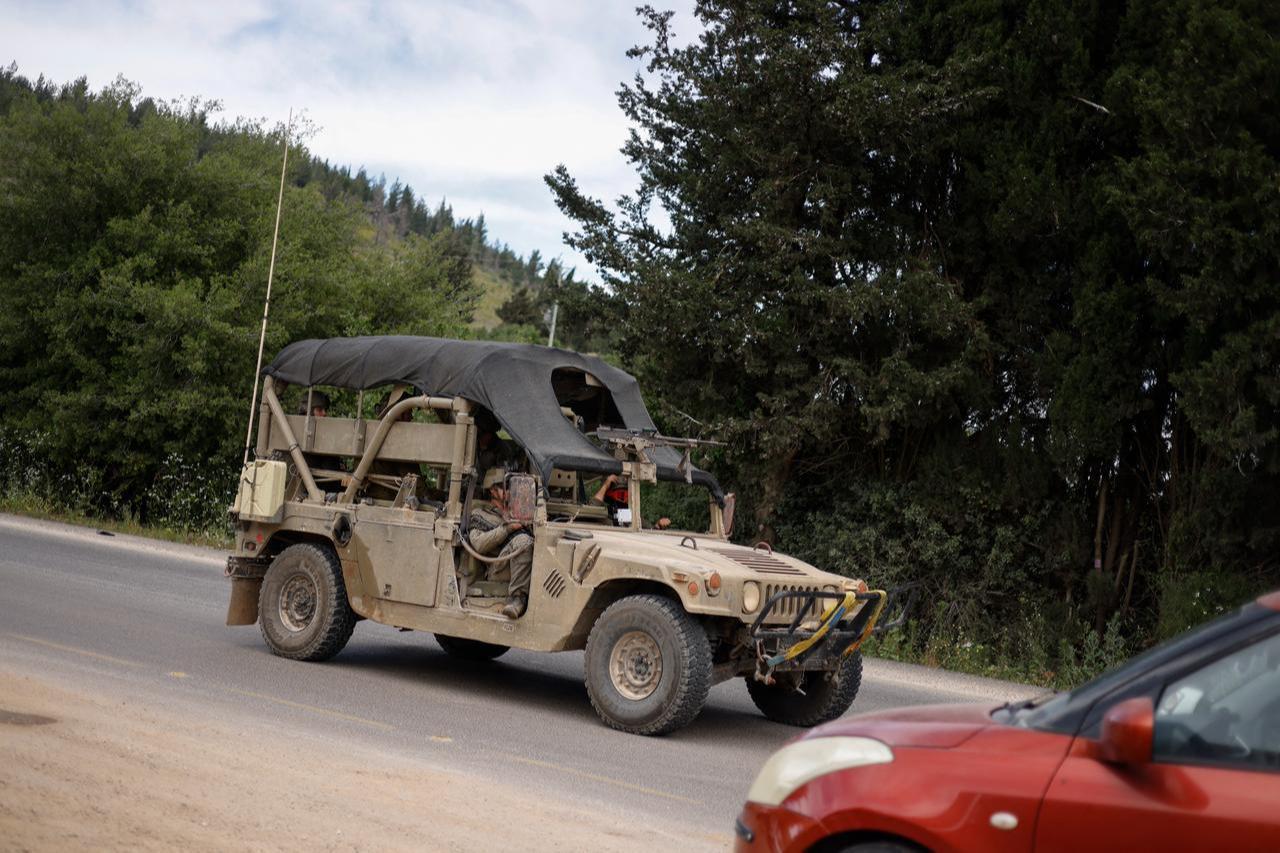
Israel's Channel 13 quoted a senior Israeli official Monday as saying that Washington had recently made clear to Israel that its previous freedom to operate militarily in Lebanon without restrictions had come to an end.
The Maariv newspaper separately reported growing differences between the United States and Israel over the Lebanon file, saying Washington views southern Lebanon within a broader regional framework tied to the Strait of Hormuz, energy prices, the Iranian nuclear issue, and the Trump administration's pursuit of a diplomatic achievement.
Israel, by contrast, believes any early withdrawal from southern Lebanon could be interpreted as a sign of weakness and a reward for Hezbollah.
Israeli Prime Minister Benjamin Netanyahu and top defense officials reaffirmed plans to maintain a military presence in southern Lebanon, according to a joint statement issued by Netanyahu's office following a meeting involving Netanyahu, Defense Minister Israel Katz, Chief of General Staff Eyal Zamir, and Northern Command Chief Ori Gordin.
The statement said the Israeli army would continue operations aimed at neutralizing threats against Israeli troops and citizens, destroying what it called "terrorist infrastructure," and maintaining a security zone in southern Lebanon.
It added that the security of Israeli citizens and forces would remain a guiding principle for the country's political and military leadership "without compromise."


 Set as preferred source
 Set as preferred source


 1 min read
 1 min read