Newsletters


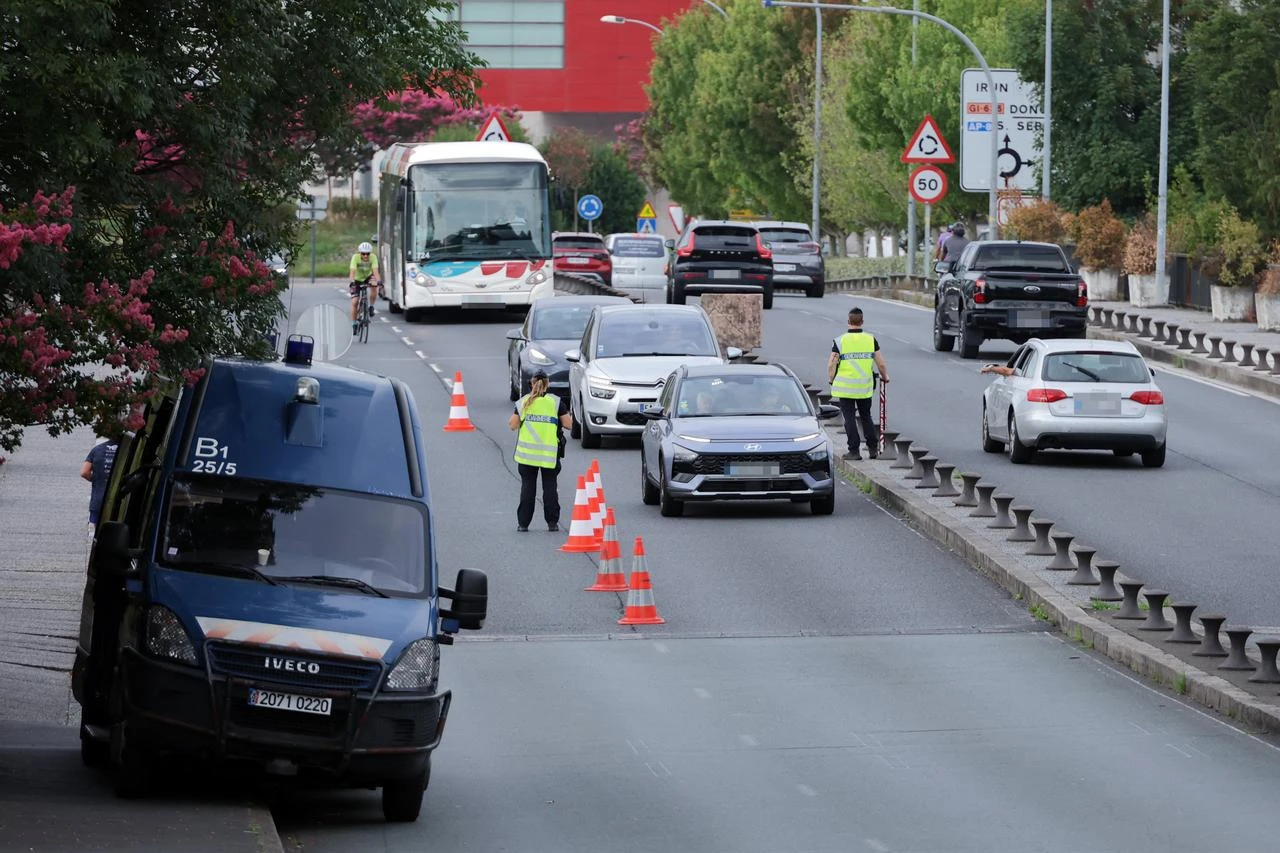


Swedish Prime Minister Ulf Kristersson called Spain's amnesty for irregular migrants a "very bad idea," warning it could increase migration across Europe, revive pressures seen during the 2015 crisis and strain the Schengen free-movement system, the Financial Times reported.
Kristersson, a center-right leader seeking re-election next month, said Spain's amnesty for more than 1 million migrants had caused a "pretty big outcry" at a recent EU leaders' meeting because it ran counter to migration policies pursued elsewhere in Europe.
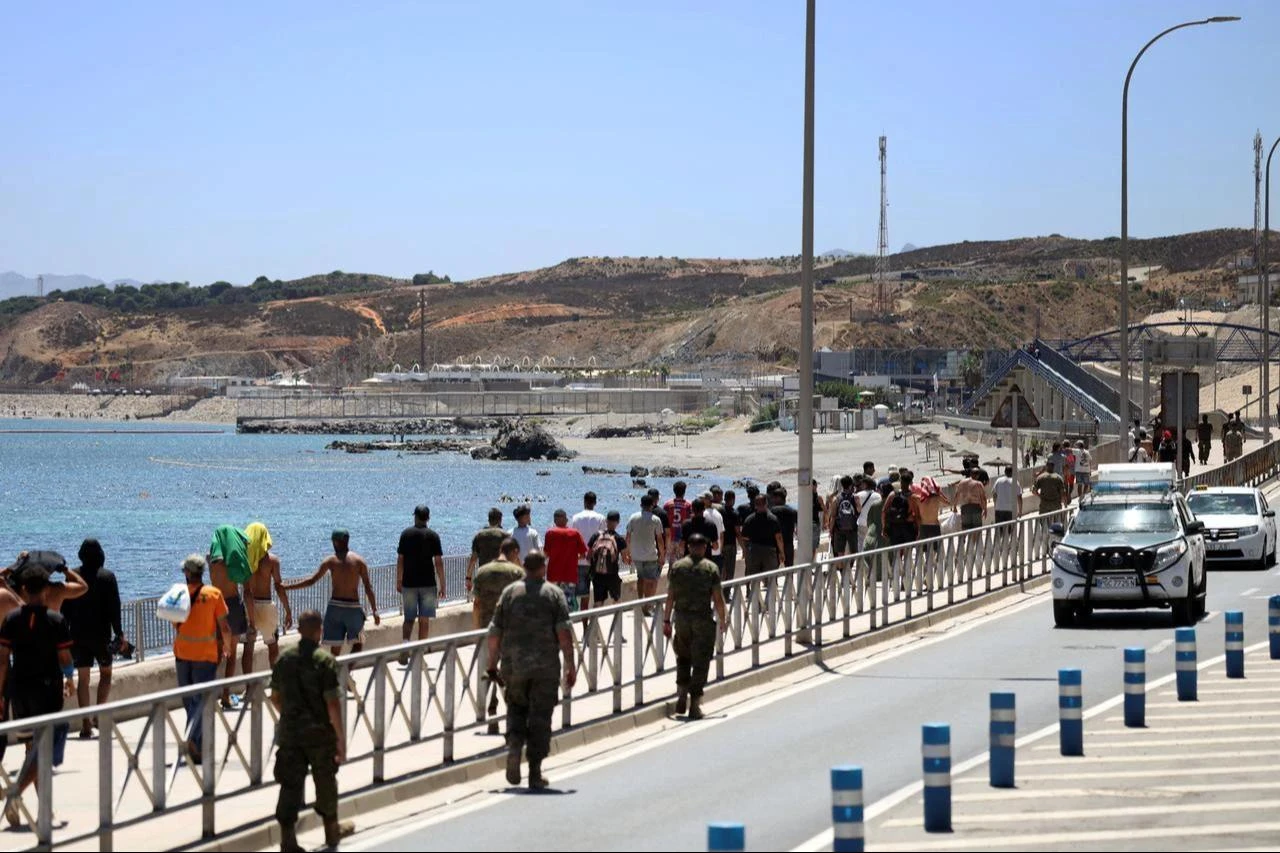
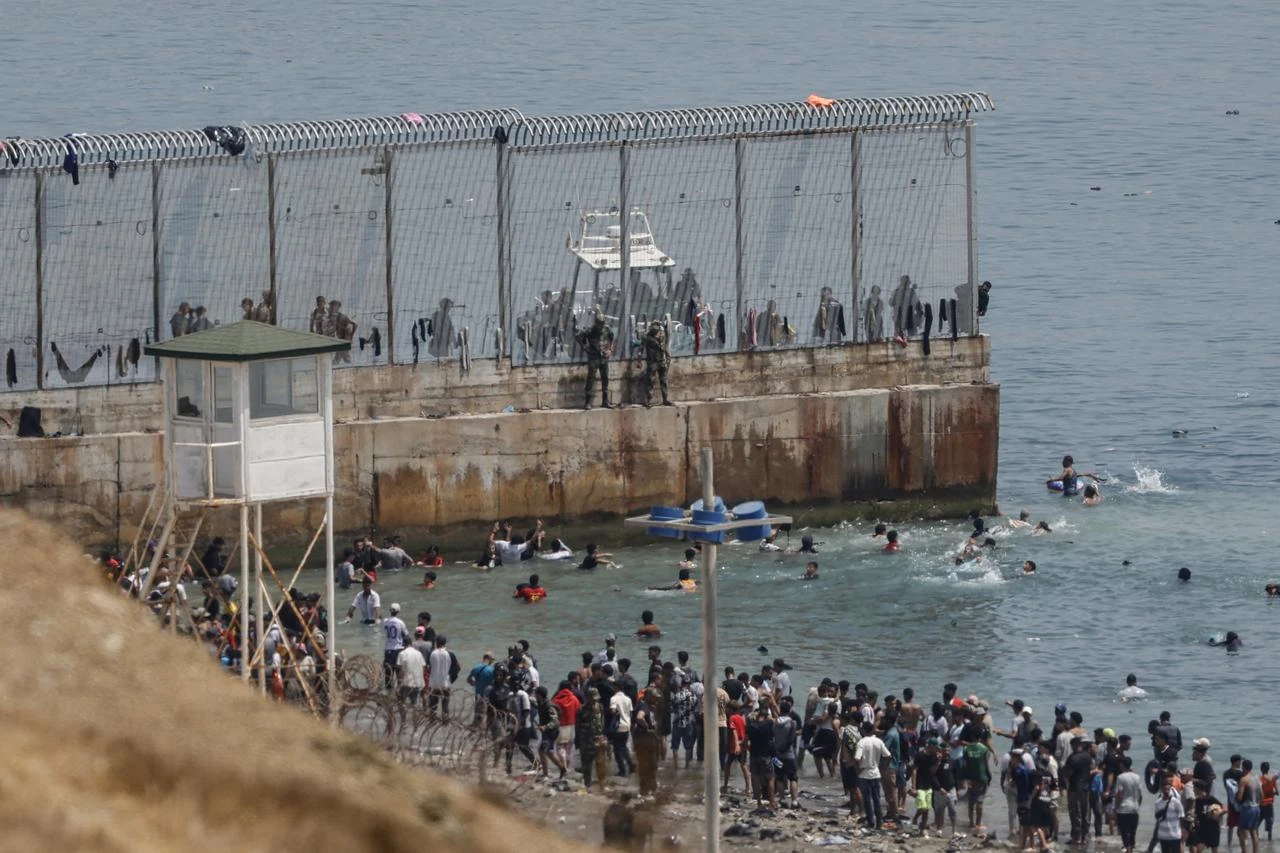
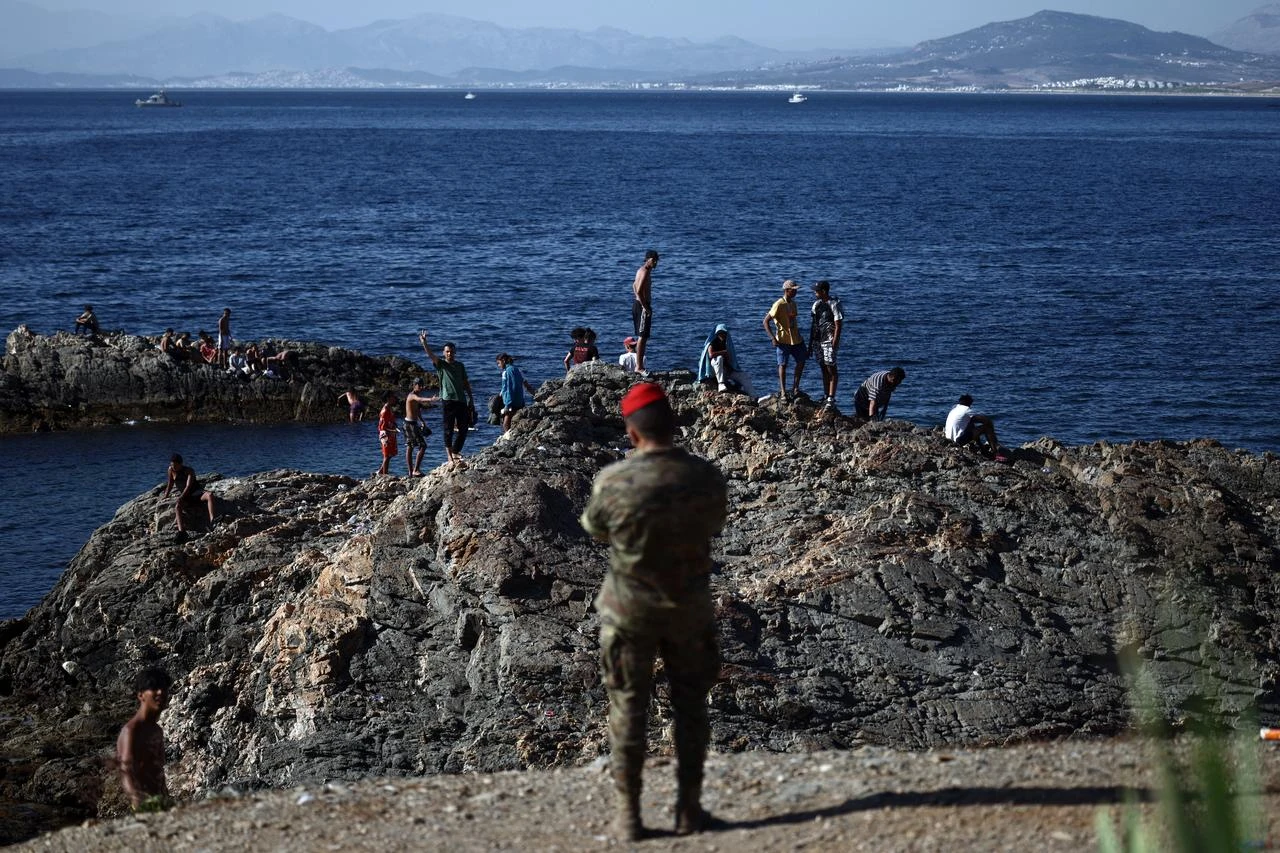
His comments followed a mass influx into Spain's North African enclave of Ceuta at the end of July. Sky News reported that around 75 of an estimated 72,000 migrants who entered Ceuta later reached mainland Spain.
Leaders from Italy, Germany and Denmark have also sharply criticized Spain, although most of those who entered Ceuta were returned to Morocco within hours.
"It symbolises that we still have to be very, very careful not to act in a way that could even come close to what happened in 2015," Kristersson told the Financial Times. "I think Spain got the message ... but it shows the vulnerability."

Spain's amnesty offers migrants without legal status a renewable one-year residence permit if they have lived in the country for five months and have a clean criminal record.
About 1.2 million people applied, more than twice Madrid's expected number.
Spanish Prime Minister Pedro Sanchez argues immigration is vital to the long-term economic health of Spain's aging population.
The permits allow recipients to live and work in Spain, but not elsewhere in the EU. They can, however, travel freely within the Schengen Area. Many applicants are Latin American.
Kristersson said he had told Sanchez directly that he opposed the amnesty, warning that migrants entering southern Europe could later move north.
"Exactly that happened in 2015," he said.
Sweden accepted more migrants relative to its population than almost any other European country in 2015 before facing major integration challenges and rising gang crime.
Kristersson said Schengen depended on members acting "in a united way" to protect external borders and maintain closely aligned policies, adding that migration flows caused by one country's decision could affect solidarity within the system.
Sweden has since tightened rules on migration, deportations and permanent residence, and asylum applications fell last year to their lowest level in 40 years.
Kristersson is campaigning on reductions in both asylum applications and deadly shootings.
"It is not the time to get relaxed on this," he said. "There is a huge majority in Sweden saying they cannot go back to an uncontrolled situation."
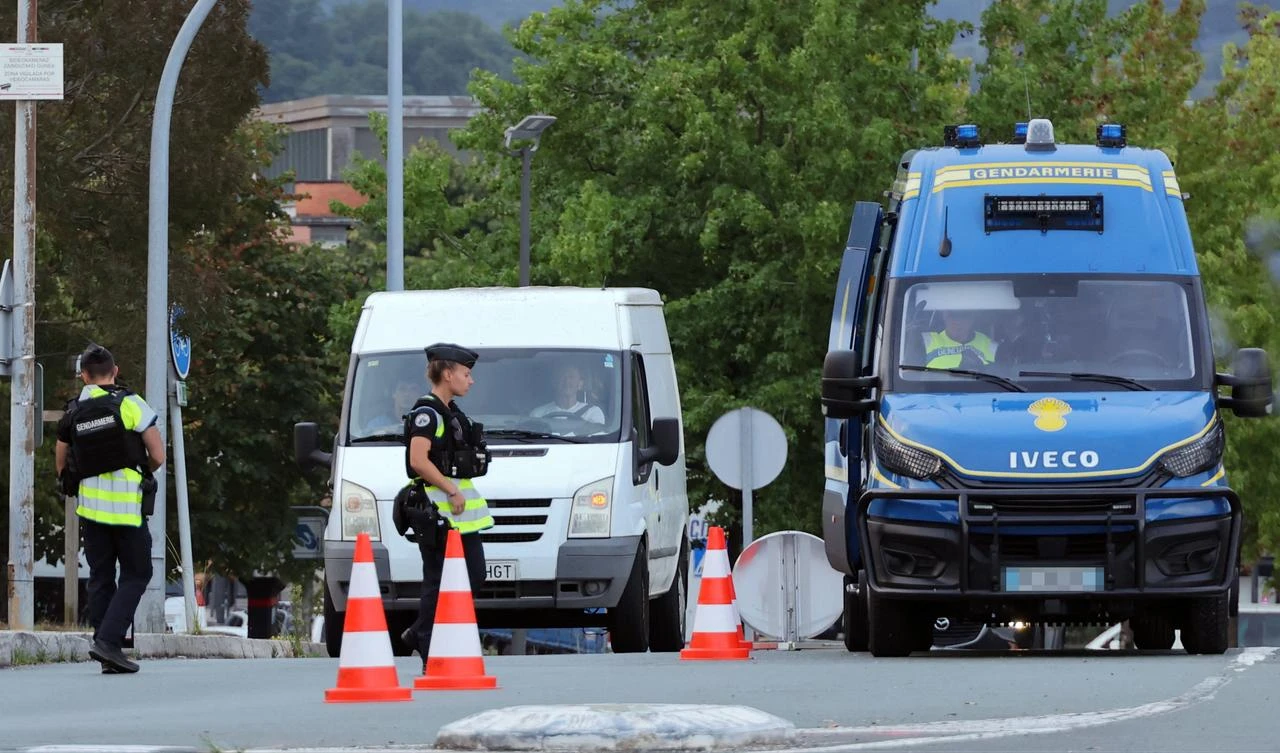
Sky News, citing police sources in Andalucia, reported that around 75 migrants from the Ceuta influx reached mainland Spain.
Ceuta is less than 15 nautical miles from Spain's southern coast, and police sources said migrant boats can complete the trip in one to three hours.
On Aug. 1, around 20 Moroccan migrants reached Punta Carnero in Algeciras. Four were arrested by Spanish national police and the others escaped.
The Civil Guard intercepted another boat carrying eight migrants at Punta Carnero on Friday.
On Saturday, 10 migrants reached a beach in San Roque, followed about two hours later by another boat carrying 20 migrants to Poniente beach.
On Sunday, police intercepted two boats carrying 17 people in total in Ballenera, Algeciras, and La Linea de la Concepcion in Levante.
Police sources called the crossings a "worrying reactivation" of the Gibraltar Strait route, in which boats approach the Spanish coast and migrants swim the final distance before attempting to evade authorities.
Spanish authorities said at least 80 migrants died during the Ceuta crisis, including people who drowned and others killed in a stampede while crossing a breakwater barrier. Morocco reported 11 deaths on its side of the border.
Spain said about 69,500 migrants were returned during the first four days.
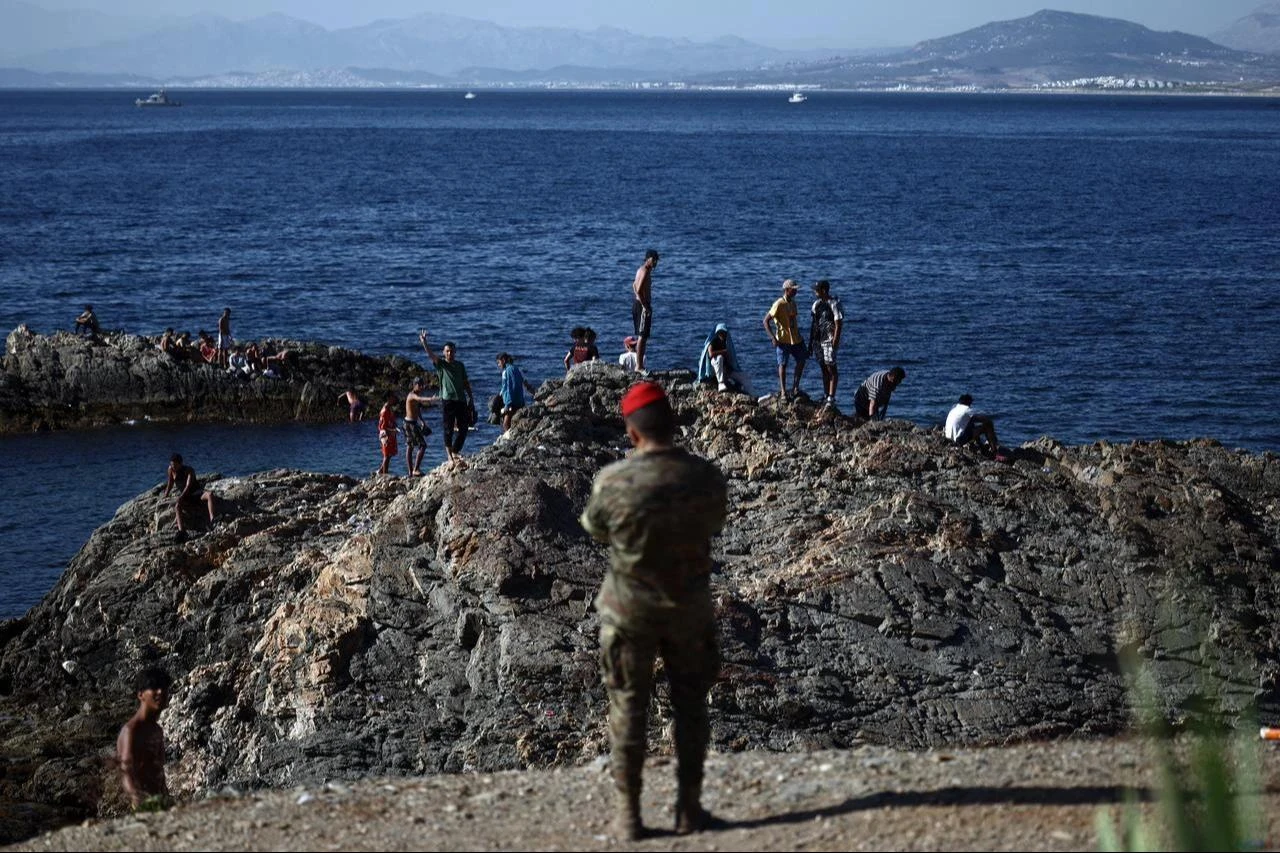
The Ceuta crisis triggered anti-immigration rhetoric across Europe and diplomatic tensions within the EU, with Spain accusing some partners of an "unhelpful and polarising" response.
Italy temporarily suspended its open-border Schengen arrangements with Spain and reinstated air and sea border controls until at least Aug. 15.
Spain responded with passport, nationality and visa checks for Italian passengers and travelers of other nationalities arriving from Italy until Sept. 7.
Spain's Interior Ministry said Saturday that authorities had checked 199 people on 12 flights from Italy arriving in Madrid, Barcelona, Seville, Bilbao, Alicante and Valencia.
Kristersson's right-wing bloc, which includes the nationalist Sweden Democrats, trails the left ahead of September's election.
For the first time, Kristersson and his center-right allies have said they would include the Sweden Democrats in government.
The party has roots in the neo-Nazi movement, and its leader apologized last year for those links and its history of antisemitism.
The opposition Social Democrats say they are prepared to work with every parliamentary party except the Sweden Democrats.
A July poll put the Social Democrats at 32%, the Sweden Democrats at 20% and Kristersson's Moderates at 17%.
Kristersson defended including the Sweden Democrats, saying his bloc had presented a clear coalition proposal while the Social Democrats had not said which parties they would govern with.
"I don't see the drama in it," he said, pointing to recent coalition governments in Norway and Finland that included anti-immigration nationalist parties.
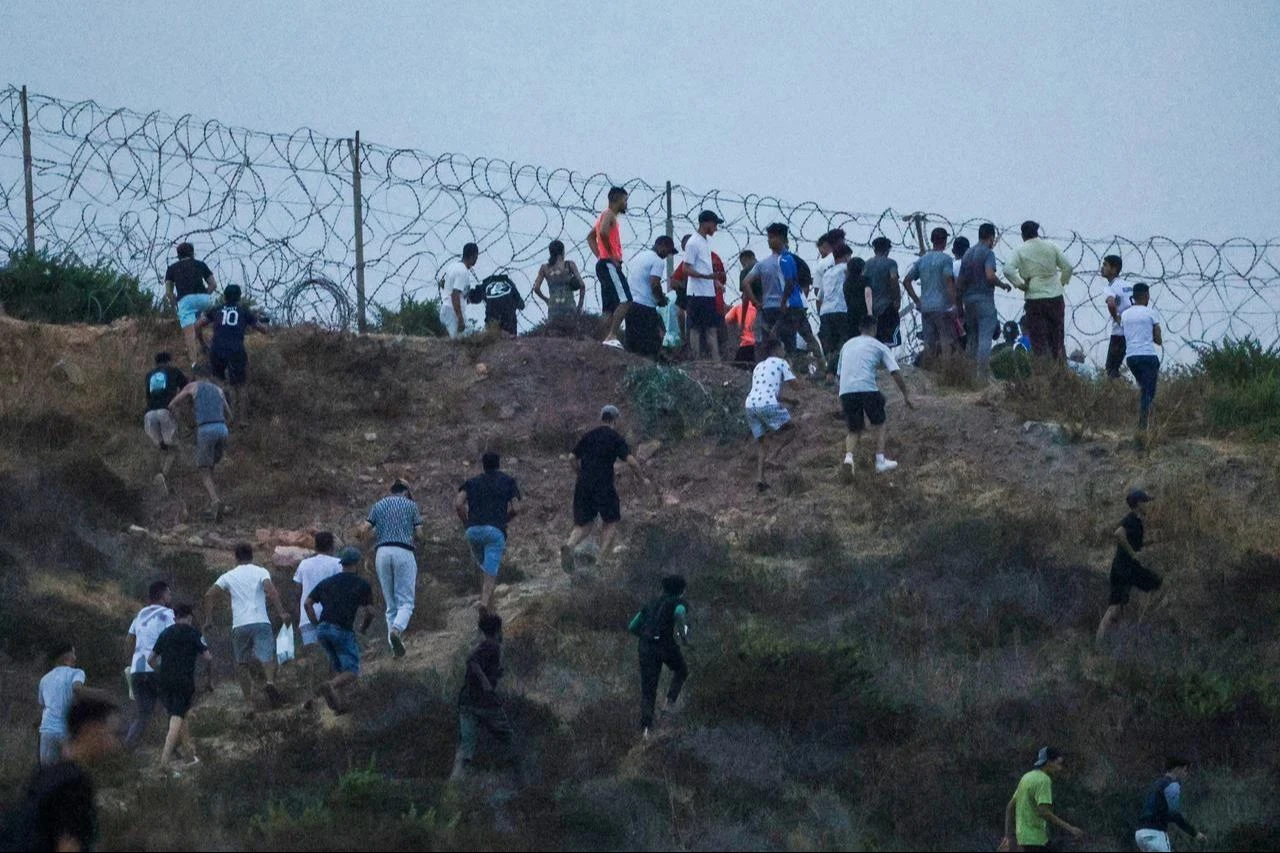
All eight parties in Sweden's outgoing parliament support Ukraine and increased defense spending.
Kristersson nevertheless questioned whether a Social Democrat-led government would have the same influence in NATO as his administration, which brought Sweden into the alliance.
Sweden has since taken a forceful role in regional defense planning and promoted its defense industrial capabilities.
Kristersson called Russia the "defining threat" to Europe and said security would be fundamental in the coming years.
He questioned how a left-led government could make NATO decisions if two of four parties in its potential bloc opposed Swedish NATO membership and the country's new security policy direction.
The Social Democrats say they strongly support Sweden's NATO membership, its defense industry and continued support for Ukraine.


 Set as preferred source
 Set as preferred source


 1 min read
 1 min read