Newsletters


The United States is in a worse strategic position than before its war with Iran began, according to Ryan Crocker, a former longtime U.S. ambassador to Iraq, Syria and Lebanon, as fighting entered its seventh consecutive night with Tehran threatening a "full-scale offensive" and strikes spreading across multiple Gulf states.
Speaking to CNN's Elex Michaelson, Crocker said the U.S. is not going to achieve regime change in Iran as things currently stand, and that the war has not benefited the domestic U.S. position.
Asked whether the U.S. was worse off than before the conflict began, Crocker said: "There's no question about it."
Crocker, who survived the 1983 bombing of the U.S. Embassy in Beirut, said an unconditional reopening of the Strait of Hormuz to all maritime traffic should now be the objective, which he said would require "a combination of diplomatic efforts, economic pressure and kinetic action."
Crocker said regime change would be an ambitious goal at this stage and that returning to the strategic position the U.S. held at the war's outset should be the priority instead.
"The Iranians know how to do war," he said, adding that prolonged fighting has hardened the Iranian regime rather than weakening it and that bombing Iran "into submission" will not succeed.
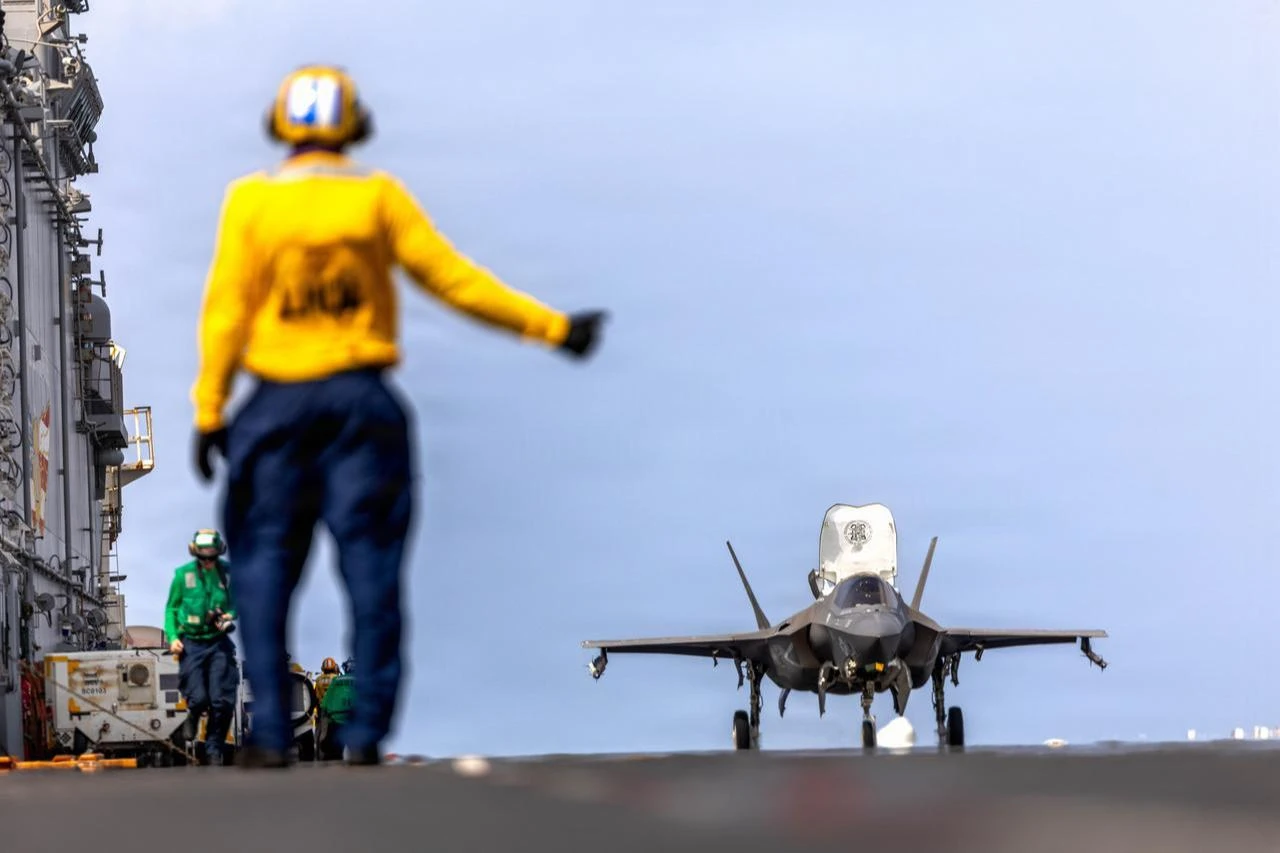

U.S. Central Command (CENTCOM) said U.S. forces concluded their seventh straight night of strikes against Iran at 9:30 p.m. ET Friday, hitting surveillance sites, military logistics infrastructure, underground weapons storage, and maritime capabilities using fighter aircraft, drones, warships, and other assets.
"More than 50,000 American service members are operating across the Middle East and remain vigilant, lethal, and ready," CENTCOM said.
Maj. Gen. Mohsen Rezaei, a senior military adviser to Iran's supreme leader, said Tehran would resume "full-scale offensive operations" if U.S. strikes continued for another two or three days.
"Iran will no longer limit itself to retaliatory, like-for-like responses... and no political border will be safe," Rezaei said.
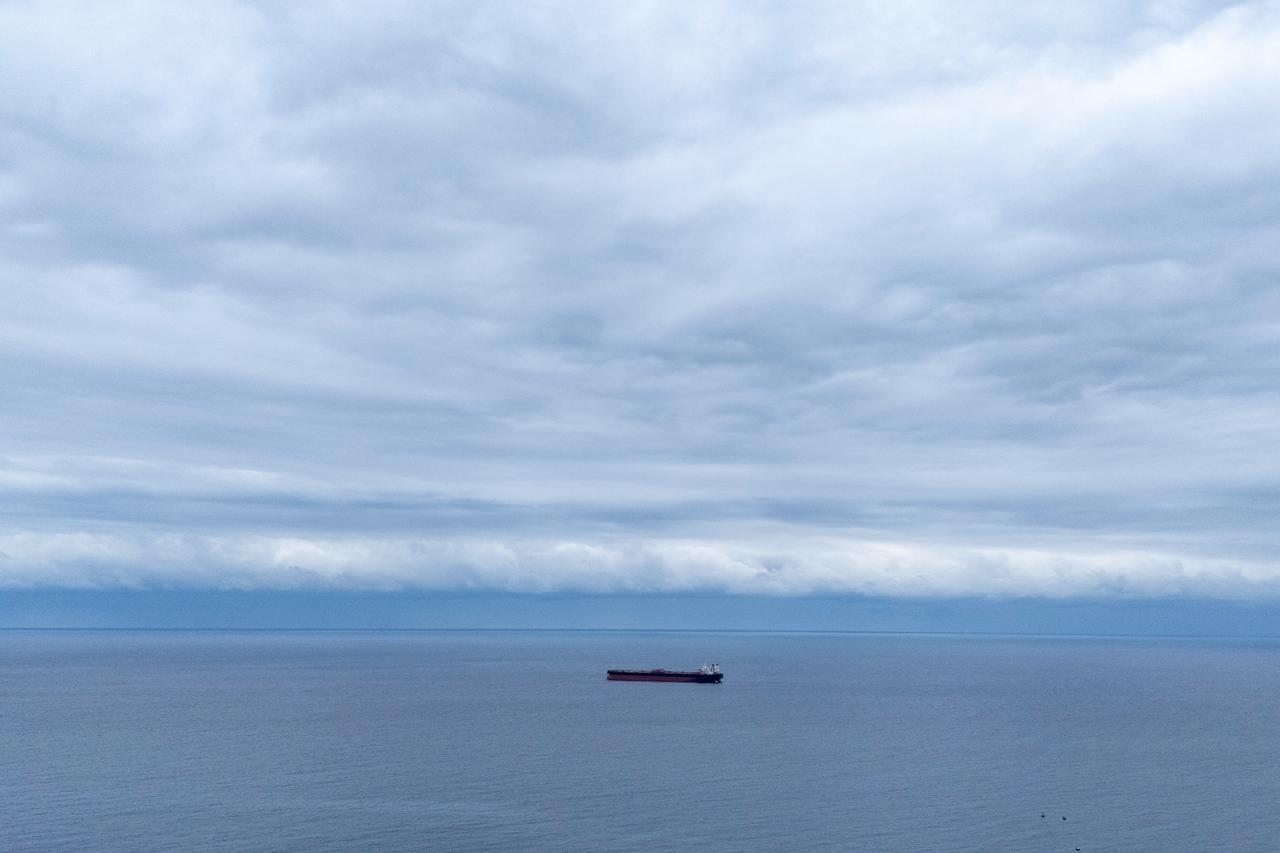
Iran's Islamic Revolutionary Guard Corps (IRGC) separately claimed that two oil tankers transiting the Strait of Hormuz struck mines and caught fire after being directed by what the Guards called "deceptive American intelligence agencies," an assertion CENTCOM denied.
The Guards also said they "stopped" four ships attempting to transit the strait.
Citing what they described as a lack of any international body to prevent what they called "the savagery of the U.S. military," the Guards said in a statement that they had "no path before us except the Quranic command: 'Whoever attacks you, attack it in the same manner,'" warning U.S. allies in the region to expect further strikes.
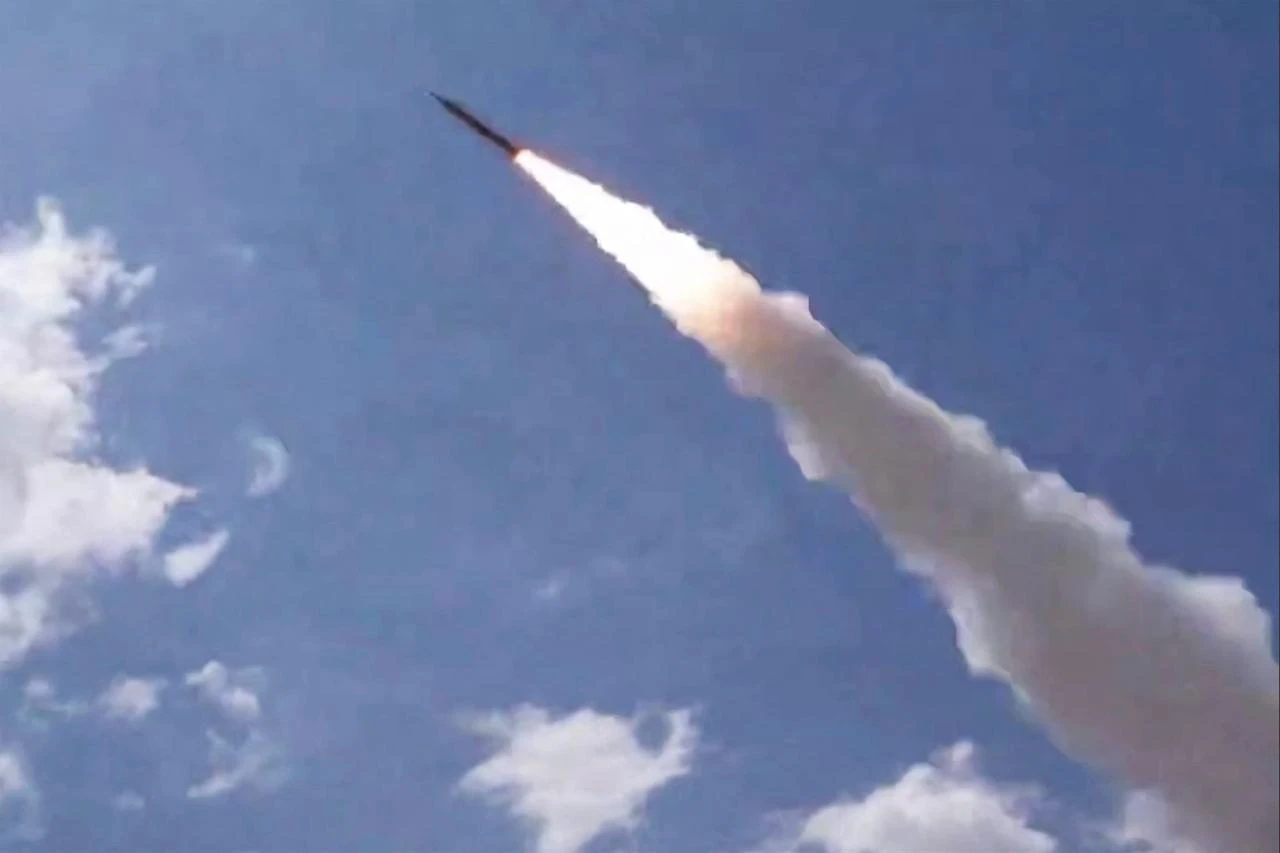
China and Pakistan called for the U.S. and Iran to halt fighting and resume talks.
The U.S. State Department renewed its travel warning for the Middle East on Friday, citing "high tensions" and a "complex" security environment "with the potential for unforeseen escalation," urging Americans to reconsider travel to the region and monitor developments closely.
Oil prices rose more than 4% Friday to their highest level in more than a month, according to Reuters, adding political pressure on Trump as Republicans seek to hold Congress in November's midterms.
Traffic through the Strait of Hormuz hit a three-week low, according to maritime trackers Kpler and MarineTraffic.
David Khalfa, a Middle East specialist at the Paris-based Jean-Jaures Foundation, told Agence France-Presse (AFP) that a "widening range of strategic infrastructure" is being drawn into the conflict.
"The paradox is that, while the conflict continues to escalate, neither side has a strategic interest in allowing this dynamic to continue. Yet both perceive any compromise as a form of capitulation," Khalfa said.


 Set as preferred source
 Set as preferred source


 3 min read