Newsletters


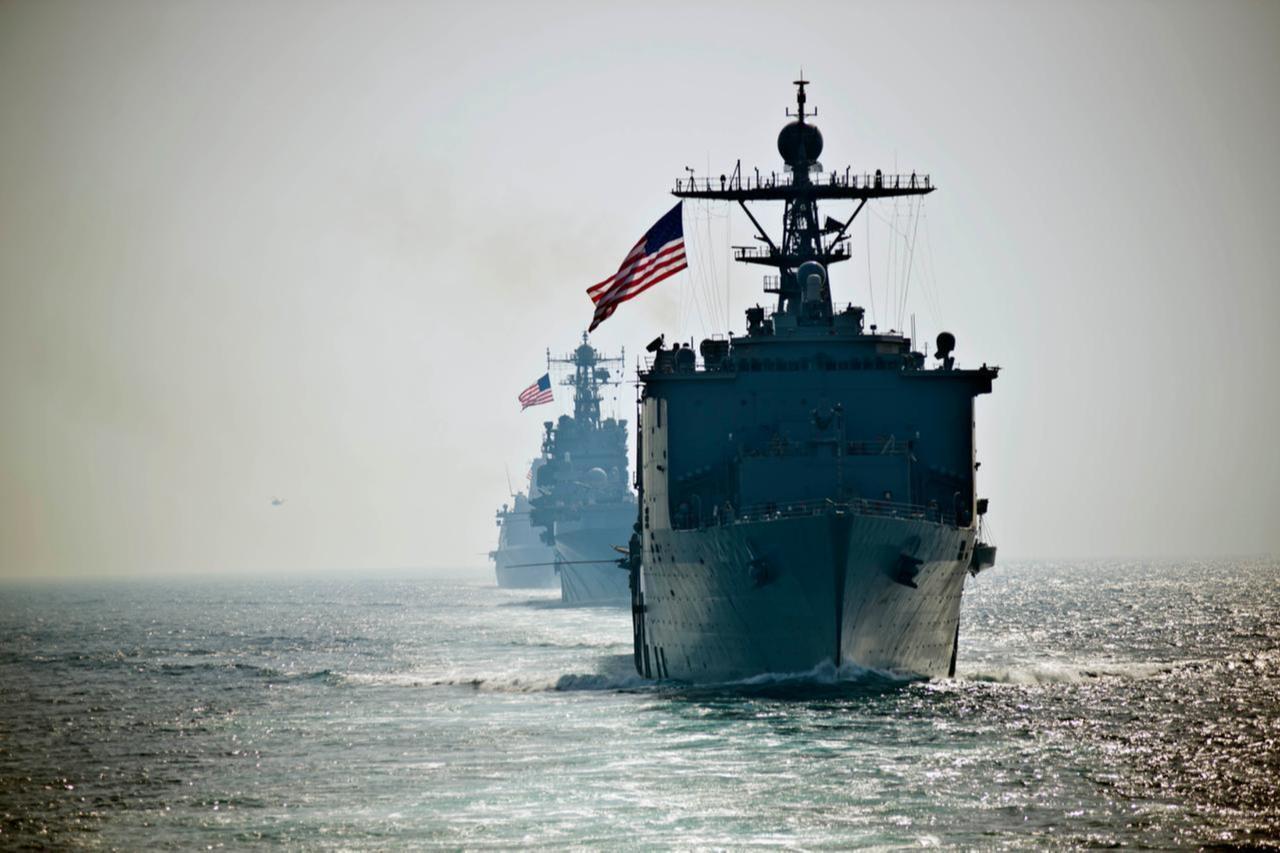


The United States military launched another wave of strikes against Iran on Sunday, directing its firepower at targets linked to Tehran's ability to threaten commercial shipping and civilian mariners in the Strait of Hormuz, while sharply dismissing Iranian state media claims that three American service members had been killed in Kuwait.
U.S. Central Command announced that strikes began at 5 p.m. Eastern Time, carried out under direct orders from the Commander in Chief.
In a post on X, CENTCOM said the campaign aims "to continue degrading their ability to attack civilian mariners and commercial ships freely transiting the Strait of Hormuz," and that the strikes were directed by the president "to hold Iranian forces accountable."
Within the same hour, CENTCOM issued a pointed rebuttal to circulating claims from Iranian state-affiliated media that American troops had been killed in Kuwait.
Iran's Fars News Agency had reported that three U.S. officers were killed and several others wounded in Iranian strikes targeting American military assets in the country.
CENTCOM rejected the claim outright. "There are zero reports of U.S. service member deaths or injuries in the region," the command stated, adding that all personnel are accounted for.
The command labeled the report "Iranian propaganda."
The denial carries particular weight given the broader information environment surrounding the conflict.
Iranian state media and affiliated outlets have repeatedly issued claims during the current campaign that U.S. and regional officials have publicly contradicted.

Monday's strikes represent the latest escalation in a sustained air campaign that has accelerated sharply over the past week.
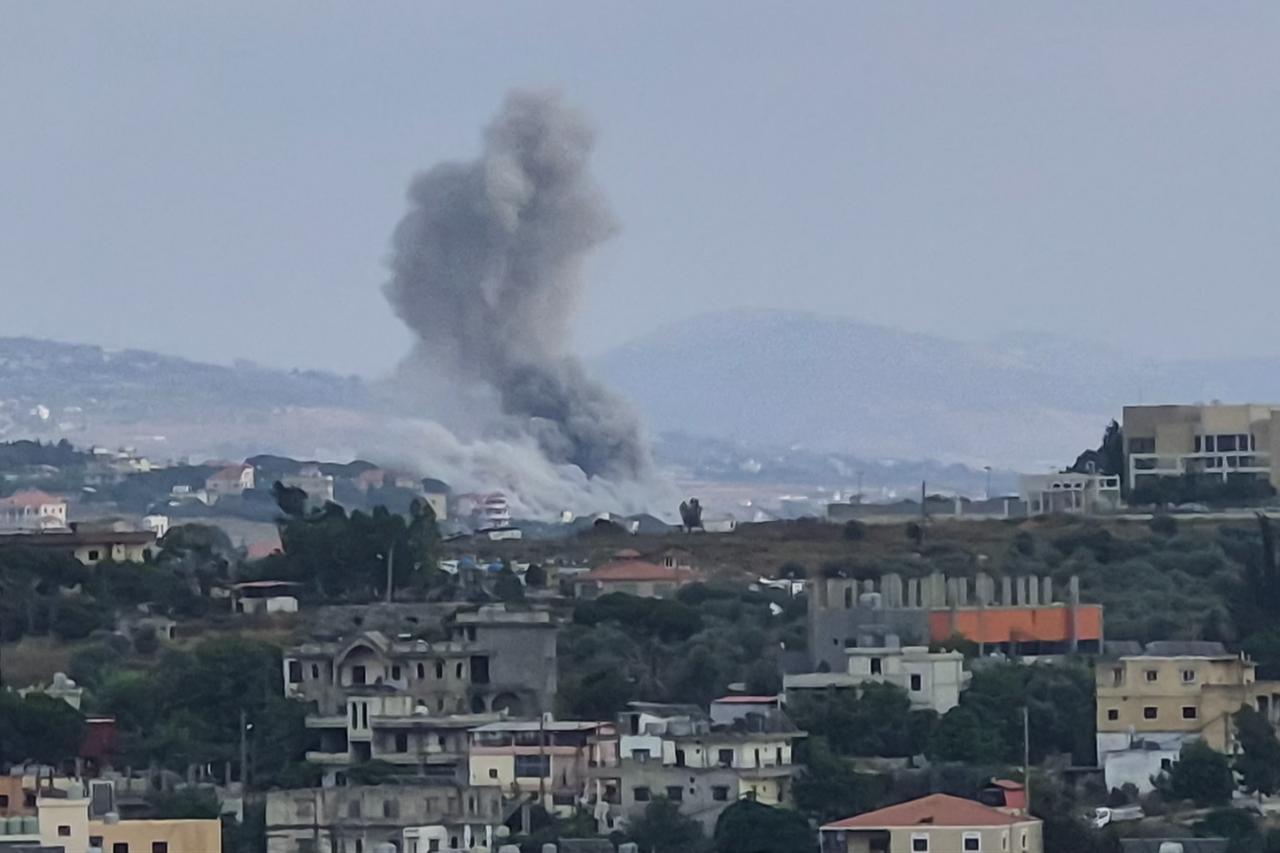
CENTCOM has reported striking more than 300 Iranian military targets over three consecutive nights, including missile and drone sites, naval capabilities, ammunition storage facilities, communication networks, and coastal surveillance installations, all aimed at limiting Iran's capacity to interdict commercial traffic through the strait.
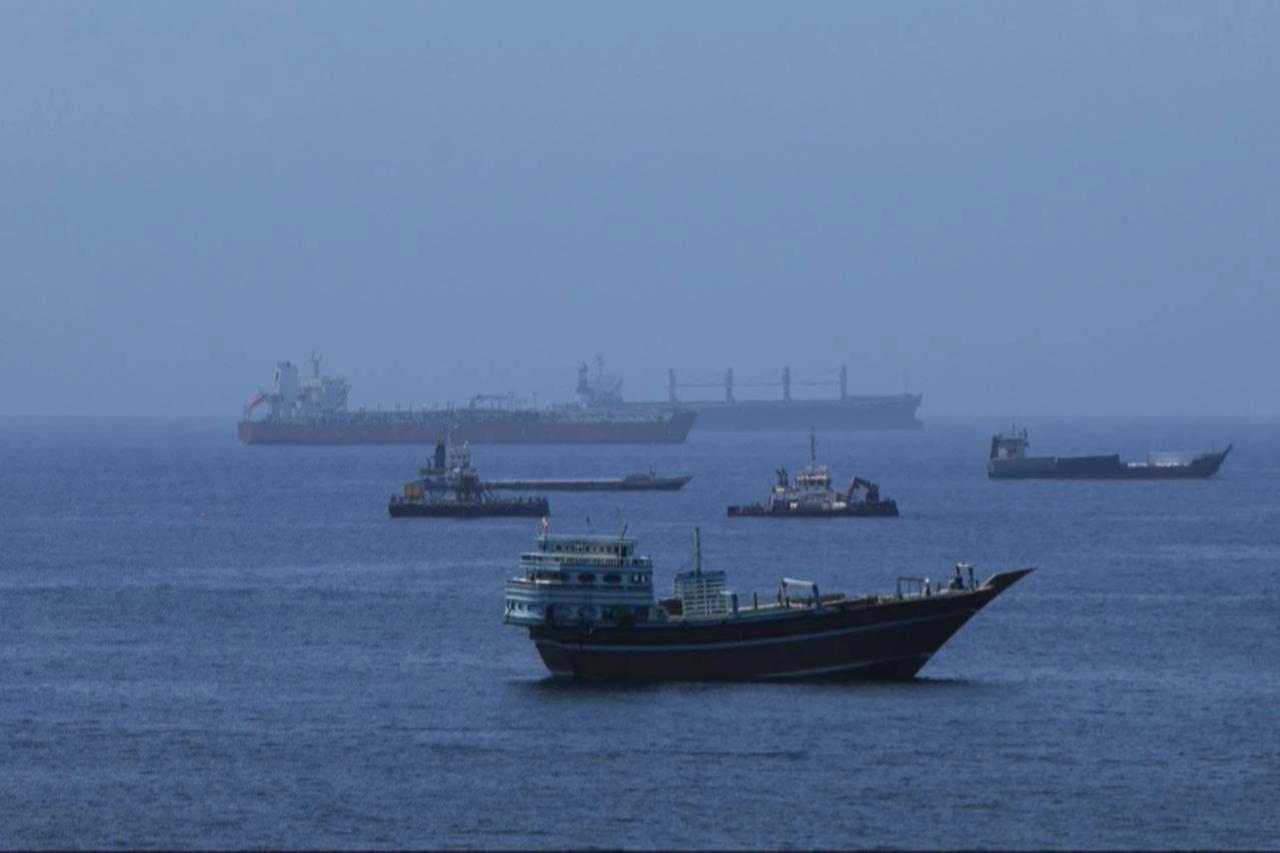
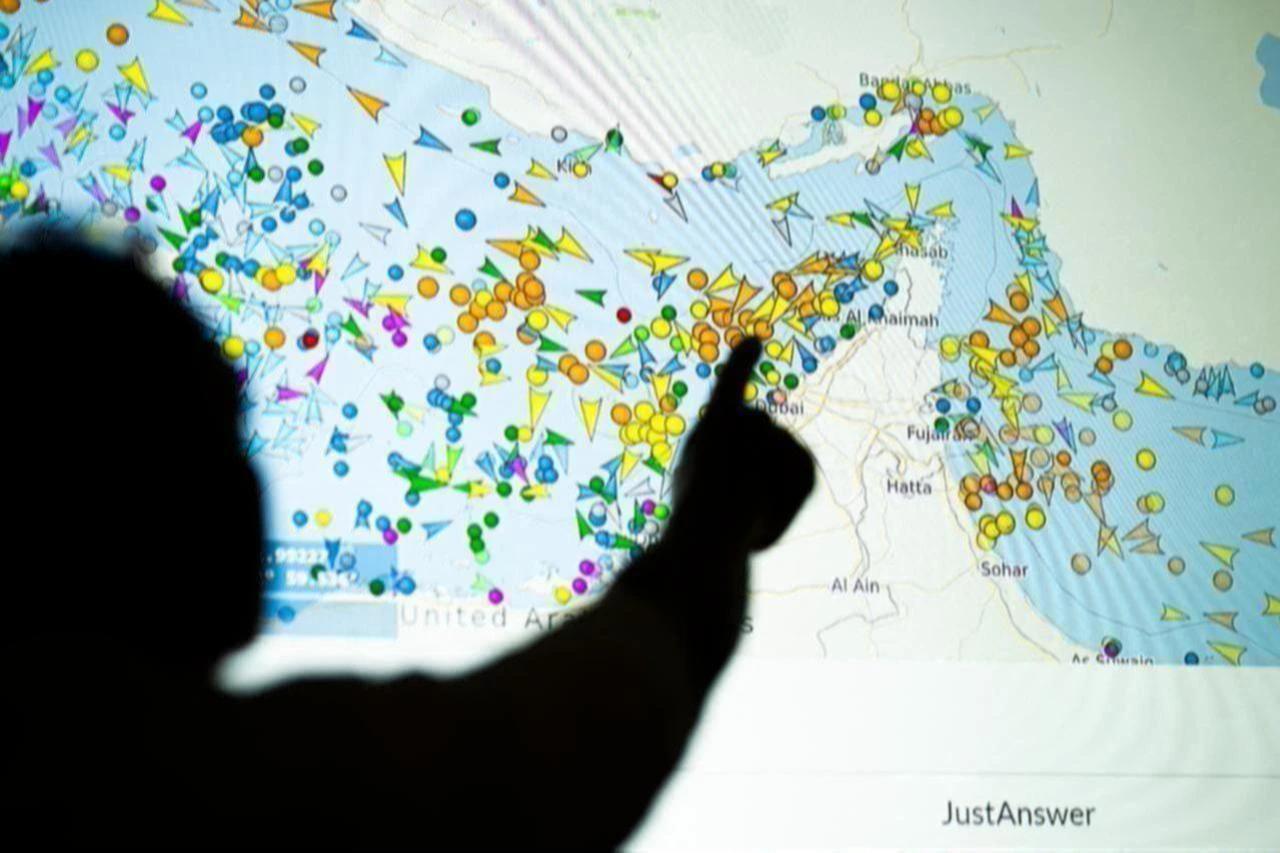
The Strait of Hormuz, a narrow waterway between Iran and Oman, is one of the world's most critical maritime chokepoints, through which a significant portion of global oil exports flow daily.
Iran has periodically threatened to close the passage as leverage in regional confrontations, and the current crisis has sent war-risk insurance premiums for vessel transits sharply higher.
Iran's Islamic Revolutionary Guard Corps declared the strait closed following earlier exchanges of fire, a claim U.S. officials have disputed.
CENTCOM has maintained that commercial traffic continues to move through the waterway.
The escalation has rippled outward across the Gulf. Following earlier U.S. strike rounds this week, Iran launched retaliatory attacks targeting sites in Jordan, Kuwait, Qatar, Bahrain, and Oman, according to regional authorities and CENTCOM statements.
Air defense systems were activated in the United Arab Emirates and Qatar, with Qatari officials reporting that three people, including a child, were injured by falling shrapnel.
Oman, which had been serving as a key diplomatic intermediary in the crisis, summoned the Iranian ambassador after drones struck sites in its Musandam region.
Regional mediators, including Pakistan and Oman, have continued to press for a return to diplomacy.
Pakistan's deputy foreign minister publicly urged de-escalation following the latest exchange.
Meetings between Iran's foreign minister and his Omani counterpart over the weekend had focused on managing transit through the strait, though the prospect of resumed negotiations appeared increasingly strained as military operations intensified on both sides.


 Set as preferred source
 Set as preferred source


 1 min read

 1 min read