Newsletters




The extensive network of United States military bases across the Middle East has moved to the center of global attention after Iran launched retaliatory missile strikes following joint U.S.-Israeli attacks on Iranian territory, triggering security alerts and air defense responses across several Gulf countries.
Iranian media reported nationwide strikes inside Iran earlier on Feb. 26, 2026, while U.S. President Donald Trump said Washington had begun “major combat operations in Iran,” citing concerns over Tehran’s nuclear and missile programs.
Within hours, Iran responded with missile attacks targeting regional locations linked to U.S. military presence, including Bahrain, while air defenses were activated in Qatar, the United Arab Emirates, and Jordan.

The United States has maintained a broad military footprint in the Middle East for decades, with an estimated 40,000 to 50,000 personnel deployed across more than 10 countries at least 19 locations. These include permanent installations as well as facilities accessible to American forces under host-nation agreements.
The infrastructure serves multiple purposes, ranging from naval patrols and air operations to intelligence sharing, logistics coordination and missile defense. Analysts frequently describe the network as central to both deterrence and rapid response planning during regional crises.
Reports earlier this year suggested Washington had pulled back some personnel from key bases amid rising tensions with Iran, a move widely discussed in Arab media monitoring coverage.
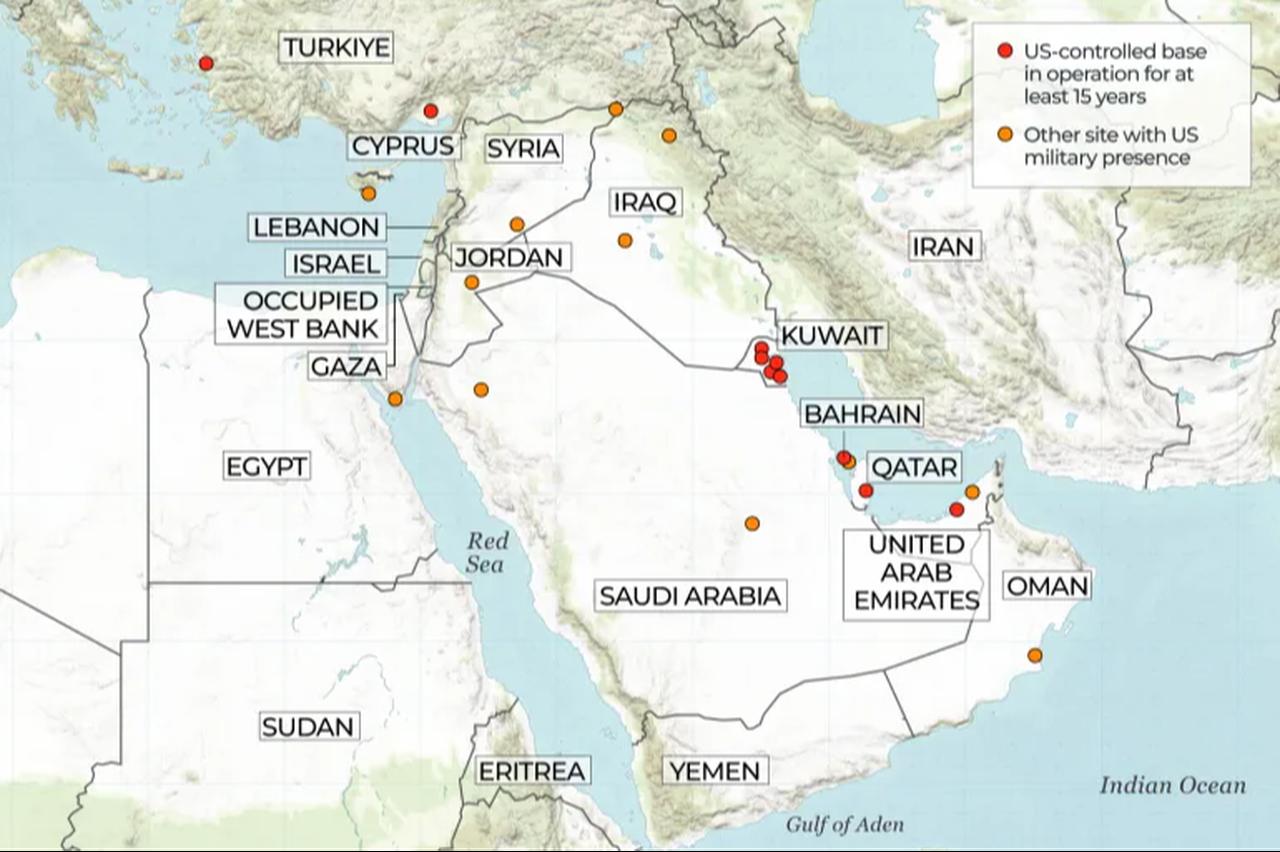
Bahrain hosts one of the most strategically sensitive facilities: the headquarters of the U.S. Navy’s Fifth Fleet in Manama. The fleet oversees operations across the Gulf, Red Sea, Arabian Sea and parts of the Indian Ocean.
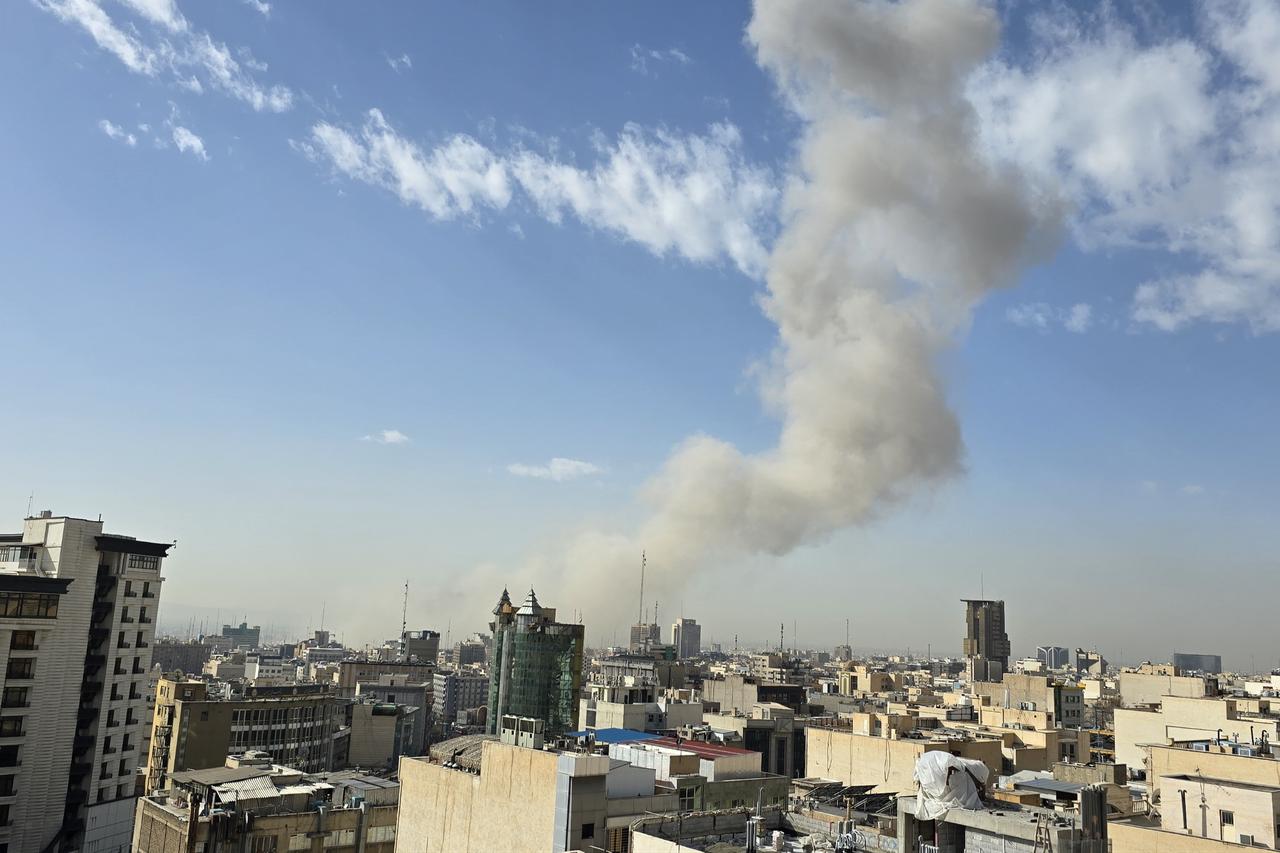
Iranian media said ballistic missiles struck the base area during the retaliatory attacks, with footage showing smoke rising near the facility.
Authorities in Bahrain activated sirens and urged residents to seek shelter while limiting travel to essential movement.
In Qatar, Al Udeid Air Base serves as the forward headquarters of U.S. Central Command (CENTCOM), the command structure responsible for American military operations from Egypt to Central Asia.
The base, established in 1996, houses roughly 10,000 personnel and represents the largest U.S. military installation in the Middle East. Qatari officials confirmed that two Iranian missiles were intercepted over their territory.
Kuwait hosts several installations supporting U.S. Army operations, including Camp Arifjan, the forward headquarters of U.S. Army Central, alongside Ali Al Salem Air Base and Camp Buehring, a staging point for deployments into Iraq and Syria.
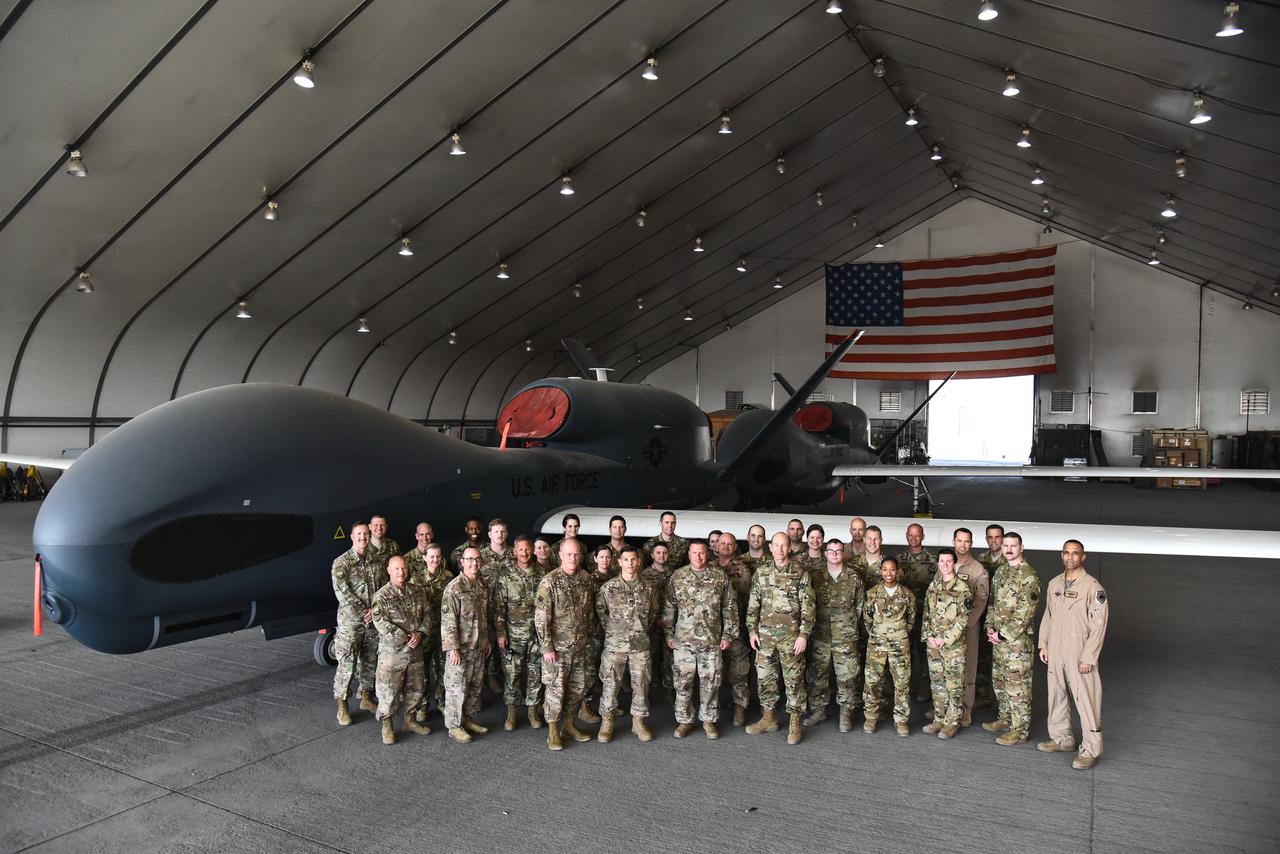
In the United Arab Emirates, Al Dhafra Air Base functions as a key U.S. Air Force hub used for reconnaissance missions and regional operations, while Dubai’s Jebel Ali Port regularly receives U.S. naval vessels despite not being a formal military base. Residents in Abu Dhabi reported explosions during Iran’s retaliatory strikes, prompting temporary and partial airspace closures.
Saudi Arabia hosts US forces focused largely on air and missile defense coordination. Personnel operate primarily from Prince Sultan Air Base south of Riyadh, supporting Patriot missile batteries and Terminal High Altitude Area Defense (THAAD) systems designed to intercept ballistic missiles.
 1 min read
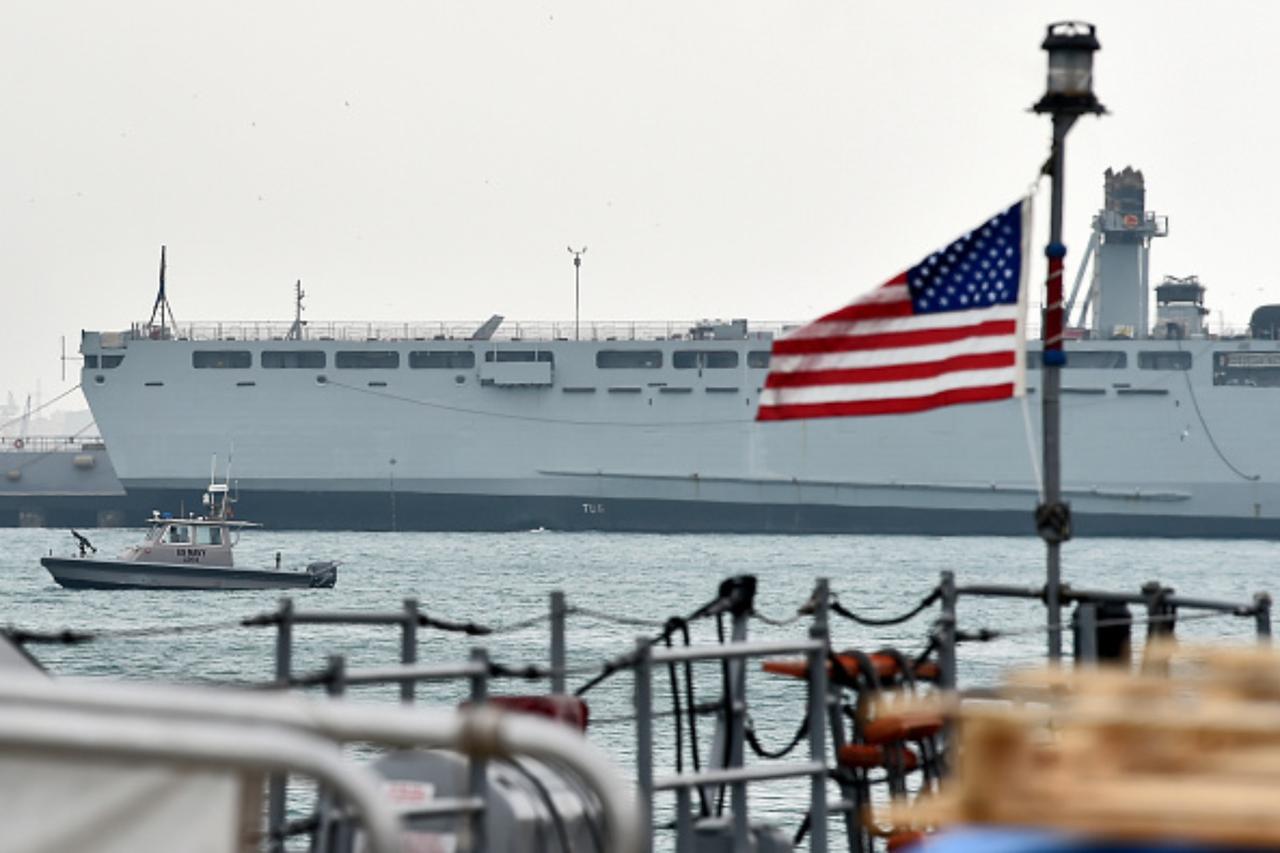
The US continues to maintain a limited but strategic presence in Iraq, including Ain Al Asad Air Base in Anbar province and Erbil Air Base in the Kurdish Region. These facilities support Iraqi security forces, NATO missions, and coalition coordination. Ain Al Asad previously came under Iranian missile fire in 2020 following the killing of Iranian General Qasem Soleimani.
In Syria, U.S. forces operate at several locations, including the Tanf base, which supports coalition operations against the Daesh terror group.
Jordan’s Muwaffaq Salti Air Base, hosting the US Air Force’s 332nd Air Expeditionary Wing, is considered a key staging ground for regional air missions. Sirens sounded across Jordan during the latest missile launches.
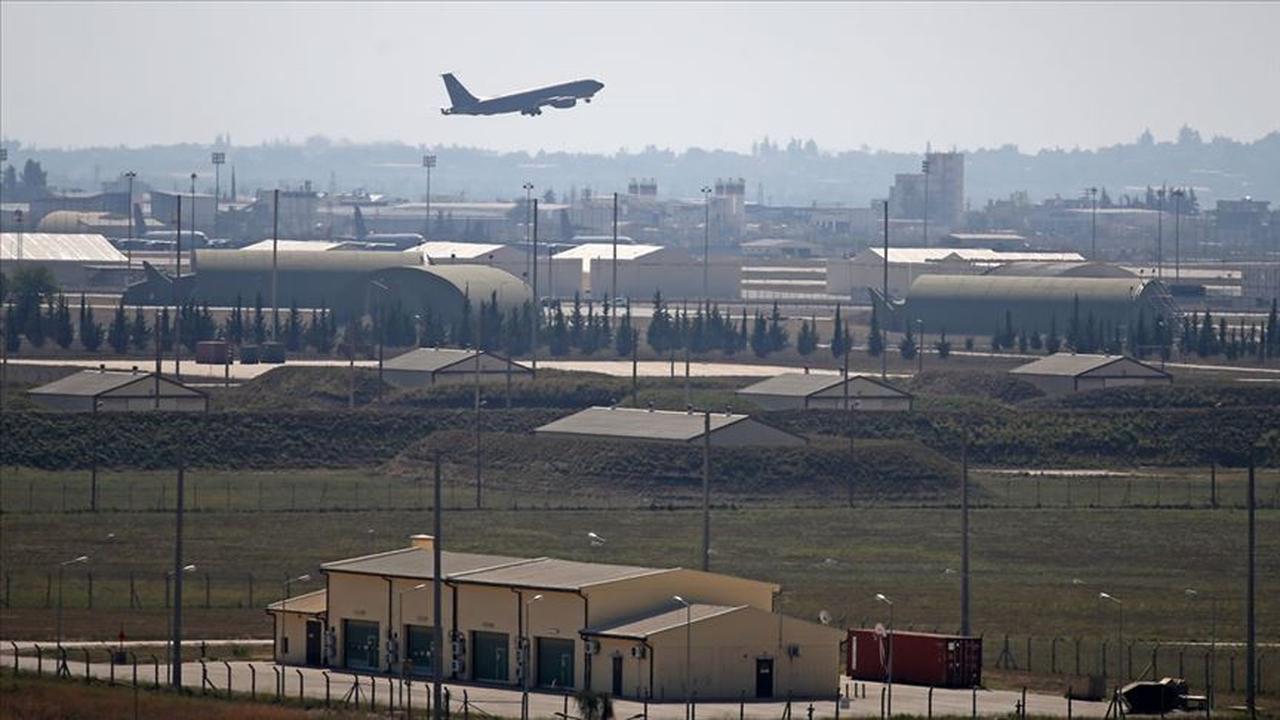
Türkiye hosts two U.S. military facilities, including Incirlik Air Base in Adana, jointly operated by Ankara and Washington. The base supports coalition missions against the Daesh terrorist group in Iraq and Syria and reportedly stores U.S. nuclear warheads.
Around 1,465 U.S. personnel are stationed in the country.
Beyond the Middle East core, the United States also maintains strategic access points such as bases in Oman and Djibouti, which support naval and logistics operations across the wider region.
While neither Israel nor the United States officially acknowledges American bases in Israel, Washington confirms the existence of emergency weapons storage facilities there.
As exchanges continued, multiple countries suspended flights or restricted airspace, signaling growing concern that the confrontation could spread further across a region already hosting one of the world’s densest concentrations of foreign military forces.


 Set as preferred source
 Set as preferred source



 1 min read