Newsletters




The Iran conflict has entered a Cold War-like phase of financial sanctions, naval interdictions, and inconclusive diplomacy, with no immediate end in sight. Several U.S. officials fear that America is getting drawn into a "frozen conflict" of no war and no deal, Axios reported.
Meanwhile, U.S. President Donald Trump told one adviser that "all Iran's leaders understand is bombs," even as he vacillated between launching new strikes and waiting for maximum pressure sanctions to work, according to five advisers who had spoken with him.
Axios reported that Trump was vacillating between launching new military strikes and waiting to see whether maximum pressure sanctions would force Iran toward a nuclear deal.
One adviser who relayed Trump's private remarks said the president had told him: "All Iran's leaders understand is bombs." The same adviser described Trump as "frustrated but realistic," not wanting to use force but not backing down.
Some senior advisers were counseling Trump to maintain the blockade and impose further economic sanctions before returning to bombing.
Secretary of State Marco Rubio told Fox News, "The level of sanctions on Iran is extraordinary, the pressure on Iran is extraordinary, and I think more can be brought to bear. I hope the rest of the world will join us in the crippling sanctions and other things that we are doing to pressure that regime into making concessions it does not want to make."
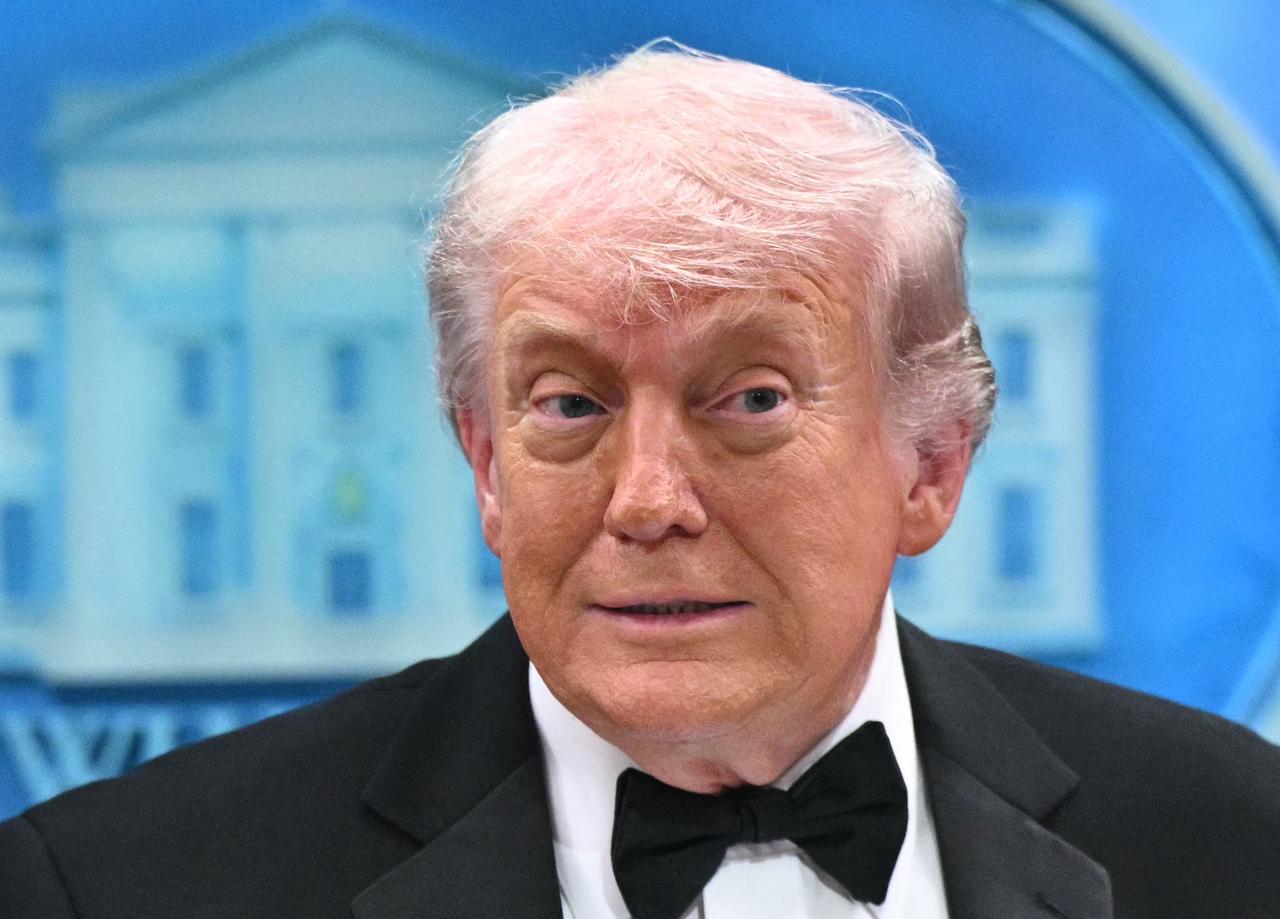

Hawks outside the administration, including Washington Post columnist Marc Thiessen, retired Army General Jack Keane and Senator Lindsey Graham, were advising Trump to take military action to break the deadlock.
Graham posted on X on Monday: "Mr. President, stick to your guns for the good of the nation and the world. The Iranian regime and their behavior is the problem, not you," calling on Trump to reject Iran's latest proposal.
Trump discussed Iran's Hormuz-first proposal with his national security team on Monday.
A U.S. official and two other sources briefed on the meeting told Axios no decisions were made, and one source said Trump did not appear inclined to accept the proposal because it would postpone nuclear talks, the elimination of Iran's nuclear program being his stated rationale for the war.
White House Press Secretary Karoline Leavitt said, "The president's red lines with respect to Iran have been made very, very clear."
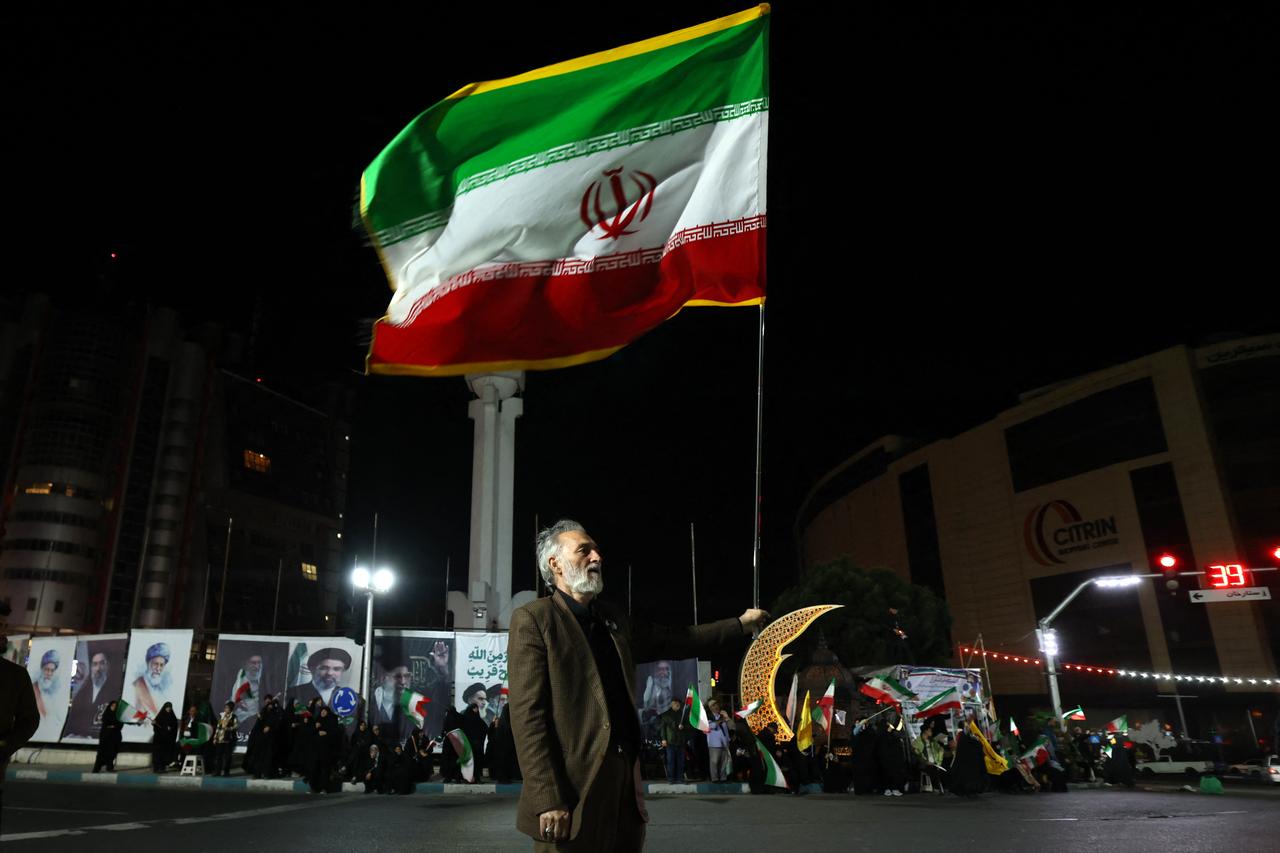
Treasury Secretary Scott Bessent ramped up maximum pressure sanctions targeting financial institutions, shipping companies, and Chinese "teapot" refiners processing sanctioned Iranian oil.
"This is maximum pressure everywhere and from all angles. That could mean military action, too. It might not. It's up to the president," a senior administration official said.
U.S. officials and allies believed the sanctions, combined with the blockade, could make it impossible for Iran to store more oil, forcing well shutdowns and major economic damage.
Analysts critical of the war said it would not produce concessions.


 Set as preferred source
 Set as preferred source


 3 min read