Newsletters





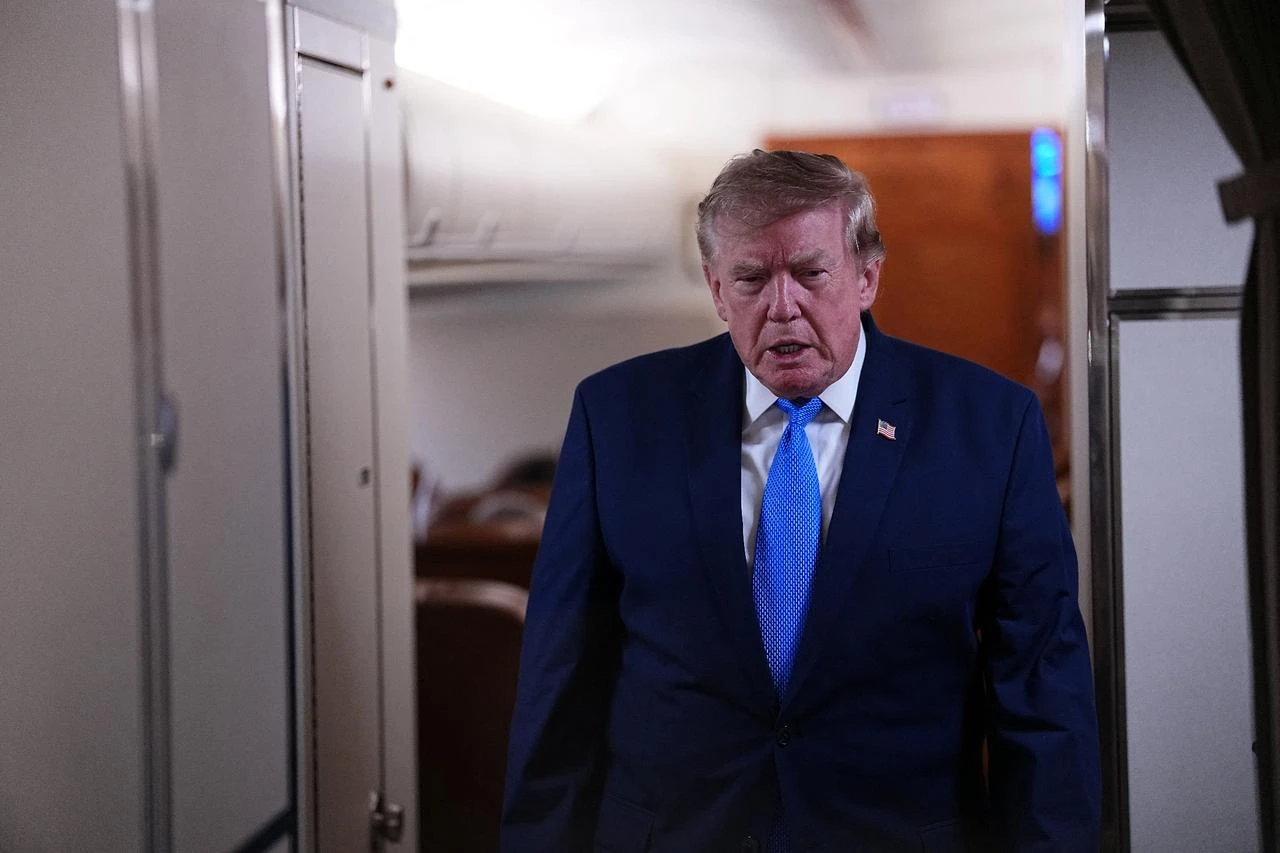
U.S. officials told CBS News that no "new" negotiations are planned between the United States and Iran, despite comments from U.S. President Donald Trump.
The officials said only ongoing contacts through mediators continue.
Trump said Sunday that talks with Iran would begin Monday afternoon. He also said a "deal is imminent." U.S. officials pushed back on that framing, CBS News reported.
The officials said there are no new or separate talks planned. They said the only activity is the existing back-channel process. That process involves Middle East envoy Steve Witkoff, Jared Kushner and the U.S. negotiating team. They are in contact with the Iranian team through mediators, the officials said.
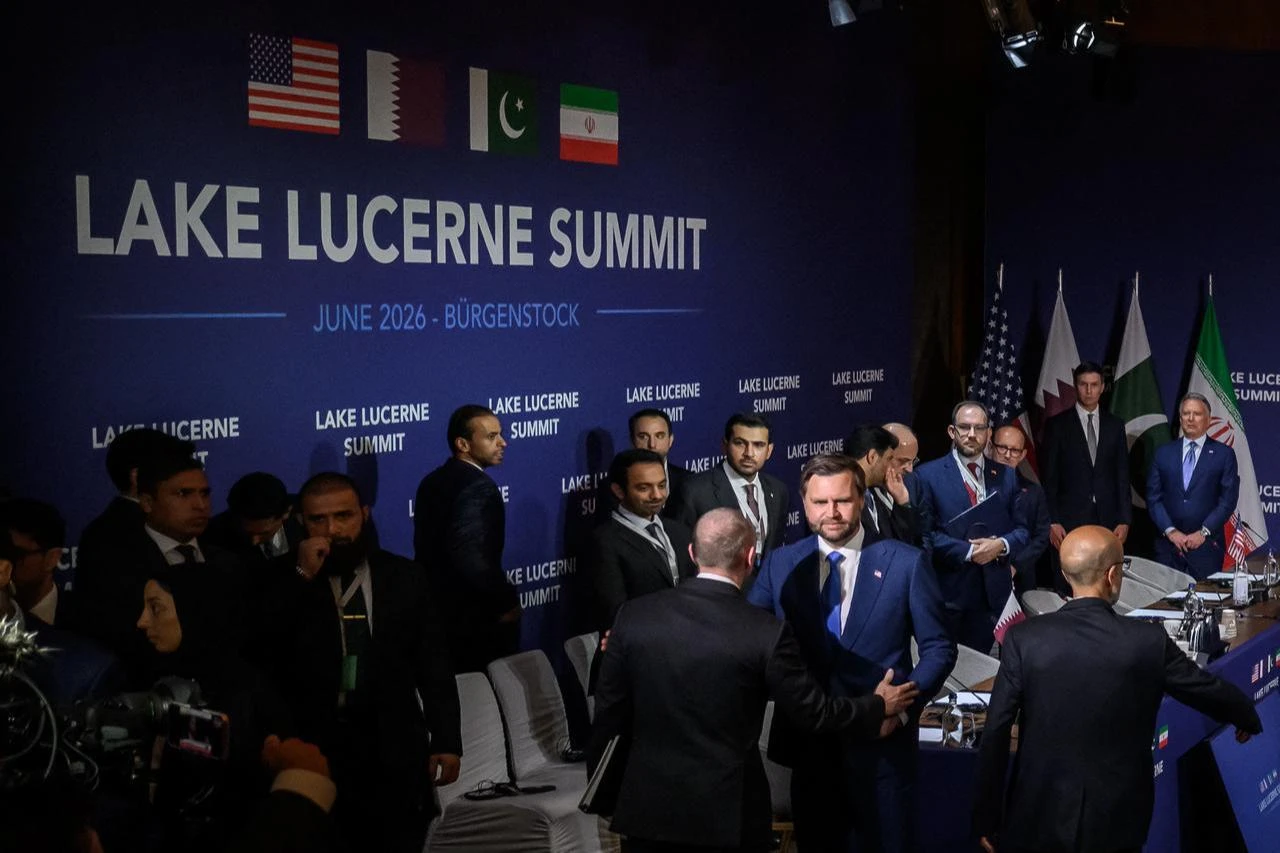

Trump has responded to Tehran's dismissal of his claim that U.S.-Iran talks were set to restart Monday, calling the country's leadership "unbelievably duplicitous" and saying they begged for talks.
Iran on Monday denied that any talks were planned and said it was only in negotiations with Oman at the moment, to discuss the future of the Strait of Hormuz.
In a post on his Truth Social platform Monday, Trump wrote: "Iranian Leadership is unbelievably duplicitous! They ask for a meeting, some would say 'beg,' talks begin, with more scheduled in the immediate future, and they say, openly and proudly, that they're not having any discussions, that nothing is being talked about, and they're only dealing with 'Oman.'"
Later speaking to reporters in the Oval Office, Trump said, "Well, you don't know, I don't know, I think we're going to maybe get something," adding, "But I want to give them every last chance before decapitation. Very tough to do what we have planned, still planned. We'll see what happens."
"I'm very proud of the fact that I will give people, I'll give people a chance," he noted.
Iran's Foreign Ministry spokesperson, Esmaeil Baghaei, addressed the matter at a press conference Monday. He said Tehran had no plans to hold direct talks with Washington.
"To avoid any misunderstanding, it is important to clarify what the current negotiations are about and who they are with. We are not negotiating with the United States at this time," Baghaei said.
He said Iran's only active talks are with Oman.
"Our negotiations are with Oman and are focused on reaching an understanding on a route that will ensure the safe passage of shipping through the Strait of Hormuz," he said.
Shipping traffic through the Strait of Hormuz and the Bab el-Mandeb strait "remains constrained," data firm Kpler said Monday
The war with Iran has affected both chokepoints.
Kpler reported nine confirmed transits through Hormuz on Sunday, including two sanctioned vessels and two from the "shadow fleet." Seven of the nine used a route Iran established, which requires ships to coordinate with Tehran and potentially pay a toll, Kpler said.
The Bab el-Mandeb, the entrance to the Red Sea from the Gulf of Aden, saw 30 crossings Sunday—down from 41 crossings on July 31, according to Kpler, with 20 vessels exiting the Red Sea and 10 entering.
"Until U.S., Iranian and Omani signals converge into clear navigation arrangements, operators should treat both chokepoints as contested rather than normalised," Kpler wrote.
Reuters separately reported that traffic through both chokepoints "held largely unchanged" at the start of the week. Citing Kpler data, Reuters said 20 ships crossed the Bab el-Mandeb on Monday, including 12 tankers and eight bulk carriers, holding flat compared with Sunday.
The Iran-aligned Houthis declared a maritime blockade of Saudi Arabia in the Red Sea on July 20. They then launched attacks on several Saudi tankers and oil facilities, opening a new front in the war. Crossings through the Bab el-Mandeb averaged about 41 vessels a day in the week before that declaration.
Reuters reported that six vessels transited the Strait of Hormuz on Monday, including three tankers and three bulk carriers, down from seven the previous day. Before the war, about 130 vessels passed through the strait daily.
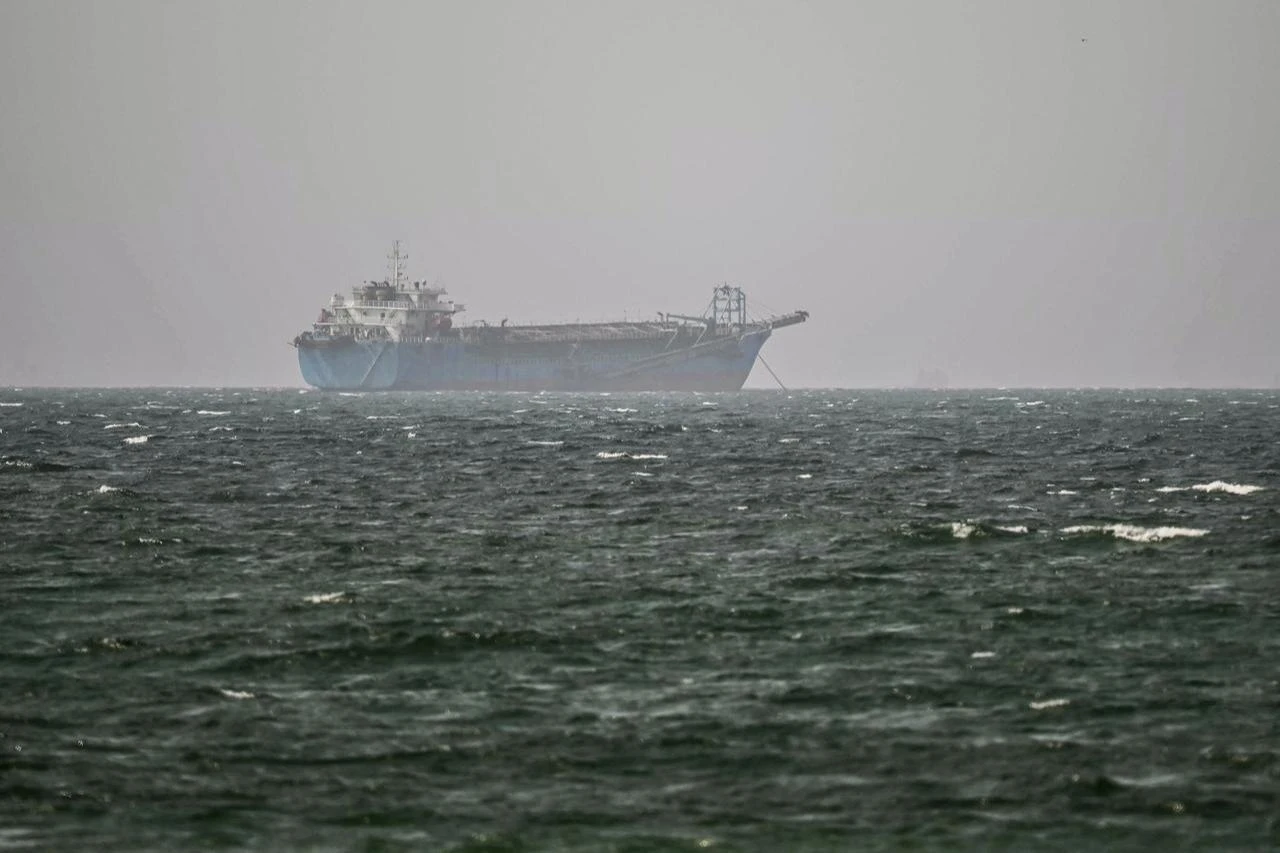
Mohsen Rezaei, a military adviser to Iranian Supreme Leader Mojtaba Khamenei, warned the U.S. against its continued naval blockade of Iranian ports.
"If the blockade continues, American vessels and forces will face serious risks and casualties," Rezaei wrote on X.
"The U.S. must change its behavior, or we will not tolerate this. We will never permit the opening of a second corridor in the Strait of Hormuz," he added.
The U.S. renewed its blockade of Iranian ports in July. That followed the collapse of the June Memorandum of Understanding (MoU) between Tehran and Washington over the control of the strait.
The U.S. military has since redirected at least 44 vessels, disabled two and boarded two others, according to U.S. Central Command (CENTCOM).


 Set as preferred source
 Set as preferred source


 1 min read
 1 min read