Newsletters


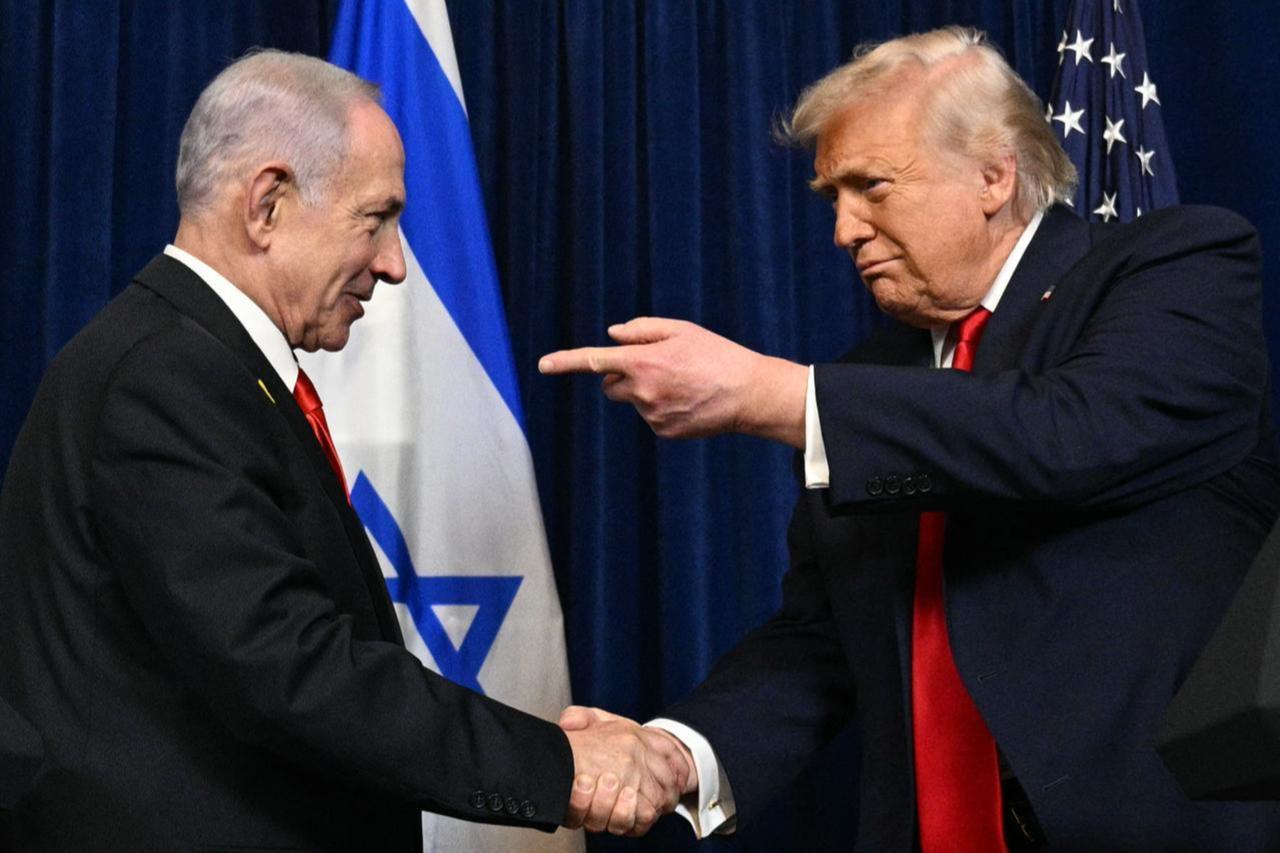


Israeli Culture and Sports Minister Miki Zohar warned that the United States will soon find itself "on a collision course" with Israel over its agreement with Iran, saying the deal will not resolve concerns over Tehran's nuclear program.
Speaking at the Local Government Conference in Tel Aviv on Wednesday, Zohar criticized the U.S. handling of negotiations with Tehran, predicting an eventual return to military confrontation.
"The conduct of the U.S. at this moment regarding the Iranian issue is not good," Zohar was quoted as saying by Israeli news site Ynet.
"They do not internalize who they are dealing with," he said.
"The U.S. will find itself on a collision course with Israel in the near future, and our response to the U.S. will not be automatic," Zohar added, warning that differences between Washington and Tel Aviv could deepen in the coming period.

Zohar said Israel's security considerations would determine its response to developments over Iran.
"Our security interest will dictate the military move," he said.
The minister also expressed skepticism about the effectiveness of the U.S.-Iran memorandum of understanding (MoU) aimed at ending the war.
"A U.S. agreement, in my opinion, will not solve the nuclear weapons issue, and the war phase will return faster than people think," he said.
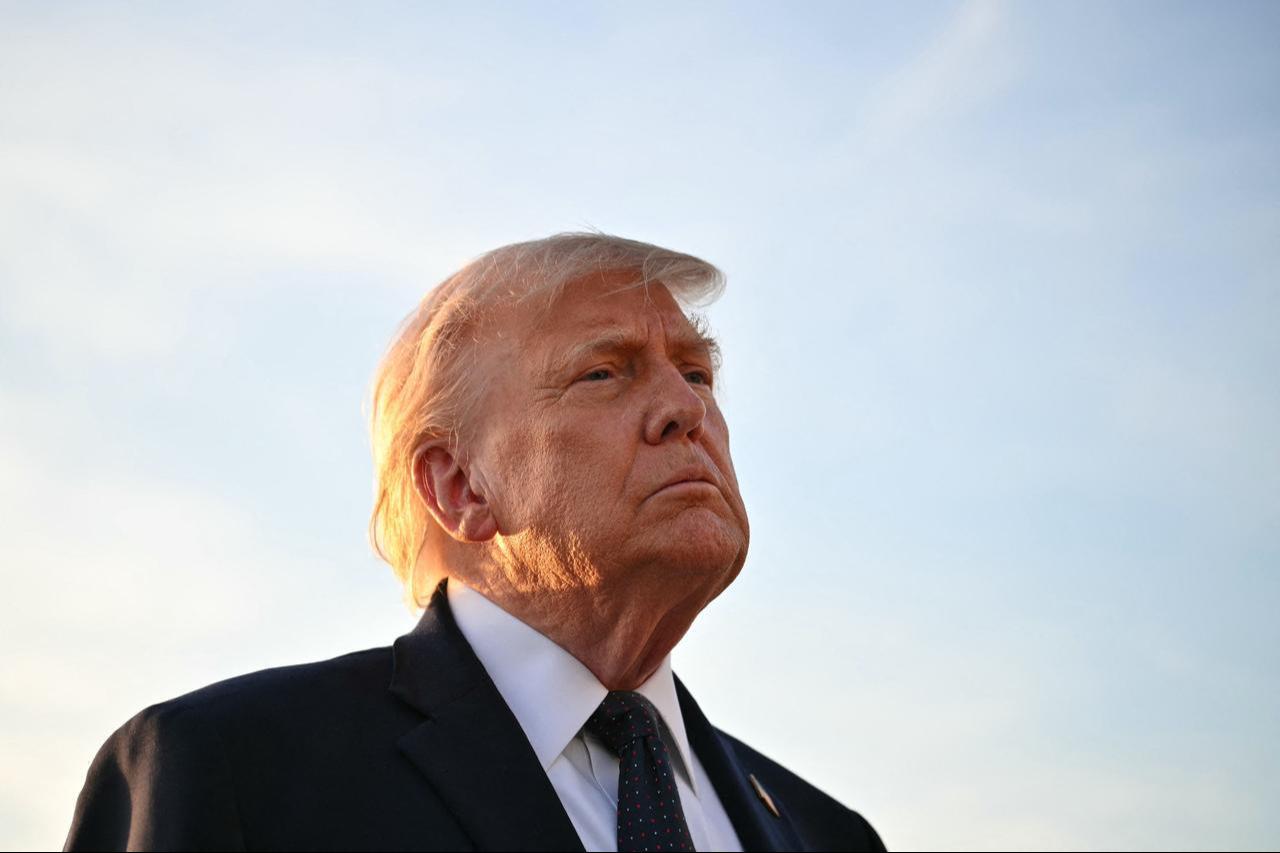
His remarks came amid growing criticism within Israel of U.S. President Donald Trump's administration following its signing of an MoU with Iran.
Israeli officials have questioned whether the agreement can effectively prevent Tehran from advancing its nuclear program. The U.S., on the other hand, says the deal is intended to contain tensions and avoid a broader military confrontation.
Last week, U.S. Vice President JD Vance sharply criticized ministers in Israeli Prime Minister Benjamin Netanyahu's government over their opposition to the U.S.-Iran agreement.
The U.S. and Iran signed the memorandum on June 17 and launched negotiations in Switzerland on Sunday under Pakistani and Qatari mediation.
The talks are aimed at reaching a final agreement to end the war that began with the U.S.-Israeli attack on Iran on Feb. 28.
The understanding includes provisions related to ending the war, including in Lebanon, reopening the strategic Strait of Hormuz, lifting the U.S. naval blockade imposed on Iran, and addressing issues related to sanctions relief, the nuclear file and reconstruction.
The U.S. and Israel accuse Iran of maintaining nuclear and missile programs that threaten Israel and U.S.-allied countries in the region.
Iran rejects the allegations, insisting that its nuclear program is peaceful. The country claims it does not seek nuclear weapons and that it poses no threat to other countries.
Israel, which occupies Palestine and territories in Lebanon and Syria, is widely believed to be the only country in the Middle East possessing a nuclear arsenal. Its nuclear facilities are not subject to International Atomic Energy Agency inspections.


 Set as preferred source
 Set as preferred source


 1 min read

 1 min read