Newsletters


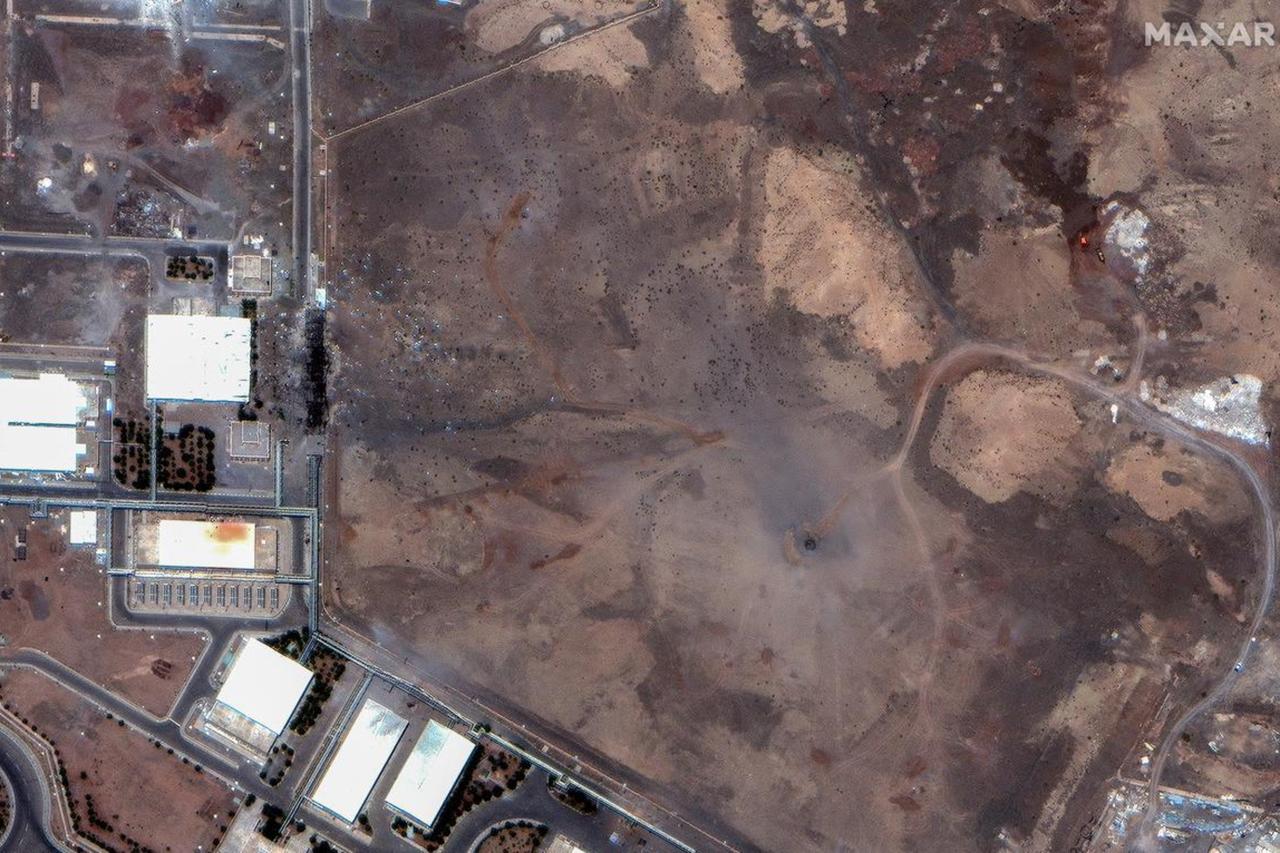


Iranian Deputy Foreign Minister Kazem Gharibabadi on Wednesday denied statements by International Atomic Energy Agency (IAEA) chief Rafael Mariano Grossi that Iranian nuclear facilities hit by the United States and Israel would be inspected by agency monitors.
Gharibabadi said on X that no meeting was held with Grossi in Switzerland despite the IAEA chief's request.
He added that there are currently no plans to grant access to the targeted facilities or nuclear materials.
"There is also no program for access to the attacked facilities and nuclear materials," Gharibabadi said.
He said the issue would only be examined and resolved within the framework of a final agreement and after the other side takes practical steps, including terminating all sanctions on Iran.
"These issues will solely be examined and resolved within the framework of the final agreement and as a result of the other party's practical action in terminating all sanctions," he said.
Gharibabadi also accused others of trying to advance a "stir up and take over" policy through media pressure.
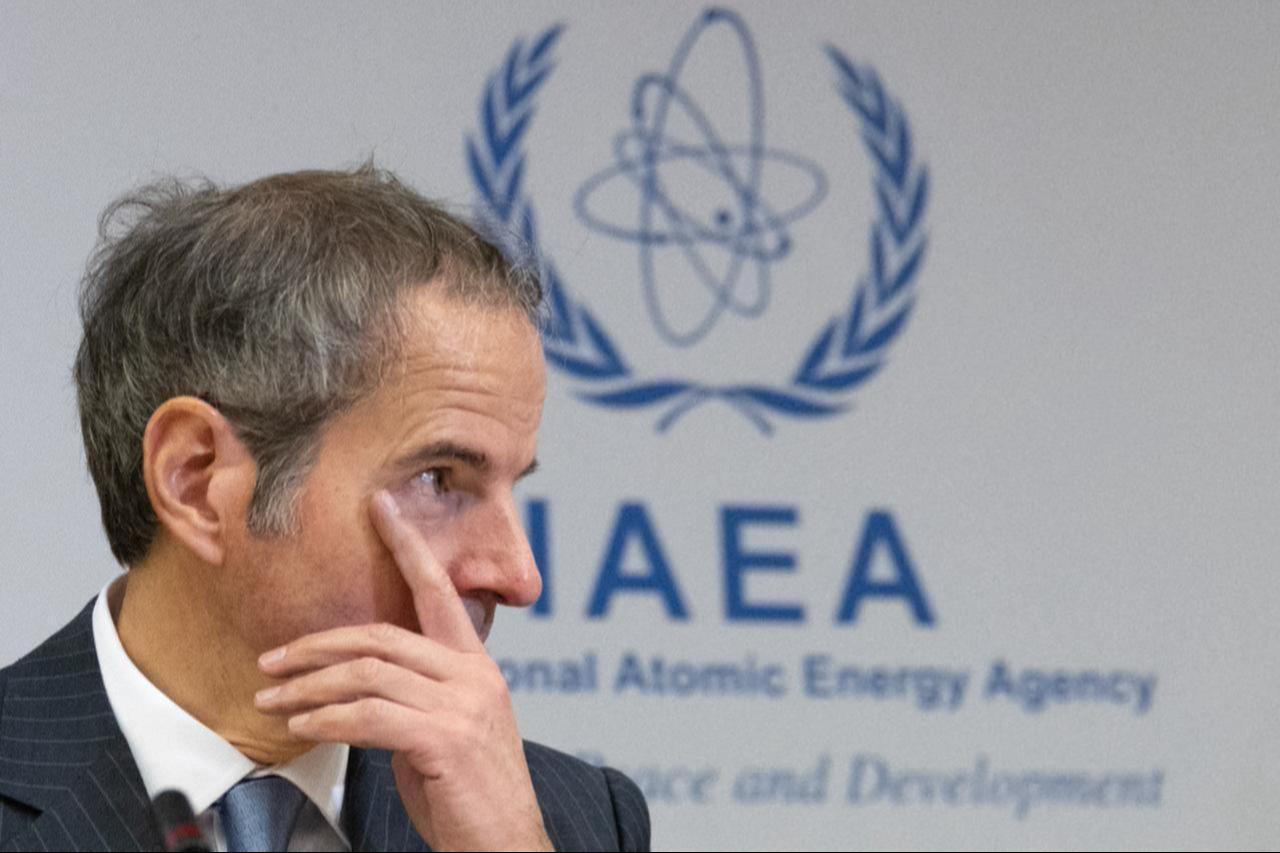
Grossi had said during a news conference at Japan's Fukushima Daiichi Nuclear Power Plant that Iranian nuclear facilities struck by the United States and Israel would be inspected by IAEA monitors.
He described differing statements from the two sides on inspections as a "war of words."
Spokesman for the Iranian Foreign Ministry and the negotiating team, Esmail Baghaei, denied the claims at a news conference on Tuesday.
Baghaei said IAEA inspections would continue at facilities where inspections had previously been ongoing, such as the Bushehr Nuclear Power Plant.
However, he said inspections at other facilities where IAEA access was cut off because of U.S. and Israeli attacks would depend on the course and outcome of negotiations.

On the other hand, U.S. Vice President JD Vance said Iran had agreed to invite IAEA inspectors back, describing the move as "the thing that Americans are most excited about" and "a big breakthrough."
He made these remarks in Burgenstock, Switzerland, where talks were held on implementing the memorandum of understanding signed between the United States and Iran with the participation of mediators, Pakistan and Qatar.
U.S. President Donald Trump also noted that IAEA inspectors would eventually go to Iran to monitor enriched uranium processes, but emphasized that the issue was not an immediate priority.
When asked by a reporter to clarify if an inspection timeline had already been finalized as part of the initial U.S.-Iran agreement, Trump responded: "No, those reports are not true, but there will be 100% inspections."
Meanwhile, Gharibabadi's statement rejected the notion that any current program exists to grant access to the bombed sites or nuclear materials.
He maintained that such issues would be addressed only under a final agreement, and only after the other side takes concrete steps to lift all sanctions.


 Set as preferred source
 Set as preferred source



 2 min read