Newsletters


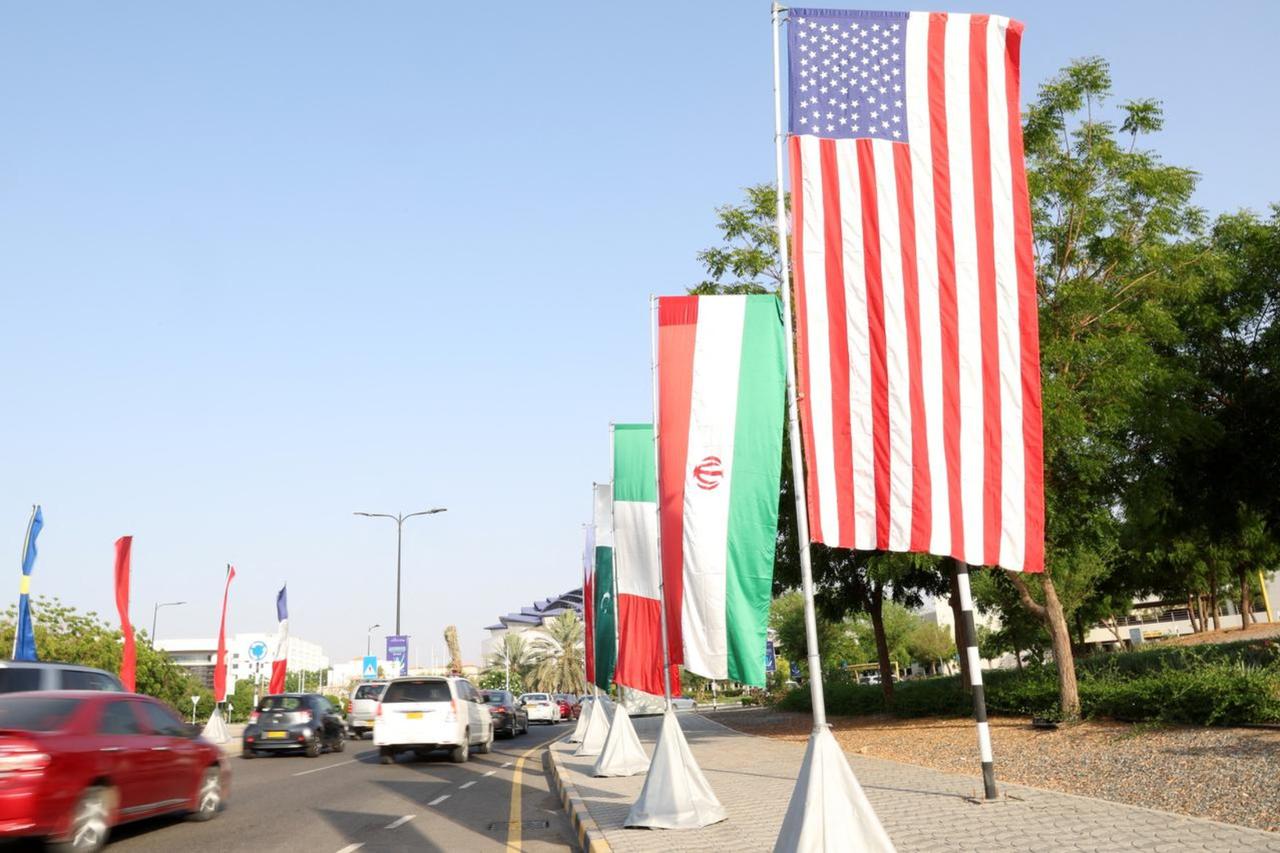


The United States pressured Oman to choose a side in the U.S.-Israel-Iran conflict and cut diplomatic relations with Tehran, according to a report by The Wall Street Journal (WSJ) citing U.S. and Arab officials.
The report said Washington's growing frustration with Muscat's neutral approach toward Iran has led to increased pressure on the Gulf state, which has long maintained ties with both the United States and Iran.
According to The Wall Street Journal, U.S. and Arab officials said Washington has urged Oman to sever diplomatic ties with Tehran and align more closely with the U.S. position in the conflict.
The report cited a U.S. official as saying the Trump administration threatened sanctions and even military action against Oman after a new intelligence assessment concluded that Muscat was planning to join Iran in imposing transit fees on vessels passing through the Strait of Hormuz.
Oman has repeatedly denied any intention to charge ships for passage through the strategic waterway.
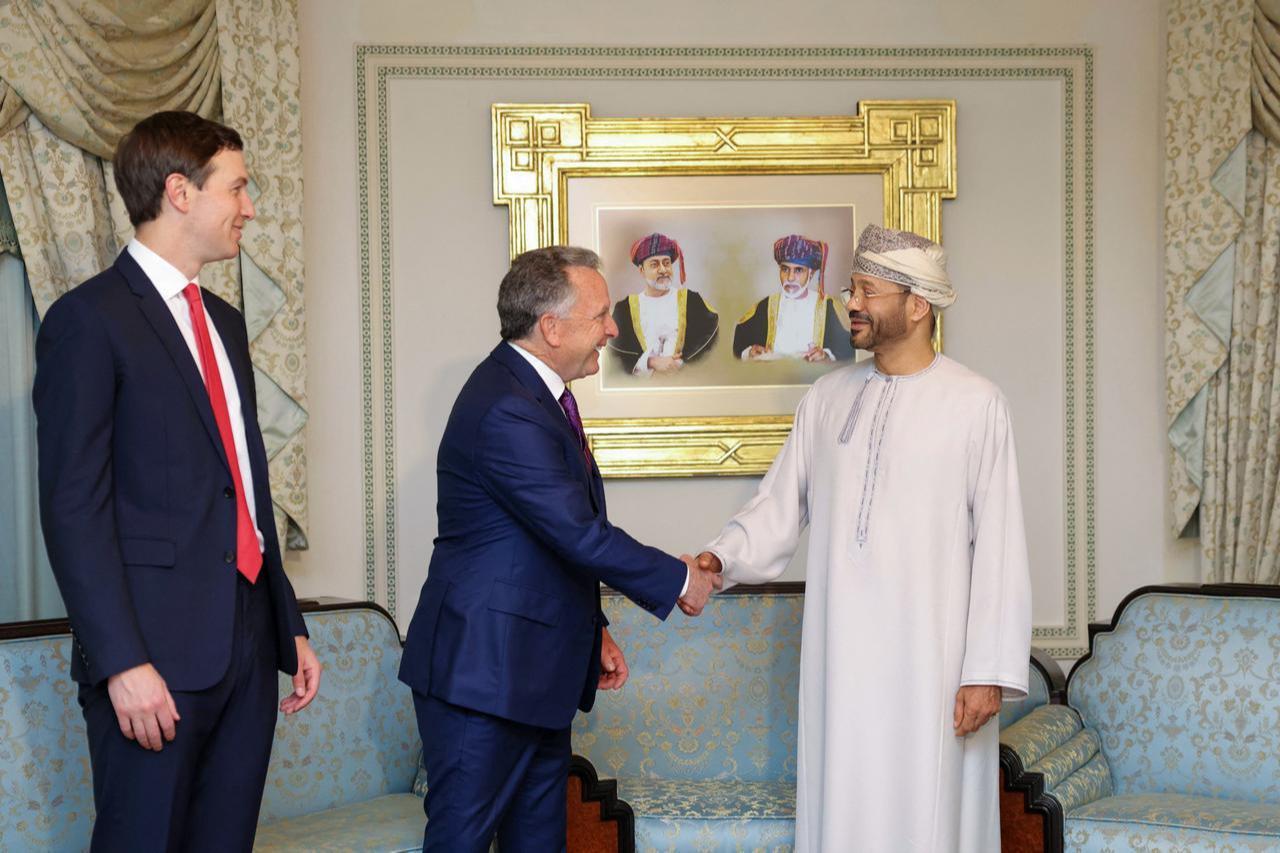

Oman's Information Ministry did not directly comment on reports of U.S. pressure to cut ties with Iran.
However, Information Minister Abdulla al-Harrasi, speaking to WSJ, said Oman remains willing to cooperate with Washington and other partners.
"Oman stands ready to work with the United States and all responsible partners to promote stability, deter disruption, and safeguard our shared strategic interests," Harrasi said.
According to the report, Oman has sought to balance its longstanding alliance with the United States and its geographic and diplomatic relationship with neighboring Iran.
Arab officials cited by the newspaper said Muscat believes maintaining communication channels with Tehran increases the prospects for long-term regional stability.
The reported dispute centers on the Strait of Hormuz, a critical global energy shipping route.
U.S. Treasury Secretary Scott Bessent warned Oman of possible sanctions if it imposed transit fees on vessels using the strait, according to the report.
Bessent said Oman's ambassador to Washington, Talal Alrahbi, assured him that Muscat had "no plans for tolling."
The report said Omani officials were surprised by what they viewed as a sudden shift in Washington's approach and are considering ways to respond.
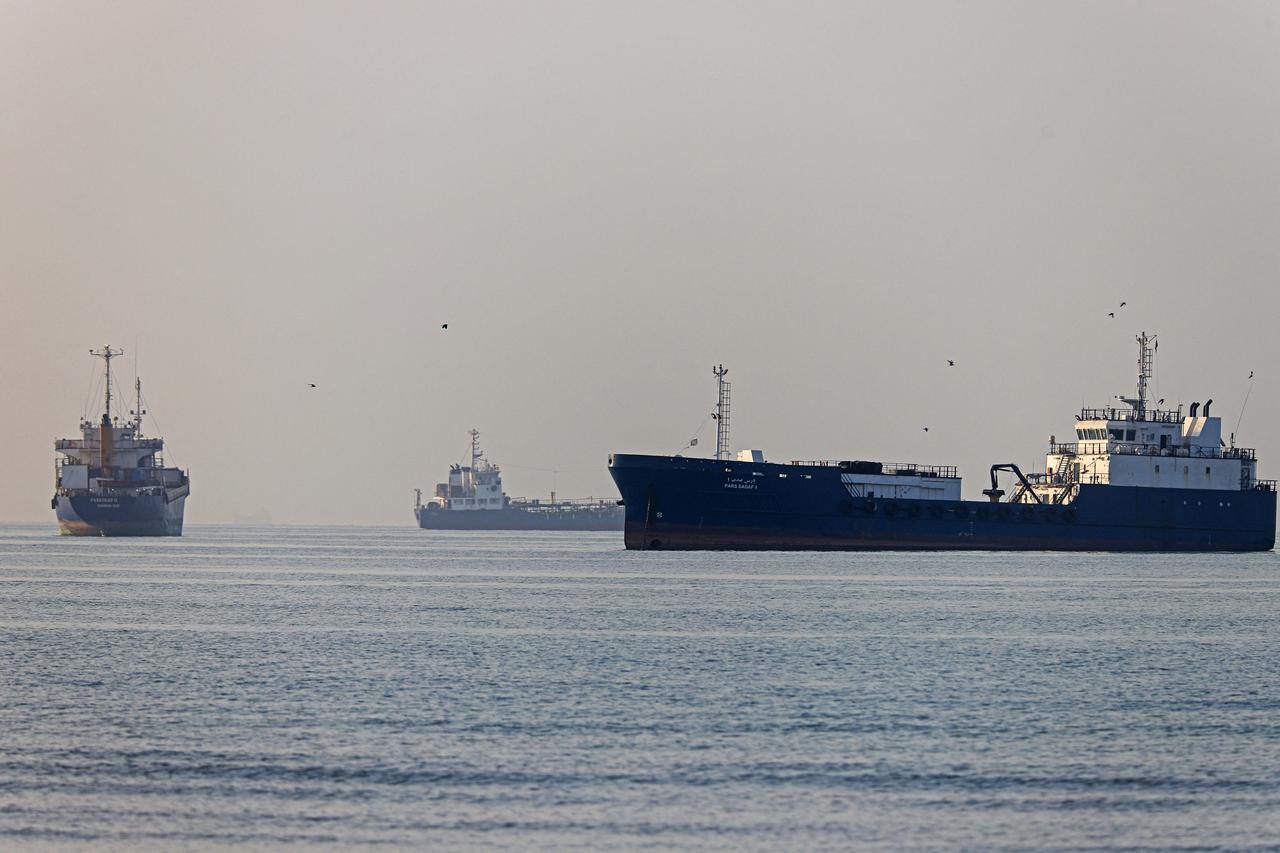
According to sources cited by the newspaper, Oman has provided navigational assistance, search-and-rescue services, and medical support to vessels operating in the region since the conflict began, including some linked to the United States.
Harrasi said Oman remains committed to protecting commercial shipping through the Strait of Hormuz.
"Any threat to freedom of navigation in these waters would harm the interests of the entire international community, including the United States," he said.
Oman has historically played a mediator role between Washington and Tehran and previously hosted talks that contributed to the 2015 nuclear agreement between Iran and world powers.
More recently, Oman facilitated two rounds of U.S.-Iran nuclear discussions before they were disrupted by military escalation.
The Wall Street Journal reported that some U.S. officials have sought to reduce Oman's role in diplomatic efforts, although officials quoted by the newspaper said there is no actual plan to carry out military action against the Gulf state despite recent threats.


 Set as preferred source
 Set as preferred source


 1 min read
 1 min read