Newsletters


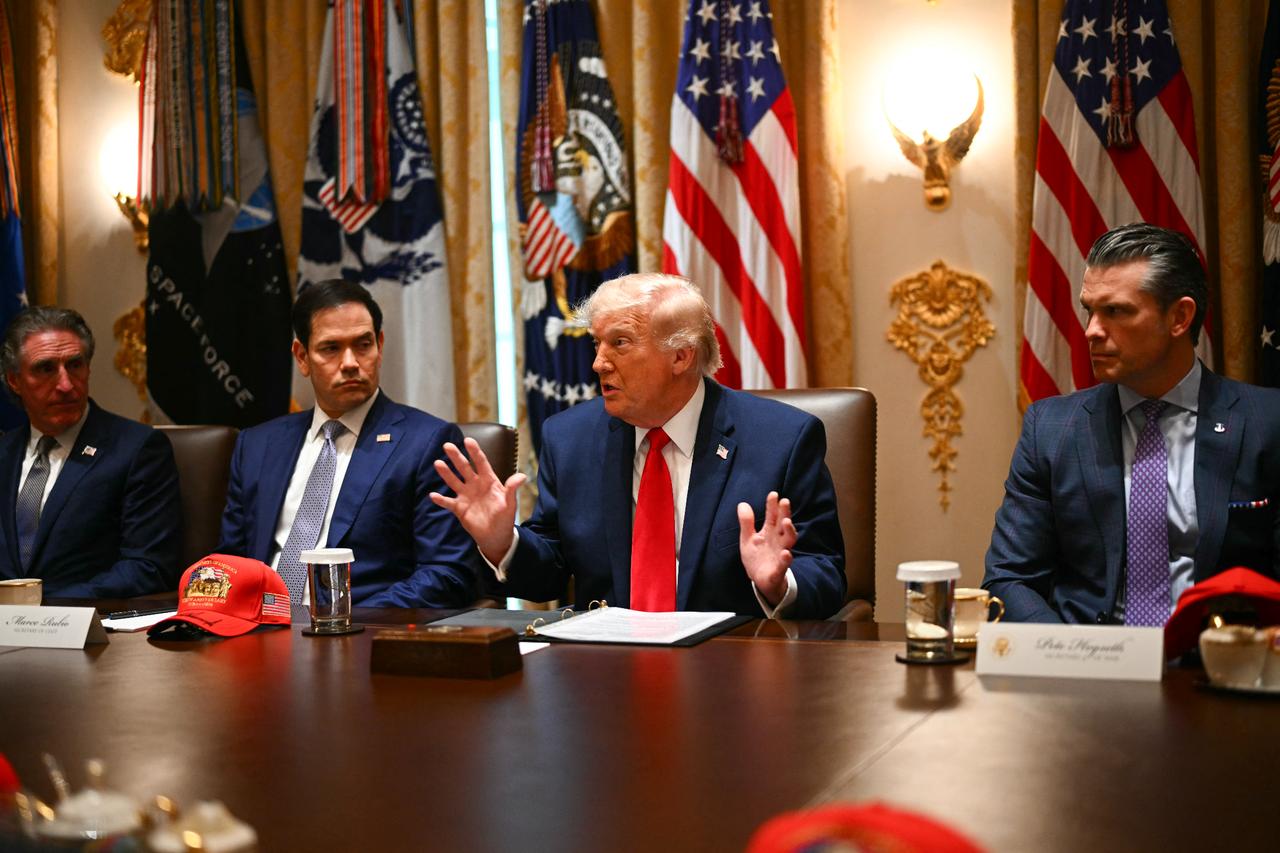


U.S. President Donald Trump issued a direct threat Wednesday against Oman, a longtime U.S. ally, warning that the Gulf nation would face destruction if it pursued a reported joint toll arrangement with Iran over passage through the Strait of Hormuz, which has been closed for nearly three months amid a grinding U.S.-Iran conflict.
"Oman will behave just like everybody else or we'll have to blow them up," Trump told reporters at a White House Cabinet meeting. "Nobody's going to control it."
The State Department amplified the remarks on its official X account immediately after the Cabinet meeting concluded.
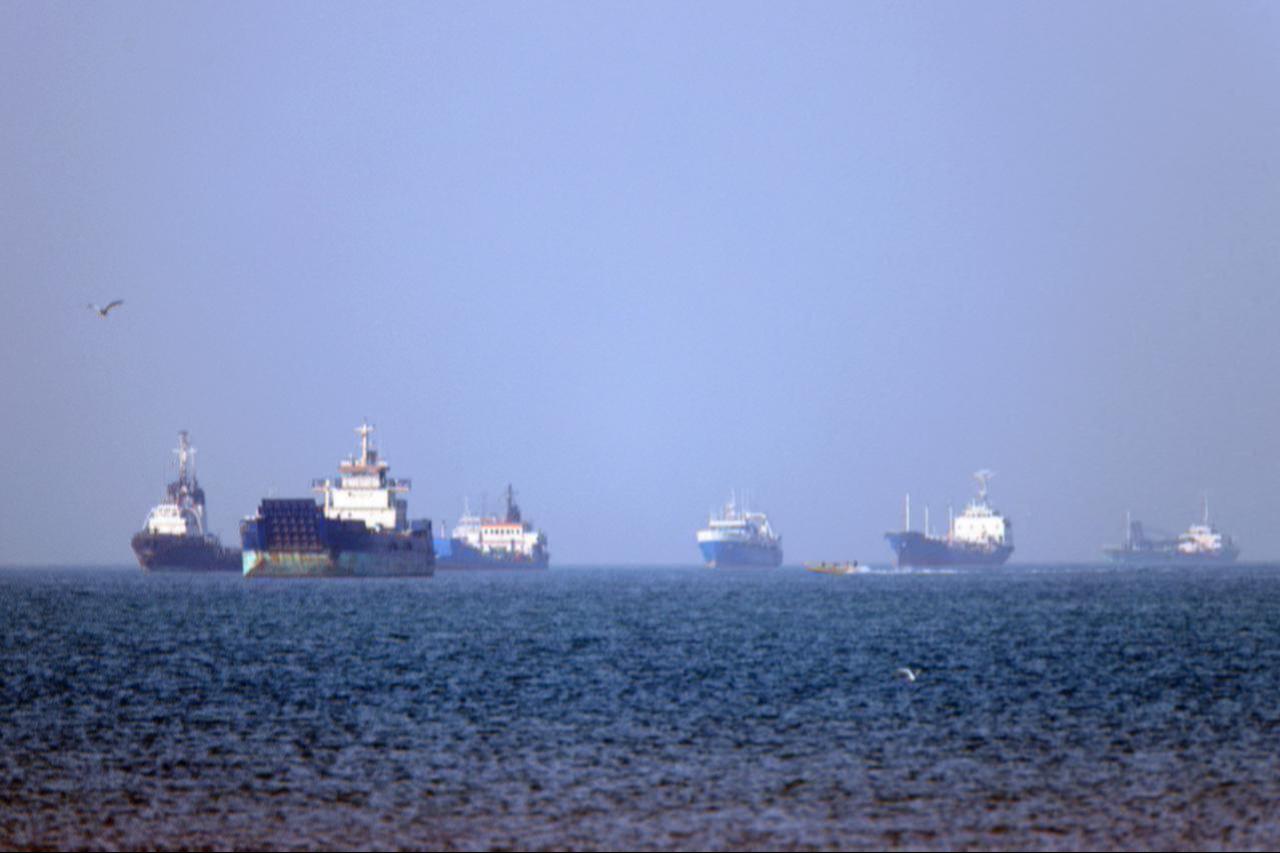

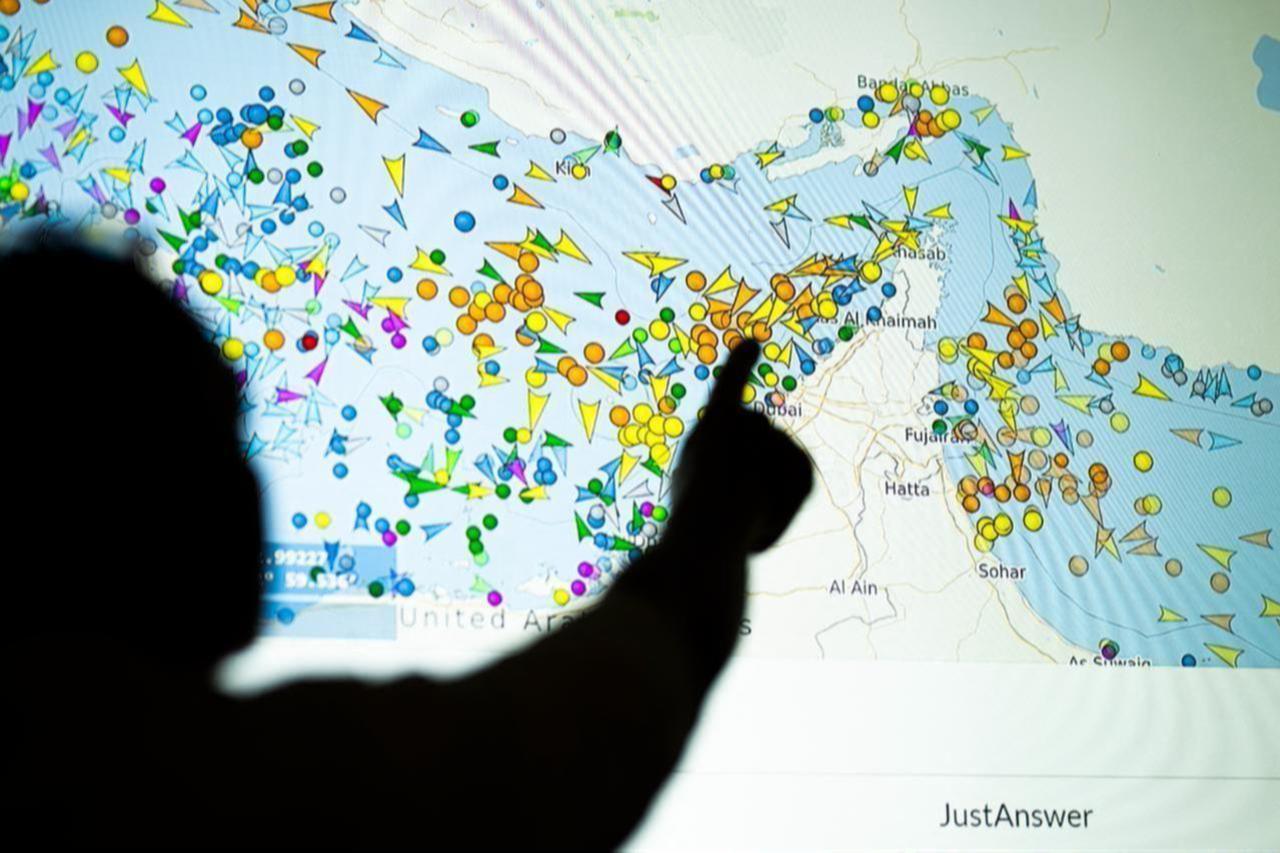
The Strait of Hormuz, through which roughly 20 percent of the world's oil transits, has remained effectively closed since Iran shut it down following the initial U.S. and Israeli strikes against Tehran in February. A ceasefire announced by Trump in April made the strait's full reopening a condition of the agreement, but transit has remained near-nonexistent.
The prolonged closure has driven a major spike in global energy prices. The United Nations Food and Agriculture Organization warned last week that the disruption has raised the prospect of a worldwide food crisis. Experts say the effects of the closure, even if resolved promptly, will continue to reverberate through global markets for months.
Earlier attempts to force the strait open have failed. Trump announced plans in early May to deploy U.S. Navy vessels to escort civilian ships through the waterway, only to suspend those plans two days later.
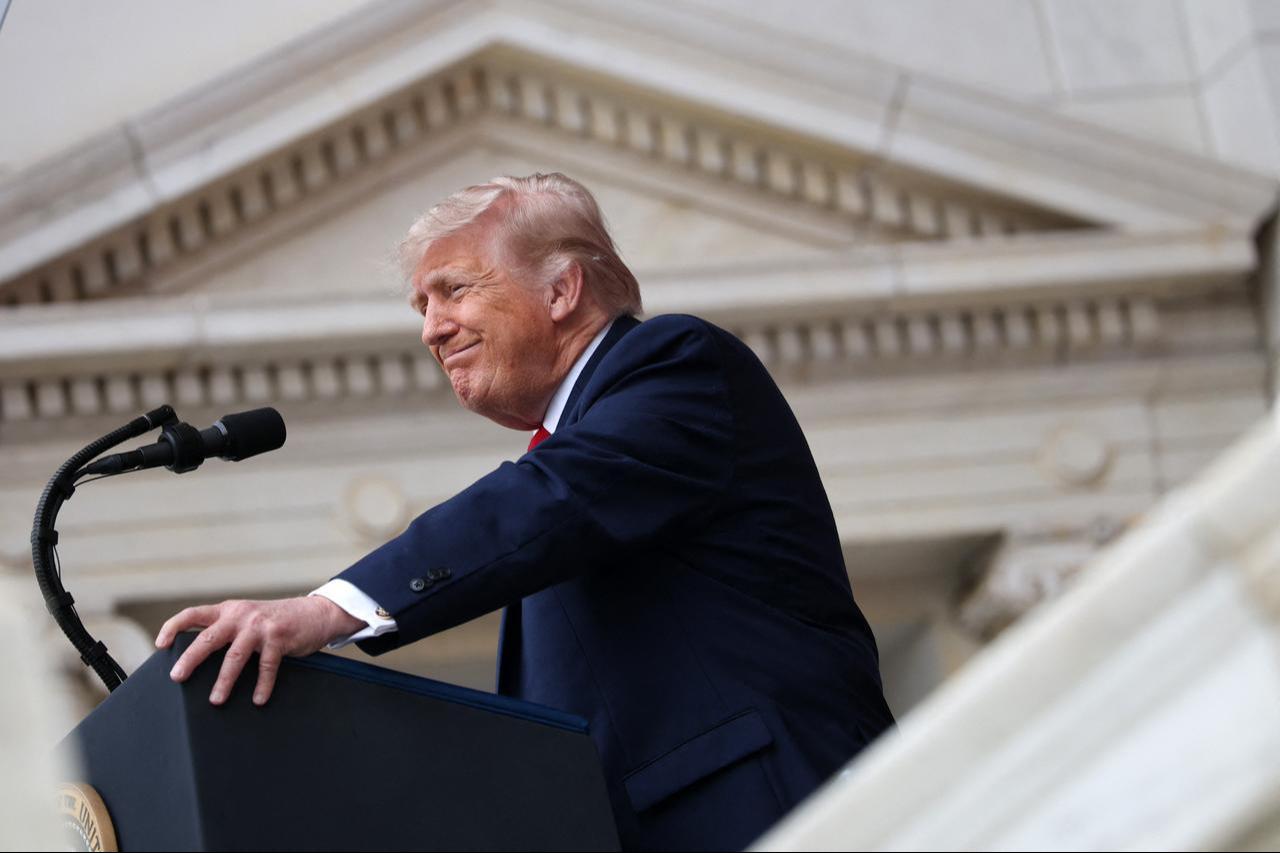
At the same Cabinet meeting, Trump escalated his conditions for reaching a peace agreement with Iran, warning that he might walk away from negotiations unless Middle Eastern nations that have not yet done so sign on to the Abraham Accords, the normalization framework brokered during his first term between Arab states and Israel.
"They owe it to us," Trump said. "I'm not sure we should make the deal if they don't sign."
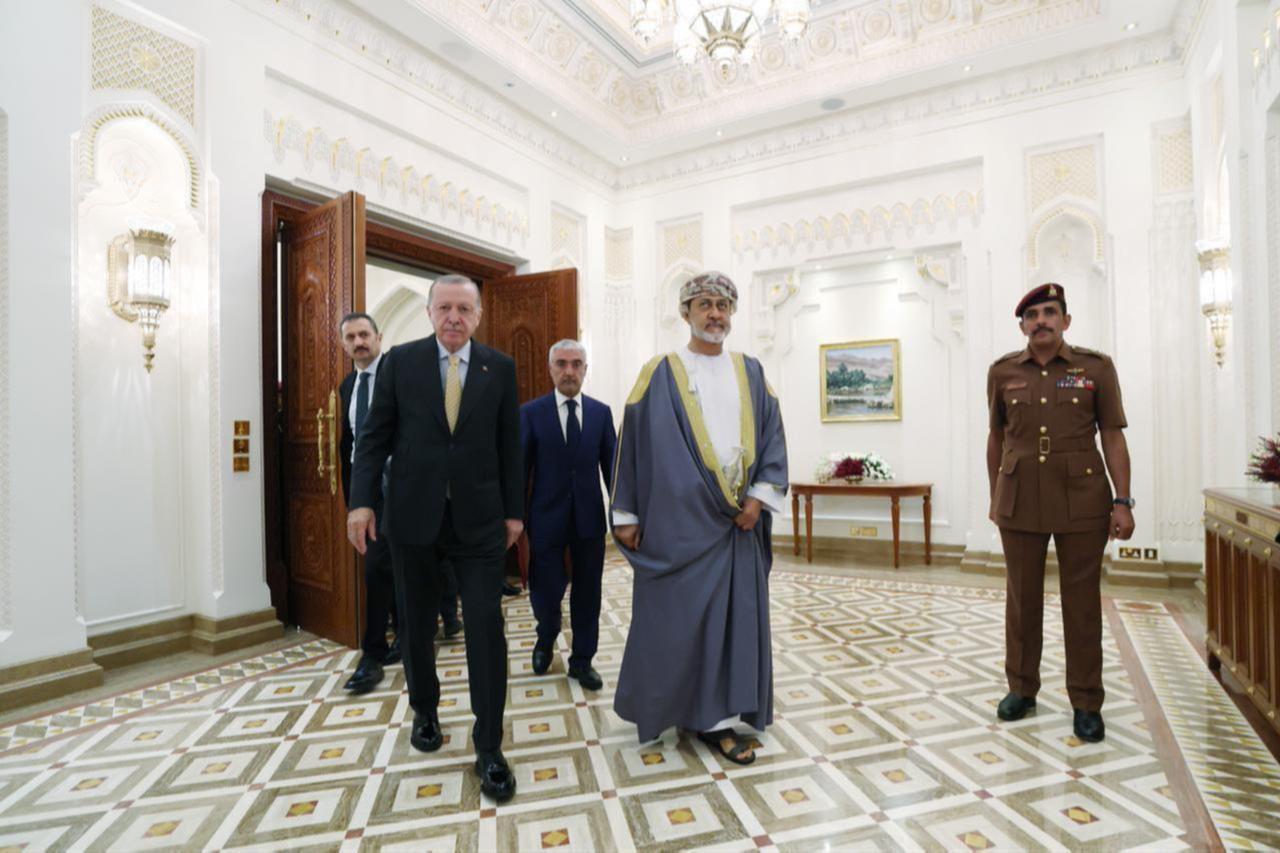
Oman, which has served as a back-channel intermediary between Washington and Tehran over Iran's nuclear program and more recently over the war itself, is not a signatory to the Accords.
Bloomberg News first reported on talks between Iranian and Omani officials regarding a potential shared toll arrangement over Hormuz transit. A spokesperson for the Omani Embassy in Washington could not be reached for comment.
Trump insisted Iran would have no role in governing the waterway under any final agreement. "The strait's gotta be open to everybody," he said. "It's international waters. We're going to watch over it, but nobody's going to control it."
 1 min read
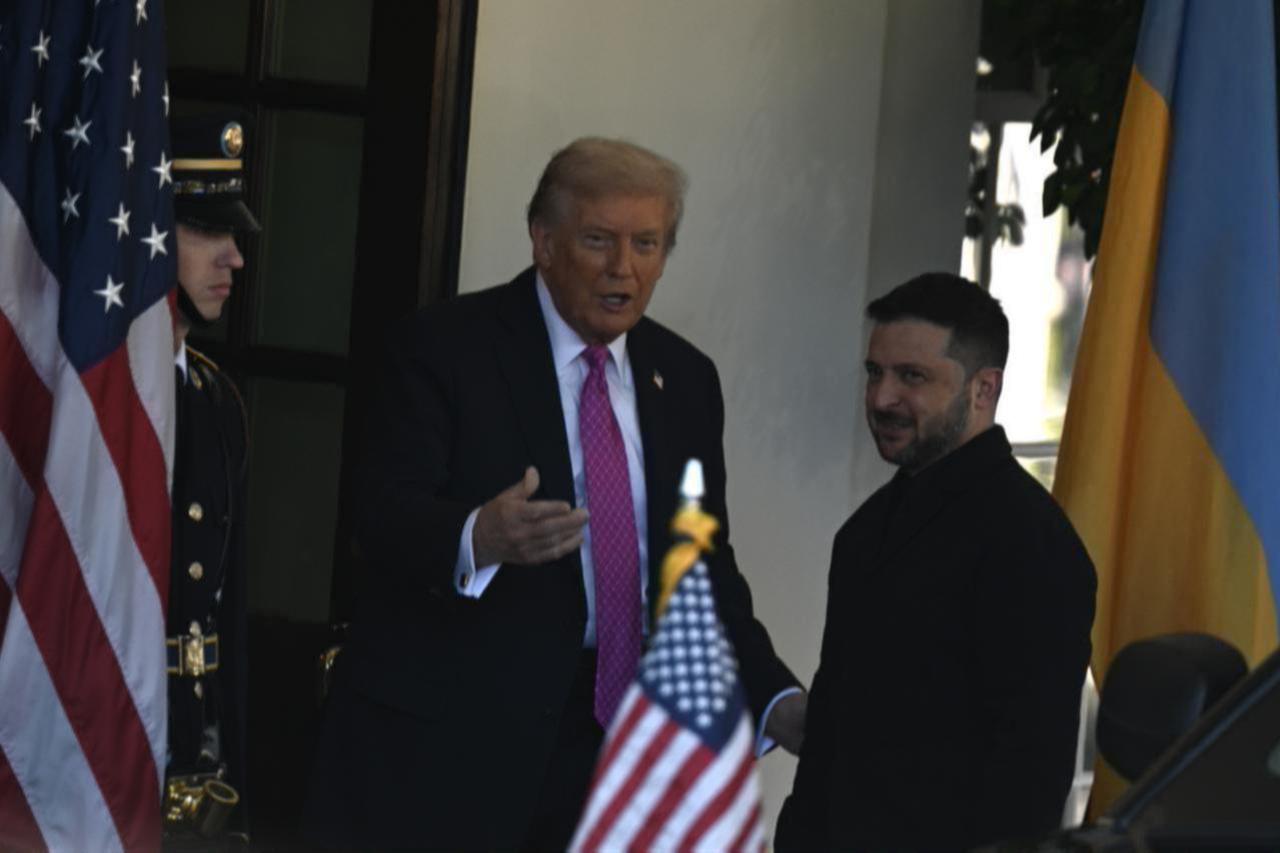
On Capitol Hill, the White House's grip on the conflict's direction is showing signs of strain. The House of Representatives adjourned for the Memorial Day recess last week without taking up a War Powers resolution that had passed the Senate, reportedly because Republican leadership feared it had the votes to pass despite GOP majorities in both chambers.
Within Trump's own coalition, hawkish and pro-Israel allies continue to insist that any peace deal must include the complete dismantling of Iran's nuclear program, and some have pushed for even more sweeping conditions, including regime change.
U.S. officials are understood to be seeking Iran's full surrender of its enriched nuclear stockpile and a permanent ban on rebuilding its program. But Iran hawks are pushing back against reports that the administration is considering sanctions relief and the unfreezing of Iranian assets held in U.S. banks as potential incentives for a deal.
Sporadic U.S. strikes have continued to test an already fragile ceasefire, with some occurring earlier this week. Peace negotiations, meanwhile, have yet to produce a formal agreement, and the conflict has settled into what observers describe as a protracted stalemate.
Asked whether the war's mounting economic toll could weigh on Republican prospects in the fall midterm elections, Trump dismissed the concern, pointing to Texas Attorney General Ken Paxton's primary defeat of incumbent Republican Senator John Cornyn as evidence of his political strength.
"I don't care about the midterms," the president said. "Look what happened last night, that was the prelude to the midterms."


 Set as preferred source
 Set as preferred source


 1 min read