Newsletters


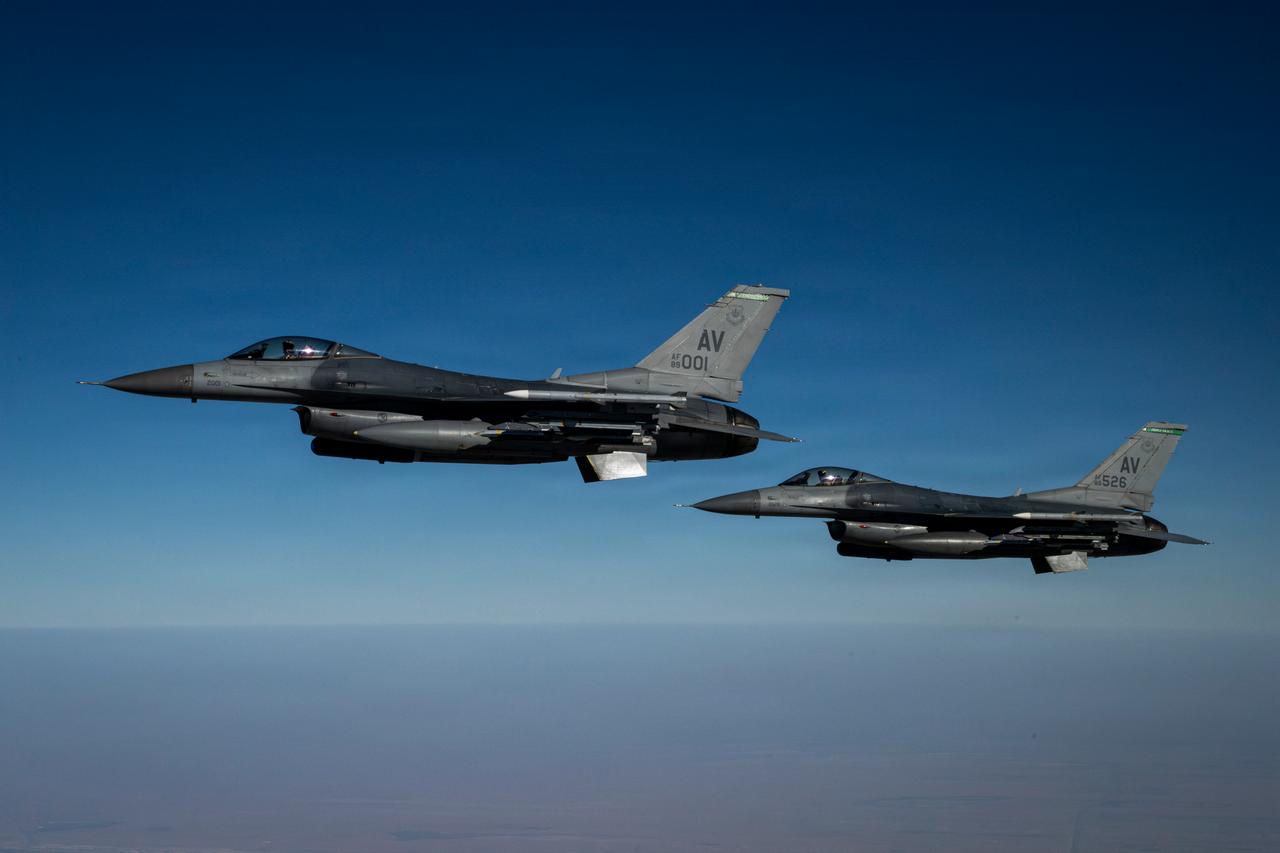
U.S. Defense Secretary Pete Hegseth has warned that Washington will restart military operations and reimpose a naval blockade on Iran if Tehran fails to fulfill commitments under the Islamabad Memorandum of Understanding (MoU), as early ship movements signaled the Strait of Hormuz was beginning to reopen.
"We're going to be the big stick behind the negotiations," Hegseth told reporters in Brussels on Thursday following a NATO defense ministers' meeting.
"If Iran doesn't comply, then we're more than able to reimpose an ironclad blockade," he added.
Speaking at the same location, Hegseth characterized the agreement as "performance-based" and reliant on strict verification rather than trust, drawing a contrast with what he called "paper-tiger" policies of previous administrations.
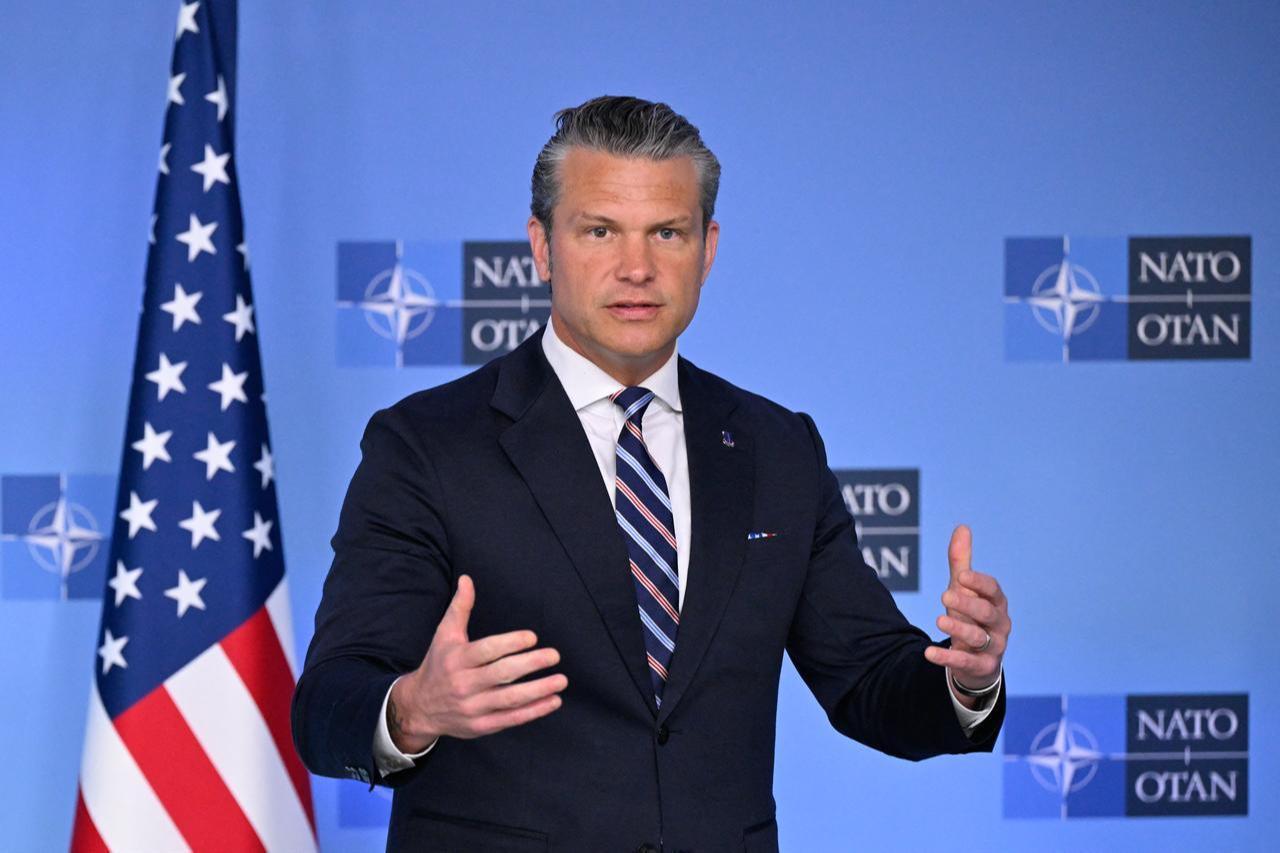

Hegseth laid out Washington's core demand in unambiguous terms: Iran must give up its nuclear weapons ambitions, surrender enriched material and close nuclear facilities within the timeline of the talks.
"If underneath the timeline of these talks Iran does not do what it says it's going to do, just give up nuclear weapons, give up nuclear ambitions, give away their nuclear material, close nuclear facilities, then the War Department is here and prepared to restart if we need to," he said.
He said the pact was "born of strength" following what he described as months of an "impenetrable" naval blockade and aerial strikes. While Hegseth said Washington does not "prefer" a return to hostilities, he made clear the military option remained on the table.
On the Strait of Hormuz's longer-term security, Hegseth said European and Asian nations, which rely more heavily on the waterway's energy flows, should take the lead in securing it.
French President Emmanuel Macron said Wednesday that a multinational maritime security initiative involving around 20 countries, developed by France and the United Kingdom, was ready to facilitate the resumption of maritime traffic and protect commercial vessels.
Hegseth also delivered a warning to allies over access denials during the Iran war.
"Too many of our allies said no, or tried to drown us in arcane legal debates, or criticized us publicly for doing what they aren't prepared or able to do themselves. It was shameful," he said, adding that the Pentagon would continue to calibrate regional troop levels based on necessary capabilities, and warned that Washington would not tolerate allies restricting American flight operations from bases, including Diego Garcia.
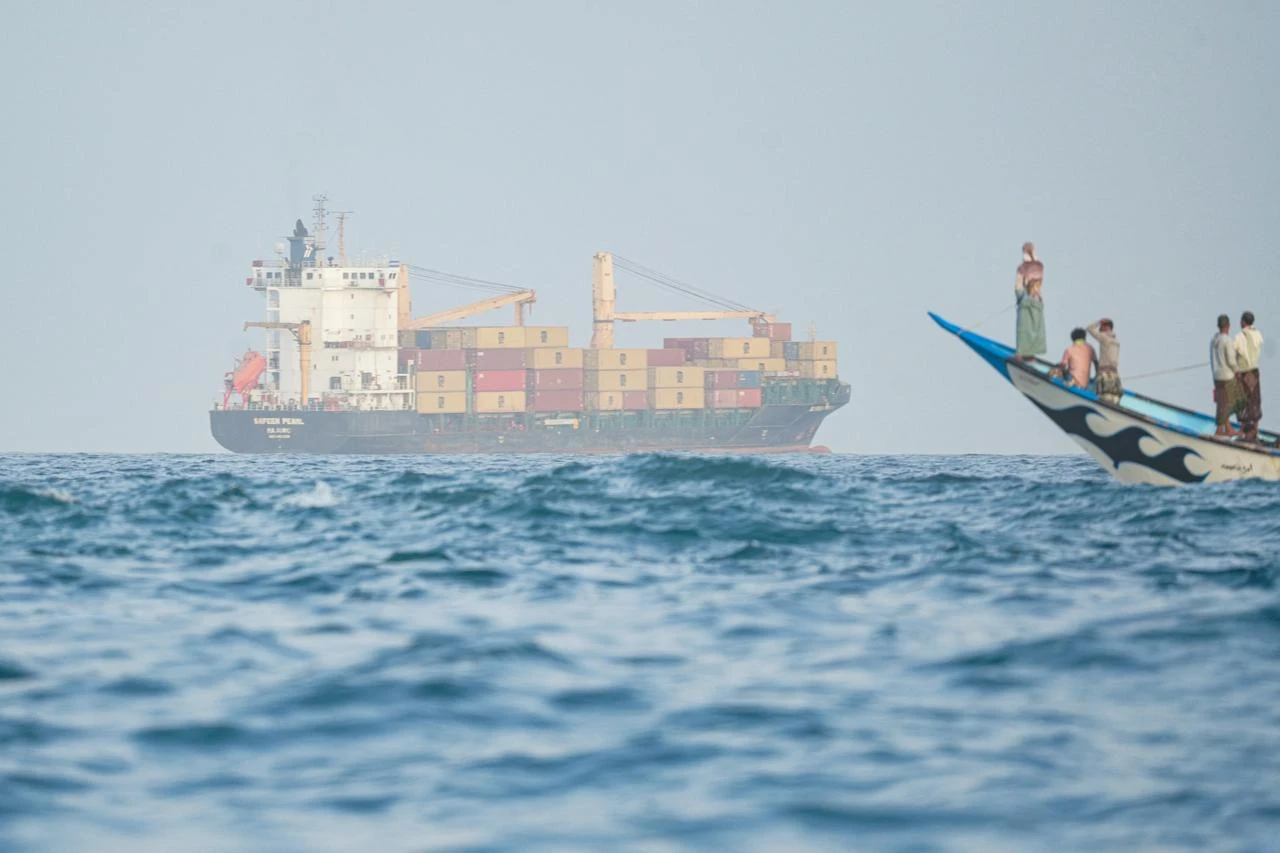
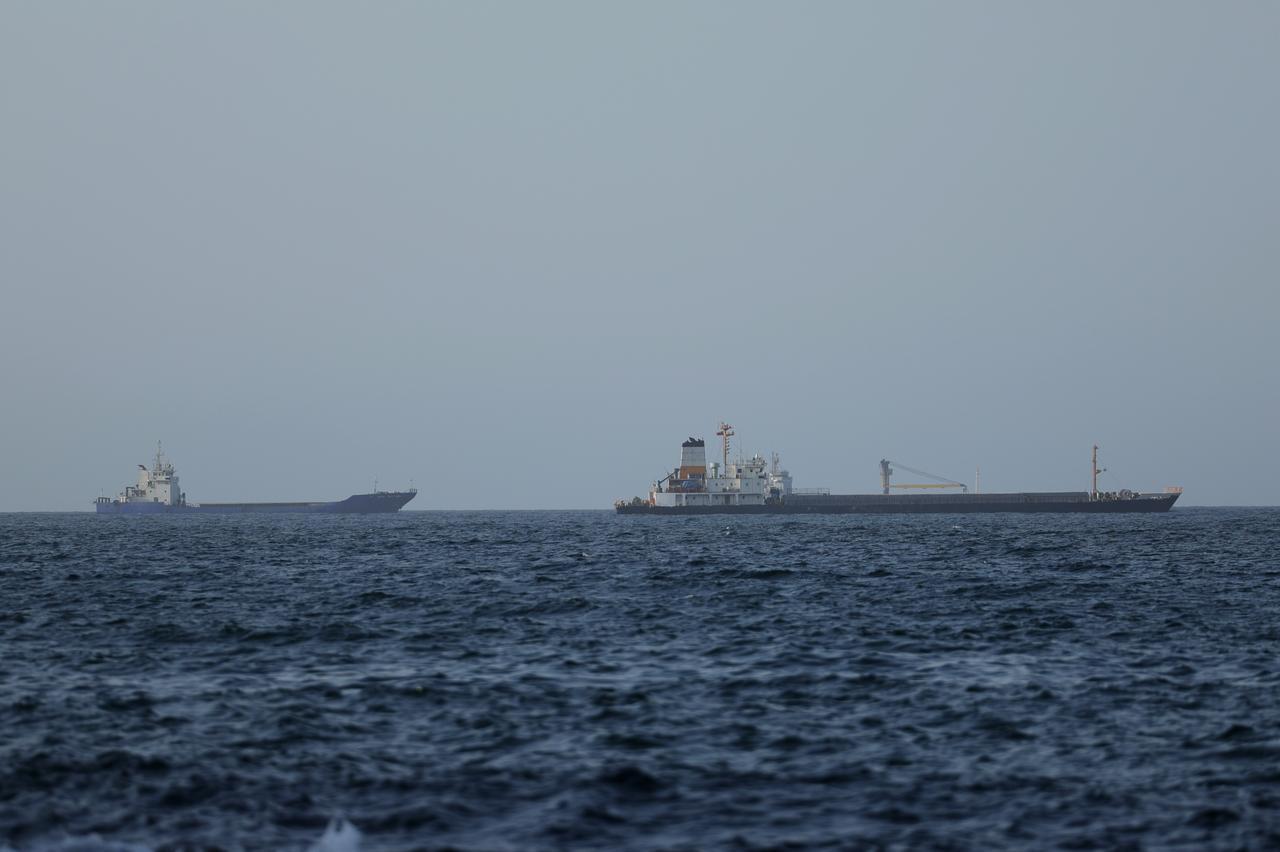
At least seven vessels crossed the Strait of Hormuz on Thursday, according to Marine Traffic data, a marked increase from the days of the blockade, though still far below the pre-war average of approximately 135 ships per day.
Four cargo ships, a French-flagged LNG tanker and a Cook Islands-flagged bitumen tanker exited the strait toward the Gulf of Oman.
A Panama-flagged vessel, the Starway, capable of carrying more than 46,000 tons of oil, entered the strait heading toward the Persian Gulf before switching off its AIS transponder, a tactic that has become more common since the strait's initial closure in March.
Iran's foreign minister confirmed that ships were already moving in and out of Iranian ports "without any problems."
"Our work is now more difficult than before, because implementing international agreements is always far more difficult than drafting them," Esmail Baghaei, spokesperson for Iran's Ministry of Foreign Affairs, said.
Michelle Wiese Bockman of Windward Maritime Intelligence told BBC Verify that Iran had "wasted no time in getting its tankers back into circulation."
An Iranian tanker, Dorena, was tracked sailing out of the Gulf of Oman loaded with as much as two million barrels of oil. Another Iranian tanker, Herby, identified by Tanker Trackers as the vessel the U.S. military said it intercepted in April, sailed to the port of Chabahar from Pakistan, where it had been loitering for six weeks.
Both vessels remain sanctioned by the U.S. alongside their owner, the National Iranian Tanker Company. Bockman said the scale of movement in recent days suggests Iran expects to receive U.S. sanctions waivers imminently.
Under the agreement, traffic is expected to return to pre-war levels while Iran and Gulf neighbors negotiate a new arrangement for the strait, including the possibility that Iran may be permitted to impose transit fees.
Iranian President Masoud Pezeshkian on Thursday praised the memorandum as a "historic document" and a reflection of his country's resilience.
"This is a historic document and a message from a powerful Iran: peace will be achieved through mutual respect," Pezeshkian wrote on X.
In a second post, he said the text reflected "the voice of a nation that did not trade its dignity and independence for any threat or pressure. What was recorded today was the result of national resilience, political rationality and responsible diplomacy."


 Set as preferred source
 Set as preferred source



 6 min read