Newsletters


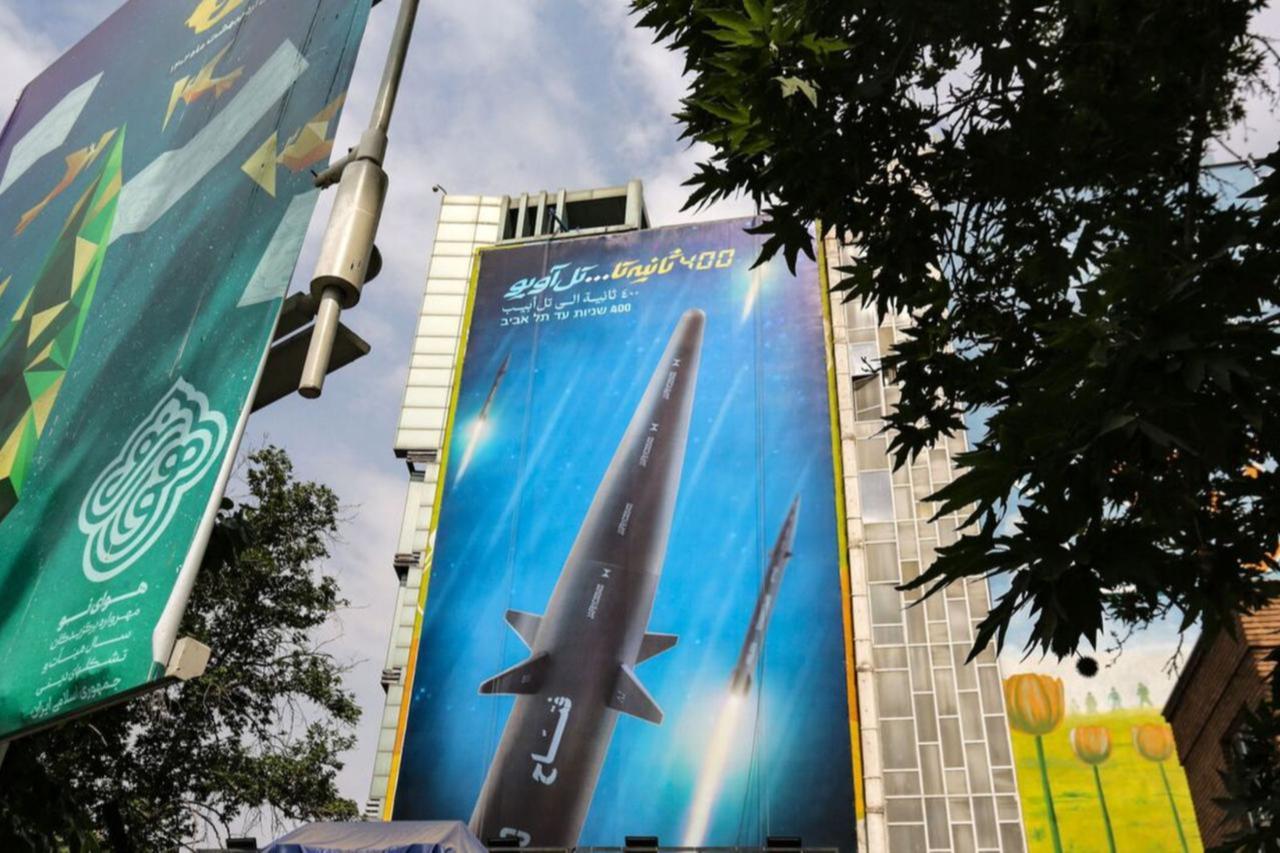


The United States has conveyed a “conditional willingness” to reduce a proposed moratorium on Iran’s uranium enrichment from 20 years to 10 years if Tehran provides “strong guarantees” it will not pursue nuclear weapons, two Pakistani government sources told Turkish news agency Anadolu on Tuesday.
The proposal comes amid intensified diplomatic efforts by Islamabad to facilitate a second round of high-stakes talks between Washington and Tehran aimed at ending the weekslong Middle East conflict.
“Washington’s priority is still the suspension of Iran’s uranium enrichment program for at least 20 years in exchange for sanctions relief and the freezing of the Islamic Republic’s financial assets,” a senior Pakistani official familiar with the back-channel diplomacy said on condition of anonymity.
Tehran has reportedly proposed a five-year moratorium.
“But Washington has shown its conditional willingness to reduce the moratorium timeframe from 20 years to 10 years if Tehran gives some strong guarantees about its nuclear weapons concerns,” the source said, without specifying what form those guarantees would take.
Iran has not yet publicly responded to the latest proposal, the source added.
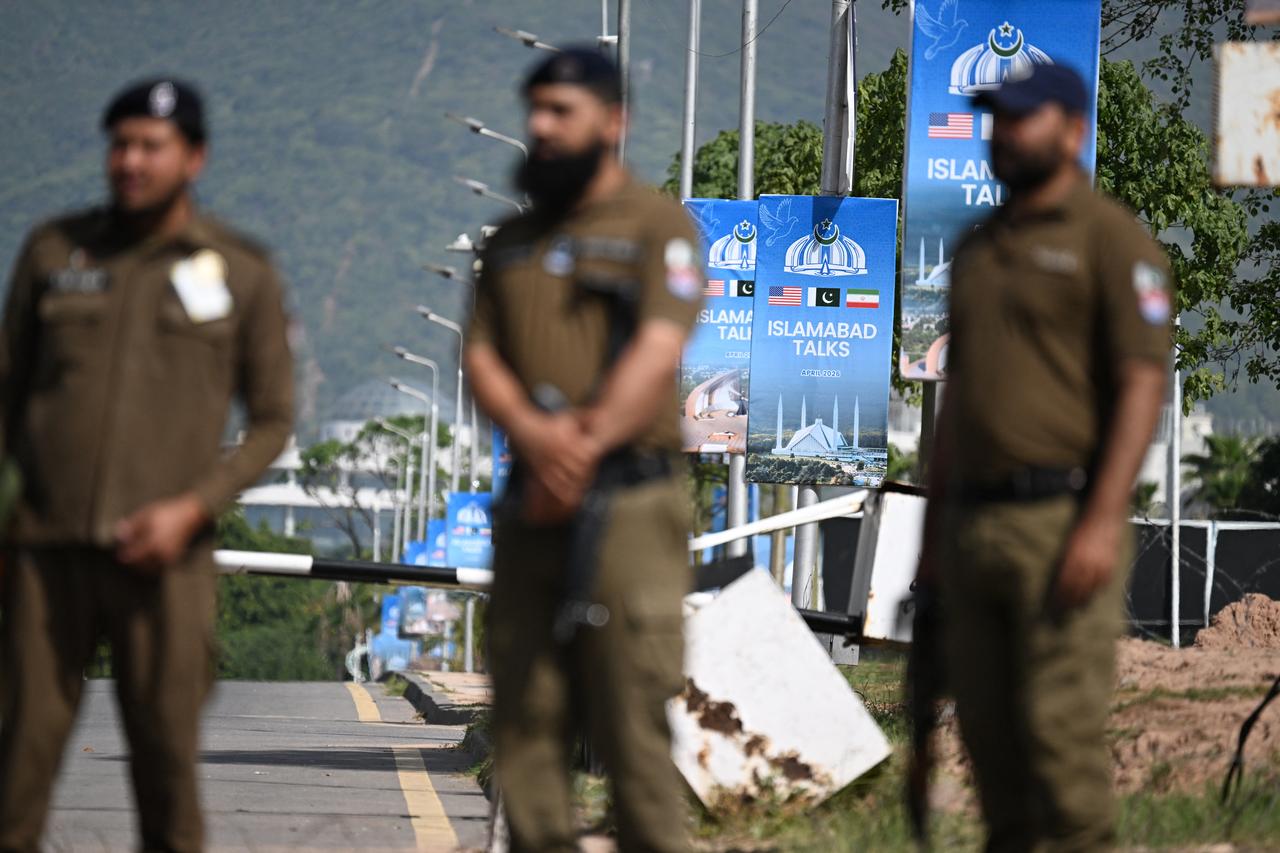

Iran’s Supreme National Security Council said Saturday it is reviewing “new proposals” from the United States, while warning that its negotiators would make no concessions.
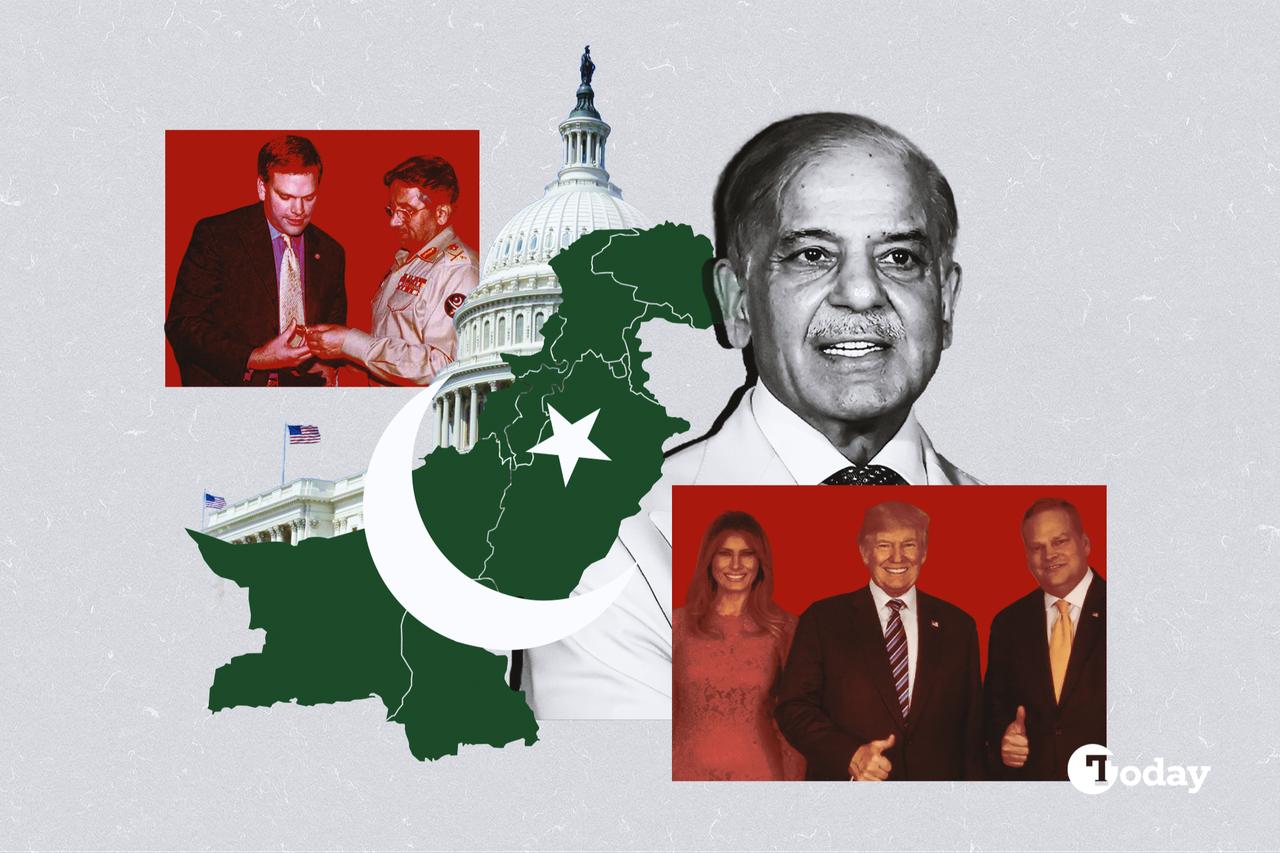
The statement followed a visit to Tehran by Pakistan’s army chief, Asim Munir, who met Iran’s political and military leadership during a three-day trip that concluded Friday.
Munir has been directly involved in mediation efforts and has held several conversations with United States President Donald Trump, according to sources.
Officials say Pakistan is working to bridge gaps on the nuclear issue, which remains a key obstacle to a negotiated settlement.
Diplomatic sources indicate that Washington and Tehran continue to exchange “messages and proposals” through Islamabad in an effort to reach a “maximum understanding” ahead of a possible new round of talks.
Among other proposals under discussion is transferring Iran’s enriched uranium abroad for a period of 10 years, “preferably to the United States or a third country,” the sources said.
Iran has publicly rejected the idea, saying it will not hand over its enriched uranium.
Russia has also proposed taking custody of Iran’s highly enriched uranium as a diplomatic solution, but Washington declined the offer, Kremlin spokesman Dmitry Peskov said in remarks to India Today TV.
Iran is believed to possess more than 400 kilograms (882 pounds) of enriched uranium and has proposed suspending nuclear activity for up to five years, according to The New York Times.
Sources said Iran has agreed in principle to a Pakistani proposal for third-party monitoring of its nuclear program by four countries in coordination with the International Atomic Energy Agency.
Tehran has conveyed its position to Munir, while Washington has shown “no interest” in the proposal, they added. No details were provided on the countries that could be involved.
Despite differences, one source said both sides appear open to compromise.
“Both sides acknowledge the fact that war will further complicate this already complex issue. That’s why we are very hopeful that they will agree on some middle ground,” the source said.
The United States has long demanded “strict and comprehensive” monitoring to ensure Iran does not develop nuclear weapons.
The diplomatic push comes as uncertainty remains over the timing of a second round of talks in Islamabad.
Tehran has said it will not participate unless Washington lifts what it calls an “illegal” blockade of Iranian ports.
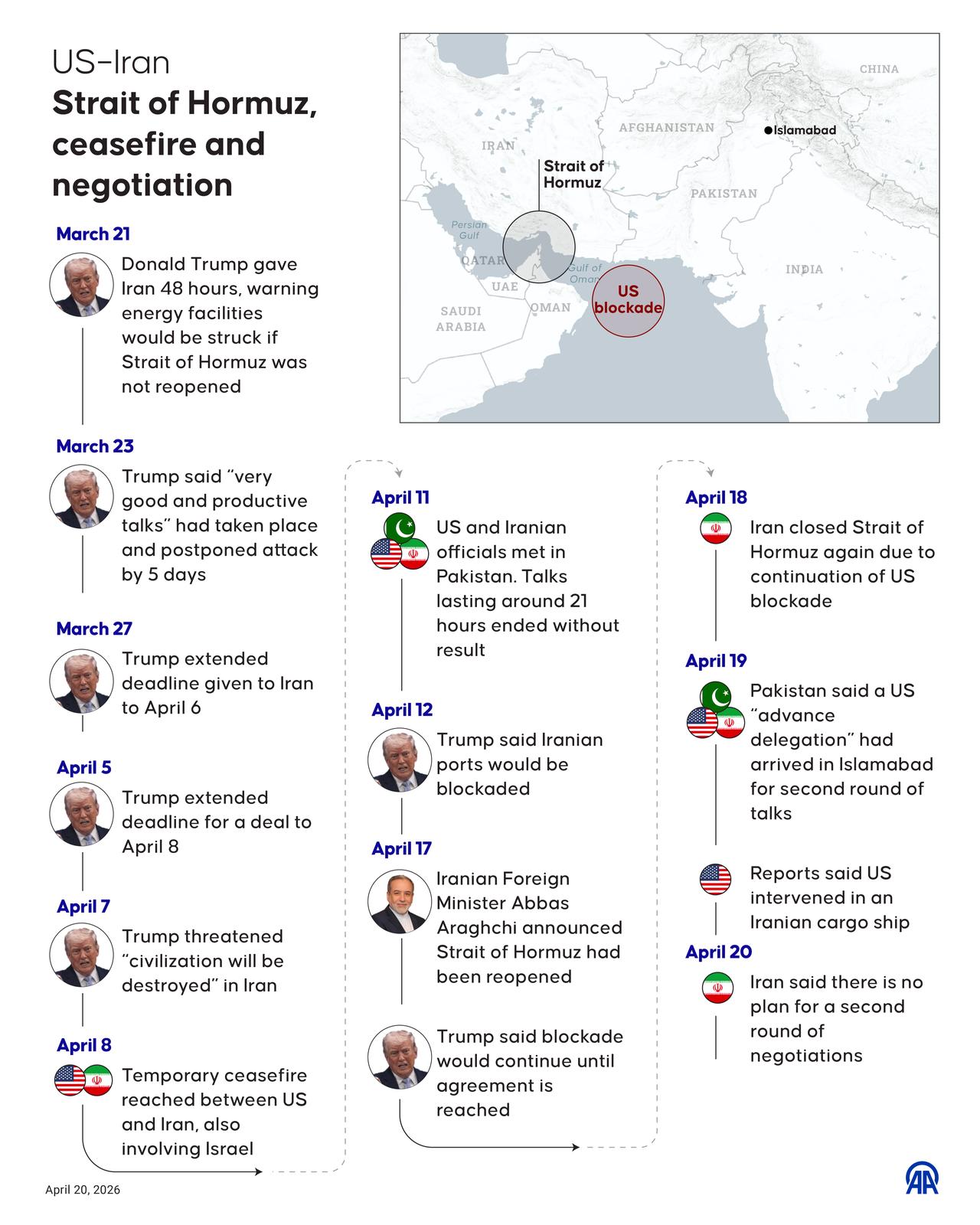
The United States has instead demanded the reopening of the Strait of Hormuz, which has seen disruptions since the U.S. and Israel launched attacks on Iran on Feb. 28.
Iran briefly declared the strait open Friday but reimposed restrictions a day later after Trump said the naval blockade would continue. On Sunday, U.S. forces detained an Iranian cargo vessel after opening fire and boarding it.
Pakistan brokered a two-week ceasefire between the United States and Iran on April 8, followed by talks in Islamabad on April 11-12. The negotiations ended without agreement. Efforts to revive talks and secure a lasting settlement are ongoing.
 2 min read


 Set as preferred source
 Set as preferred source


 1 min read