Newsletters


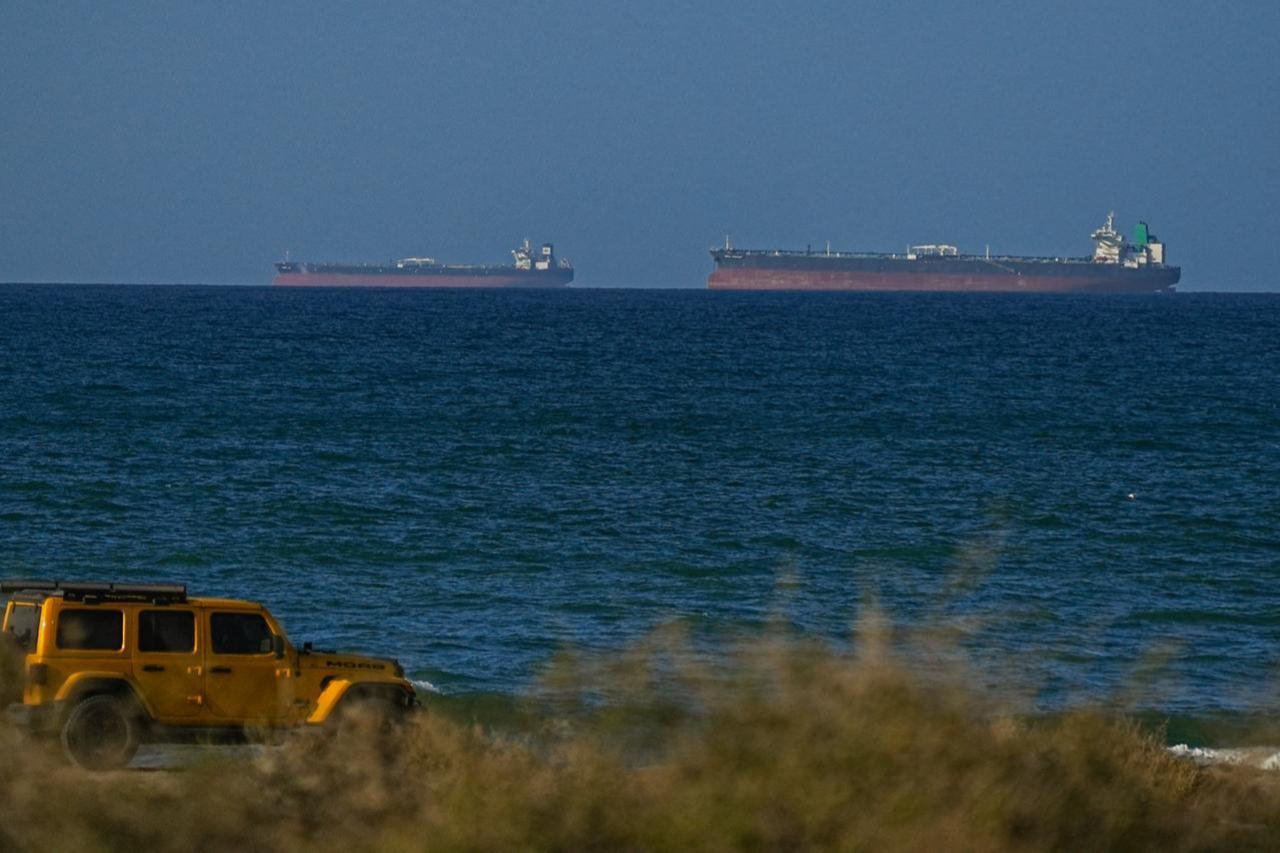


The United States military is set to enforce a sweeping naval blockade of all Iranian ports beginning Monday morning, cutting off maritime access to Iran's coastline on the Arabian Gulf and Gulf of Oman, after ceasefire negotiations in Islamabad broke down over the weekend without an agreement.
U.S. Central Command announced the blockade will take effect at 10 a.m. Eastern Time on April 13, acting on a presidential proclamation. CENTCOM posted the notice on X late Sunday, stating the operation would be applied without exception, targeting all vessels, regardless of flag or nationality, attempting to enter or leave Iranian ports and coastal areas.
CENTCOM specified that the blockade does not constitute a full closure of the Strait of Hormuz, saying forces would not impede freedom of navigation for vessels transiting the strait to and from non-Iranian ports. Commercial mariners were directed to monitor Notice to Mariners broadcasts and reach U.S. naval forces on bridge-to-bridge channel 16 when operating in the Gulf of Oman and the approaches to the strait.
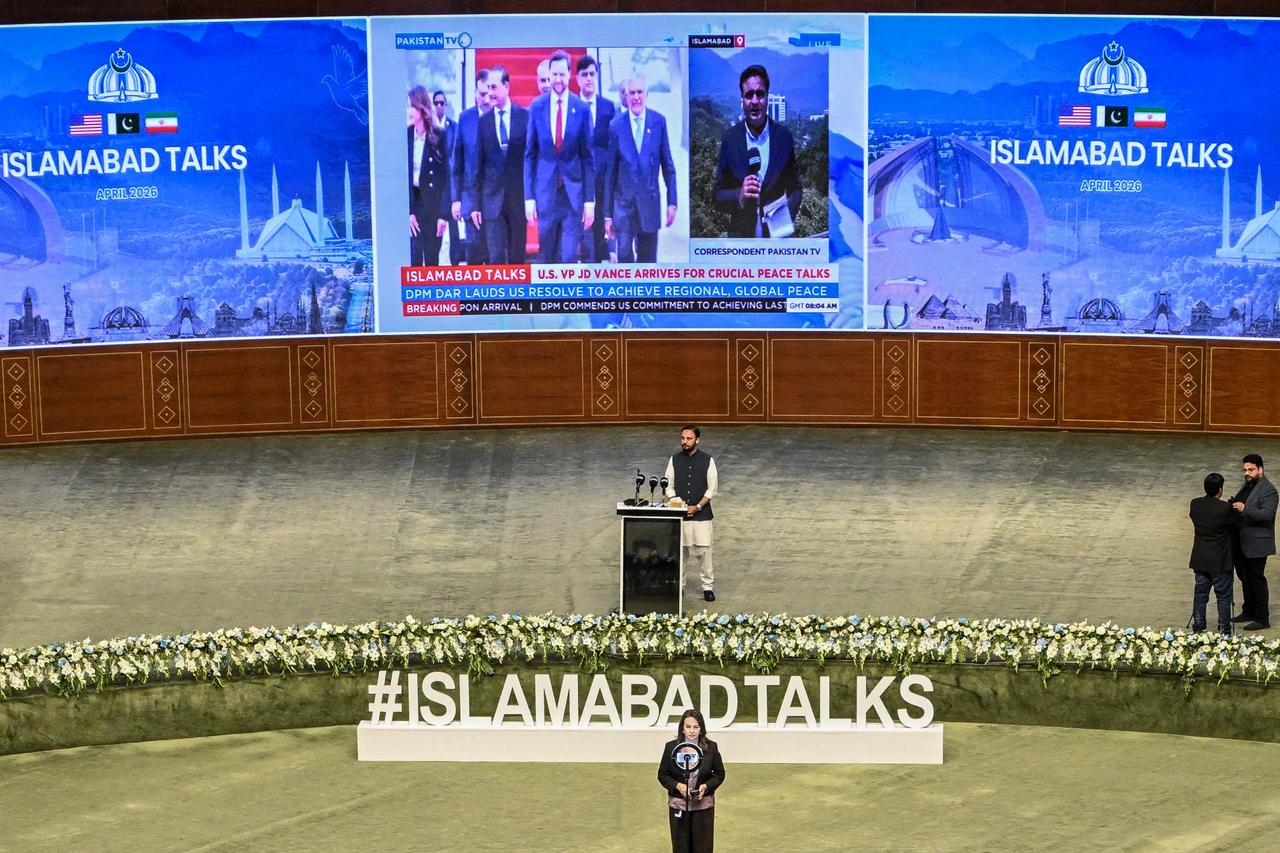

The blockade follows the collapse of more than 21 hours of face-to-face negotiations in Islamabad, where a U.S. delegation led by Vice President JD Vance met with Iranian and Pakistani officials. Vance said Washington required "an affirmative commitment that they will not seek a nuclear weapon," a threshold Iranian negotiators reportedly could not meet.
A senior U.S. official, speaking anonymously, said Iran was unwilling to agree to several American red lines, including ending uranium enrichment, dismantling major enrichment facilities, surrendering its highly enriched uranium stockpile, reopening the Strait of Hormuz, and halting support for Hamas, Hezbollah and Houthi militants. Iranian officials blamed the breakdown on what they described as U.S. overreach, without specifying the precise sticking points.
President Donald Trump announced the blockade on his Truth Social platform, framing the action in terms of economic pressure, and described it to Fox News as "all or none," indicating no ship would be permitted to pass until Iran changed course.
Trump also said the Navy would interdict vessels in international waters that had paid transit tolls to Iran, adding that allied nations, including the United Kingdom, would participate, though a full list of partners was not provided.
 1 min read
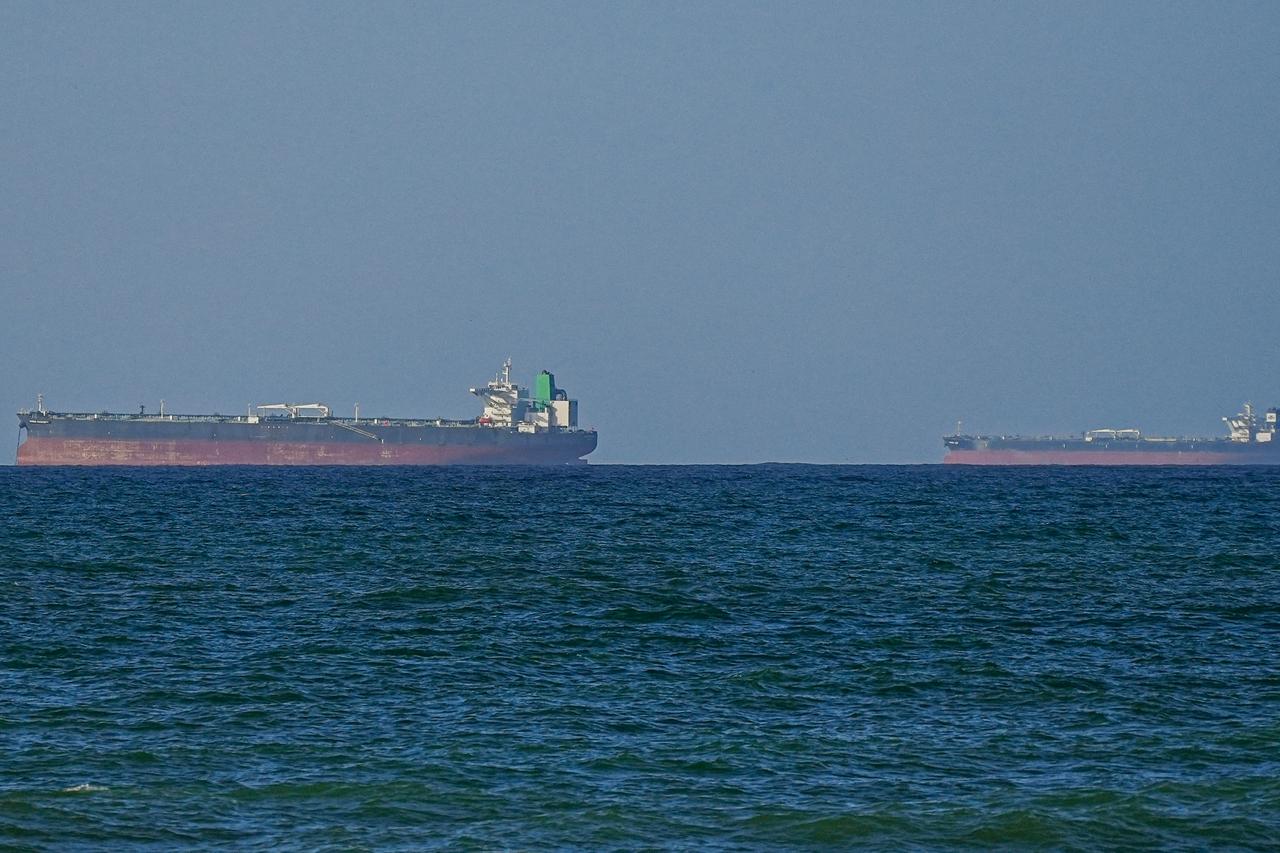
Iranian officials responded to the failed talks and the impending blockade with defiance. Ali Nikzad, deputy speaker of Iran's parliament, said the country had demonstrated resolve throughout the conflict and that diplomacy required mutual respect, not dictation. Iranian lawmaker Mahmoud Nabavian, who participated in the Islamabad talks, said "the Strait of Hormuz will not be opened" and described a coming shift in how the waterway is managed.
Iran's Revolutionary Guard issued a statement saying the strait remains open to non-military vessels under specific regulations, but warned that military ships would face a "forceful response." The strait, which before the conflict carried roughly 20 percent of global oil shipments, has seen sharply reduced traffic since fighting began.
Marine tracking data showed roughly 40 commercial ships had transited during the two-week ceasefire period, a fraction of normal volumes. Oil prices have surged throughout the conflict, at times exceeding $100 per barrel, rattling global energy markets.
CENTCOM said formal guidance for commercial operators would be issued before enforcement begins, and urged all mariners operating in the region to establish contact with U.S. naval forces.
The blockade is set to cover every Iranian port on both the Arabian Gulf and the Gulf of Oman, effectively encircling the country's maritime trade infrastructure. The two-week ceasefire, which neither side has confirmed will be extended, is set to expire on April 22, leaving the broader conflict's trajectory unresolved.


 Set as preferred source
 Set as preferred source


 1 min read