Newsletters


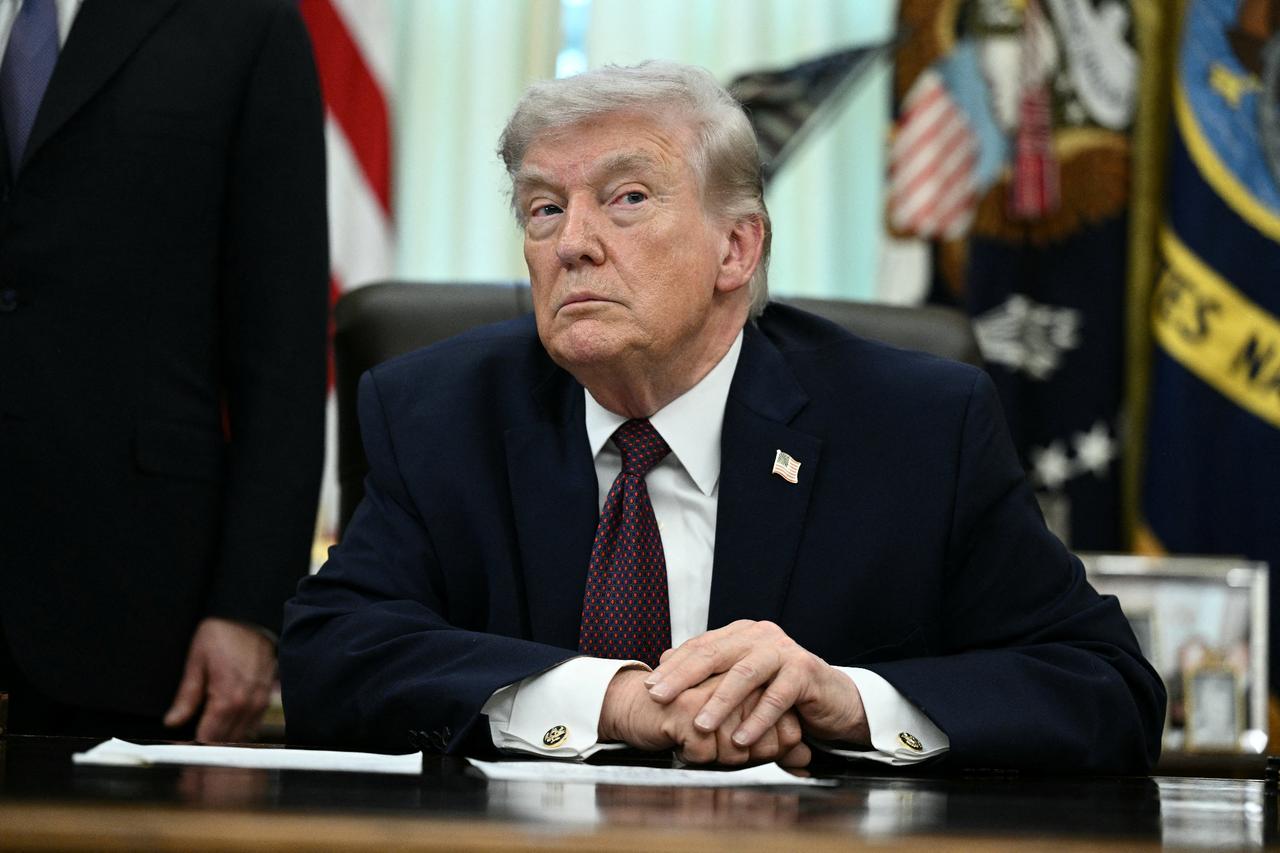


U.S. President Donald Trump stated that the United States could end its war in Iran within "two or three weeks" even without a peace deal.
This marks the strongest signal yet of White House impatience with a conflict now in its fifth week that has sent energy prices spiraling and petrol costs to levels not seen since 2022.
With Brent crude near its wartime high and American consumers paying $4 a gallon at the pump, Trump's timeline puts a hard clock on a conflict that is eroding his economic agenda ahead of midterm elections.
"We'll leave whether we have a deal or not. It's irrelevant," Trump told reporters in the Oval Office late Tuesday.
"All I have to do is leave Iran, and we'll be doing that very soon," he noted.
He added the withdrawal would happen in "maybe two weeks, maybe three," though a deal between Washington and Tehran was possible before then.
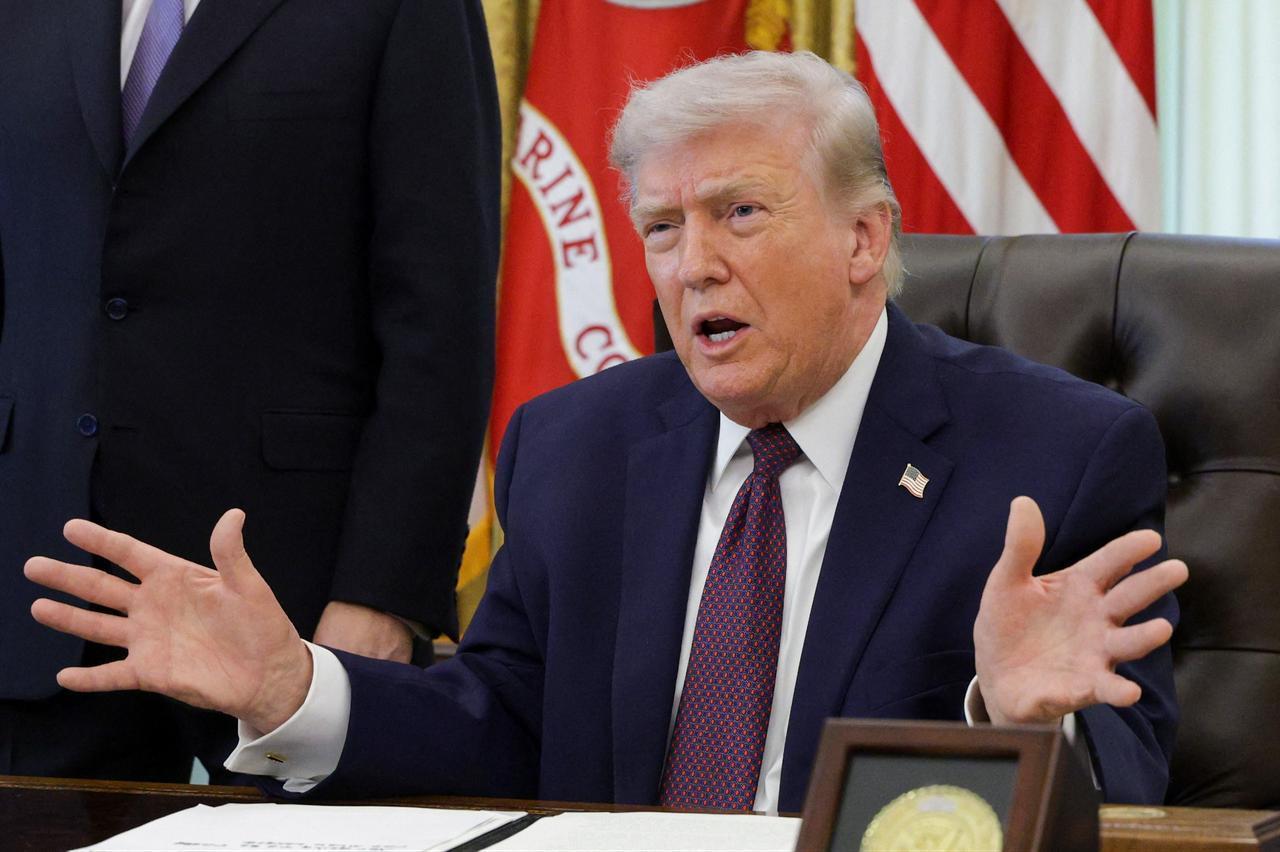

Trump claimed the administration's core objective of preventing Iran from obtaining a nuclear weapon had been achieved.
"They will have no nuclear weapon. And that goal has been attained," he said.
He argued U.S. strikes had severely degraded Iran's military capabilities, asserting it could take "15 to 20 years" for Tehran to rebuild.
"If they come to the table, that'll be good. But it doesn't matter whether they come or not, we've set them back," he said.
Trump also claimed regime change had already occurred in Iran, citing the killing of Supreme Leader Ali Khamenei.
"We've knocked out one regime, then we knocked out the second regime. Now we have a group of people that are very different," he said.
"They're much more reasonable, I think, much less radicalized," Trump said.
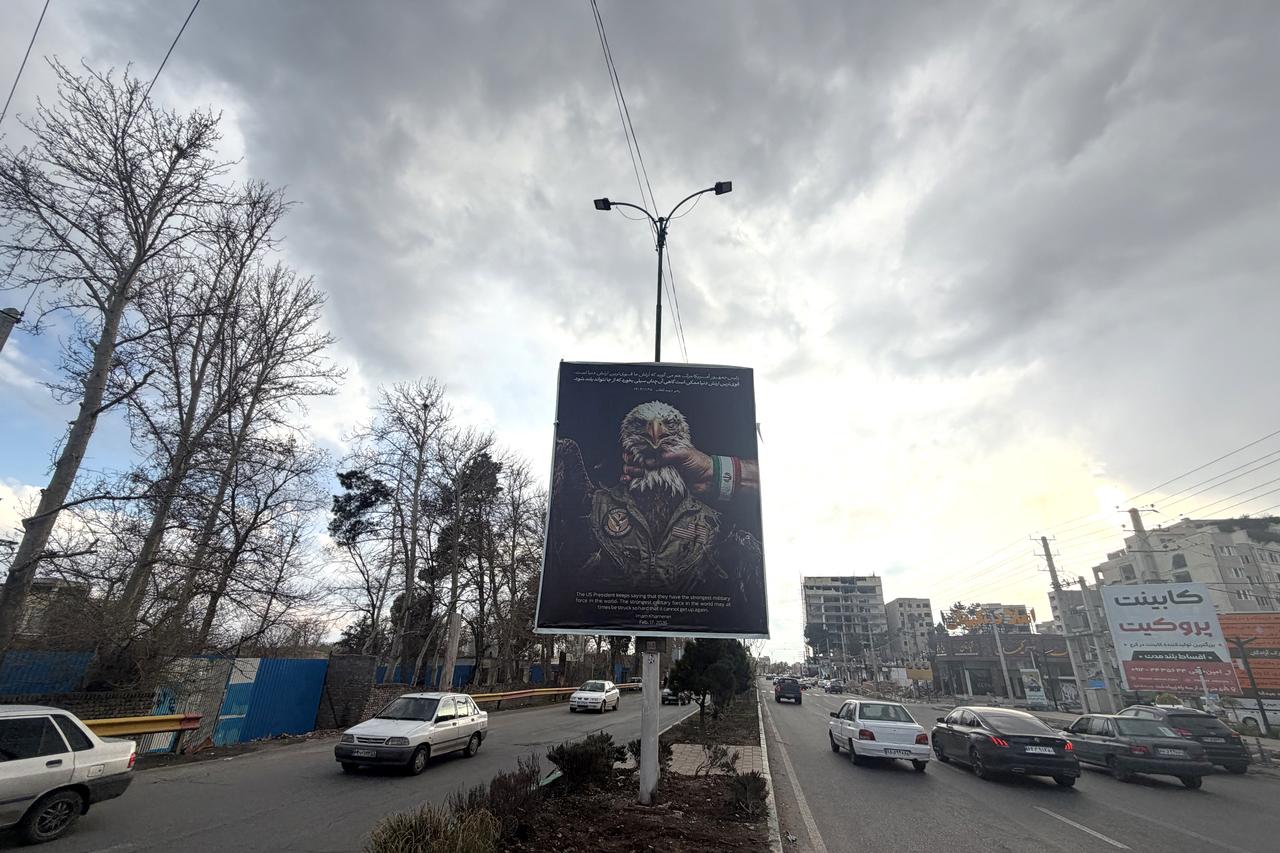
Trump's remarks came hours after Brent, the international oil benchmark, settled at $118.35 a barrel, near its highest level since the conflict began. The average U.S. price for petrol at the pump hit $4 a gallon for the first time since 2022 on Tuesday, while diesel jumped to almost $5.50 a gallon.
The conflict has threatened to unleash a fresh bout of inflation and eroded Trump's hopes of convincing Americans he can extinguish a painful cost-of-living crisis before November's midterm elections.
Despite growing political and economic pressure to end the war, the Pentagon has continued its buildup of forces in the Middle East.
Trump said before ending the military engagement, he would still "want to knock out every single thing there."
"They don't have to make a deal with me when we feel that they are ... put into the Stone Ages" without being able to "come up with a nuclear weapon," he said.
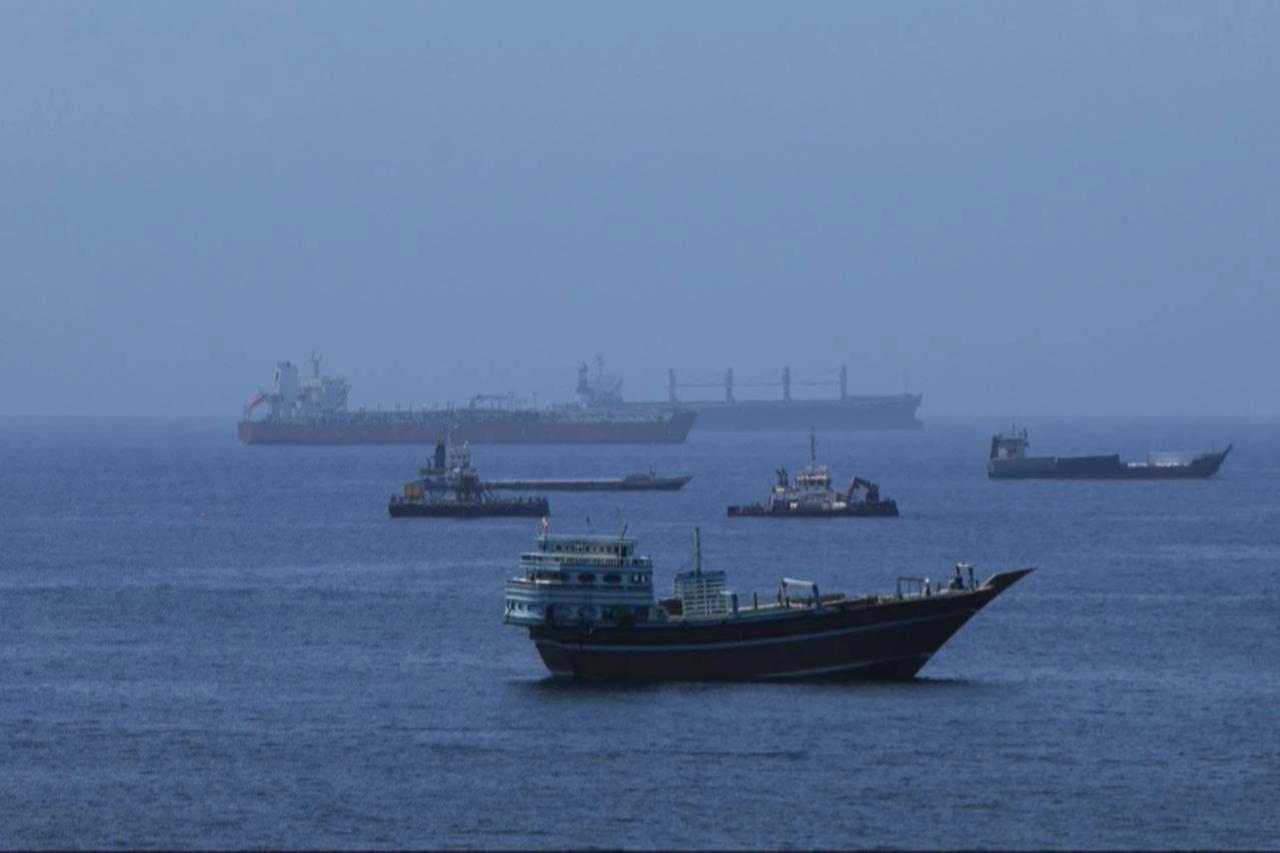
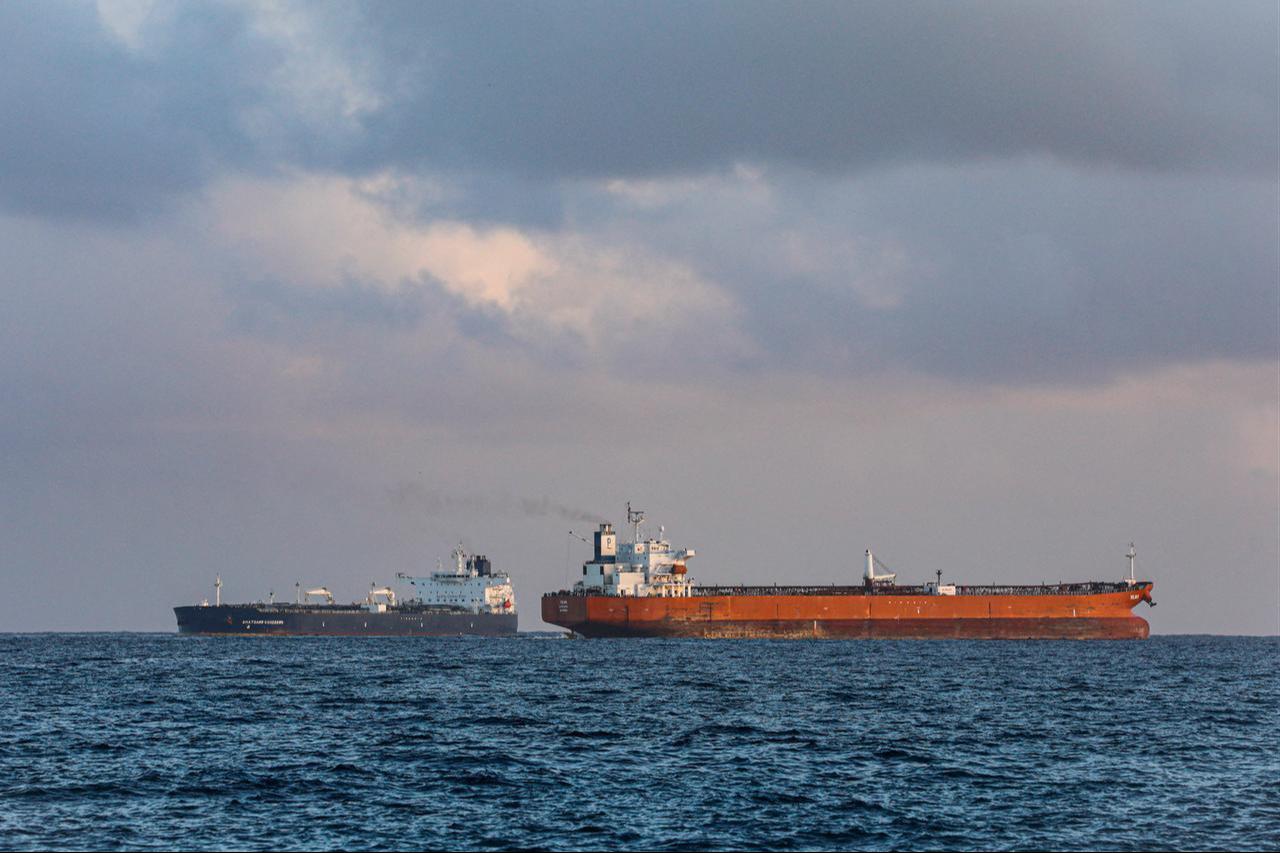
On the Strait of Hormuz, through which a significant portion of global oil shipments pass, Trump signaled other nations would need to secure the waterway themselves.
"And if France or some other country wants to get oil or gas, they'll go up through the Strait," he said. "They'll be able to fend for themselves. I think it'll be very safe, actually, but we have nothing to do with that."
The U.S. and Israel have been carrying out airstrikes on Iran since Feb. 28, killing more than 1,340 people, according to Iranian authorities.
Iran has retaliated with drone and missile strikes targeting Israel, Jordan, Iraq and Gulf countries hosting U.S. military assets.
At least 13 U.S. service members have been killed since the war began, according to official U.S. figures.
The White House said Trump will address the nation at 9 p.m. Wednesday to provide an “important update” on Iran.


 Set as preferred source
 Set as preferred source


 1 min read


 1 min read