Newsletters


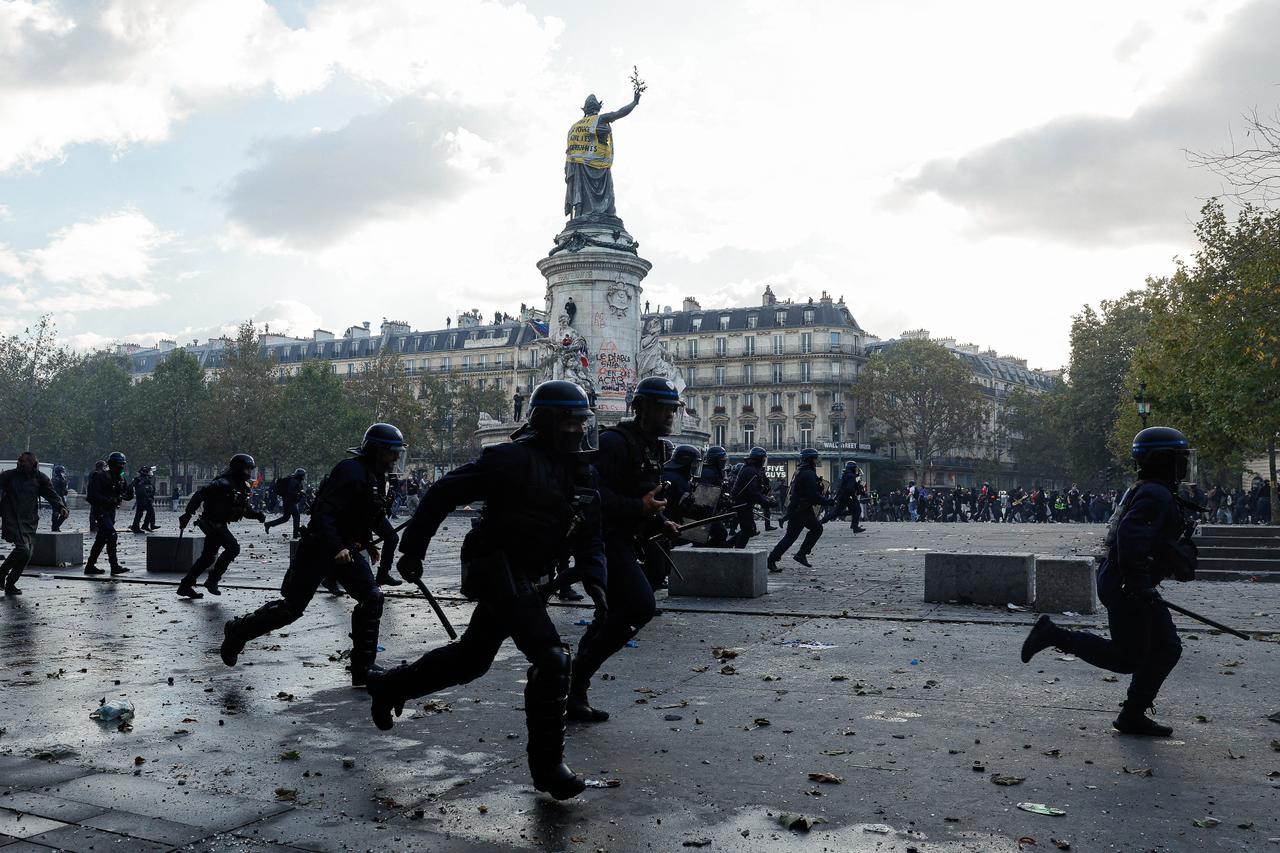


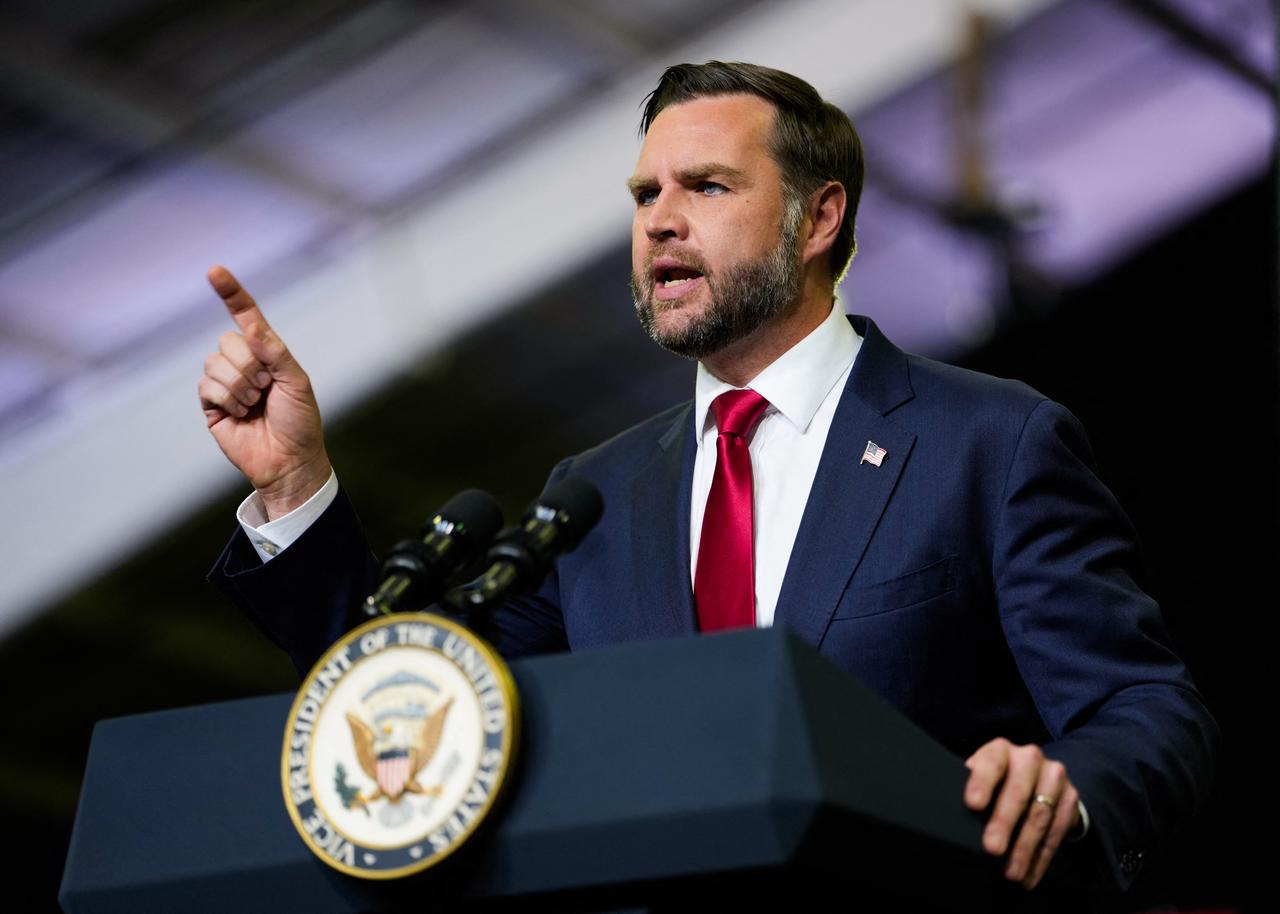
United States Vice President JD Vance blamed immigration for widespread violence during protests across France, sharing footage of a burning city hall as French authorities reported 1,200 arrests and 150 injured police officers following nationwide demonstrations against rising living costs.
In a post on X on Saturday, Vance criticized European immigration policies and accused Western governments of ignoring concerns about integration and cultural compatibility.
"Western liberals imported the third world into France and other countries in the name of diversity and compassion. They ignored fundamental questions of assimilation and compatibility. They were told it would lead to this and they didn't listen," Vance wrote.
"I pray that France, a beautiful country of amazing people, will stop this madness before more of its landmarks burn," he added.
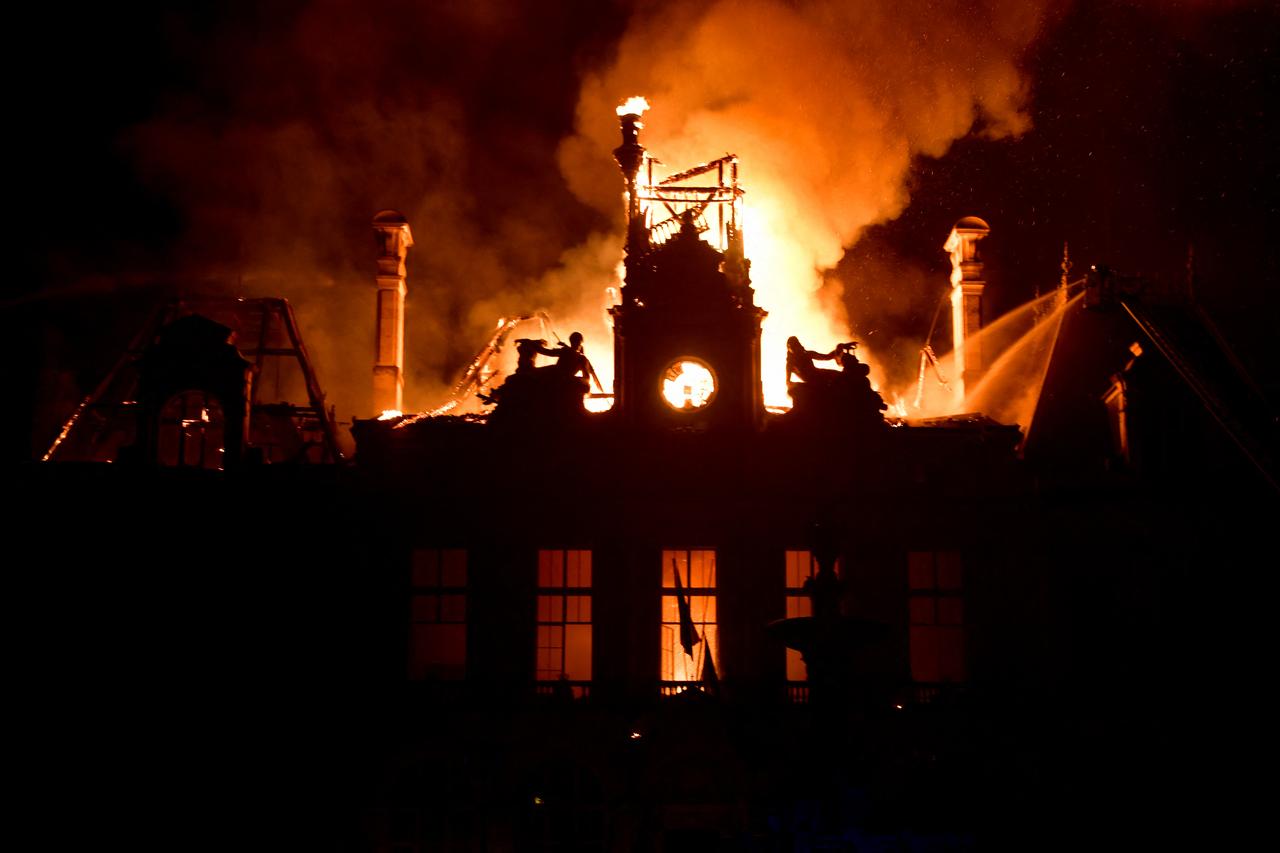
Vance shared footage showing a fire at the historic city hall in Limoges, which authorities said was largely destroyed after masked protesters broke into the building and set it ablaze.
The vice president also linked the unrest to U.S. domestic politics ahead of the Nov. 3 congressional midterm elections.
"And I hope Americans are paying attention. This is the future congressional Democrats seek for your country," he wrote.
Vance did not provide evidence establishing that immigration was responsible for the violence.

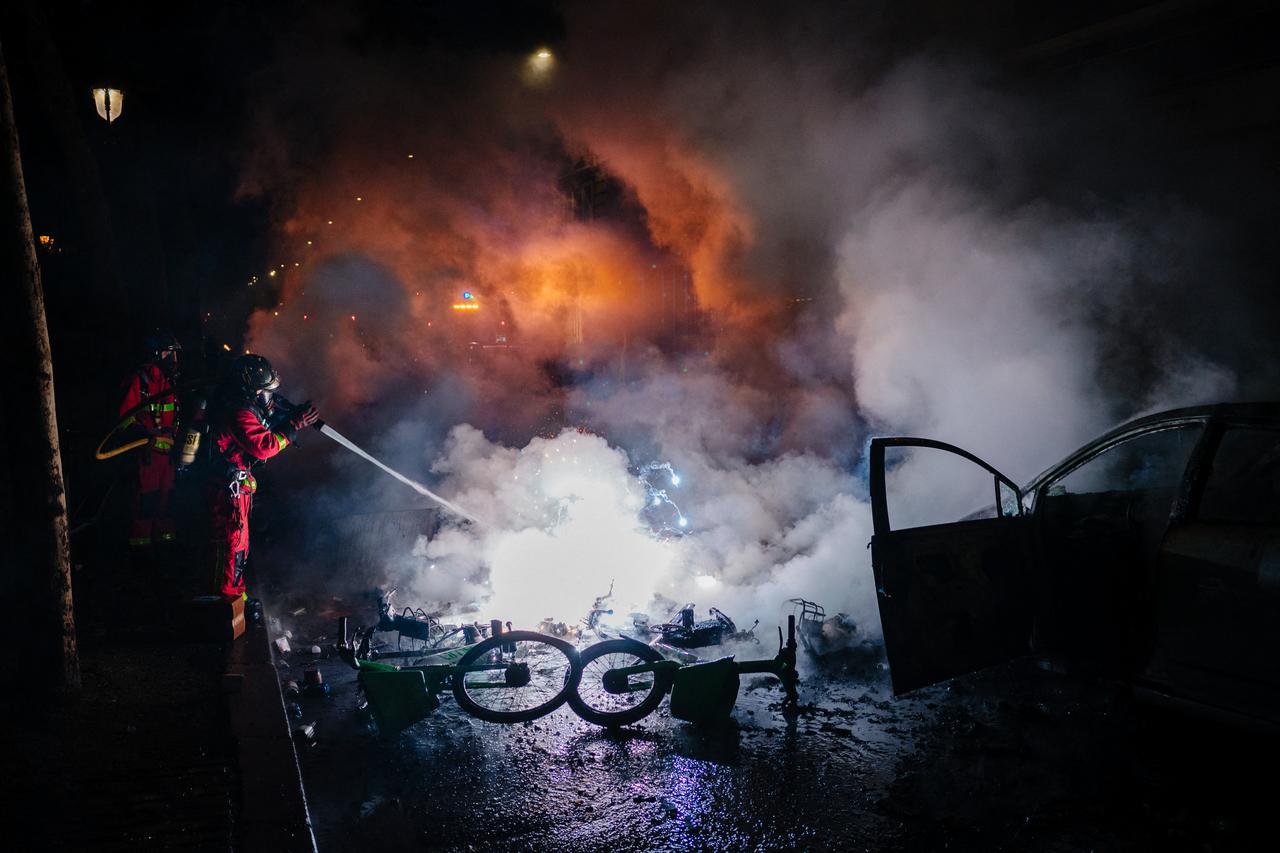
France woke Sunday to damaged streets, burned vehicles and looted businesses after demonstrations against the rising cost of living descended into widespread violence Saturday.
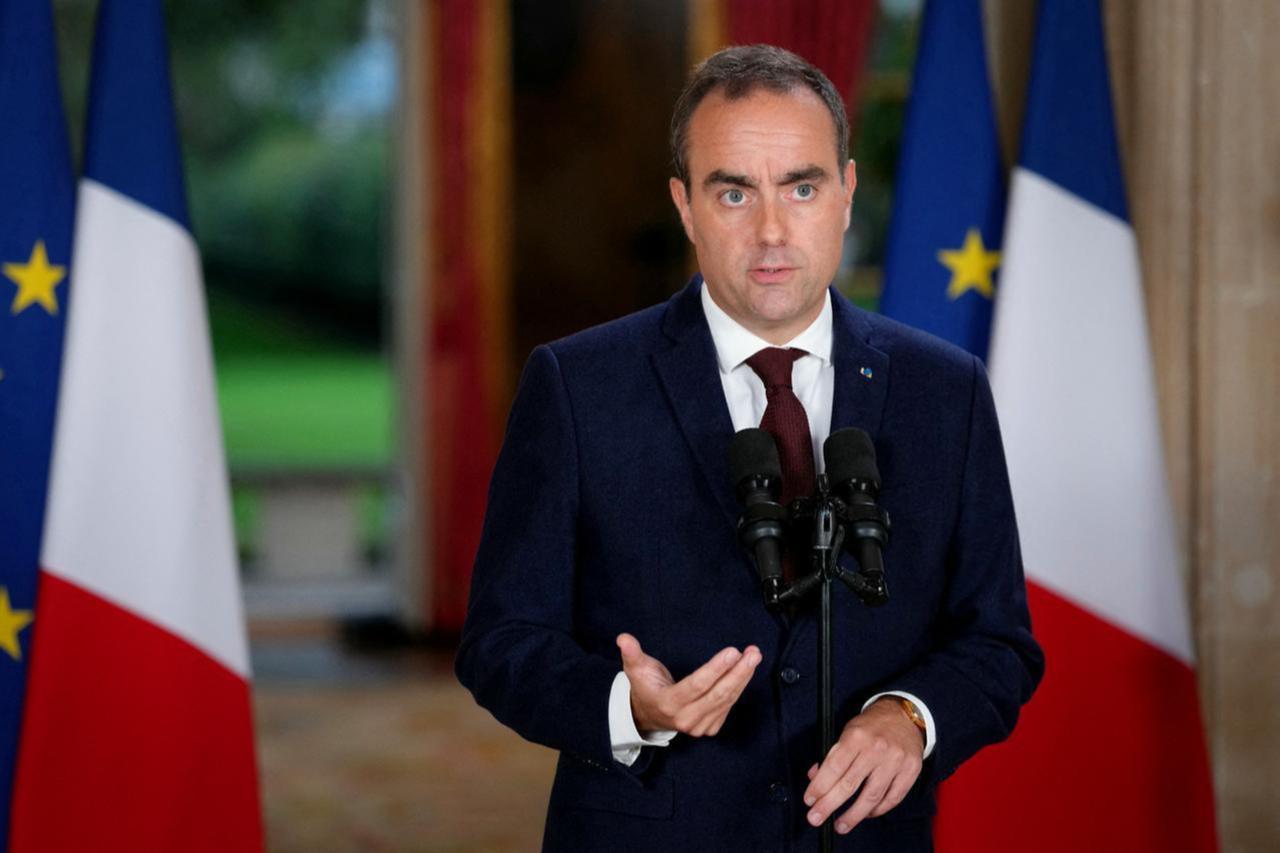
French Prime Minister Sebastien Lecornu condemned what he described as the "extreme intensity" of the unrest, saying 1,200 people had been arrested and 150 police officers injured.
It was "a miracle the toll isn't higher," Lecornu said.
The violence erupted on the sidelines of marches in Paris and other major cities that drew 550,000 participants, according to the Interior Ministry.
The CGT labor union, which participated in the demonstrations, put attendance at 800,000.
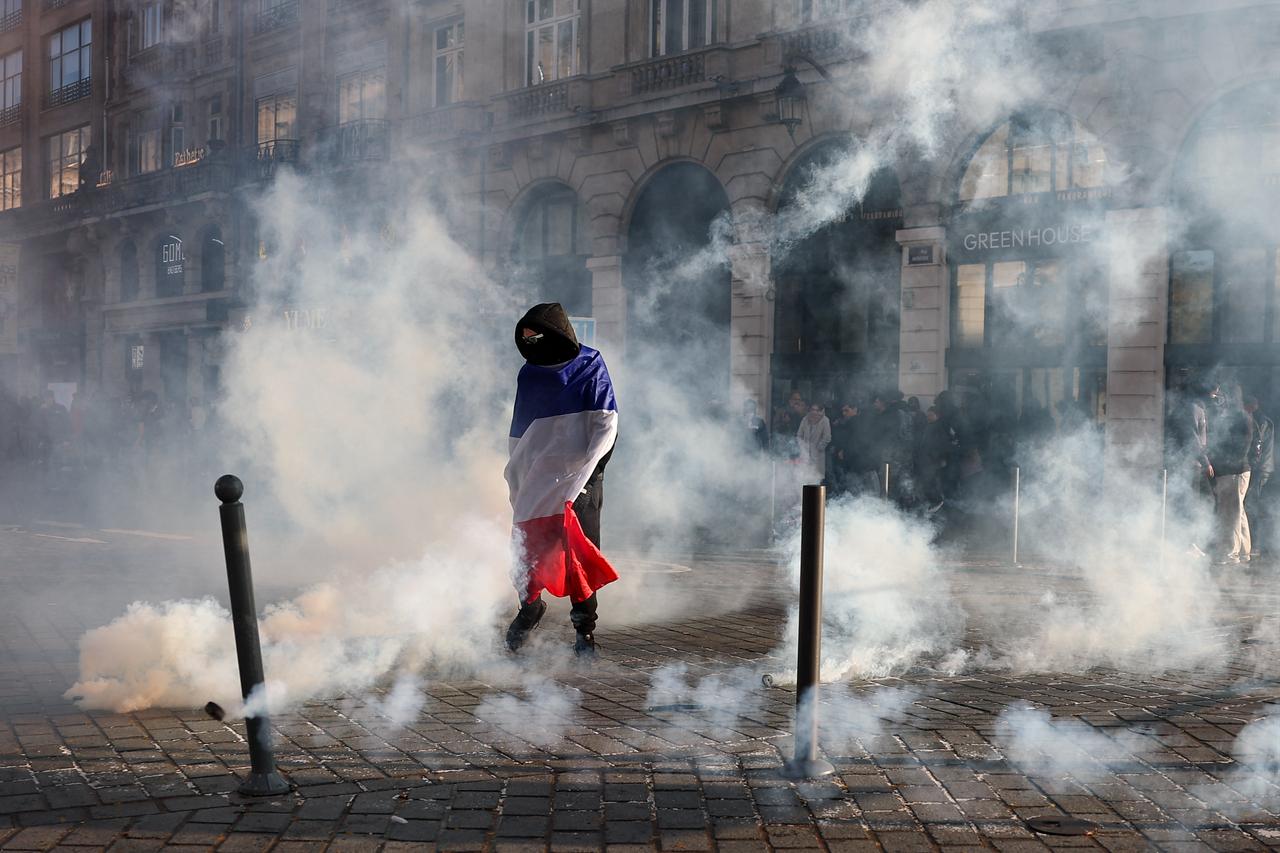
Police used tear gas and water cannons against demonstrators who threw projectiles and fired fireworks.
In the southern city of Saint-Étienne, a 17-year-old boy lost his right hand after a crowd-control grenade exploded.
Paris Mayor Emmanuel Gregoire said entire streets of the capital "have been devastated" as masked groups set parked vehicles ablaze and ransacked businesses.
The violence extended across several major French cities, with shops and public buildings attacked during and after the demonstrations.
Supermarkets, pharmacies, luxury boutiques, clothing stores, opticians, cosmetics retailers and electronics shops were looted in Paris, Marseille, Nice, Nantes, Bordeaux, Limoges, Lille, Toulouse and Strasbourg.
AFP journalists in Paris witnessed groups of masked and gloved young men systematically targeting businesses, disconnecting security cameras before smashing windows and entering stores.
Town halls were also targeted.
The more than 140-year-old city hall in Limoges was largely destroyed after masked protesters broke in and set the building on fire, according to the region's top official.
Municipal buildings in Marseille and Lille were also broken into and vandalized.
A police compound in Bordeaux was damaged, while protesters set fire to a tourist office in Lyon.
French President Emmanuel Macron condemned the violence and promised legal consequences for those responsible.
"Those who carried out vandalism, attacked administrative offices or businesses, or carried out looting—even in our town halls—will be prosecuted and punished," Macron said.
The unrest has become a major political issue six months before France's presidential election, scheduled for April and May 2027.
Far-right presidential candidate Marine Le Pen condemned the rioters and accused the party of her far-left rival, Jean-Luc Melenchon, of having "legitimized the violence."
She pledged to protect French citizens "from the violence of the extreme left".
Melenchon, who supported the demonstrations and the student protests preceding them, urged protesters to stay away from looting.
He described such acts as "contrary to our methods."
The protests followed weeks of student demonstrations and were organized in part by France's Yellow Vest movement, which previously mobilized against Macron's proposed fuel tax increases eight years ago.
The latest rallies, organized under the banner of "yellow and youth," focused primarily on the cost-of-living crisis, which has been aggravated by the war in the Middle East and rising inflation.
"We're sick of slaving away for poverty wages while our rents keep going up," teacher Regine Monfroid told AFP in Strasbourg.
Beyond inflation, demonstrators voiced broader dissatisfaction with political leaders, inequality and the country's direction.
In Paris, tens of thousands marched through eastern and northern neighborhoods, with some chanting, "Everyone hates the police" and "Macron, resign."
High school student Kamil Alahyan, 18, said he was demonstrating "for so many reasons—the elections coming up in 2027, politicians who lie, the ultra-rich who've been taking more and more wealth over the past 10 years."
Some protesters invoked the French Revolution of 1789.
"It's the Revolution—we're taking the Bastille!" demonstrators shouted in Marseille as they forced their way into the mayor's offices.
In La Rochelle, protesters marched behind a banner reading "Revolution or death."
A large blue banner proclaiming "The people will win" was displayed above a central square in Montpellier.
"The government is trembling, and it's right to tremble because when the French people are angry, they never let up," Ryad Rani, head of the LSU high school student representative body, told journalists in Paris.
Vance, 42, has frequently criticized European governments over their immigration policies, arguing that they have failed to adequately address national identity and integration.
During a speech at the Munich Security Conference in February 2025, he challenged European leaders over immigration and domestic political issues.
His comments Saturday brought those arguments into the context of France's violent demonstrations, despite the protests having been organized around economic grievances.
Vance, widely viewed as a potential Republican presidential candidate in 2028, also used the unrest to criticize Democrats ahead of the U.S. midterm elections.
His remarks highlighted how France's domestic crisis has become part of a wider political debate over immigration, public security, and economic dissatisfaction on both sides of the Atlantic.


 Set as preferred source
 Set as preferred source


 2 min read
 1 min read