Sign in
 Newsletters





The United States has urged its citizens across the Middle East to exercise heightened caution amid escalating attacks by Yemen's Iran-backed Houthis against Saudi Arabia and reported Iranian efforts to target U.S. government personnel and facilities in the region.
In a security alert published on social media by the U.S. Embassy in Riyadh, American citizens were advised to closely monitor security developments and prepare for possible disruptions as regional tensions threaten to escalate rapidly.
The embassy said Iran had carried out attacks targeting U.S. interests in Bahrain and Kuwait, while the Houthis had intensified strikes against Saudi Arabia.
Attacks on civilian airports and other critical infrastructure have caused casualties and significant travel disruptions, the advisory said.
The embassy warned American citizens to remain alert to potential security threats, flight cancellations, airspace closures and transportation disruptions.
It advised travelers to consider alternative transportation options, including private vehicles, trains and buses, when entering or leaving Saudi Arabia.
According to the advisory, land border crossings remain open, including the King Fahd Causeway connecting Saudi Arabia and Bahrain.
Roads around Riyadh, Jeddah and Dhahran also remain available for travel.
The embassy said international airports in neighboring Bahrain, Jordan, Oman, Qatar and the United Arab Emirates continue operating, but urged passengers to confirm flight schedules directly with airports before traveling.
The warning follows intensified attacks by Yemen's Iran-backed Houthis against Saudi Arabia, including a drone strike targeting a tower in Riyadh's financial district that injured 11 people.
The Saudi-led Arab coalition said the Houthis carried out the attack using an unmanned aerial vehicle and pledged a decisive response.
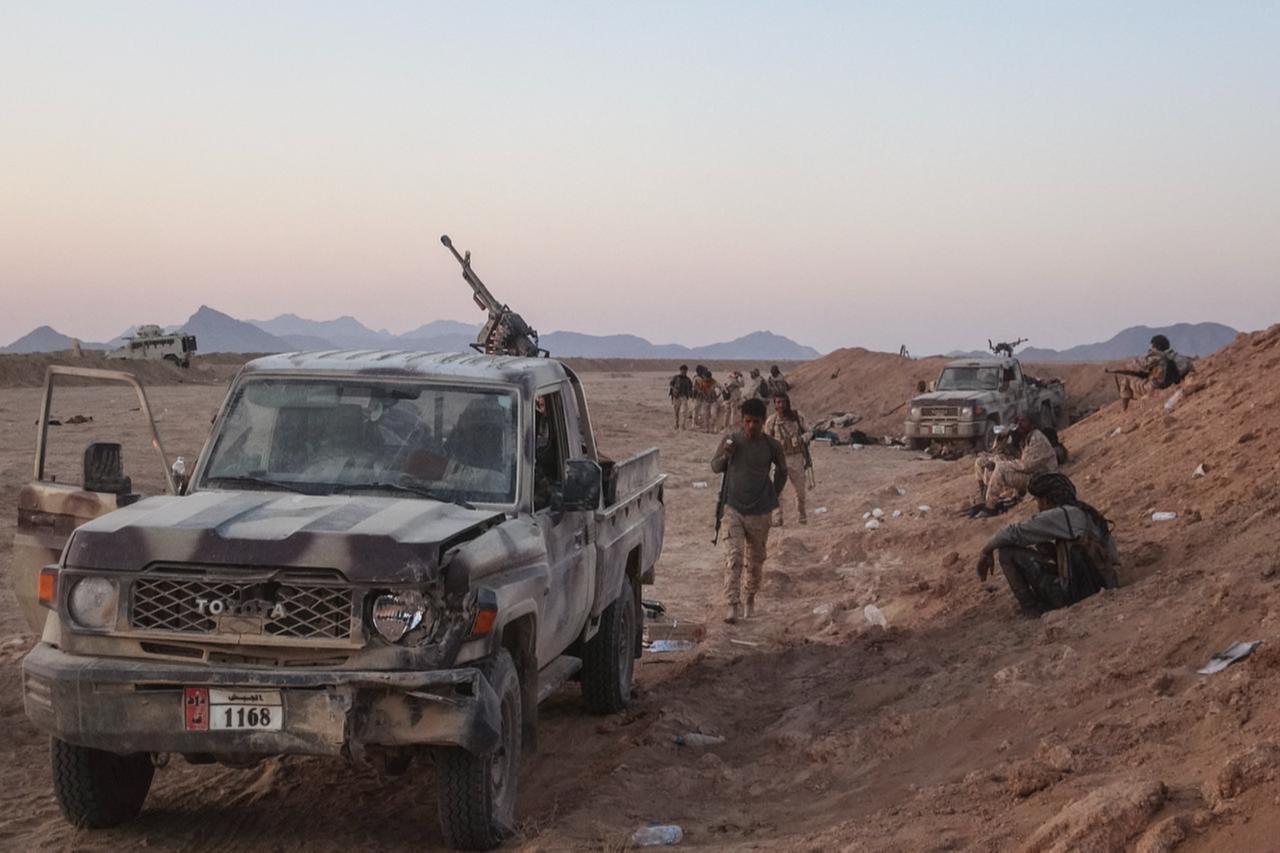
The Houthis have increasingly targeted Saudi Arabia with ballistic missiles and drones while stepping up attacks on government-controlled areas in Yemen.
The conflict in Yemen deepened after the Houthis seized the capital, Sanaa, and other territories in September 2014.
In March 2015, a Saudi-led coalition began supporting Yemen's internationally recognized government.
Although an April 2022 ceasefire brought a period of relative calm, fighting has intensified again since July, changing territorial control in parts of the country.
The U.S. Embassy urged citizens to remain vigilant as the security situation continues to evolve across the region.


 Set as preferred source
 Set as preferred source


 1 min read

 1 min read