

 Newsletters


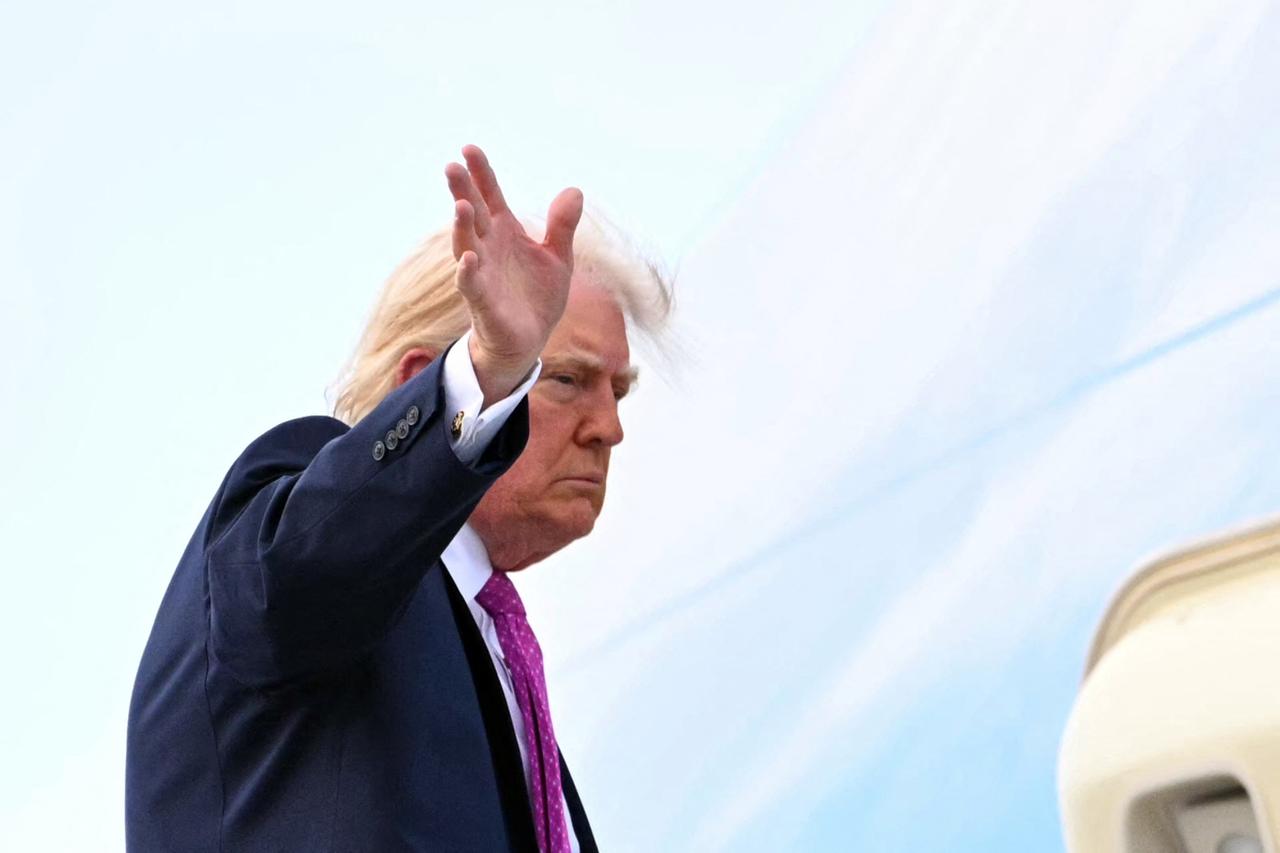


U.S. President Donald Trump told CBS News White House correspondent Weijia Jiang in a telephone interview Tuesday that the United States is not yet withdrawing its military assets from around the Strait of Hormuz, saying, "at some point I will, not quite yet."
He declared that Iran has been "decimated," dismissing any remaining threat in the waterway and blasting NATO as "terrible" for failing to join the effort.
At some point, I will, but not quite yet. But countries have to come in and take care of it. Iran has been decimated, but they're going to have to come in and do their own work," Trump told Jiang.
Trump was unsparing on allied inaction.
"Let them come up and take it. They didn't want to give a hand to anybody. NATO is terrible, and they're all terrible. So if they want oil, come up and grab it. There's no real threat; there's no substantial threat because the country has been decimated," he said.
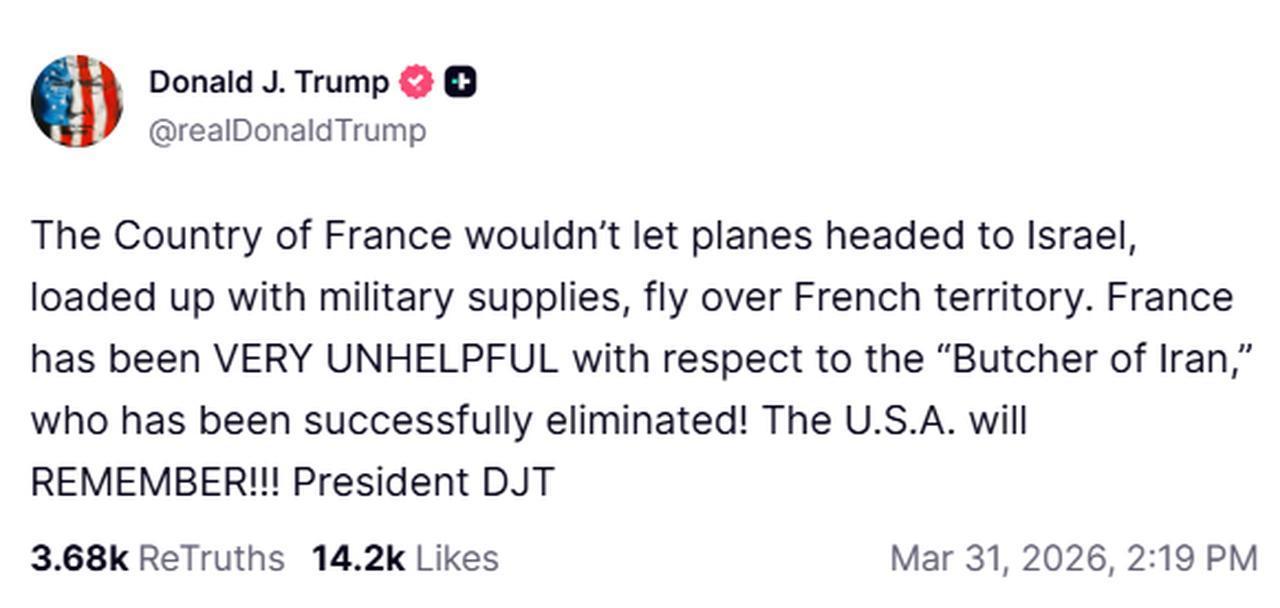
In separate Truth Social posts, Trump accused the UK of refusing involvement in the Iran offensive and called France "very unhelpful" for denying overflight to military supply aircraft headed to Israel.
"The Country of France wouldn't let planes headed to Israel, loaded up with military supplies, fly over French territory. … The U.S.A. will REMEMBER," he wrote.

Asked about the timeline for ending the war as U.S. gas prices hit a national average of $4 per gallon, Trump said the operation is running ahead of plan.
"They'll drop when we leave, when it's over," he said of gas prices. Asked when that would be, Trump said, "We are ahead of schedule actually, in terms of what we have done. They've got no military might anymore. They are down on everything they had. They're a mess. I would say we are two weeks ahead of schedule."
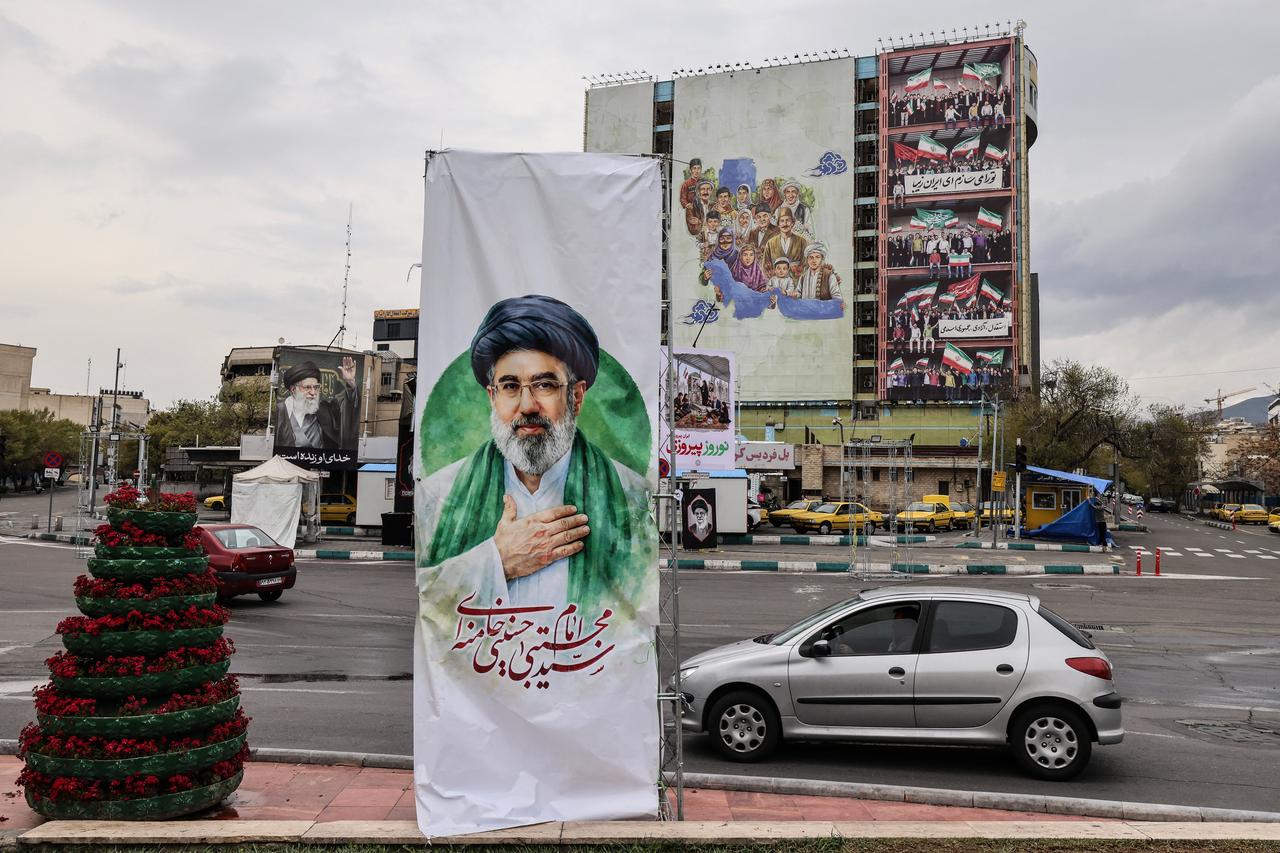
Trump said "not much" more has to happen before declaring victory and pointed to regime change as a major achievement.
"We want to clean up some ends. We've had total regime change. These are different people than anyone has ever heard of before, and frankly, they've been more reasonable. So, we've had total regime change beyond what anyone thought possible. It's a big factor," he said.
Asked whether removing Iran's enriched uranium stockpile is necessary to declare victory, one of the war's stated objectives, Trump was equivocal.
"I don't even think about it. I just know that it's so deeply buried it's gonna be very hard for anybody. And we've watched it since the attack. And at least I think, finally, people admit it was obliteration. It's down there deep. And they haven't been able to do it. Even without a war, they haven't been able to do it. So it's pretty safe. But we'll make a determination," he said.
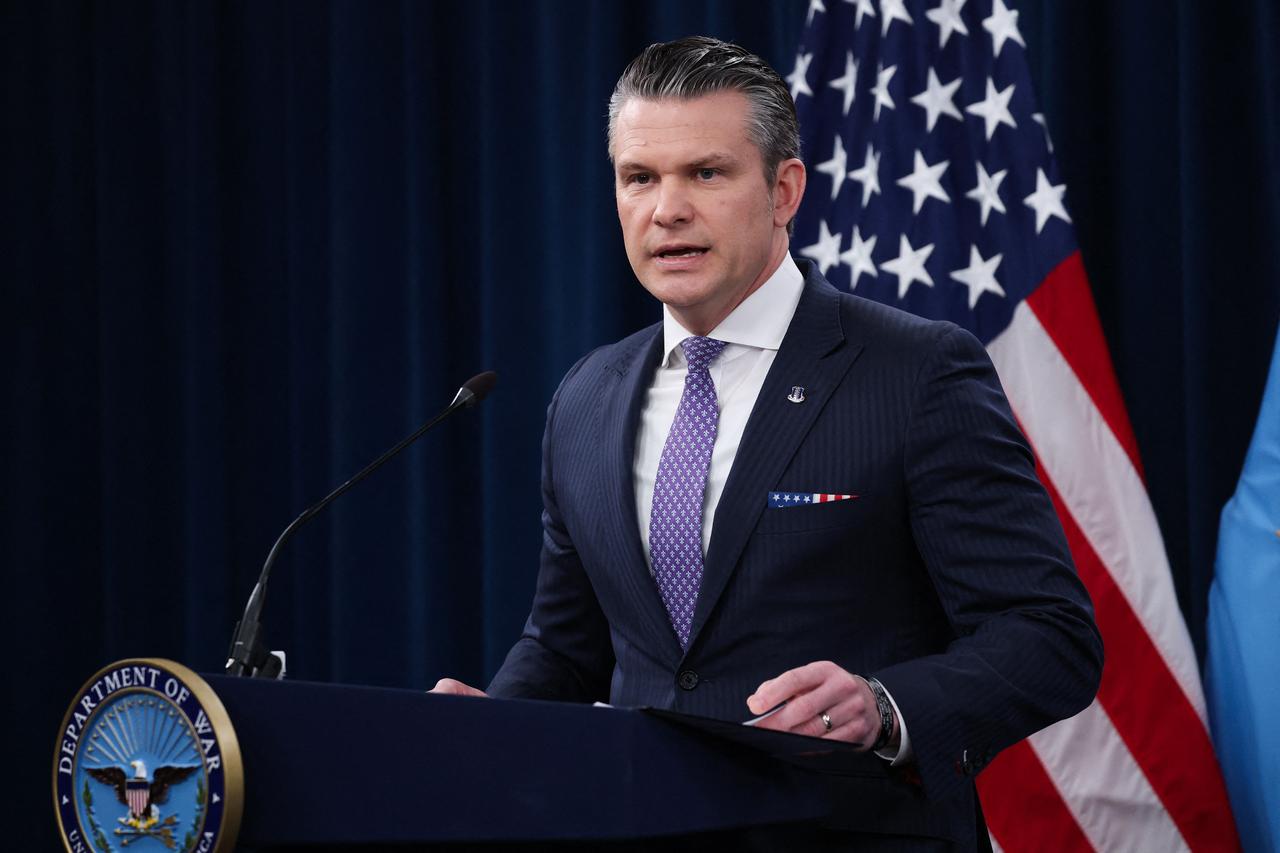
At the Pentagon, Defense Secretary Pete Hegseth echoed Trump's criticism of NATO allies and said the war would "end on our terms."
"We remain committed to a conflict that ends on our terms. In the president’s terms, there’s no doubt about that. And as far as NATO's concerned, that’s a decision that’ll be left to the president. But I’ll just say, a lot has been laid bare. A lot has been shown to the world about what our allies would be willing to do for the United States of America when we undertake an effort of this scope on behalf of the free world," Hegseth stated.
"These are missiles that don’t even range the United States of America. They range allies and others. And yet when we ask for additional assistance or simple access basic overflight, we get questions or roadblocks or hesitations. And the president’s pointing out you don’t have much of an alliance if you have countries that are not willing to stand with you when you need them," he added.
He said talks with Iran are "very real, ongoing and active, and gaining strength", but added: "In the meantime, we'll negotiate with bombs."
He declined to rule out a ground invasion, citing the "need for unpredictability."
"Our adversary right now thinks there are 15 different ways we could come at them with boots on the ground, and guess what? There are," Hegseth said.
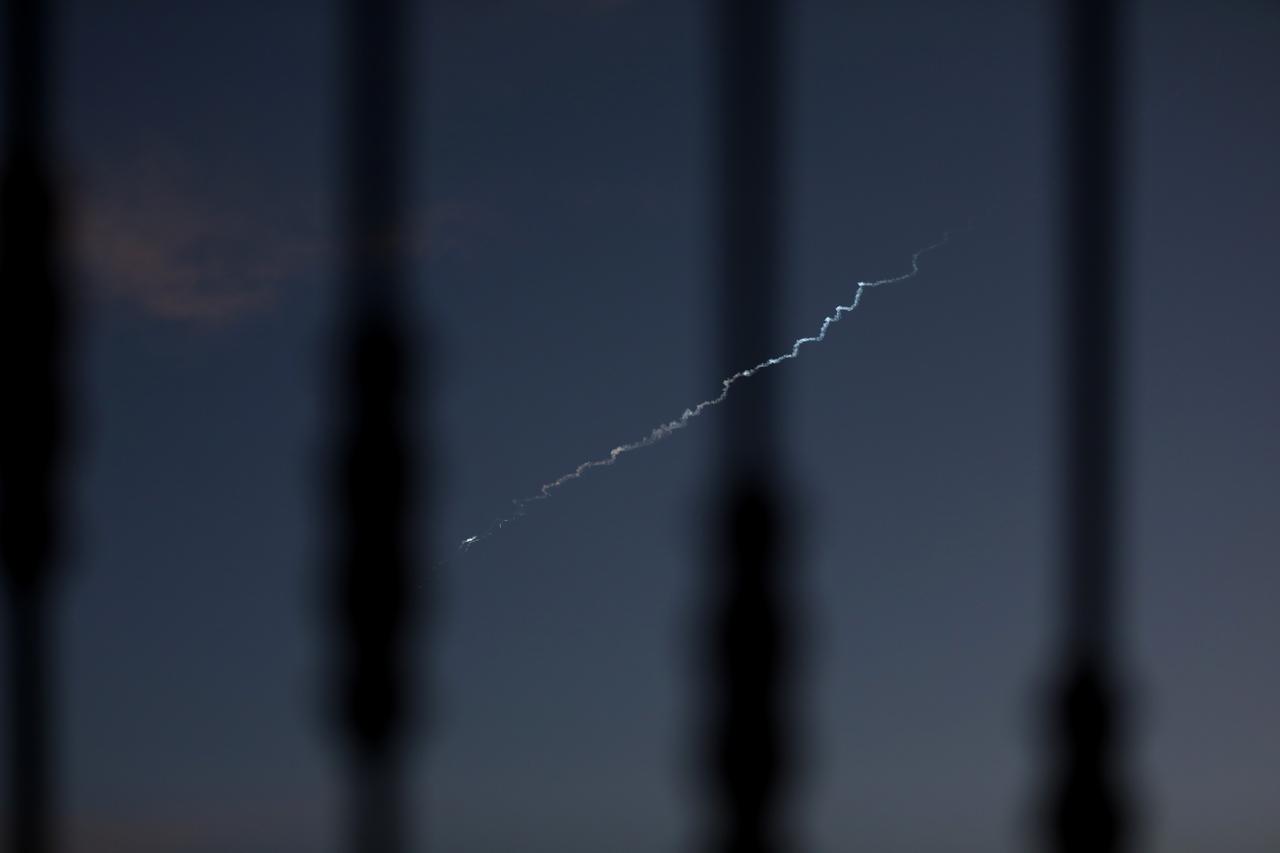
Regional escalation has continued since the U.S. and Israel launched their joint offensive on Iran on Feb. 28, killing over 1,340 people, including then-Supreme Leader Ali Khamenei.


 Set as preferred source
 Set as preferred source


 1 min read
 1 min read



