Newsletters


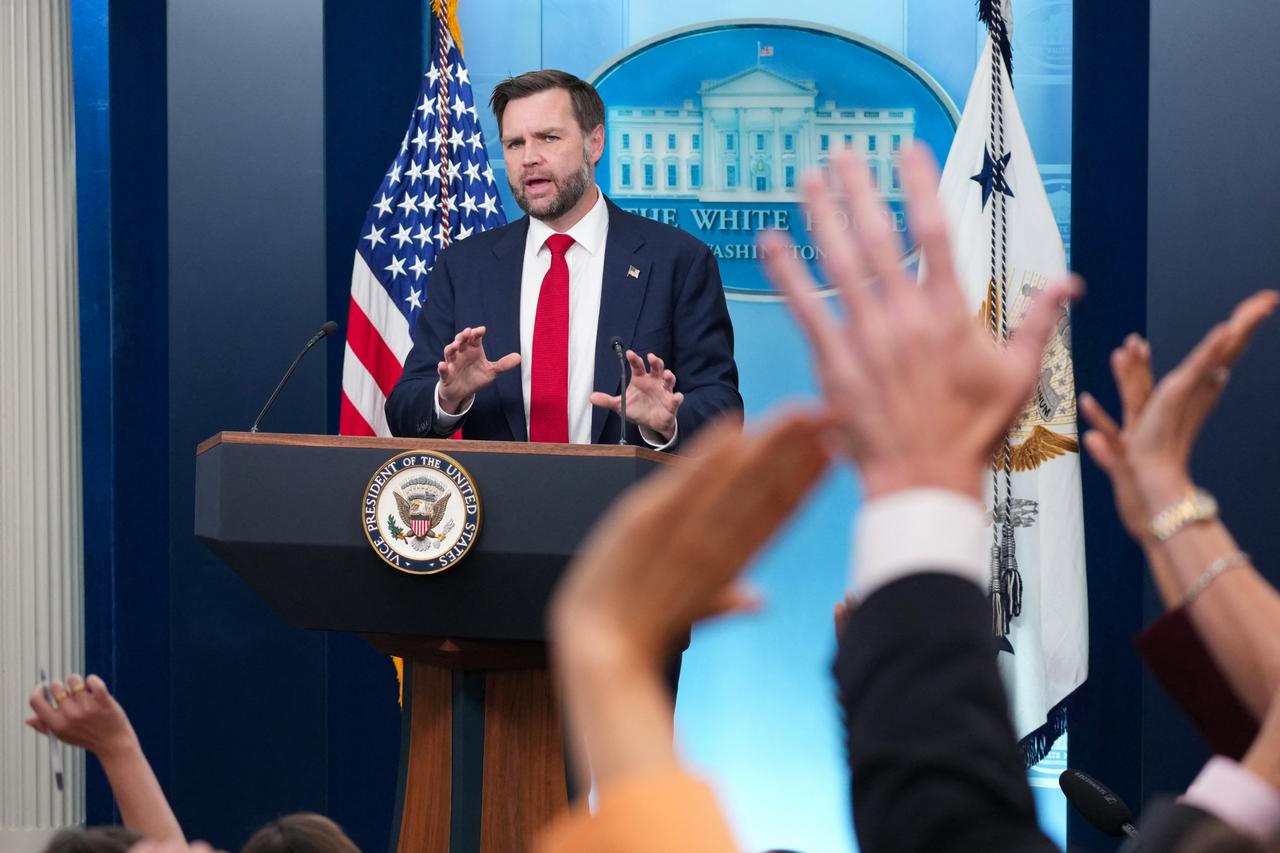


United States Vice President JD Vance said Saturday that high-level talks with Iran could take place as early as Sunday (June 21) as Washington and Tehran prepare for negotiations on a final settlement following last week's ceasefire agreement.
"We'll plan the talks when the principals from the Iranian government, also the Qatari and the Pakistani governments, arrive," Vance told Fox News, adding that this could happen "as soon as tomorrow."
He said diplomatic processes "are always a little bit in flux" but confirmed that U.S. envoys Jared Kushner and Steve Witkoff are already on the ground working through the "technical elements" of the negotiations.
Vance also expressed confidence that the current ceasefire would hold despite potential disagreements over implementation.
"I am very confident that the United States can sustain the truce, he said.

Meanwhile, Iran's Khatam al-Anbiya Central Headquarters announced Saturday that the Strait of Hormuz would once again be closed to maritime traffic, citing what it described as U.S. violations of its commitments and continued Israeli military operations in Lebanon.
The statement, carried by Iranian state television, said the move was prompted by Washington's failure to implement obligations under the recently signed agreement and Israel's continued attacks in southern Lebanon despite ceasefire provisions.
"It is hereby announced that the Strait of Hormuz will be closed to vessel traffic," the military command said.
"It is noted that this first step is a response to the enemy's breach of promise, and if the aggression continues, further steps will be planned and taken to force the enemy to comply with its obligations."
Iranian officials also said Israeli forces had failed to withdraw from southern Lebanon as envisioned under the broader ceasefire framework.
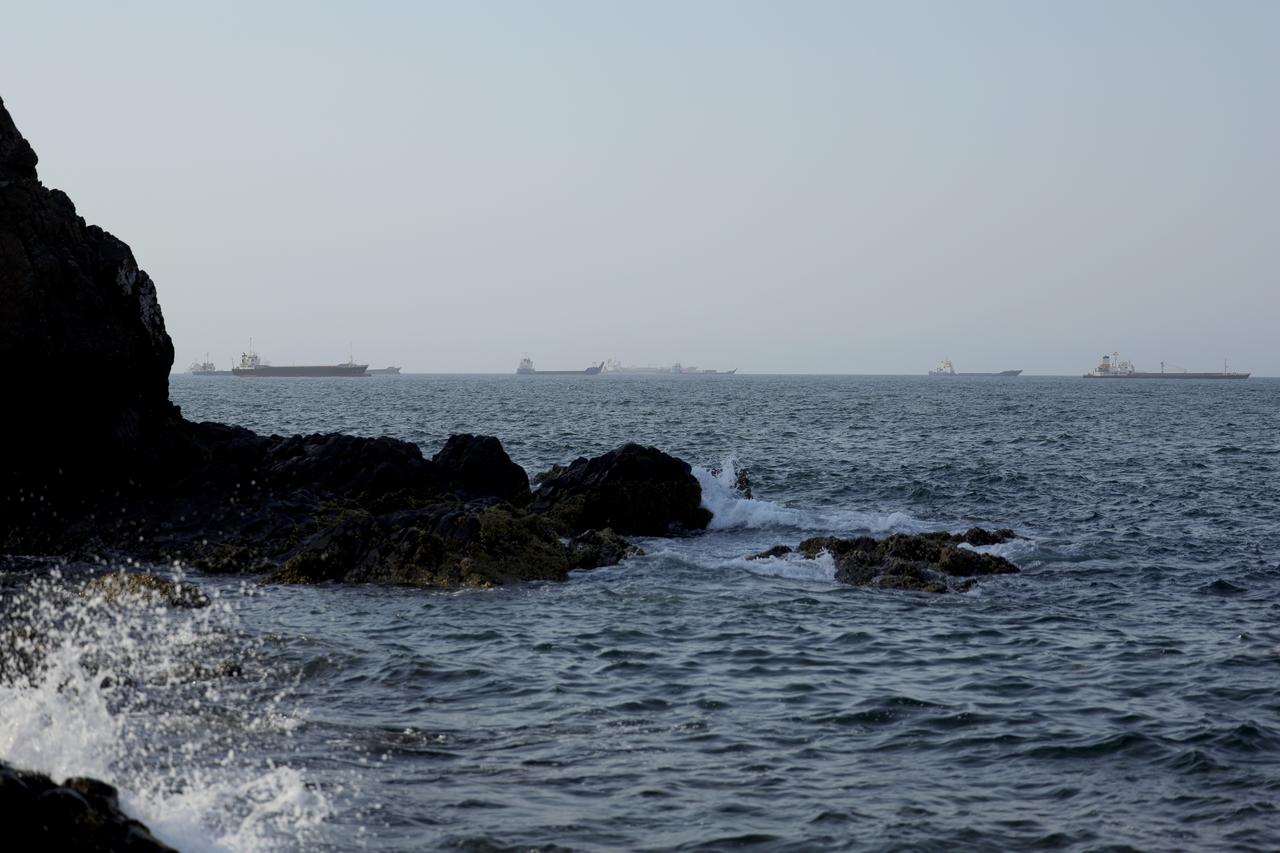
The military command described the closure as an initial response to what it called the United States' failure to fulfill its commitments under the agreement.
"If the aggression continues, further measures will be planned and implemented to compel the enemy to comply with its obligations," the statement said.
The development highlights growing tensions over the implementation of the Pakistan-mediated agreement signed earlier this month.
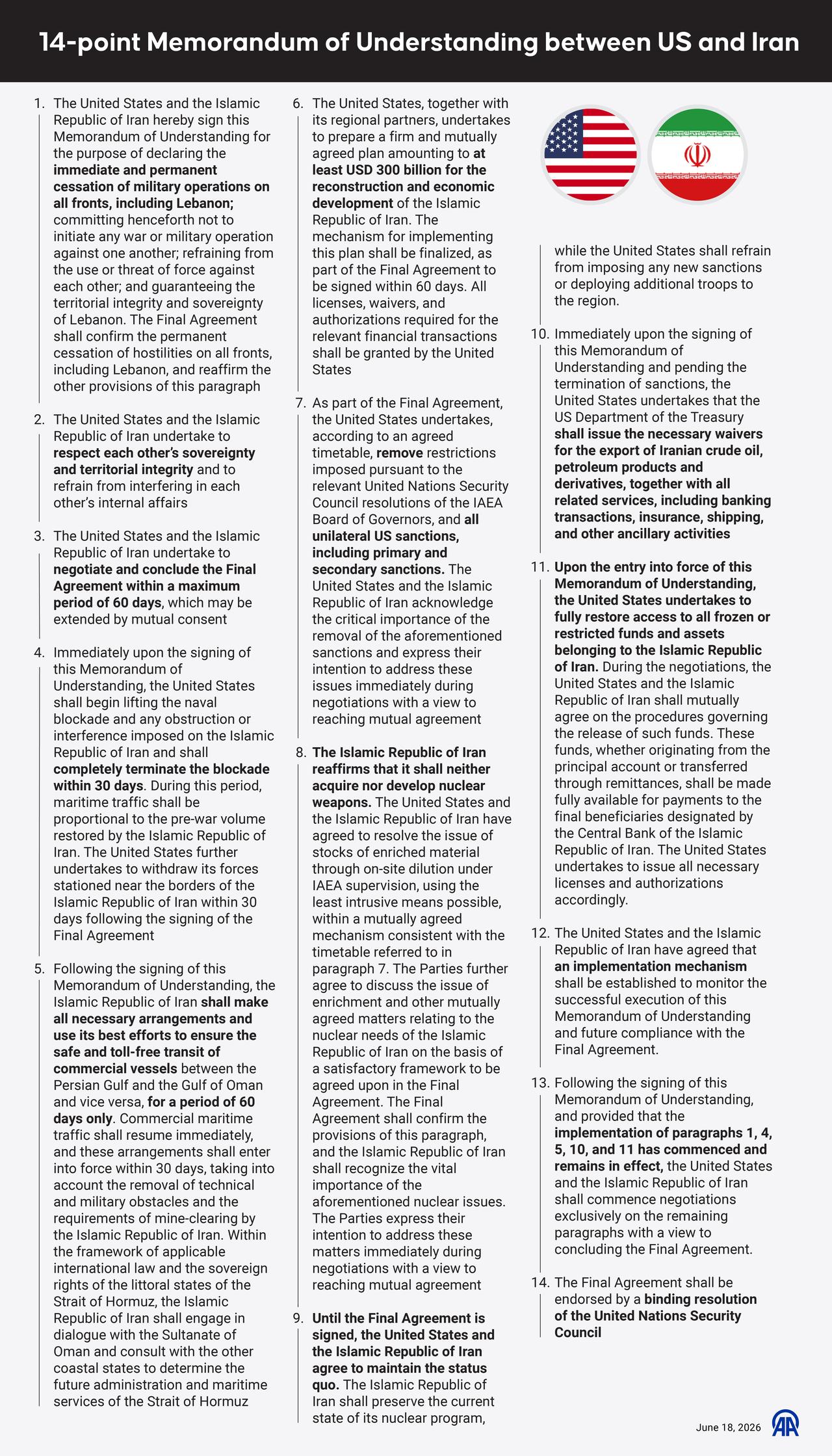
Iran and the United States announced on June 14 that they had reached a 14-point agreement aimed at ending the war and resolving outstanding disputes through negotiations.
The memorandum of understanding, known as the Islamabad Agreement, entered into force after being digitally signed on June 18 by Iranian President Masoud Pezeshkian and U.S. President Donald Trump.
The agreement includes provisions covering an end to hostilities, including on the Lebanese front, the reopening of the Strait of Hormuz, and the lifting of the U.S. naval blockade imposed on Iran.
Under the framework, Washington and Tehran are expected to begin a 60-day negotiation process aimed at reaching a final agreement on Iran's nuclear program, sanctions relief and other unresolved issues.


 Set as preferred source
 Set as preferred source


 1 min read

 1 min read