Newsletters




New visual evidence collected by an American newspaper has bolstered longstanding allegations that Israel has deployed white phosphorus munitions in densely populated areas of Lebanon, raising fresh concerns about potential violations of international humanitarian law even as a ceasefire nominally remains in effect.
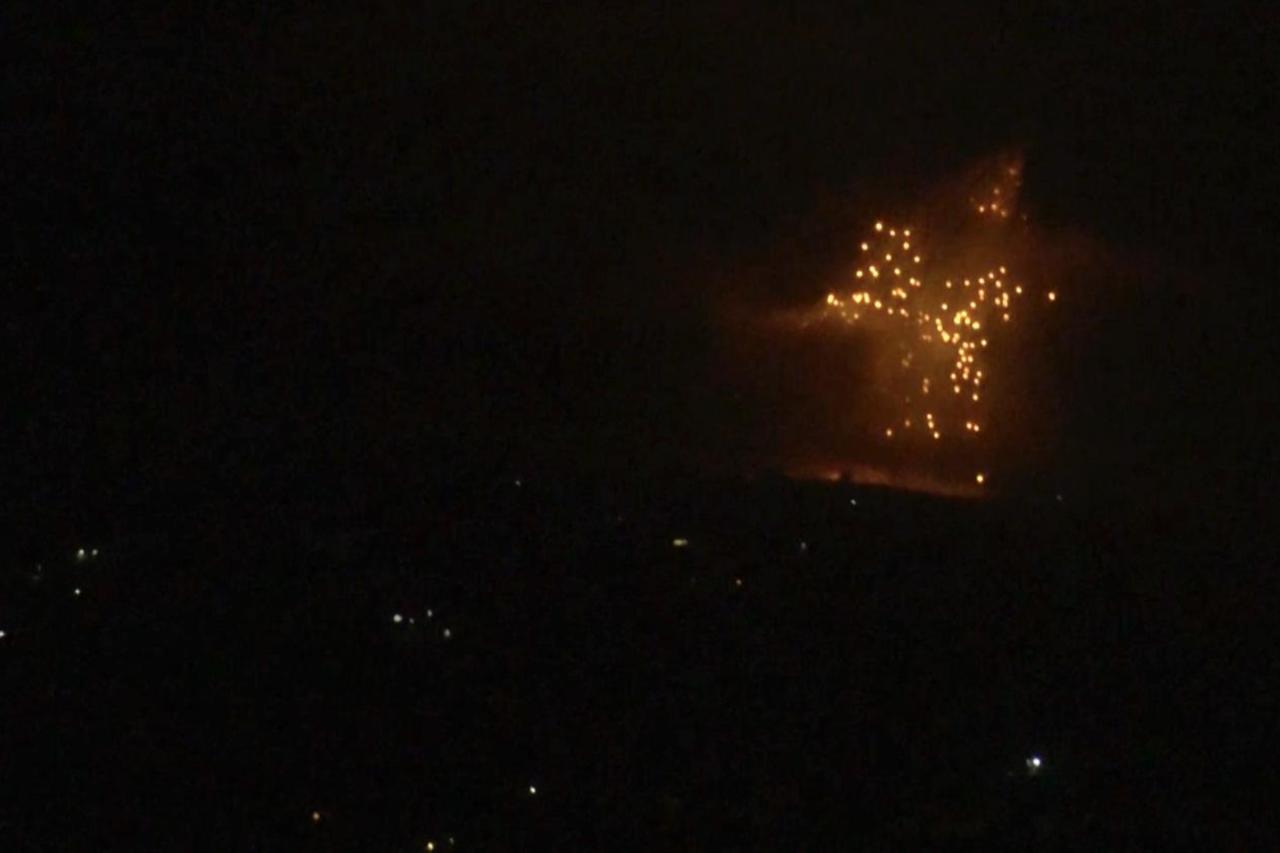
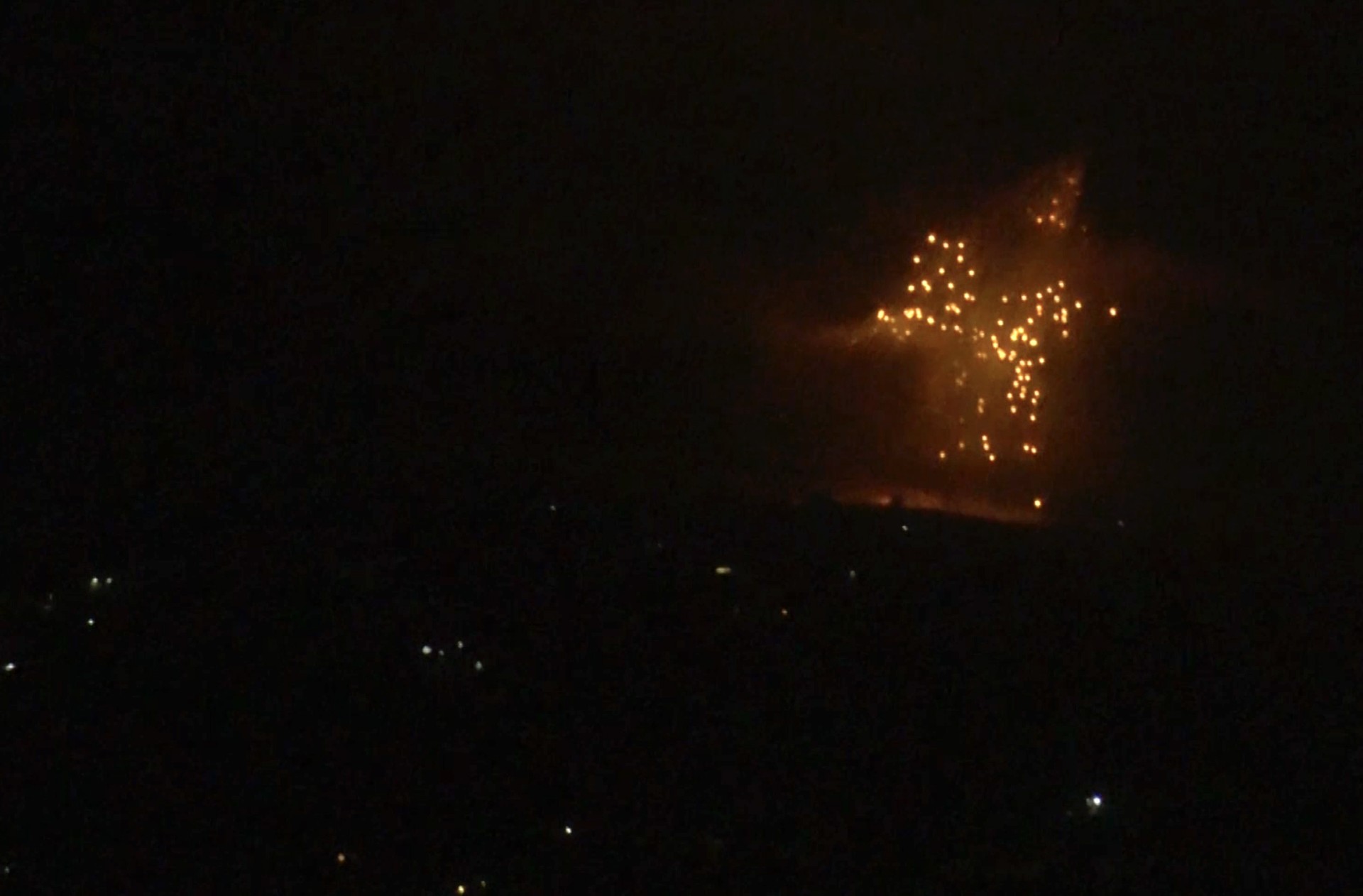
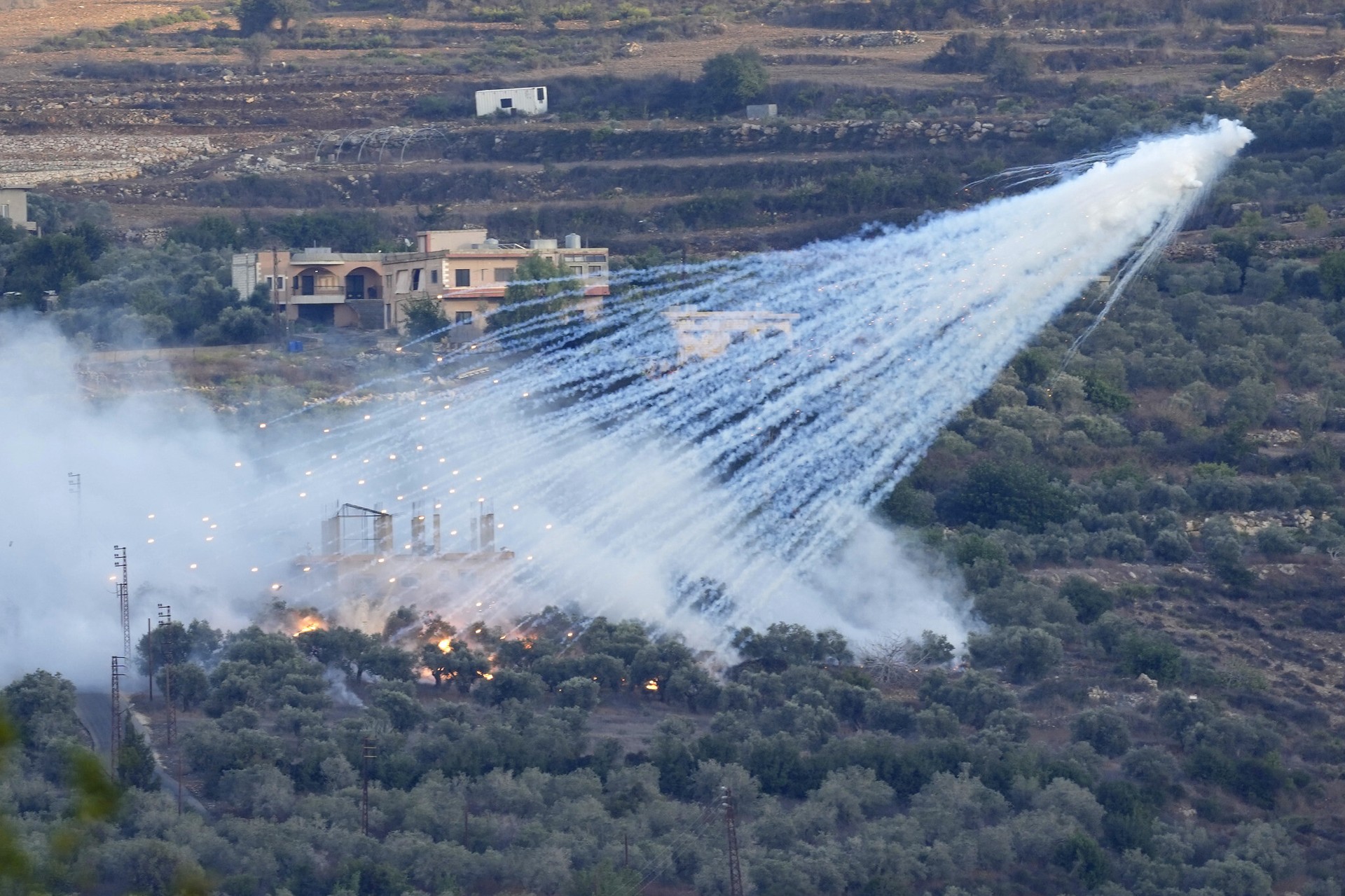
The New York Times reported that it verified social media footage showing the distinctive smoke trails of white phosphorus over the southern Lebanese city of Nabatieh, home to approximately 40,000 residents, on May 30.
The footage was captured around the time Israeli forces seized Beaufort Castle, a strategically significant structure in the area. The newspaper said it directed questions to Israel with the specific coordinates of four locations in Lebanon where the substance appeared to have been used, but received no response.
According to the Times, the imagery shows artillery shells exploding in the air over Lebanese territory and releasing cascading streams of burning white material, consistent with American-made M825A1 munitions that Israel has previously been documented using.
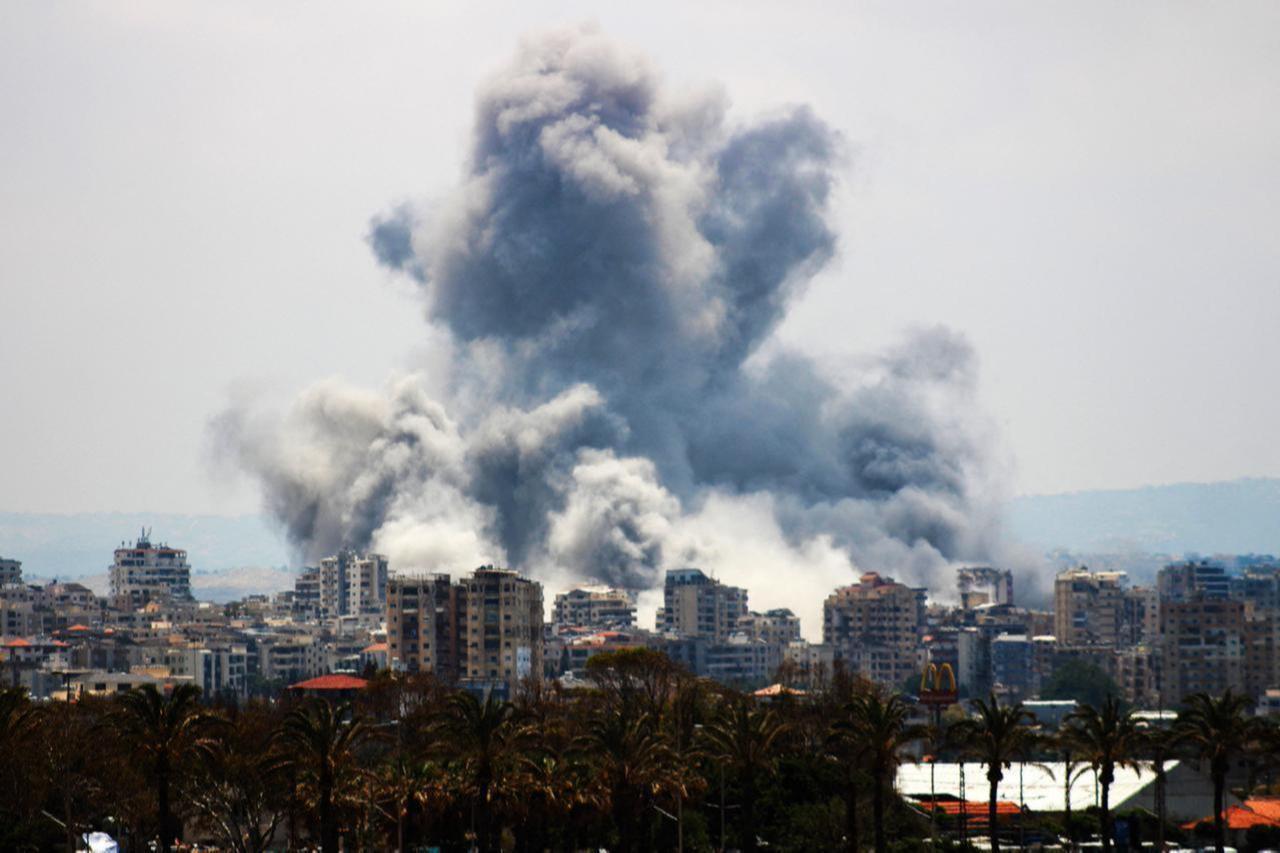

The newspaper's reporting identified alleged phosphorus use near the coastal city of Tyre as well as three smaller towns, Al-Qulayha, Khiam and Yohmor, following the resumption of hostilities between Israel and Hezbollah in March.
The images suggest a pattern of use across geographically dispersed locations in southern Lebanon.
White phosphorus ignites spontaneously upon contact with air and is extraordinarily difficult to extinguish. Militaries have long used it to create smoke screens and start fires during combat operations. While its use is not categorically prohibited under international law, deploying it deliberately against civilians or in civilian-populated areas constitutes a violation of the laws of war.
The World Health Organization has warned that the substance causes severe burns on contact with skin and can lead to respiratory and eye injuries when inhaled.
The Lebanese government has formally raised the issue four times with the United Nations since October 2023, submitting letters to both the UN and the Security Council.
In a letter dated July 3, 2024, addressed to the Security Council, Beirut reported that more than 600 fires had broken out in southern Lebanon as a direct result of white phosphorus use, citing government data.
The allegations place renewed pressure on Israel at a moment when its military conduct across multiple fronts is under intensifying international scrutiny. Israel has not publicly commented on the specific incidents cited in the Times report.


 Set as preferred source
 Set as preferred source


 2 min read
 1 min read