Newsletters


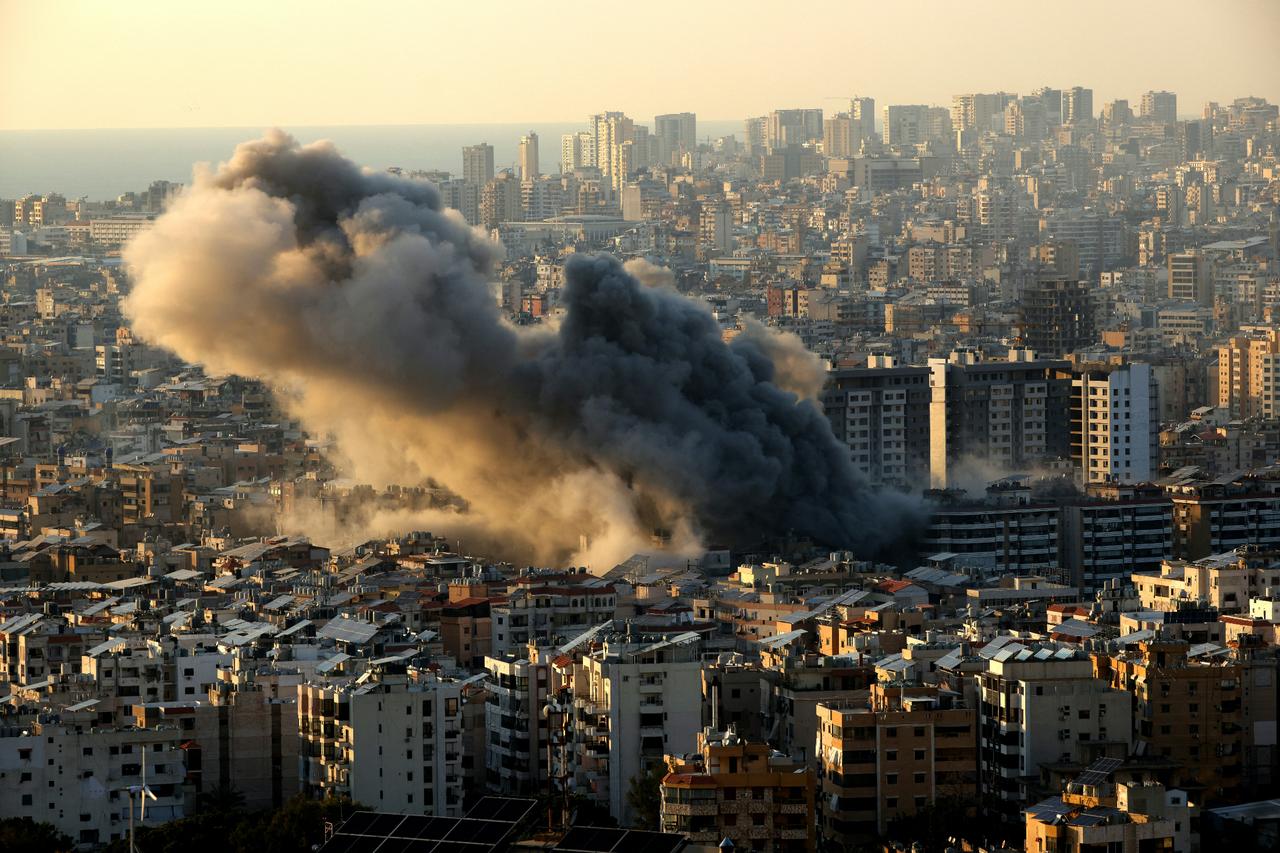


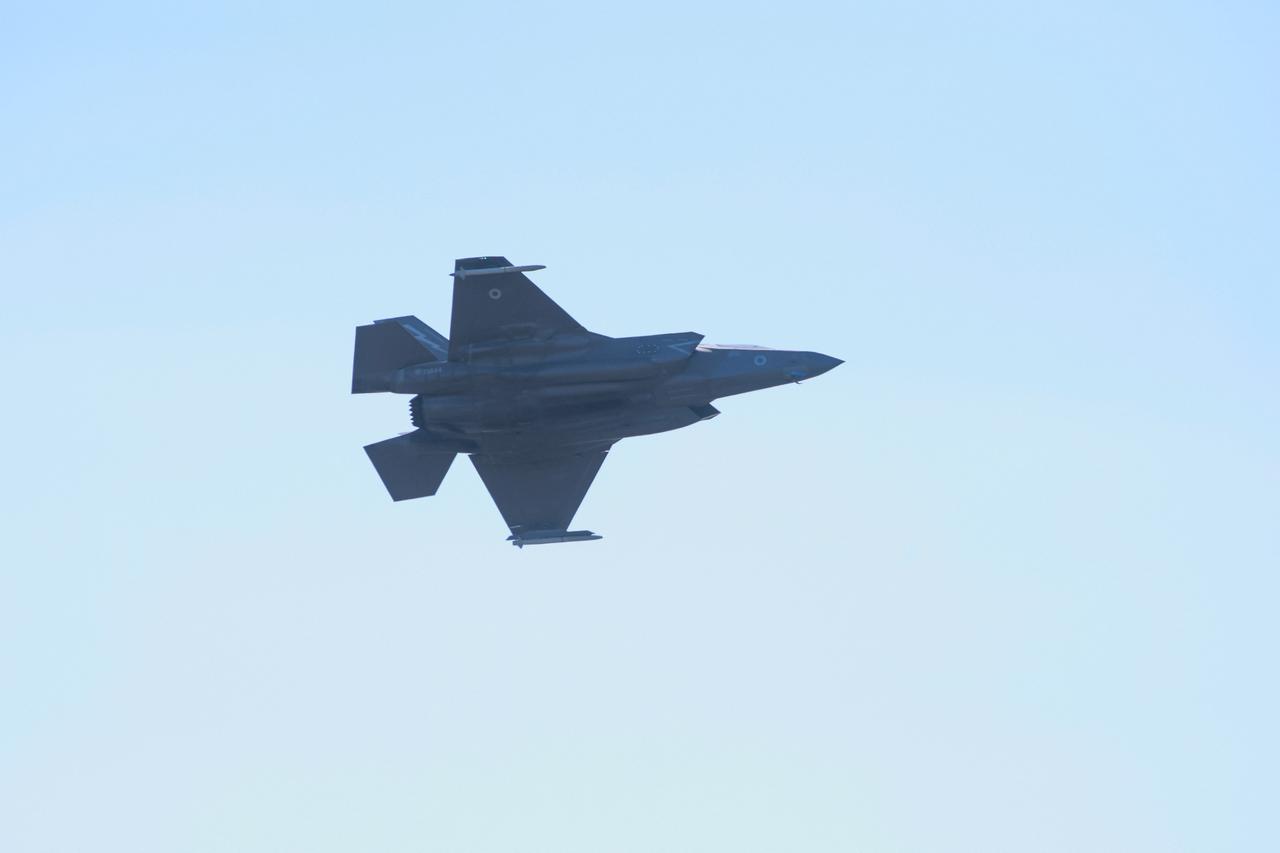
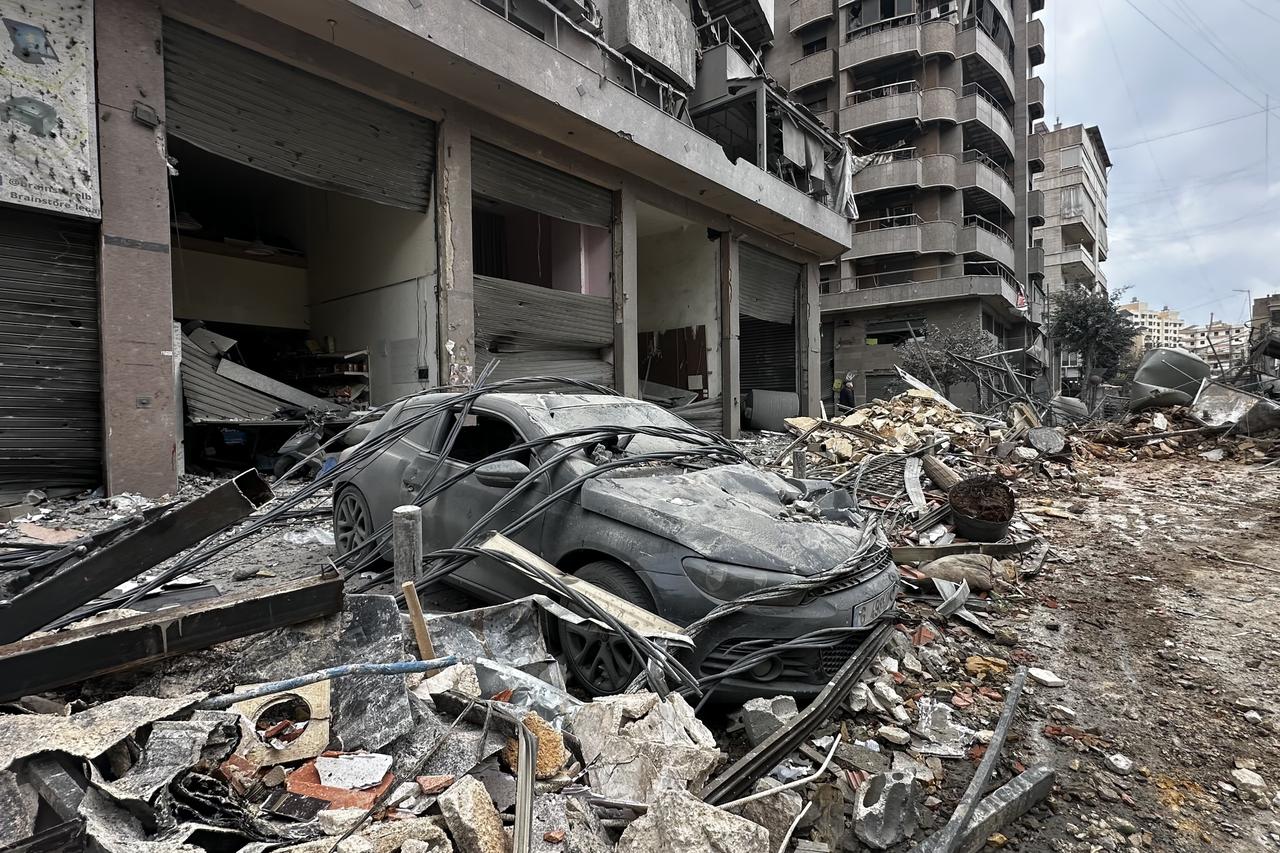
Israeli military launched a sweeping new wave of air strikes across southern and eastern Lebanon on Tuesday, hitting the cities of Tyre and Sidon for the first time since hostilities reignited, as the conflict between Israel and Hezbollah enters its second week with no sign of slowing and a humanitarian crisis rapidly deepening across the country.
The Israeli military issued evacuation warnings to residents of both coastal cities before the strikes, ordering them to move at least 300 meters from buildings it said were linked to Hezbollah. A strike hit the area of Abbassiyeh, adjacent to Tyre, shortly after the warning was posted on the social media platform X by an Israeli military Arabic-language spokesperson. Additional Israeli air raids overnight targeted towns across southern Lebanon, including Almajadel, Chaqra and Srifa, as well as locations in the Bekaa Valley.
Lebanese authorities say Israeli attacks since March 2 have killed at least 486 people and wounded more than 1,300, while nearly 700,000 people, including approximately 200,000 children, have been displaced across the country, according to UNICEF. Lebanon's Health Minister Rakan Nassereddine said Sunday that 83 children and 42 women were among the dead.
 1 min read
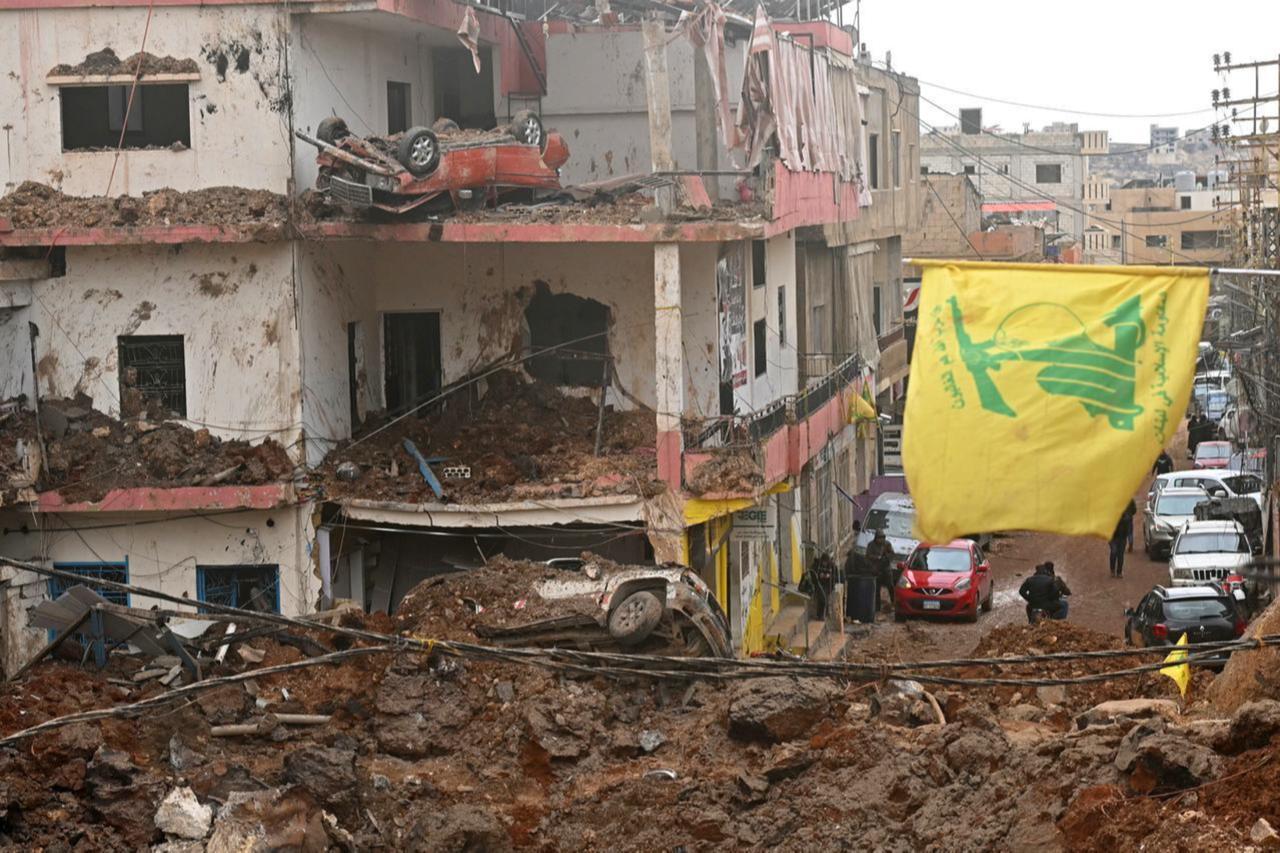
The humanitarian situation has deteriorated sharply. The International Rescue Committee warned that more than 80 percent of Lebanon's population had already been pushed into poverty before the latest escalation, and that health, protection and essential services are increasingly overwhelmed. Over 30,000 Syrians have fled from Lebanon back into Syria since fighting began. Schools across Beirut have closed to serve as shelters for displaced families, while Lebanon's 399 official shelters reached full capacity within days.
Human Rights Watch added a further dimension to the crisis on Monday, accusing Israel of unlawfully using white phosphorus munitions over residential areas in the southern Lebanese village of Yohmor on March 3. The group said it geolocated and verified seven images showing the incendiary substance being fired by artillery into populated areas, hours after Israel had issued evacuation orders.
"The Israeli military's unlawful use of white phosphorus over residential areas is extremely alarming and will have dire consequences for civilians," said Ramzi Kaiss, the group's Lebanon researcher.
The Israeli military said it was "currently unaware and cannot confirm use of shells that contain white phosphorus in Lebanon as claimed," adding that any weapons containing the substance are used in accordance with international law.
U.N. High Commissioner for Human Rights Volker Turk said he was "extremely concerned" that Lebanon was becoming a key flashpoint in the broader Middle East conflict, calling for an immediate cessation of hostilities. EU foreign policy chief Kaja Kallas similarly urged both sides to return to the November 2024 ceasefire, warning that Lebanon risks "sliding into chaos."
On the ground, the fighting showed no sign of abating. Hezbollah claimed to have ambushed Israeli troops near the city of Khiam, saying three Merkava tanks were hit and seen burning.
The group also launched missile attacks on central Israel, injuring at least 16 people, and said it targeted the Givaa drone control base near the city of Safad.
The Israeli military, meanwhile, announced it had struck approximately 30 sites belonging to al-Qard al-Hasan, a Hezbollah-affiliated financial institution that has been under U.S. sanctions since 2007, calling the operation part of its campaign to dismantle the group's infrastructure.
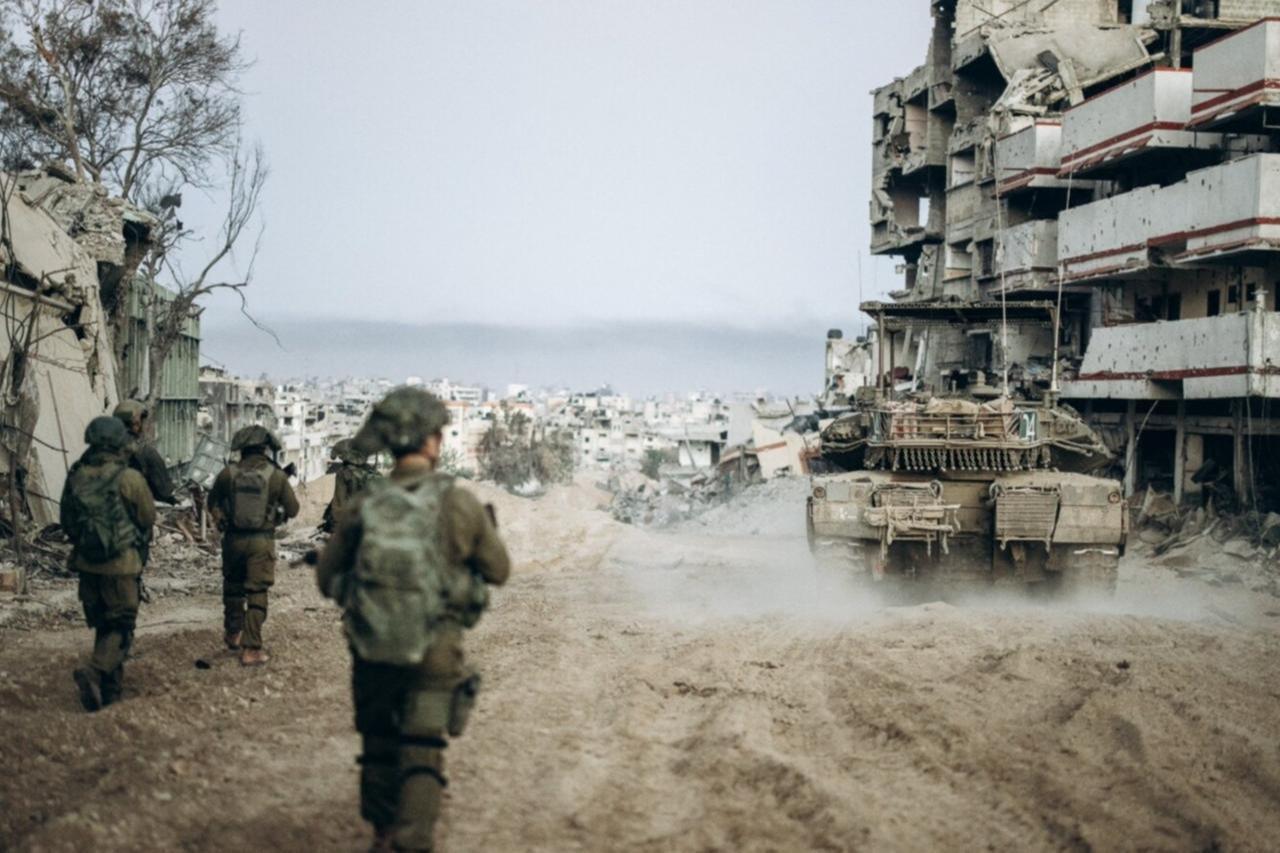

The current fighting traces back to the collapse of the November 2024 ceasefire between Israel and Hezbollah, which had formally ended their previous round of conflict. That agreement required Hezbollah to withdraw its fighters north of the Litani River while Israel pulled back its military from southern Lebanon.
On March 2, Hezbollah fired a barrage of rockets into northern Israel, its first such attack since the ceasefire, targeting a missile defense site south of Haifa. The group said it was retaliating for the killing of Iranian Supreme Leader Ali Khamenei during joint U.S.-Israeli strikes on Iran that began on February 28. Israel responded with air strikes on Beirut beginning at 3 a.m. local time, issuing evacuation orders to civilians in more than 50 villages.
In subsequent statements, Hezbollah Secretary-General Naim Qassem declared the group would not leave "the field of honor and resistance," while also reframing the attacks as acts of national self-defense rather than purely an intervention on behalf of Iran. The Israeli military, for its part, described its operations as "forward defense" and claimed to carry out "precise and targeted" strikes against senior Hezbollah figures.
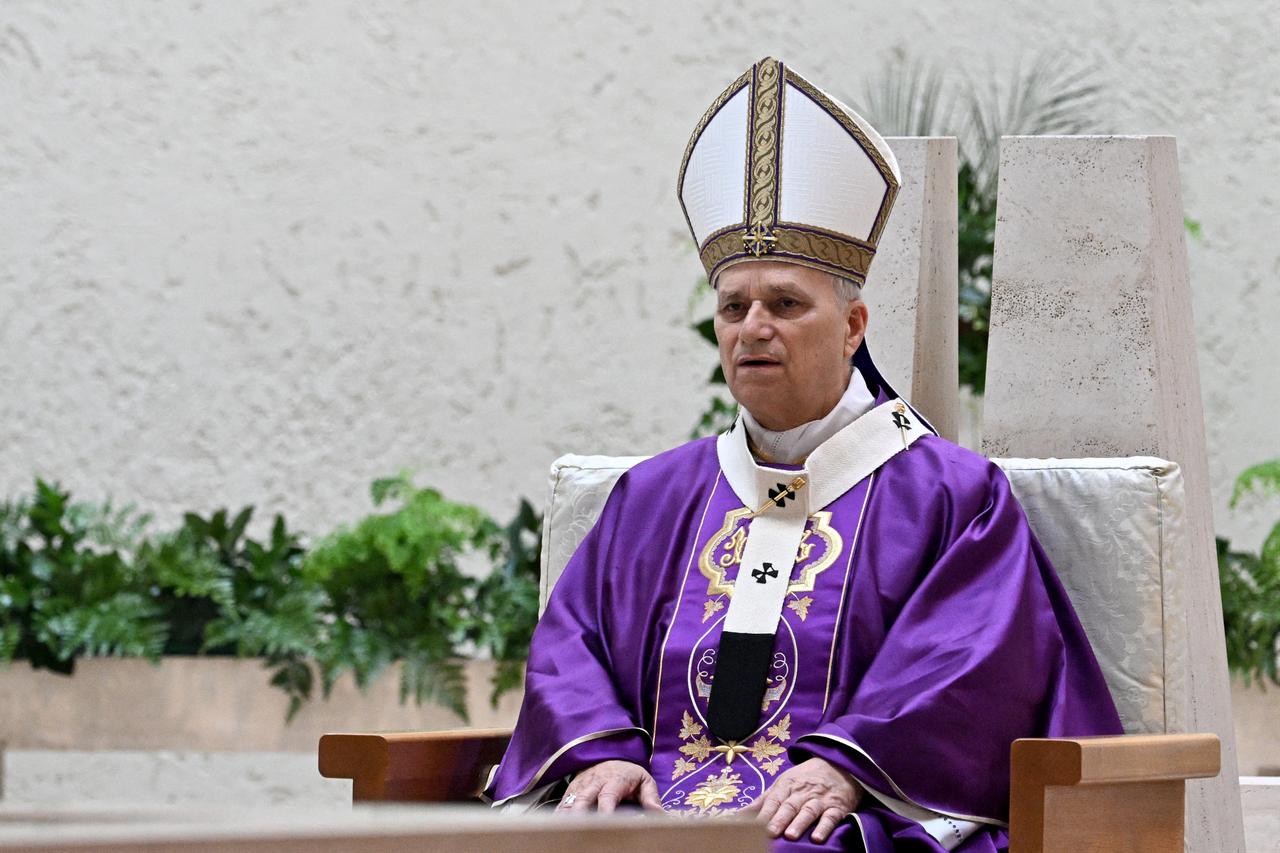
Pope Leo XIV expressed "profound sorrow" for the killing of Father Pierre al-Rahi, a Maronite Catholic priest struck down by Israeli tank fire in the Christian village of Qlayaa in southern Lebanon on March 9, saying through the Vatican press office that he was "following the situation with concern and prays that all hostilities will cease as soon as possible."
Al-Rahi had refused an Israeli military order to evacuate, choosing instead to remain with his parishioners. Just one day before his death, he had spoken to France24 from the steps of his church. "We are forced to stay despite the danger when we defend our land, and we do so peacefully," he said.
Lebanese news reports said an Israeli Merkava tank struck a home in the village twice. The first shell wounded the homeowner and his wife. Al-Rahi and neighbors rushed to help, and the tank fired again. Al-Rahi later died from his injuries. "We narrowly escaped a massacre because there were many of us there," said Hanna Daher, head of the Qlayaa municipal council.


 Set as preferred source
 Set as preferred source


 1 min read