Newsletters


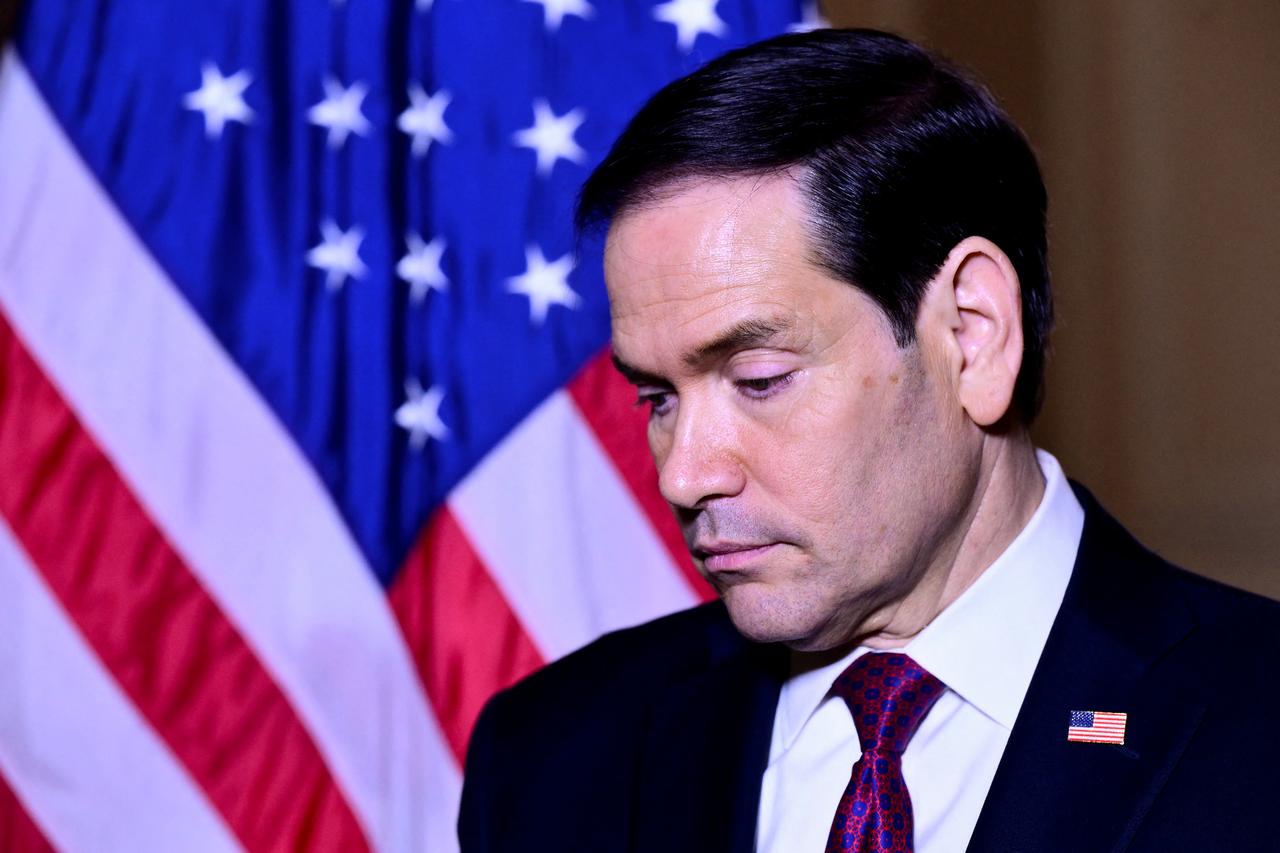


U.S. Secretary of State Marco Rubio stated Friday that Washington is expecting a response from Iran on its 14-point war-ending proposal later in the day.
He simultaneously warned that NATO allies who denied the U.S. military use of their bases during the Iran war have created "a problem" that must be "examined" and that U.S. President Trump has yet to decide how to respond to them.
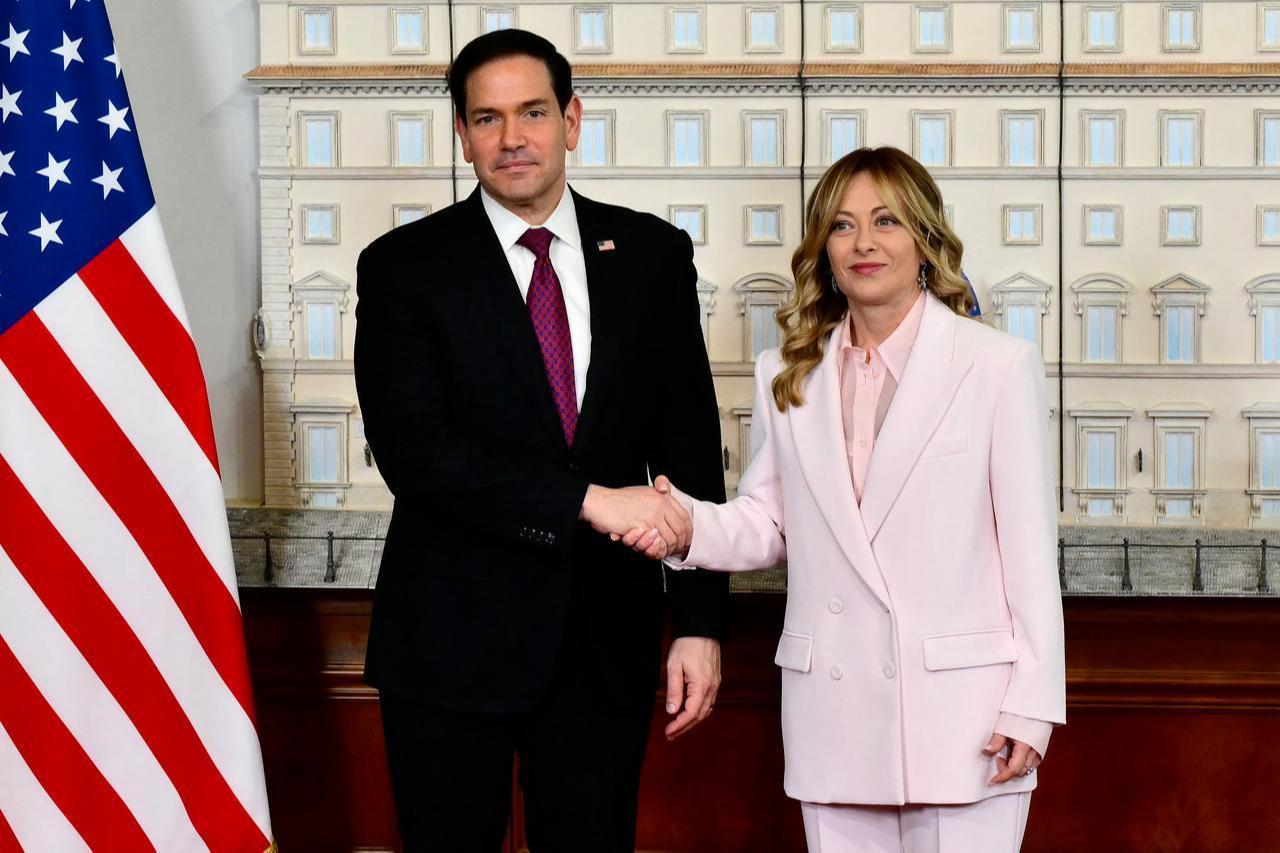
"We should know something today. We're expecting a response from them. We'll see what the response entails. The hope is that it's something that can put us into a serious process of negotiation," Rubio told reporters after meeting Italian Prime Minister Giorgia Meloni.
He added that he hoped it was "a serious offer" and said the U.S. had not yet received any correspondence.
Iran's Tasnim News Agency reported that Tehran was still weighing its answer to the U.S. proposals, according to Iran's Foreign Ministry spokesperson.

Rubio addressed overnight reports that Iran was attempting to establish an agency to control traffic and charge tolls in the Strait of Hormuz, calling it flatly "unacceptable" and urging all countries not to normalize it.
"What is the world going to do about that? Is the world going to accept that Iran now controls an international waterway? Because if the world is prepared to accept that, then be ready, because there are like ten other countries that are going to start doing the same thing in international waterways near their countries," he said.
He said the U.S. would respond to any Iranian threats to American forces: "If they threaten Americans, they're gonna get blown up. How much clearer can you be than that?" On Iranian small-boat swarm tactics, he said.
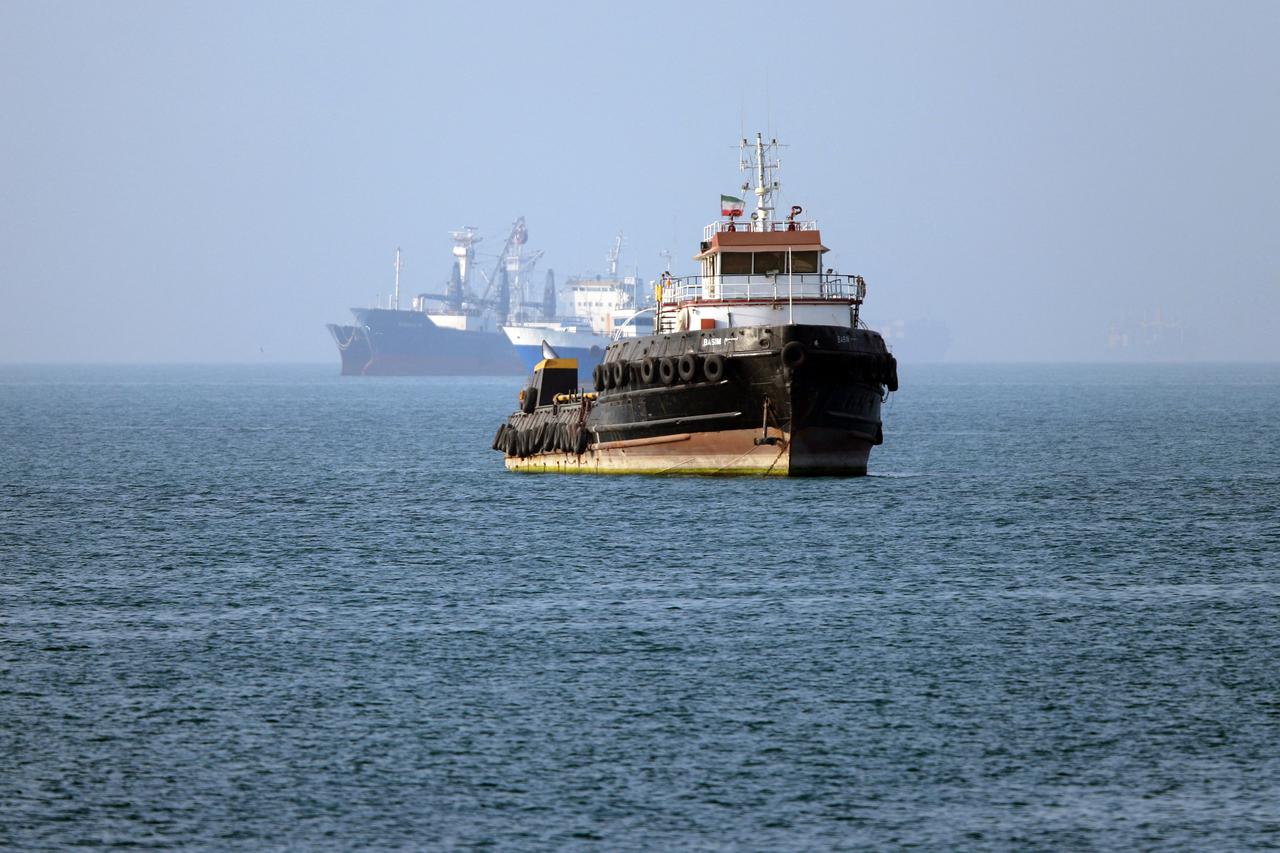
"They don't have a Navy anymore but they bring out these little Boston Whaler fishing boats and they try to swarm you. We are going to blow those boats up if they are coming towards our boats," Rubio noted.
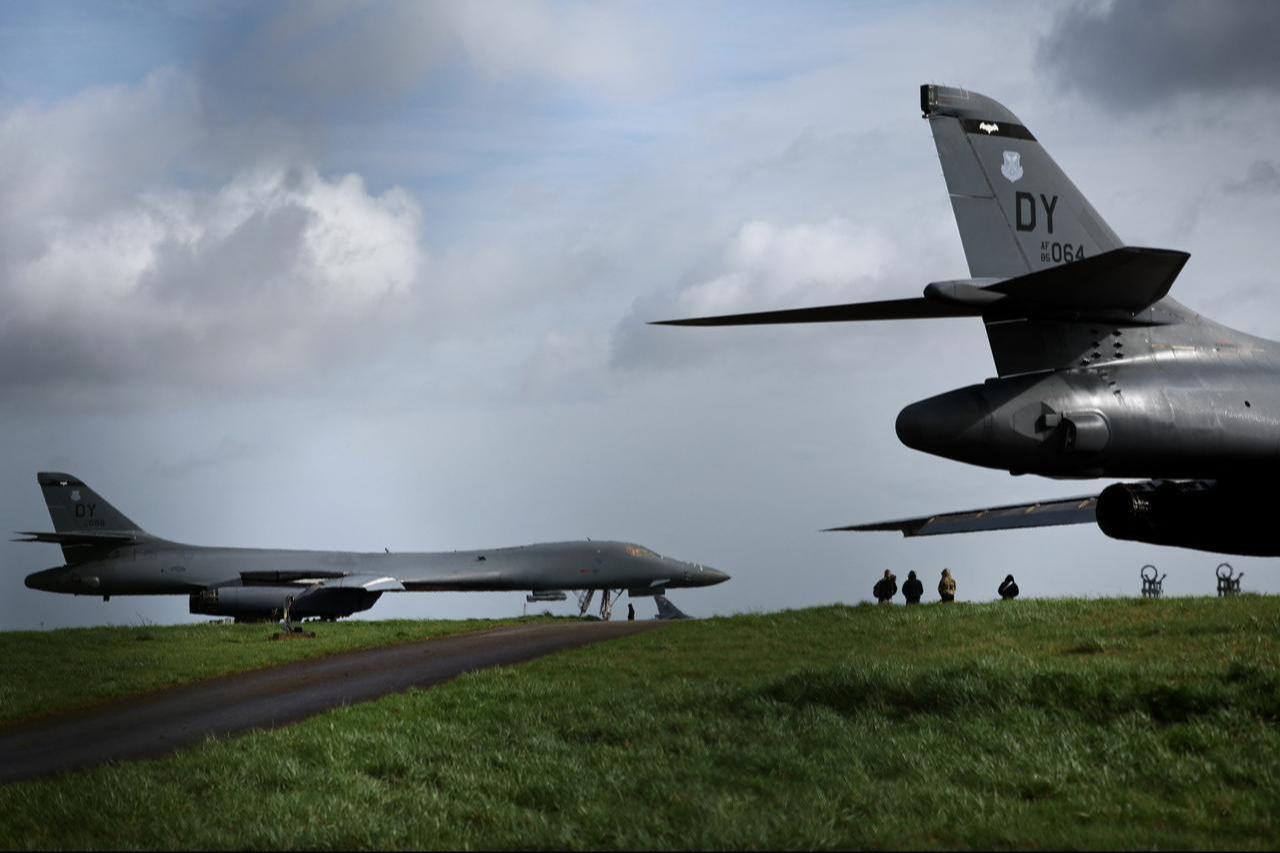
On the question of allies who denied U.S. military use of their bases during Operation Epic Fury and the Project Freedom escort mission, Rubio was pointed: "If one of the main reasons why the U.S. is in NATO is the ability to have forces deployed in Europe that we could project to other contingencies, and now that's no longer the case, at least when it comes to some NATO members, that's a problem, and it has to be examined."
He said Trump "hasn't made those decisions yet" on how to respond. Spain has been the only NATO member to flatly refuse any base access for U.S. offensive operations.
Italy recently refused authorization for some U.S. aircraft headed to the Middle East to land at Sigonella for combat missions, though Italian bases remain available for logistics under bilateral agreements.
The Pentagon has already announced the withdrawal of 5,000 troops from Germany, which Rubio described as "pre-programmed" and a return to 2022 levels, representing 14% of the total U.S. force there.
Trump has threatened to withdraw more troops from Italy and Spain and has described NATO as a "paper tiger." A 2023 law prevents the president from withdrawing the U.S. from NATO without Congressional approval.
Rubio said he had not discussed troop withdrawals from Italy with Meloni in their meeting.
He described himself as "a strong supporter of NATO" but said Spain and others "denied us the use of those bases for a very important contingency" and "created some unnecessary dangers" for U.S. forces carrying out operations against Iran.
On Thursday's exchange of fire between U.S. destroyers and Iranian forces in the Strait of Hormuz, Rubio maintained the U.S. self-defense framing: "What you saw yesterday was U.S. destroyers moving through international waters being fired upon by the Iranians and the U.S. responded defensively to protect itself. We didn't fire, they fired on us."
He said CENTCOM was blocking 70 tankers from entering or leaving Iranian ports, with a combined capacity to carry over 166 million barrels of Iranian oil valued at more than $13 billion.
On Lebanon and Hezbollah, Rubio said the U.S. would not negotiate with Iran over Hezbollah and that Italy could play a role in helping equip the Lebanese government to confront the group.
"Lebanon should be governed by the Lebanese government. It should not have a terrorist group operating within its national territory that poses a threat both to its own people and to the government and to Israel and to its other neighbours," he said.
On Sudan, Rubio said the U.S. was focused on establishing a humanitarian ceasefire and called on countries supporting the warring factions to push them toward a peace deal.


 Set as preferred source
 Set as preferred source


 4 min read