Newsletters


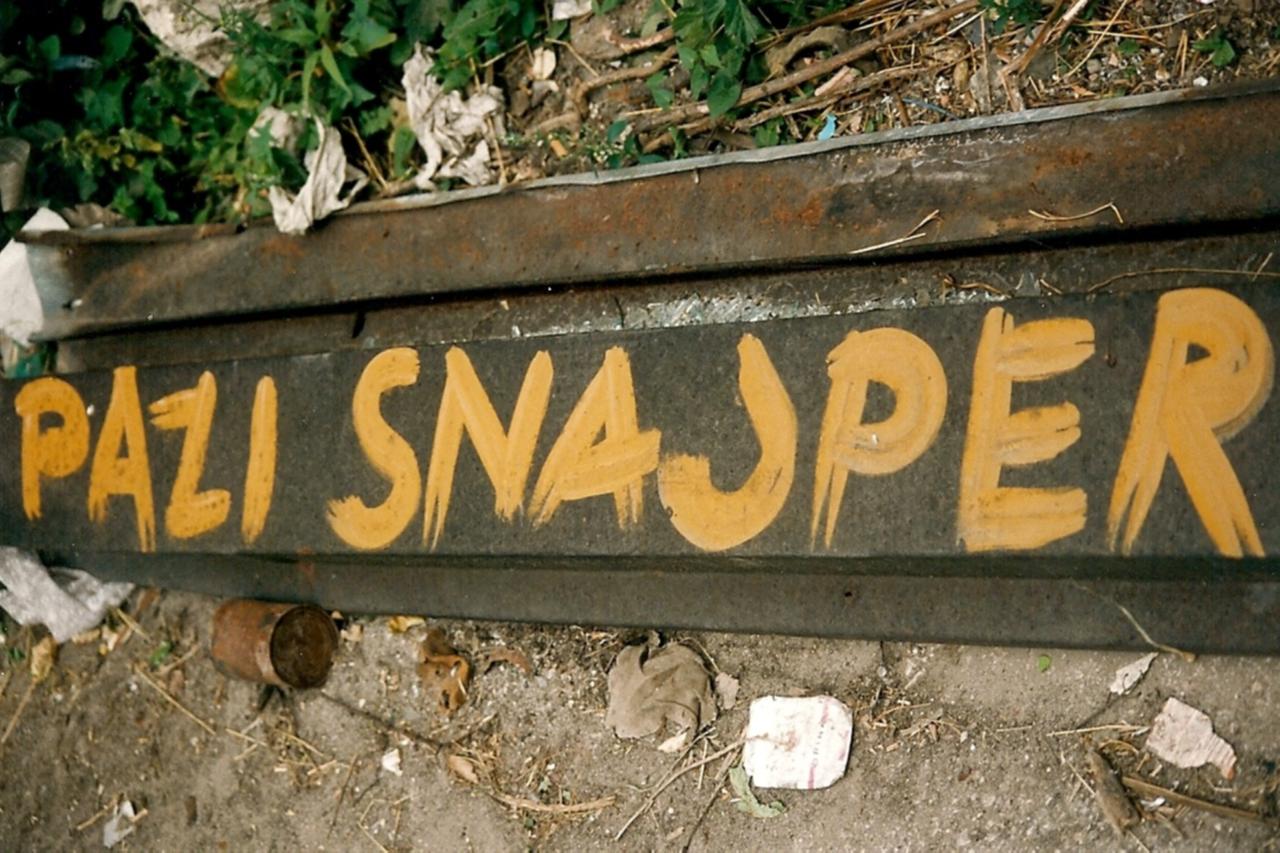


Italian prosecutors in Milan have called one person in for questioning in an investigation into the so-called “weekend snipers” case, which alleges that individuals travelled from Italy and other countries to besieged Sarajevo during the 1992–1995 Bosnia War, paid large sums to Bosnian Serb snipers, and then opened fire on unarmed civilians “for entertainment.”
The Italian news agency ANSA reported that an 80-year-old former truck driver living in Pordenone province, in Italy’s northeast, received a formal notice summoning him to appear for questioning. The questioning is expected to take place on Feb. 9, under the coordination of Milan prosecutor Alessandro Gobbis.
According to ANSA, the man is being investigated on suspicion of aggravated and repeated voluntary manslaughter. Prosecutors allege that, together with “other persons currently unknown,” he carried out “the same criminal plan” between 1992 and 1995 by firing sniper rifles from hills around Sarajevo, causing the deaths of unarmed civilians, including women, elderly people, and children.
Separate press reports also said the suspect had allegedly boasted to others about going on what was described as a “human hunt” in Sarajevo in the 1990s.
The Milan Prosecutor’s Office opened the investigation in November 2025, after Italian journalist and author Ezio Gavazzeni filed a complaint with prosecutors in February 2025.
Gavazzeni submitted documents and information he said he had gathered about the Siege of Sarajevo and the alleged participation of foreign visitors described as “weekend snipers.”
In the reporting, “weekend snipers” refers to people alleged to have joined Bosnian Serb snipers during the siege after travelling on short trips, including weekend tours, to take part in shootings.
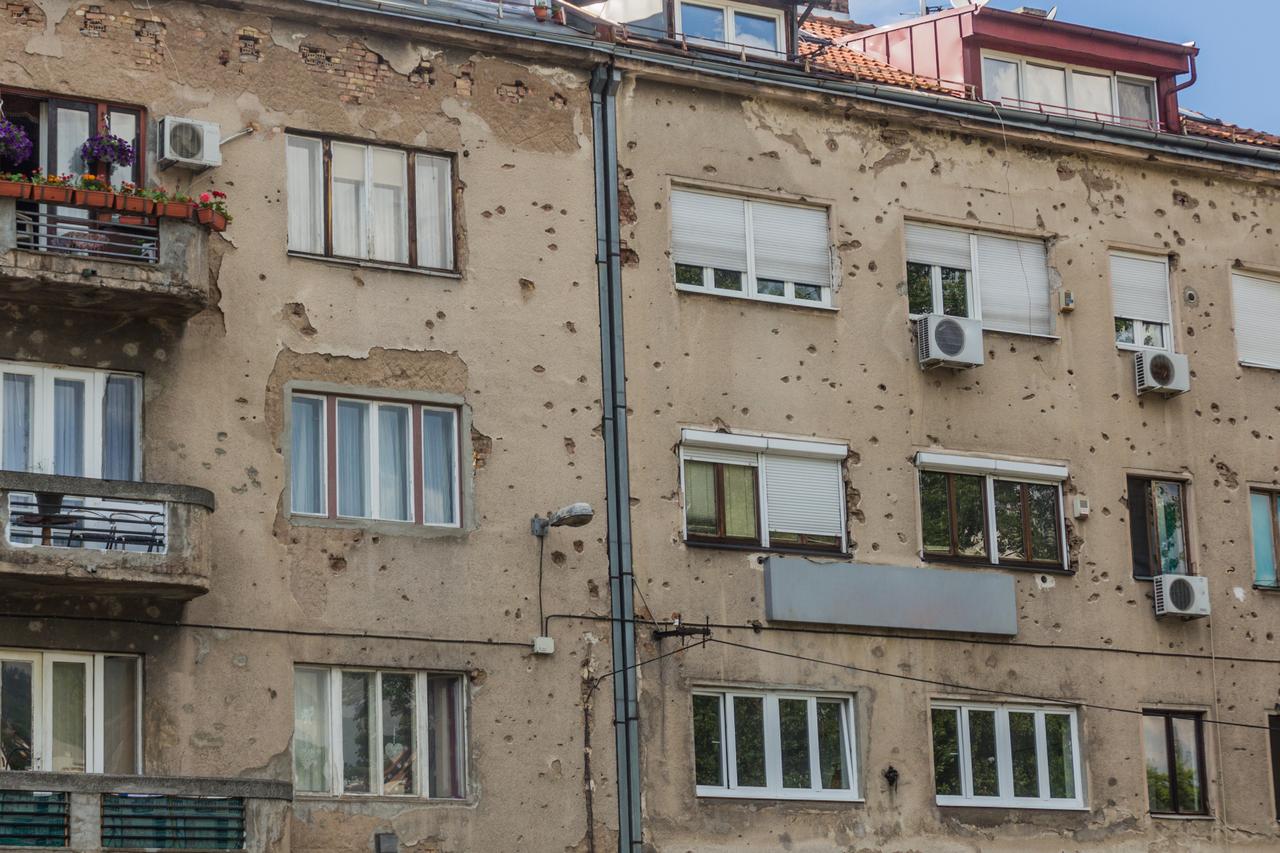
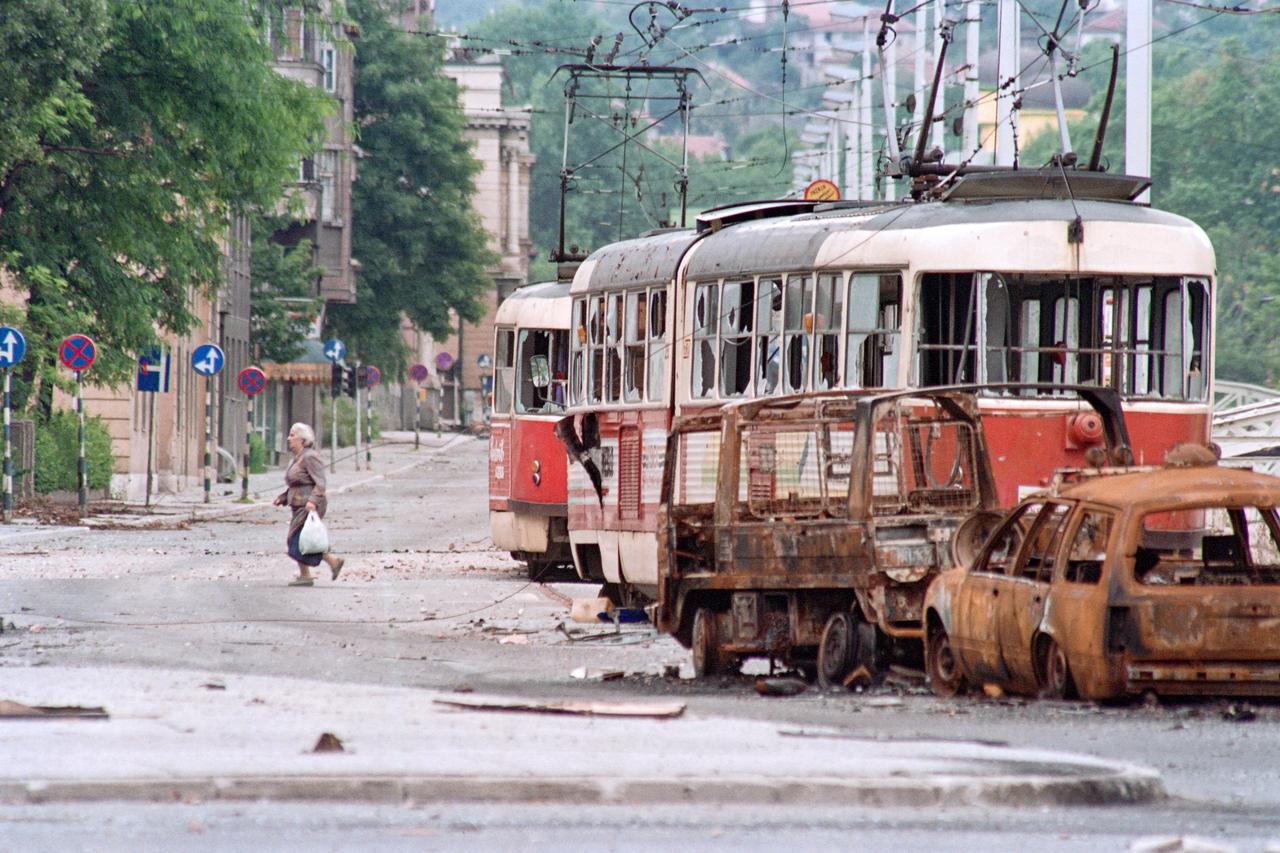
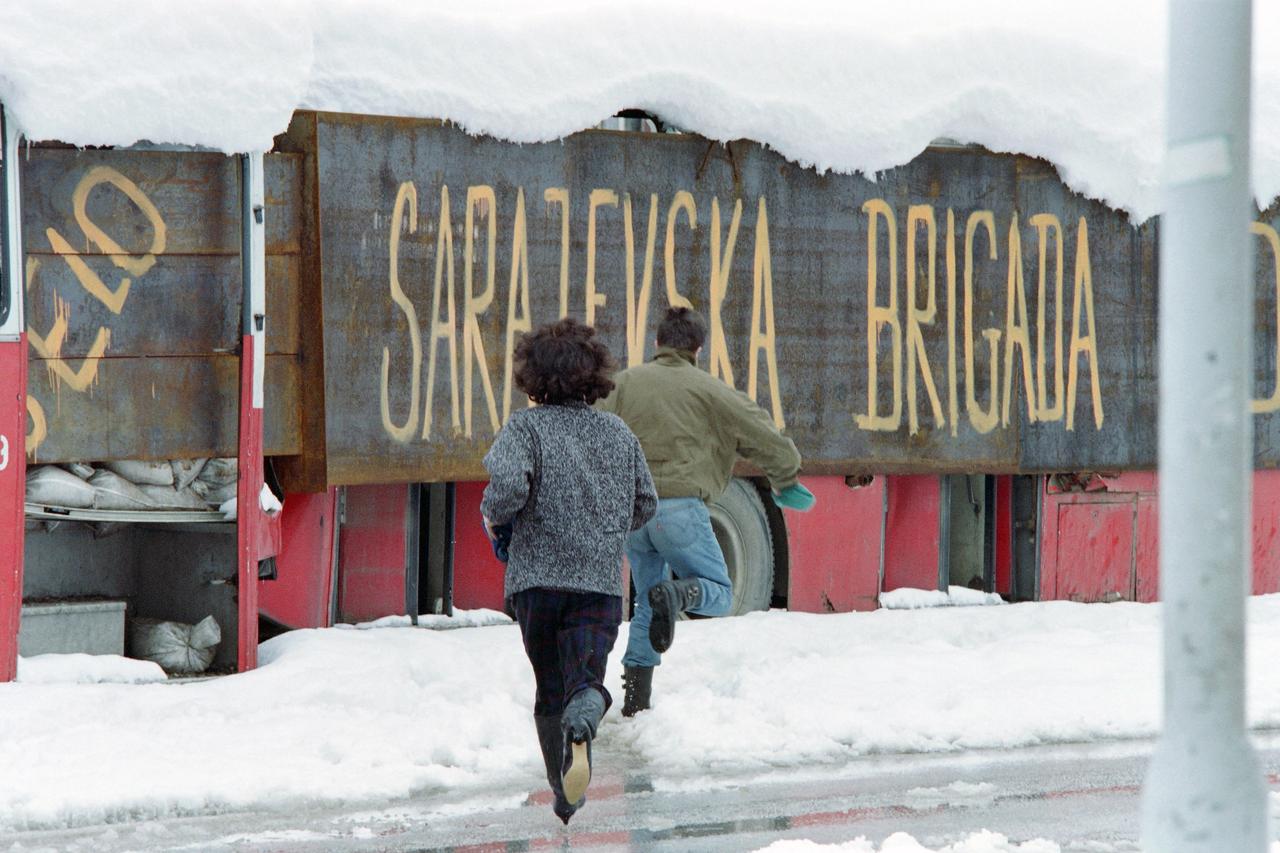
Sarajevo, the capital of Bosnia and Herzegovina, came under attack on April 6, 1992, and was besieged by Bosnian Serb forces for around three and a half years. During the siege, the city was shelled daily, and civilians were repeatedly targeted. The account cited in the report said 11,541 civilians were killed, including 1,601 children, while historic and cultural sites and key infrastructure suffered extensive damage.


 Set as preferred source
 Set as preferred source


 1 min read
 1 min read