Newsletters


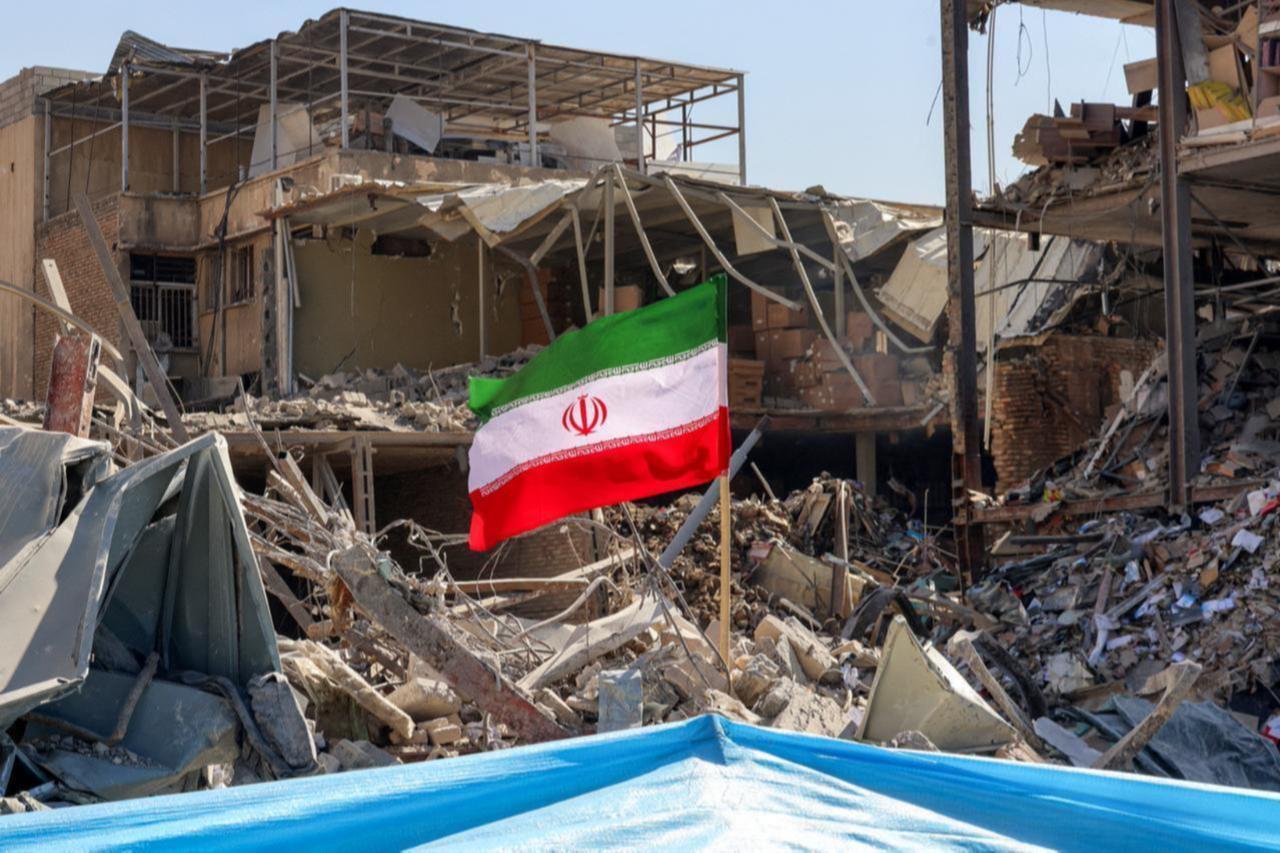


Some of the Western commentary surrounding the latest strikes on Iran carries an oddly familiar ring.
Read enough headlines and opinion columns and, after a moment’s pause, the scene almost begins to flicker to life through the sepia tones of an old imperial newsreel: distant deserts, fallen tyrants, and the comforting belief that the West has once again arrived to deliver civilization.
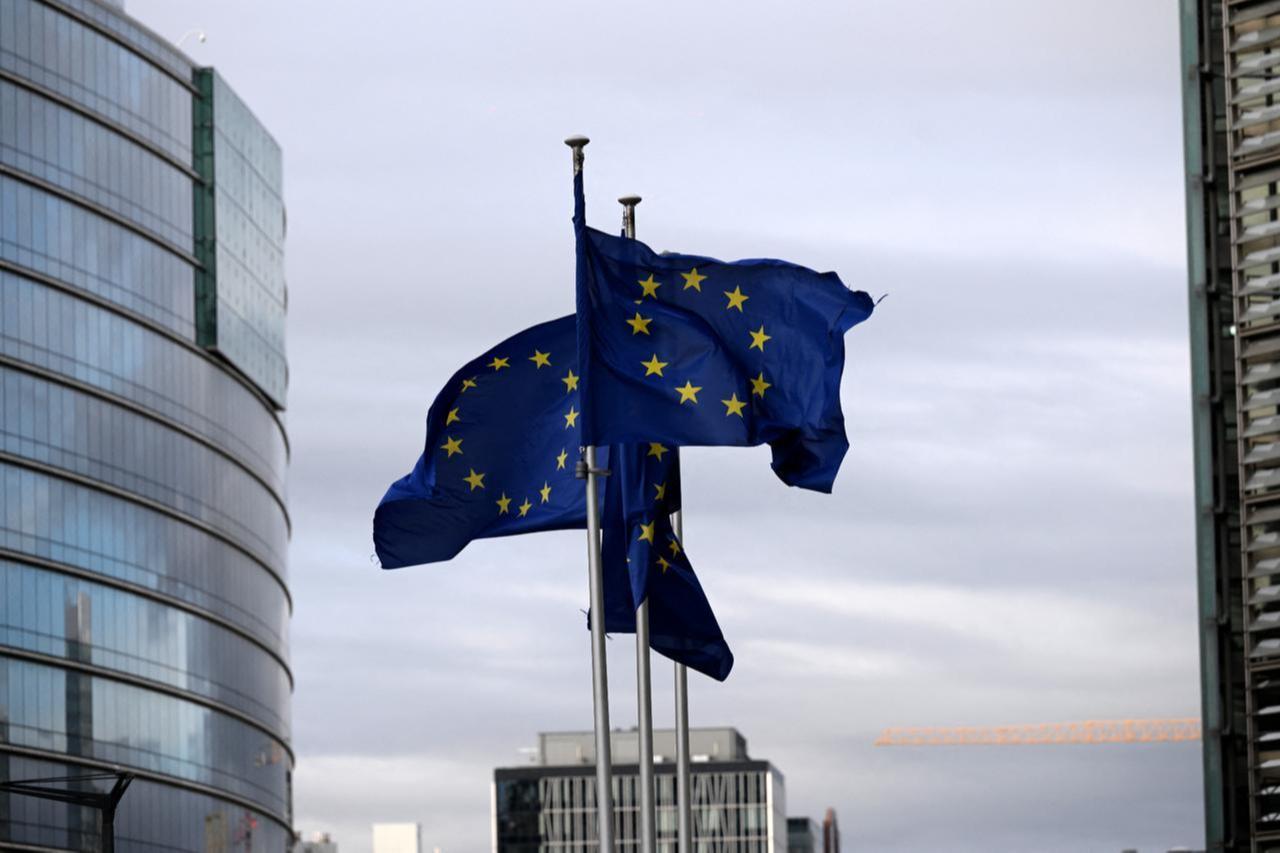
When Bret Stephens wrote in the New York Times that Donald Trump and Benjamin Netanyahu had done the “free world a courageous and historic favor,” he reached for a phrase that belongs to another geopolitical era.
During the Cold War, the “free world” served as shorthand for a moral geography that divided global politics into two camps: civilization and tyranny. It transformed geopolitical struggle into a civilizational mission.
The phrase is striking not simply because it has resurfaced, but because of where it appears. It does not originate in the administration’s own rhetoric.
The language used by the White House and by Trump himself is far more blunt. The president has not framed the campaign against Iran primarily as a democratic crusade or a humanitarian rescue. Instead, his statements emphasize punishment, deterrence, and the elimination of a threat.
Yet in parts of the Western media ecosystem, the old narrative returns almost immediately. Military action becomes a service performed on behalf of civilization, and the fall of a ruler becomes a moral victory for humanity.
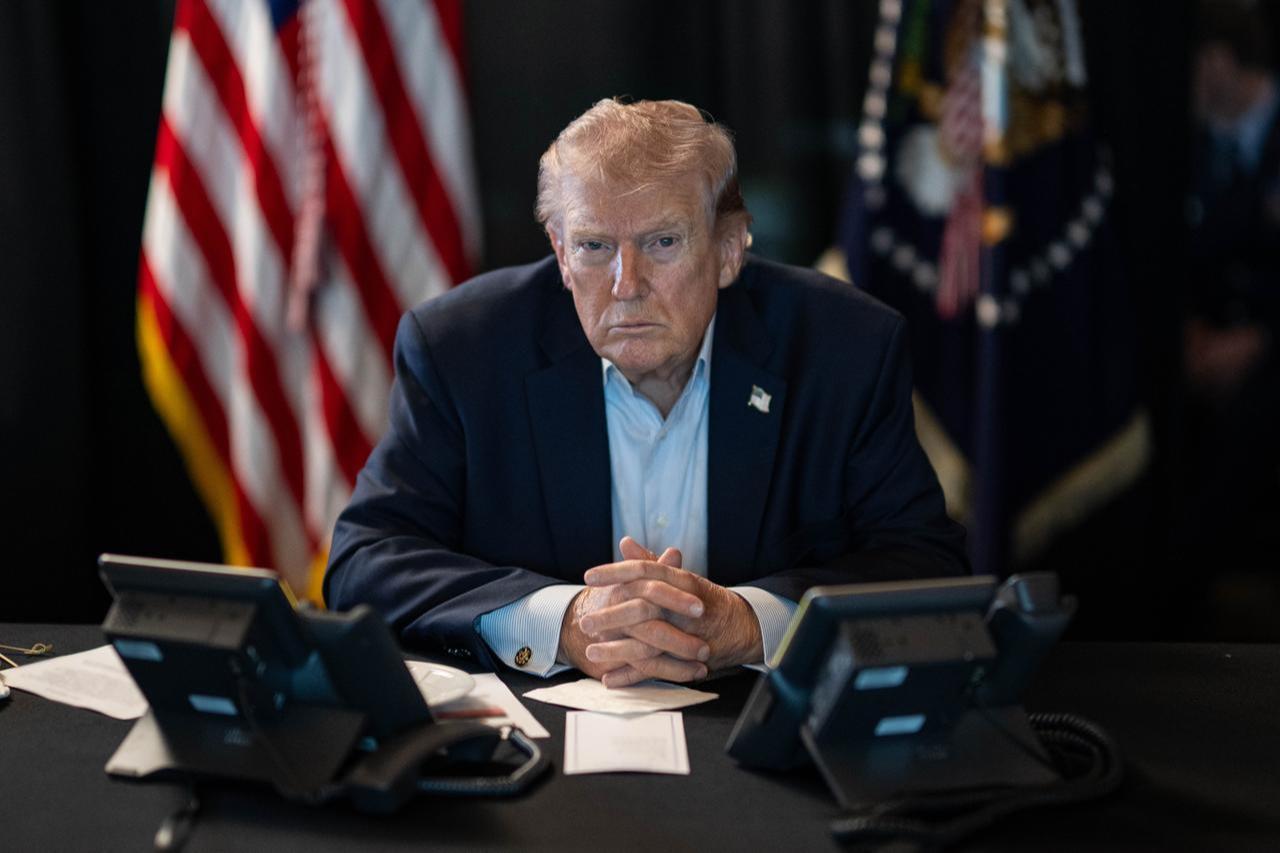

Trump’s rhetoric often strips the moment of moral ornament.
In a Feb. 28 statement, he delivered a blunt ultimatum to members of Iran’s security forces: “Lay down your weapons and have complete immunity. Or… face certain death.”
The structure of the message leaves little room for interpretation. There are two options: submission or destruction. It is the grammar of sovereign power, built from threat, deterrence, and conditional mercy rather than from promises of liberation.
The same tone appears in his address to the Iranian public. “When we are finished, take over your government,” he said. “It will be yours to take.” The formulation is striking because of the assumption it carries: that the United States can remove a regime and simply hand the country back to its people.
In a strange way, the bluntness of this formulation exposes something that the language of “humanitarian intervention” often obscures. The central concern is the removal of a threat, not the protection of civilians or the reconstruction of a society.
History offers little evidence that political upheavals triggered by foreign intervention unfold so neatly. The destruction of a regime rarely produces an orderly political reset, even when outside powers suggest that the path forward belongs entirely to the society itself.
Nonetheless, after Iranian Supreme Leader Ali Khamenei’s death, Trump’s language did acquire a clearer moral tone.
He described Iran’s supreme leader as “one of the most evil people in history” and declared the killing “justice.” “This is not only Justice for the people of Iran,” he wrote, “but for all Great Americans, and those people from many Countries throughout the World, that have been killed or mutilated by Khamenei and his gang of bloodthirsty THUGS.”
The framing reads less like a promise of liberation than a justification of the act itself. The tyrant is condemned and punished, while the killing is presented as retribution for past violence.
Yet once the story moves from official statements into the wider media ecosystem, the narrative begins to evolve.
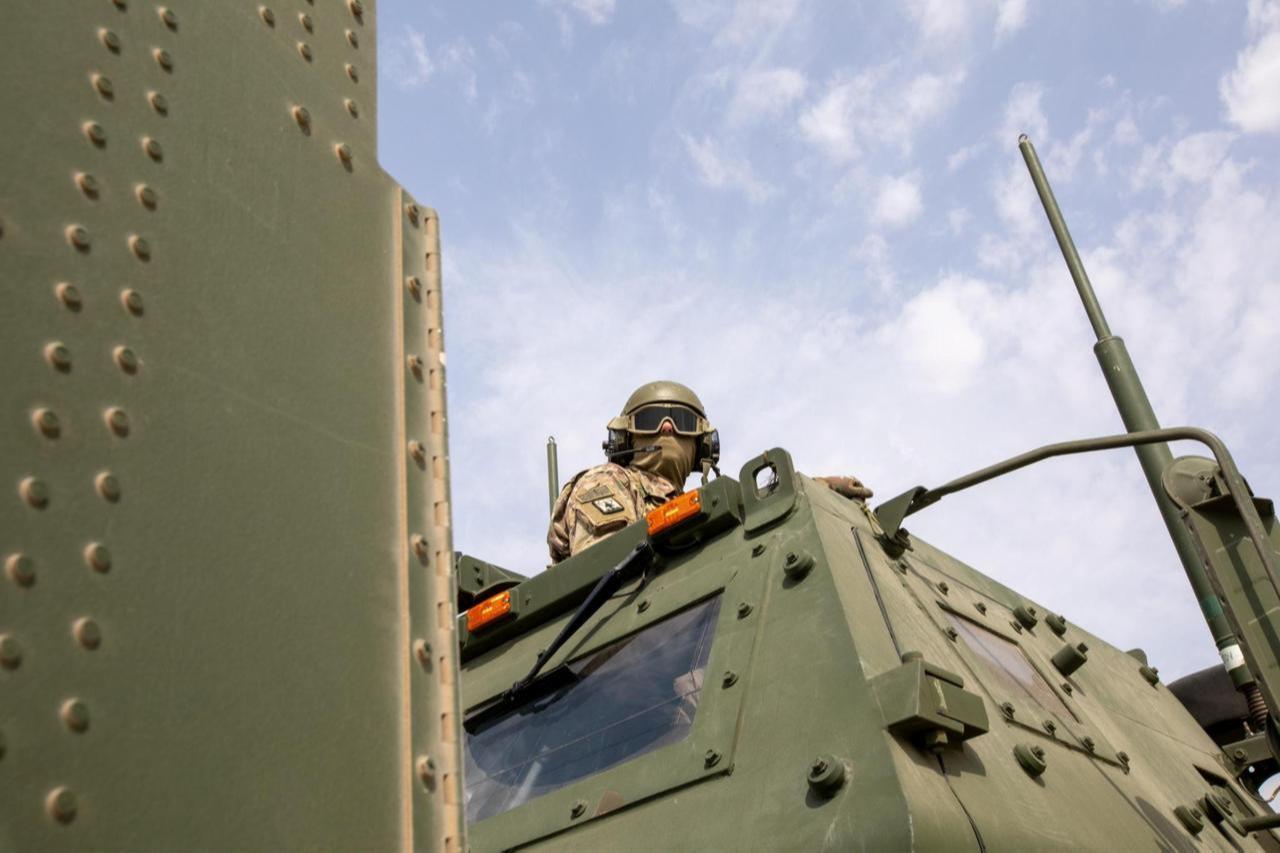
News reporting in the immediate aftermath of the strikes captured a far more complicated reality than the tidy moral story that would later emerge in commentary.
Early accounts described a country suspended between fear, uncertainty, and relief.
A report in The Wall Street Journal described panicked residents of Tehran rushing to grocery stores to stockpile food and water as explosions echoed across the city. Schools closed, workers hurried home, gas stations filled with long lines, and highways out of the capital quickly became gridlocked.
The same reporting also documented moments of celebration following the reported killing of Khamenei. A man in the city of Karaj told the newspaper that people were cheering and whistling. “Everyone is joyful,” he said. “It is one of the best days of probably 95 percent of Iranians’ lives.”
Following that, the article situates the strikes within a broader narrative of political tension. It notes that the attack had been anticipated for weeks, following mass protests and growing discontent with Iran’s leadership.
The way the sequence unfolds is revealing. Scenes of panic are quickly followed by voices celebrating the fall of a dictator, before the story expands into a reminder of the regime’s unpopularity and the protests that preceded the attack.
The result is not an explicit defense of intervention, but a narrative progression that makes the strikes appear historically intelligible, even inevitable. Fear and destruction remain present, yet they coexist with a storyline of political opportunity, allowing readers to interpret the same moment simultaneously as catastrophe and as the possible beginning of change.
Even when journalists present multiple voices, certain moments travel further than others. The fall of a ruler, the cheering crowd, and the suggestion of liberation quickly become narrative anchors through which a complex event can be interpreted.
This is the moment when reporting begins to shade into narrative. What begins as a collection of conflicting reactions gradually forms a story about historical turning points and political openings.
Once those images begin to circulate, they provide the emotional material that commentators can draw upon to frame military action in broader moral terms.
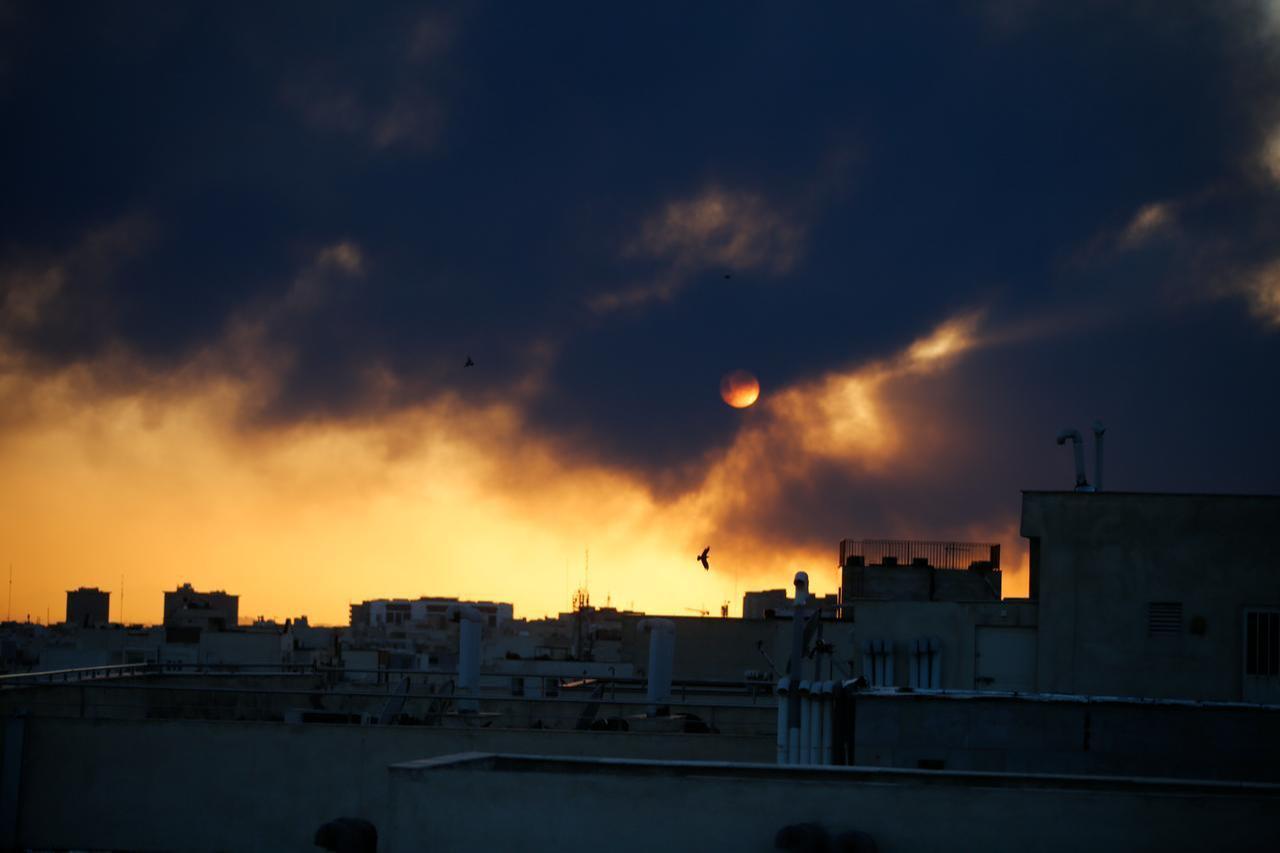
Not all commentators accept this interpretation.
Writing in Middle East Monitor, journalist Nabila Ramdani criticized attempts to portray the strikes as a victory “for civilization,” arguing that such language echoes earlier justifications for regime change.
The removal of leaders widely condemned in the West, she noted, has rarely produced the swift liberation promised in political rhetoric. The overthrow of Saddam Hussein in Iraq and the killing of Muammar Gaddafi in Libya were both greeted in similar terms, yet the years that followed were marked by instability, militia violence, and prolonged conflict.
This point brings us to a broader debate about the language through which Western powers explain their actions abroad.
As the literary scholar Edward Said argued in "Orientalism," political discourse about the Middle East has long been shaped by a moral geography that casts the West as the bearer of order and civilization, while the region itself appears as a space defined by despotism, violence, and perpetual crisis.
Within that framework, military intervention can easily be interpreted not simply as a strategy but as a corrective act carried out on behalf of a wider world.
This does not require explicit propaganda since the necessary narrative can emerge gradually through the interaction of reporting, commentary, and historical memory. Images of fear coexist with scenes of celebration. The fall of a ruler becomes evidence of liberation.
A complex war begins to resemble a familiar story in which the removal of tyranny promises the arrival of freedom.
Yet history rarely unfolds according to such scripts. Societies do not reset overnight, and the collapse of political authority often produces instability rather than renewal. The belief that the destruction of a regime will automatically open the path to democracy has appeared repeatedly in modern conflicts, even when the aftermath proves far more uncertain.
The question, then, is not simply whether the fall of a ruler benefits the “free world.” It is how quickly acts of power are absorbed into a narrative of moral purpose. When that language returns, it revives an older habit of imagining geopolitical violence as a service performed in the name of civilisation.
And historically, it has rarely ended well for the countries on the receiving end.


 Set as preferred source
 Set as preferred source


 1 min read