Newsletters


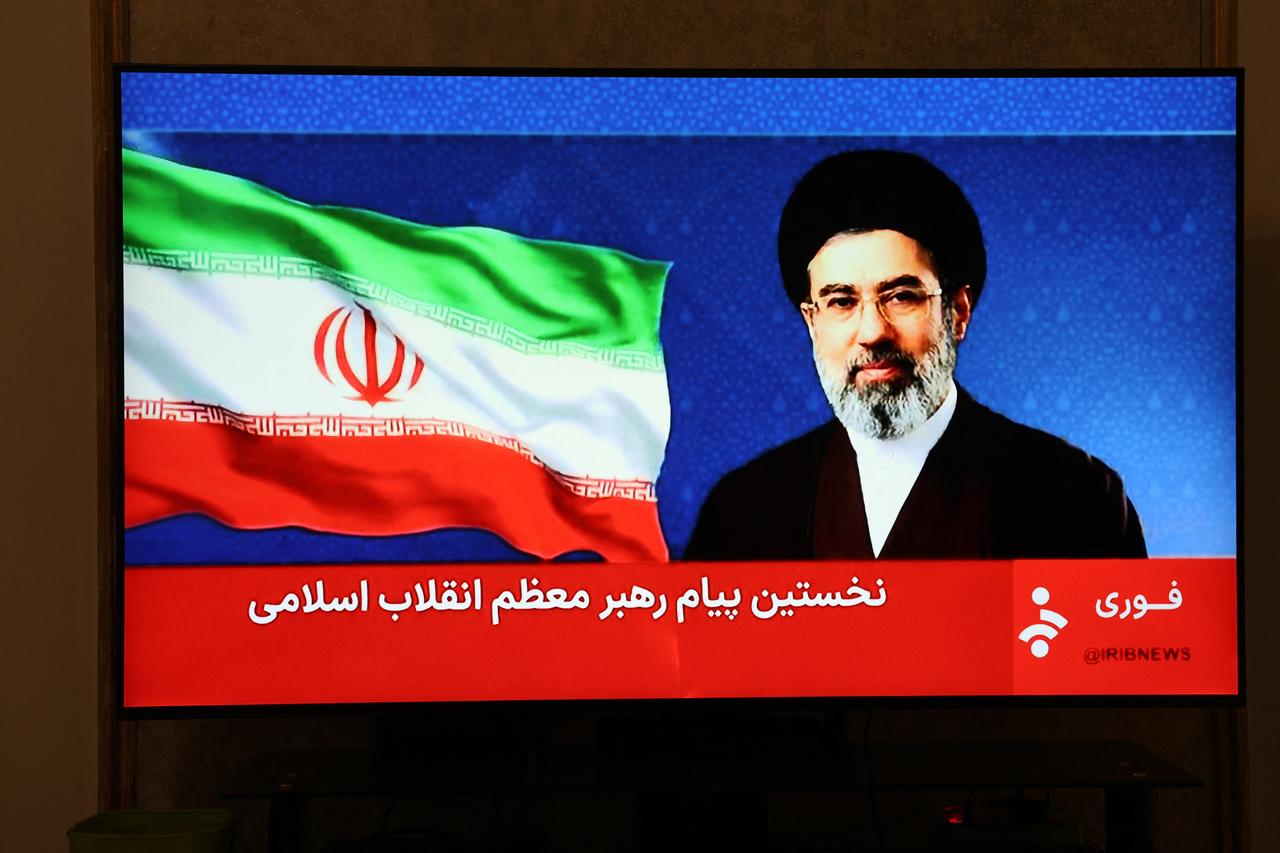


Four days after assuming the position of Iran’s supreme leader, Mojtaba Khamenei delivered his first public message outlining his political outlook, ideological framework, and approach to the ongoing conflict involving Iran and its adversaries.
The statement did not come through a televised appearance or recorded speech. Instead, a lengthy written message attributed to the new leader was read aloud on Iranian state television and later distributed through a newly created Telegram channel operated by his office.
Iranian officials have suggested the decision to avoid a public appearance was partly due to security concerns, as appearing on video could reveal the location of the new leader at a time when the country is under sustained military pressure. Some reports have also indicated that he may have been injured during the first wave of U.S.-Israeli strikes that began the current conflict.
Drawing heavily on religious references, revolutionary language and geopolitical messaging, the statement appeared to seek both to consolidate domestic legitimacy and signal strategic intent abroad.
At the same time, analysts noted that the message's tone was more direct than statements his father often issued. The new leader moved quickly into operational and strategic messaging, suggesting a more blunt wartime style of communication.
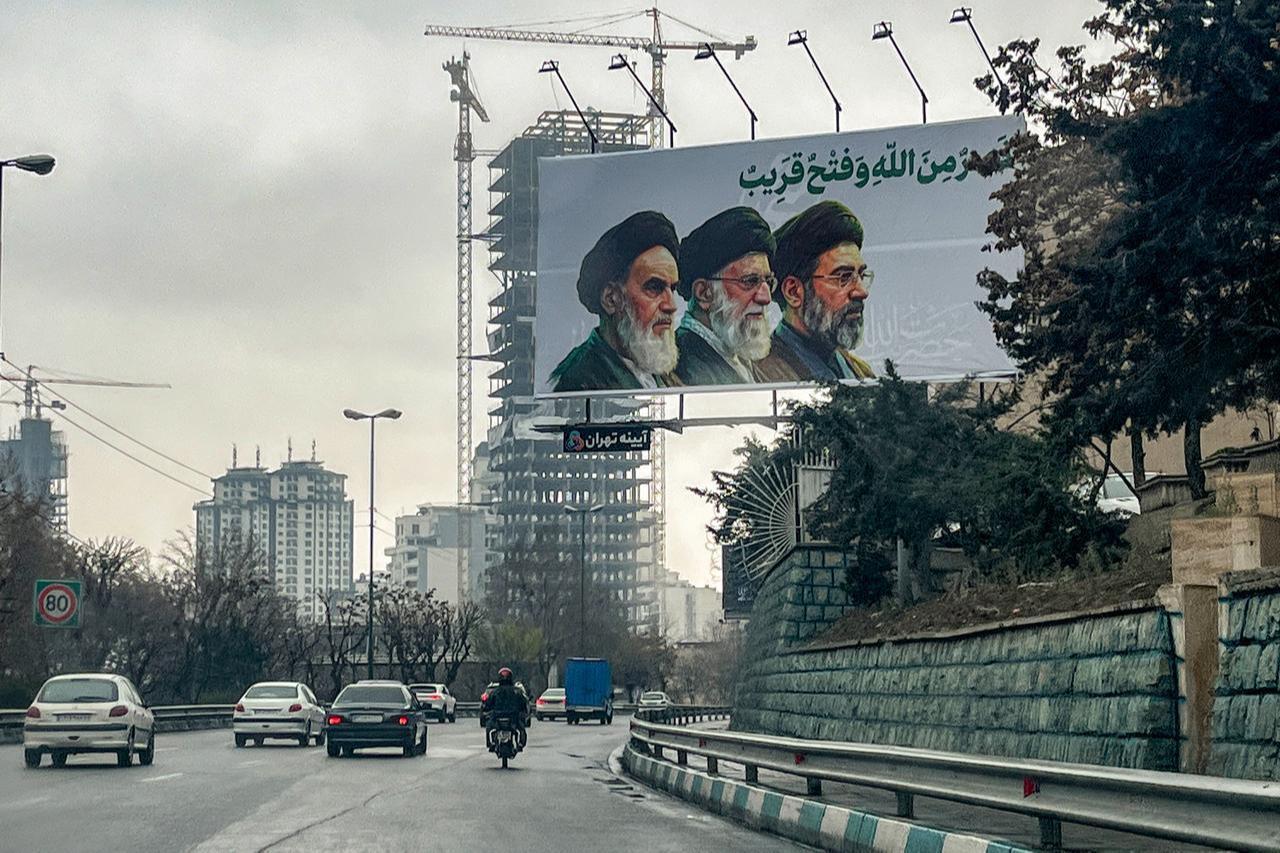

The opening of the message relies heavily on religious symbolism and Shiite theological language. It begins with a reference to Islam’s holy book, the Quran, specifically a verse from Surah Al-Baqarah, which is frequently invoked to emphasize divine wisdom and the idea that God replaces what is lost with something better.
By starting the message in this way, the leadership transition is framed not as a political loss or tragedy but as part of a broader divine plan. The death of the previous supreme leader is therefore presented not as the result of a failure or a successful assassination by foreign adversaries, but as a development within a predetermined religious order.
This framing portrays continuity, suggesting that divine authority guides the system and ensures the survival of the revolutionary project, closely tied to clerical legitimacy.
At the same time, the message suggests that future leaders must be prepared to follow the same path if necessary. The emphasis on sacrifice signals that leadership within the revolutionary system is expected to carry the possibility of personal risk and ultimate dedication to the state’s ideological mission.
Alongside the strong ideological language, the message also adopts a noticeable tone of humility. The new leader repeatedly emphasizes that he does not see himself as equal to either the founding leader of the Islamic Republic or his immediate predecessor.
This rhetorical strategy serves a practical political purpose. The leadership transition has inevitably generated debate about the legitimacy of the appointment, particularly because the new leader is the son of the previous supreme leader.
By openly acknowledging the stature of earlier figures and presenting himself as less capable than his predecessors, the statement seeks to deflect criticism and soften accusations of dynastic succession while building credibility.
At the same time, the speech frequently returns to themes of unity and collective resilience. The message calls on the Iranian public to remain steadfast during the conflict and frames the war as a test of national endurance.
Beyond domestic messaging, the statement also contains clear references to Iran’s regional strategy.
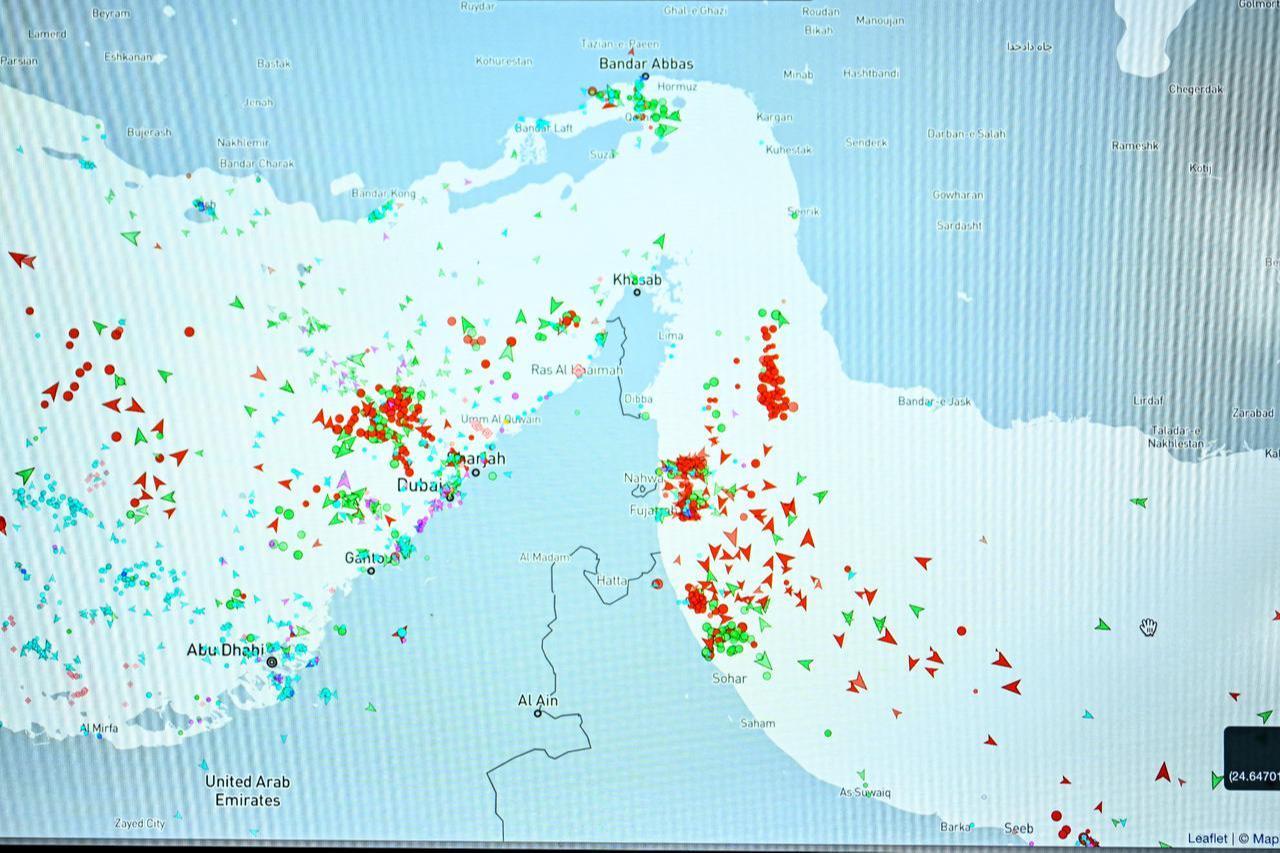
One of the most explicit geopolitical messages concerns the Strait of Hormuz, the narrow maritime corridor through which a significant portion of the world’s oil and gas supply passes.
Khamenei stated that the “lever” of closing the Strait of Hormuz must remain in use, signaling that Tehran views control over the waterway as an active strategic tool rather than a symbolic threat.
The message also hinted at the possibility of expanding the conflict geographically, noting the potential to “opening other fronts in areas where the enemy has little experience and would be highly vulnerable.”
Taken together, these remarks suggest that Iranian leaders view pressure on global energy routes and the possibility of widening the battlefield as key elements of their wartime strategy.
The statement also includes warnings aimed at neighboring countries that host American military bases.
The new leader urged regional governments to shut down U.S. military facilities operating on their soil, arguing that they should close those bases as soon as possible because continued cooperation with Washington exposes them to retaliation.
The warning carries particular weight in the Gulf region, where several states host large U.S. military installations. Iranian missile and drone strikes in recent days have already targeted bases and infrastructure linked to American operations across the region.
A final theme running through the message is the promise of retaliation for those killed during the conflict. The language of revenge is closely connected to the broader Shiite tradition of honoring martyrs and seeking justice for their deaths.
The statement specifically referenced an airstrike on a girls’ elementary school in the southern Iranian city of Minab, which Iranian officials say killed at least 175 people, most of them children.
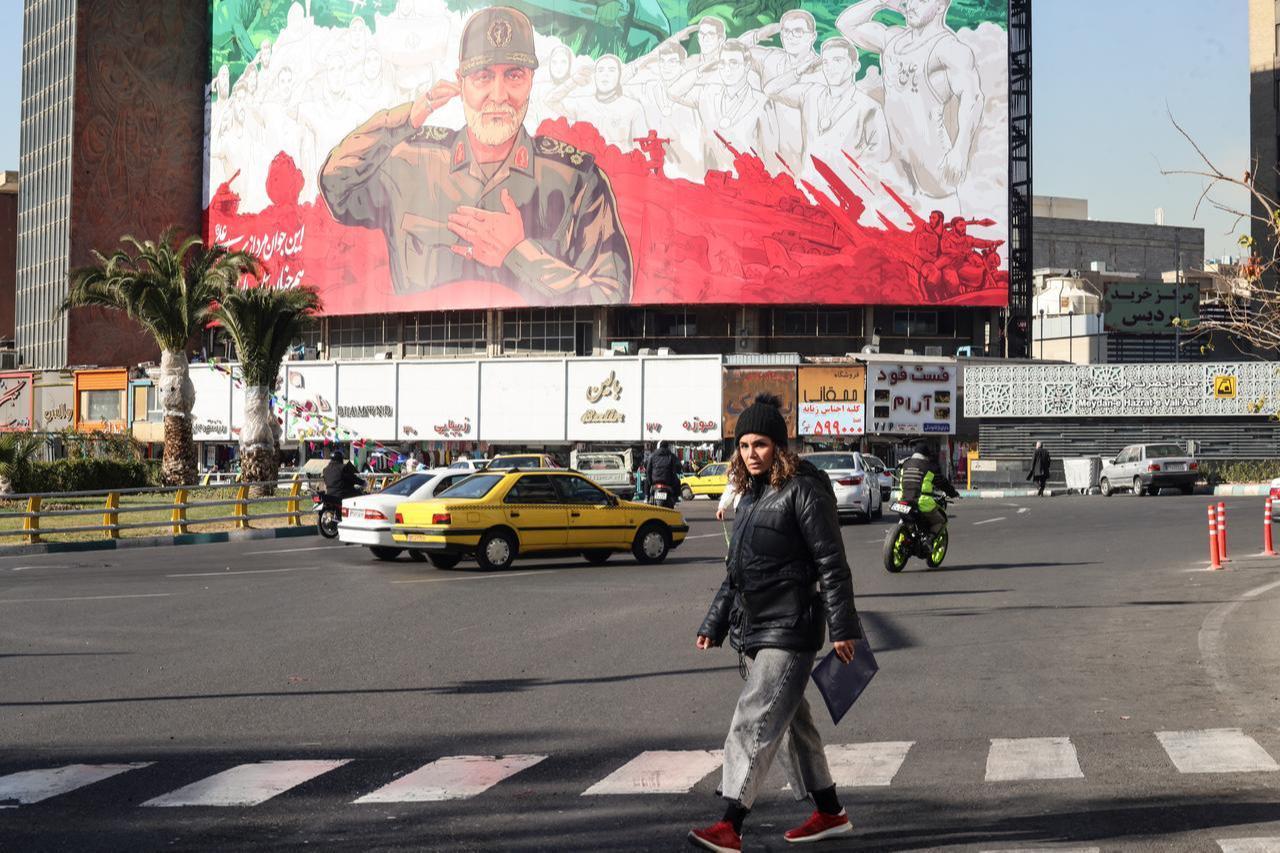
Iran’s previous responses to high-profile killings illustrate how symbolic considerations often shape these actions. When the senior commander Qassem Soleimani was killed in 2020, Iran responded by striking a U.S. military base in Iraq after warning in advance through diplomatic channels.
The current references to unresolved “revenge files” suggest that a similar dynamic could unfold again. The eventual targets could range from military facilities to senior officials or strategic infrastructure connected to Iran’s adversaries.


 Set as preferred source
 Set as preferred source


 1 min read

 1 min read