Newsletters


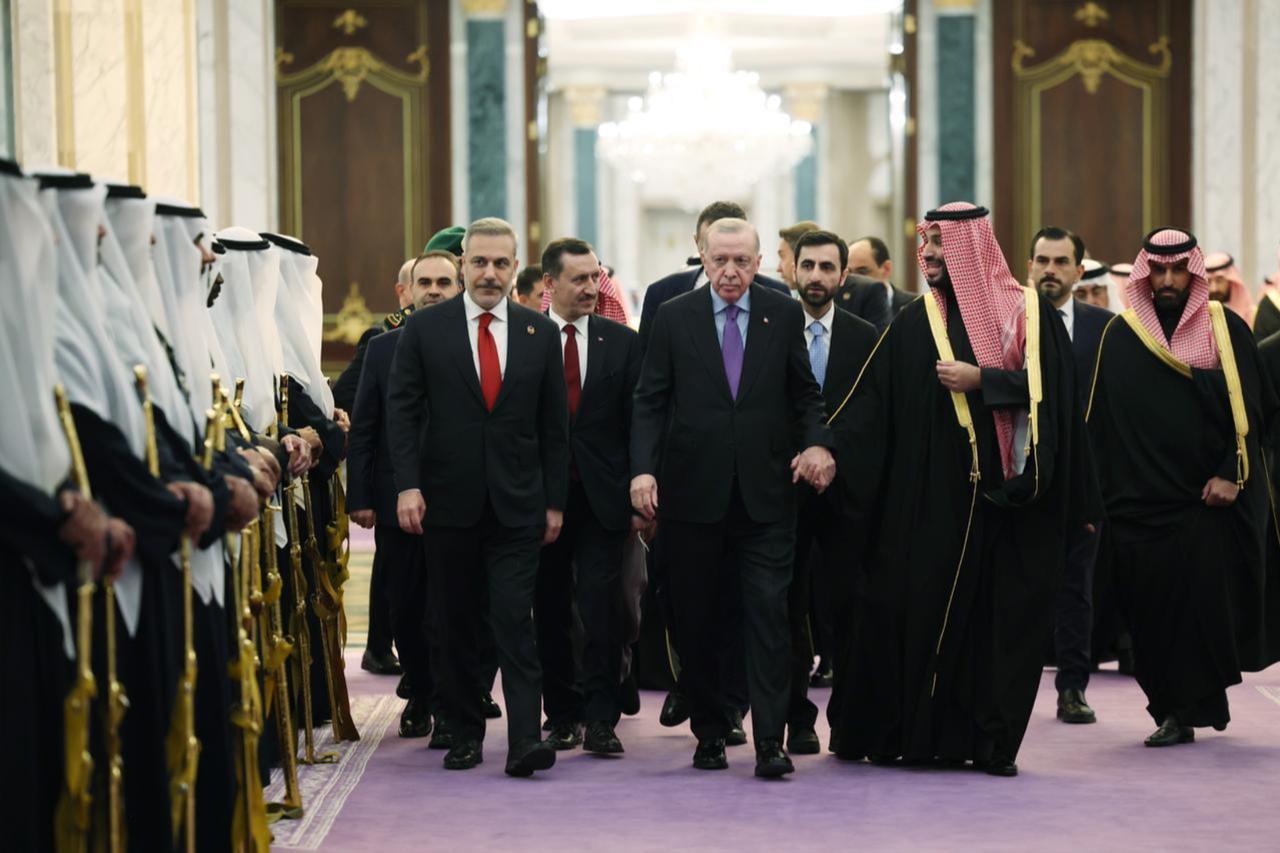


President Recep Tayyip Erdogan arrived in Saudi Arabia on Tuesday amid heightened regional instability and a complex realignment of Middle Eastern powers.
The visit comes as several disparate crises converge to test the region’s security architecture.
In Washington, escalating rhetoric suggesting a potential military confrontation with Iran has put neighbors on alert. At the same time, the protracted civil war in Sudan and Israel’s recent recognition of Somaliland have introduced new layers of diplomatic friction.
Closer to home, the long-standing tension over Syria’s territorial integrity remains a primary concern for both Ankara and Riyadh.
The diplomatic mission also follows a more assertive resurgence of competition between Saudi Arabia and the United Arab Emirates, which are increasingly at odds over regional influence and economic strategy.
Diplomatic observers suggest the meeting signals a shift in Turkish-Saudi relations from simple bilateralism toward a more formal, institutionalized partnership.
Driven by a mutual need to manage shared risks, the two nations appear to be seeking a "stability-oriented" cooperation model intended to serve as a buffer against the region’s widening volatility.
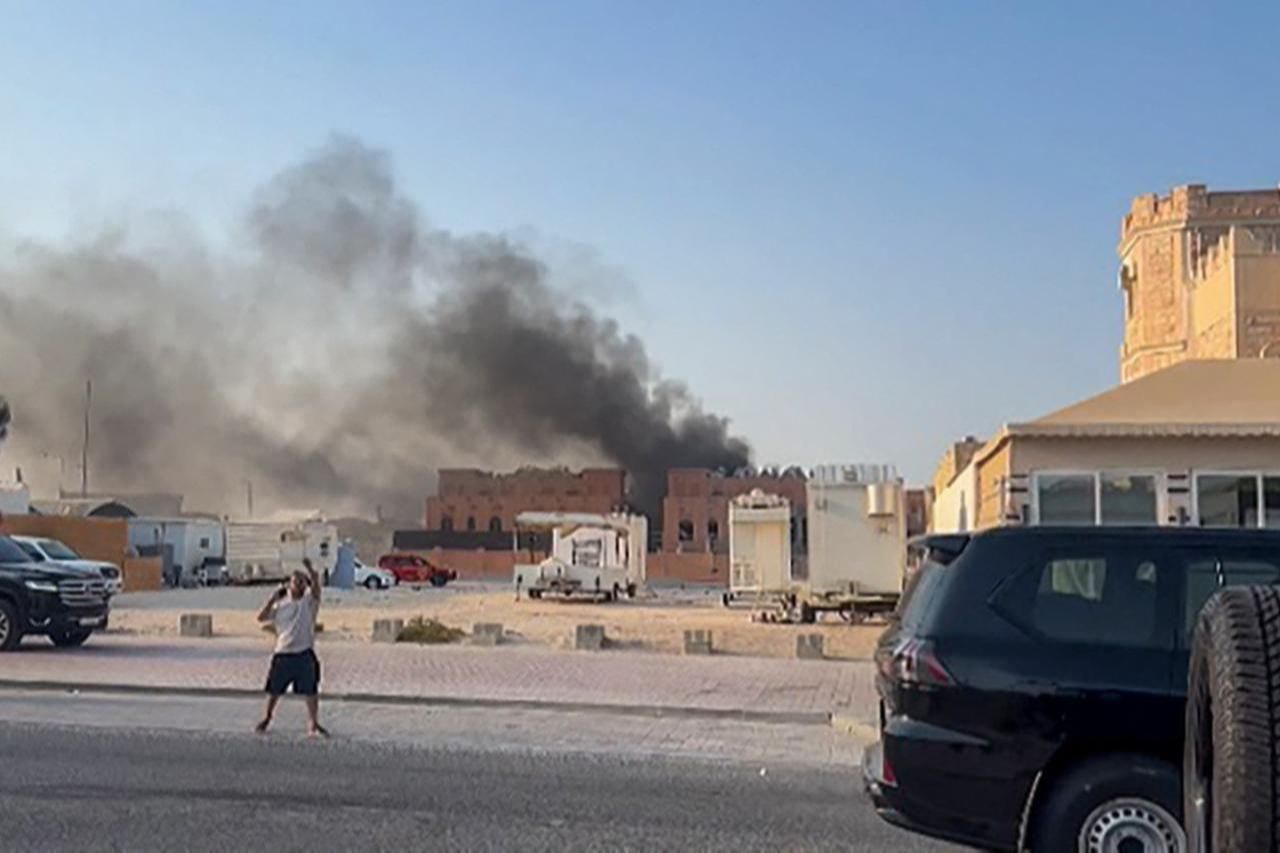

The collapse of momentum behind the Abraham Accords has served as a primary catalyst for this regional recalibration. While the 2020 agreements once promised to reshape the Middle East through an anti-Iran bloc centered on Israel, the prolonged conflict in Gaza has fundamentally altered the risk assessment in Gulf capitals.
Riyadh has notably distanced itself from potential normalization with Israel, choosing instead to diversify its relations and strengthen ties with Islamabad and Ankara as a more viable path to stability.
The hardening of the Saudi stance is rooted in a reassessment of regional threats. Increasingly, the Kingdom views Israel’s immunity and the resulting regional volatility as a greater risk to itself and its vision than the traditional Iranian threat.
Tehran’s reduced operational capacity through proxy forces, combined with Israel’s direct strike on Doha in September, has triggered a significant shift in Gulf threat assessments.
This has led to a dramatic shift in rhetoric, with Saudi officials explicitly linking regional peace to the establishment of a Palestinian state and utilizing international legal forums like the International Court of Justice to advocate for global law.
By rejecting the "binary choice" model offered by previous diplomatic initiatives, Riyadh is fostering a "chassis of regional stability" that seeks to manage differences through direct engagement and security pacts, effectively ending the era of maximum pressure in favor of a new regional architecture.
Türkiye–Saudi relations, strained after 2018, have undergone a gradual but steady recovery over the past two years. High-level political dialogue, the return of economic engagement, and expanding defense contacts have laid the groundwork for a more strategic relationship.
Erdogan’s arrival in Riyadh, his first in more than two years, signals that normalization has moved beyond symbolism. The two countries are now on the same page on the issues of Somalia, Sudan, Yemen, and Syria.
For Riyadh, cooperation with Türkiye is increasingly framed as complementary rather than competitive, particularly in managing shared security challenges.
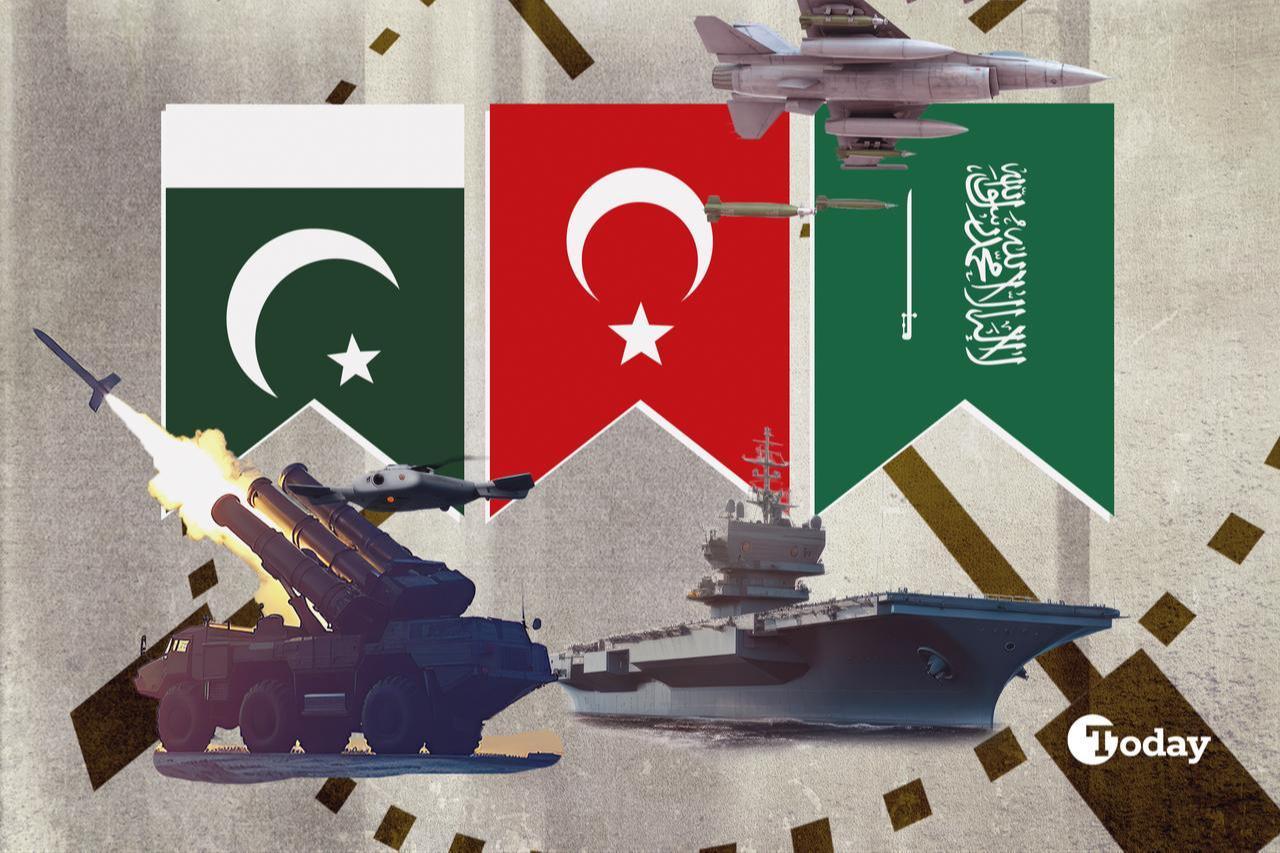
The most closely watched item on the agenda is the potential trilateral defense arrangement involving Türkiye, Saudi Arabia and Pakistan. Building on the strategic framework agreement signed between Riyadh and Islamabad in September, Ankara’s possible inclusion points to the emergence of a new regional security architecture.
Statements by Turkish Foreign Minister Hakan Fidan emphasizing “mutual trust and comprehensive cooperation,” alongside remarks from Pakistan’s defense industry leadership confirming months of negotiations, suggest that the process has reached a mature stage.
Joint Turkish–Saudi naval talks held in early January provided the first tangible indication that this alignment is translating from concept into practice. The focus has increasingly shifted toward crisis zones such as Yemen, Libya, and Sudan, where coordination has moved from ad hoc engagement to risk-based alignment.
The proposed trilateral structure is built around a complementary division of capabilities. Saudi Arabia brings financial depth that can ensure long-term sustainability, particularly for large-scale defense and technology projects.
Türkiye contributes a proven defense industrial base, ranging from UAV and UCAV platforms to air defense systems, positioning itself as the technological backbone of the arrangement.
Pakistan, as the only nuclear-armed country in the Muslim world, adds a layer of strategic deterrence that elevates the partnership beyond conventional defense cooperation.
This hybrid combination of capital, technological innovation, and nuclear capability offers a form of cooperative deterrence that reflects changing threat perceptions across the region.
In this context, Türkiye and Saudi Arabia have converged around a doctrine that prioritizes central state authority in conflict zones. This stands in contrast to the approaches associated with the UAE and Israel, particularly in fragmented theaters such as Yemen and Libya.
Recent Saudi actions, including the targeting of a UAE-linked shipment at the Mukalla port and the designation of Abu Dhabi as a destabilizing actor, underscore the fragility of existing alignments. These moves have reinforced Ankara’s growing strategic value for Riyadh.
Türkiye’s emphasis on state-centric stabilization aligns with Saudi concerns about unmanaged fragmentation spreading across the region. This convergence has given Ankara additional leverage as a partner capable of balancing regional rivalries without directly escalating them.
The visit thus reflects not only bilateral coordination but also a broader effort to redefine regional leadership dynamics through selective cooperation.
While security dominates the agenda, economic cooperation forms the second major pillar of the visit. Ankara and Riyadh share concerns that a U.S.–Iran military confrontation would plunge the region into irreversible instability, and both favor coordinated diplomatic efforts to prevent escalation.
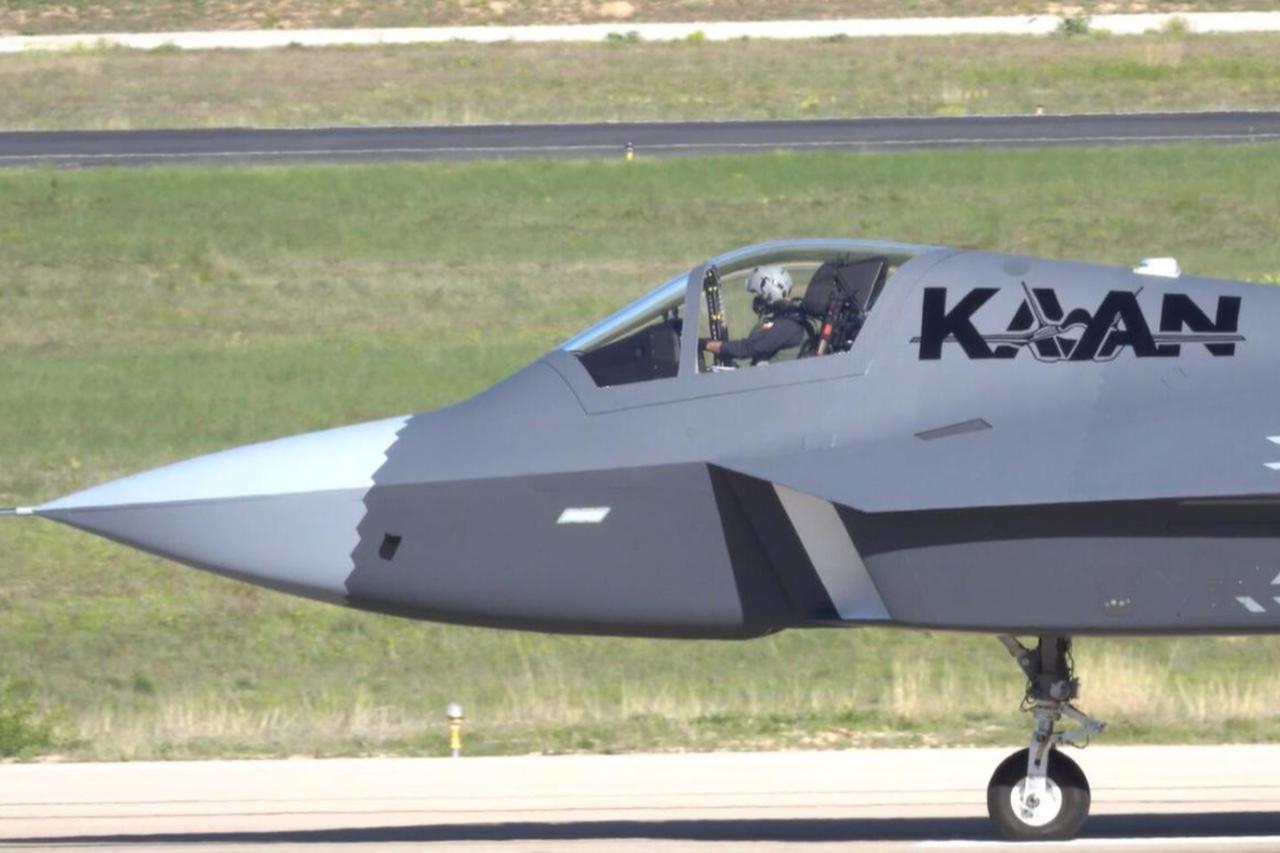
Recent visits by senior Saudi Air Force officials to Turkish defense firms, including ASELSAN, have highlighted Riyadh’s interest in Türkiye’s air defense systems and the fifth-generation KAAN fighter jet.
These engagements are expected to translate into structured defense-industrial partnerships.
On the economic front, talks are expected to focus on expanding trade volume, encouraging mutual investment, and deepening private-sector cooperation.
Saudi Arabia’s investments in artificial intelligence and digital transformation are likely to involve Turkish partner firms, while Turkish companies in construction and tourism are positioned to expand their footprint in the kingdom.
Viewed alongside Türkiye’s parallel engagement with Egypt and Pakistan, Erdogan’s Saudi visit highlights Ankara’s broader effort to construct a regional order based on mutual trust rather than zero-sum competition.
While the durability of this emerging framework will be tested by shifting geopolitical conditions, two core objectives stand out.
The first is to institutionalize existing economic and military cooperation into durable structures. The second is to project a collective message of stability and cooperative deterrence in response to broader regional destabilization.
In this sense, the Riyadh visit represents less a diplomatic event than a marker of how regional actors are adapting to a more uncertain and less externally managed Middle East.


 Set as preferred source
 Set as preferred source


 2 min read